



Antique Metal Snuff Box
An antique metal snuff box is a pocket container for tobacco powder, offering a tangible link to Georgian and Victorian social habits.
Antique Metal Snuff Box
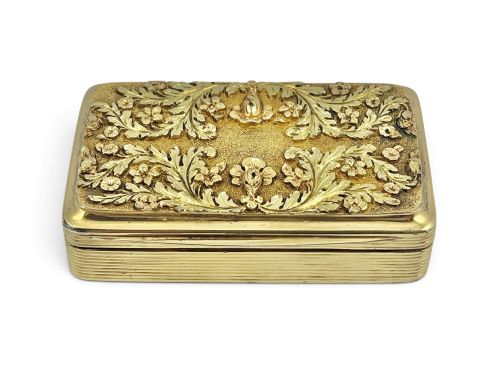
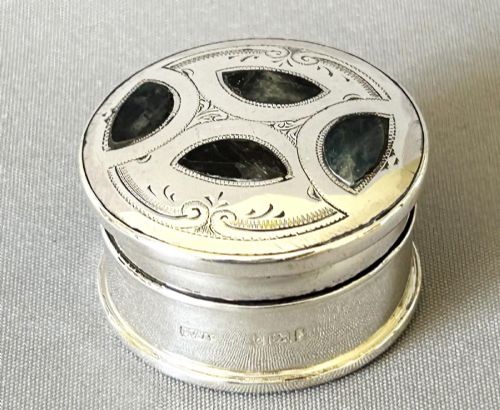
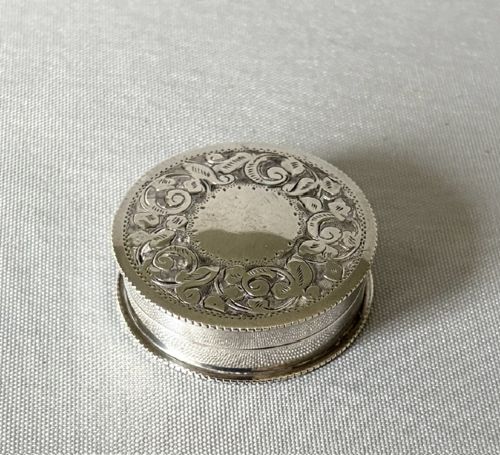
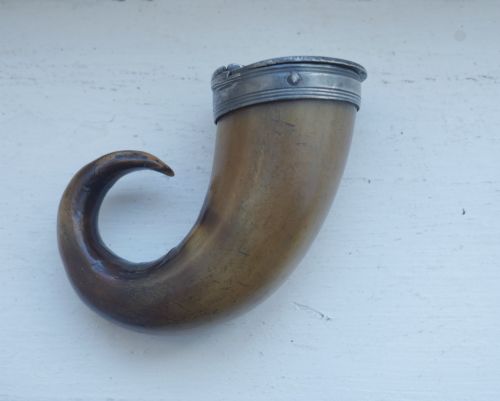
When browsing an antique metal snuff box collection, buyers encounter pocket-sized containers made to hold finely ground tobacco. These pieces span the Georgian, Victorian and Edwardian eras, alongside earlier eighteenth-century continental examples.
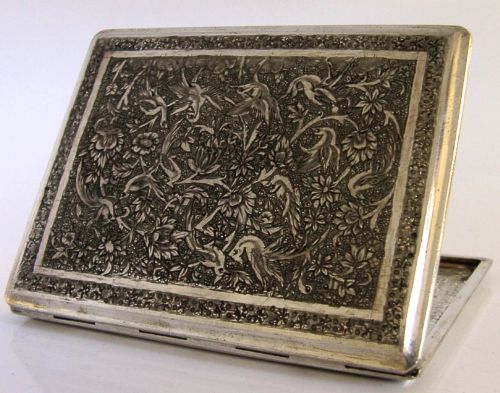
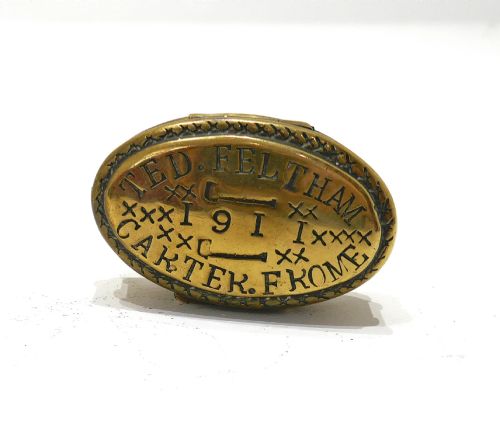
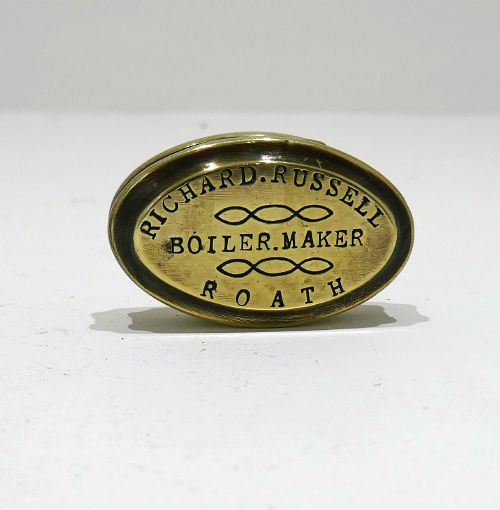
The selection ranges from utilitarian brass and copper tobacco boxes engraved with personal names and dates to luxurious gold and silver vinaigrettes and enamel patch boxes. Common forms include oval, rectangular and novelty shapes such as fish with articulated bodies.
How they were made
Metals such as brass, copper, silver and gold form the structural body of these containers, often shaped through casting, stamping or heavy gauge sheet construction. Engraving techniques personalise the surfaces with names, dates, ships and local scenes.
Enamel work, porcelain plaques and banded agate provide colourful decoration, set flush into the metal framework. Gilding is frequently applied to silver bases to enrich the interior surfaces.
Antique Metal Snuff Box Retail Price Guide 2026
Typical asking prices for metal snuff box among the pieces listed under this phrase on Sellingantiques today, from the lower quarter to the upper quarter. They describe what is for sale here now, not the wider market.
What varies in quality
Quality rests upon the crispness of the chasing and engraving, and the precision with which the hinged lid closes against the body. Superior examples display high-grade metalwork by documented makers, whilst simpler pieces rely on vernacular charm and historical inscriptions for their character.
The inclusion of painted enamel panels, multi-coloured gold work or precious stones elevates a piece from a utilitarian pocket accessory to a work of fine goldsmithing.
Giles Loyer·David McDonald·Alexander James Strachan·Edme Samson Of Paris
The Antique Metal Snuff Box Glossary
- Vinaigrette
- A small ornamental box featuring an internal perforated grille, used to hold a sponge soaked in aromatic vinegar. These were carried in the pocket for relief against unpleasant odours.
- Miser snuff box
- A vernacular pocket container featuring a sliding mechanism or restricted opening designed to dispense snuff sparingly. They often bear owner names and dates.
- Bilston enamel
- Opaque glass-like enamel fused to a copper base, typically produced in Staffordshire factories during the eighteenth century. These pieces frequently feature hand-painted pastoral scenes.
- Toleware
- Japanned or painted tinplate objects created to imitate Asian lacquerware. They were widely used for domestic storage containers during the nineteenth century.
- Chasing
- A metalworking technique where designs are hammered into the front surface from the outside to create a low relief pattern. It requires considerable skill to avoid distorting the thin metal plate.
Antique Metal Snuff Box: Frequently Asked Questions
What is an antique metal snuff box?
These small containers were designed to hold powdered tobacco for nasal ingestion, a widespread social custom during the eighteenth and nineteenth centuries.
Craftsmen produced them in a wide array of metals, incorporating hinged lids to keep the contents dry and secure in the pocket.
How were snuff boxes used?
Owners carried them in waistcoats or pockets for daily use, offering pinches of tobacco to companions during social gatherings.
The ritual involved opening the hinged lid, taking a pinch between thumb and forefinger, and inhaling gently.
How do I date an antique snuff box?
Dating relies on hallmarks stamped into precious metals, engraved dates, and stylistic indicators such as Georgian rococo motifs or Victorian manufacturing methods.
Changes in fastener design, hinge construction and prevailing artistic styles also help narrow down the period of origin.
How do I care for metal snuff boxes?
These pieces require storage in stable environmental conditions away from direct moisture to protect delicate enamels, silver gilt and iron components.
Cleaning should remain minimal, avoiding harsh abrasive polishes that might wear away crisp historical engravings or gilding.