
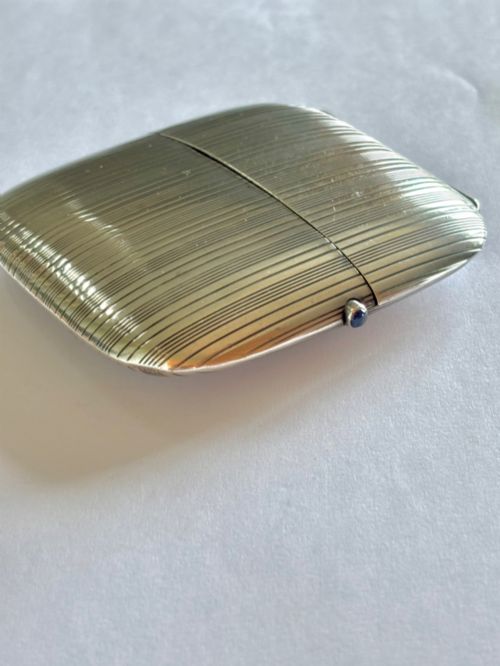
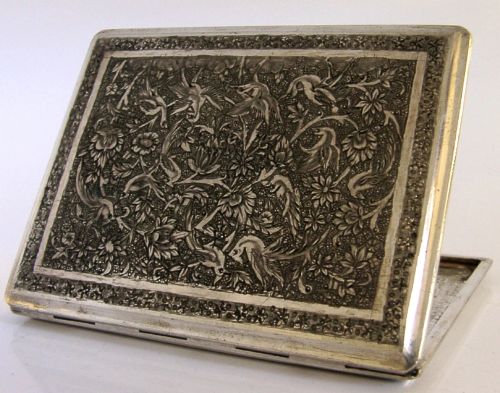
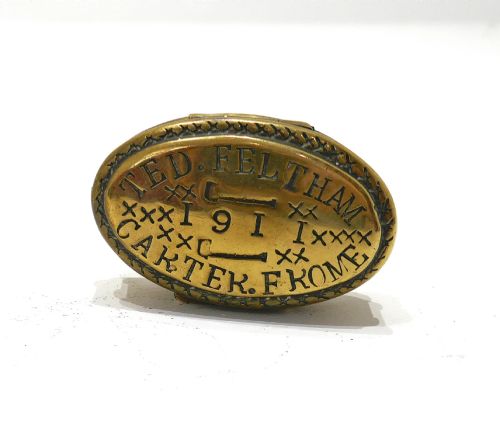
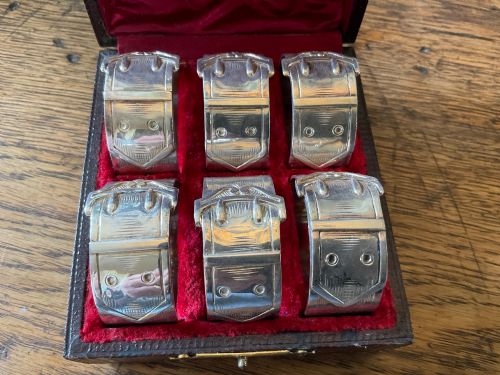


Engraved Metal Box
When you handle an engraved metal box, you hold a personal archive of names, dates, and battles pressed into copper, brass, and silver.
Engraved Metal Box
An engraved metal box serves as a small, portable repository for snuff, tobacco, cigarettes, or small trinkets. These pieces span from the eighteenth century through the twentieth century, originating across England, Europe, and further afield.
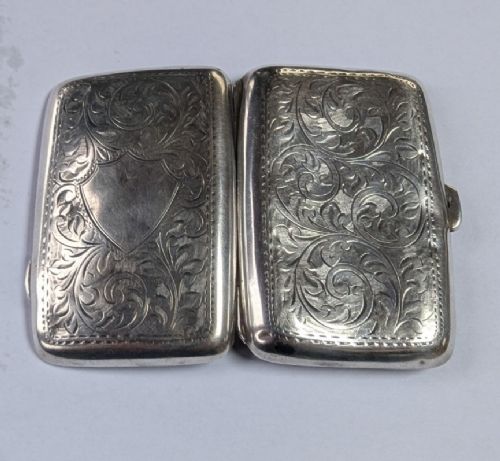
Brass tobacco and snuff boxes dominate the early periods, often carrying precise names, dates, and historical events. Later Victorian and twentieth-century examples frequently take the form of silver cigarette cases or decorative boxes.
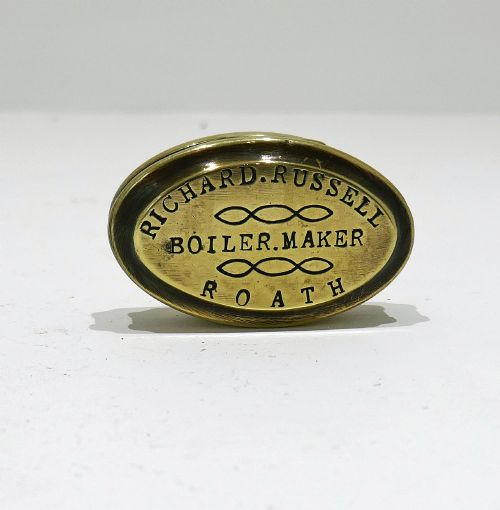
Domestic and personal commissions sit alongside commemorative pieces marking specific years or battles. Buyers encounter everything from heavy Dutch tobacco containers to intimate English brass pieces inscribed for everyday owners.
How they were made
Metals such as brass, copper, sterling silver, and steel form the structural body of these containers. Makers utilised sheet metal, forming heavy gauge brass and copper into portable containers through folding, joining, and sometimes gilding.
Surface decoration relies heavily on hand engraving, pressing, or mixed-metal application. Artisans incised names, dates, pictorial scenes, and inscriptions directly into the metal surface using sharp gravers.
Listings show brass and copper dominate 18th-century boxes, while silver and silver plate become prevalent in Victorian and 20th-century pieces.
What varies in quality
The crispness and depth of the hand engraving distinguish standard workshop output from exceptional work. Sharp, detailed lettering and pictorial subjects demonstrate superior hand control by the maker.
The weight of the metal and the precision of the hinges and closures dictate the durability and refinement of the vessel. Heavier gauges of brass, copper, or silver indicate a more substantial object built to withstand regular handling.
The David McDonald
The Engraved Metal Box Glossary
- Snuff box
- A small container designed to hold powdered tobacco. These pieces often feature hinged lids and personalised owner inscriptions.
- Tobacco box
- A larger vessel intended for storing pipe tobacco. Dutch and English examples from the eighteenth century frequently display engraved historical scenes.
- Pyx
- A small round container used in ecclesiastical contexts. These items are occasionally executed in gilded and engraved copper.
- Etui
- A small case for holding holding needles or sewing implements. Victorian examples in brass combine utility with decorative metalwork.
- Gilt
- A thin layer of gold applied to the surface of a base metal. This technique enhances the appearance and protects the underlying material.
Engraved Metal Box: Frequently Asked Questions
What were engraved metal boxes used for?
These containers primarily held tobacco, snuff, or cigarettes for daily personal use. Many served as commemorative items, marking specific dates, military battles, or personal milestones.
Owners frequently had their names, occupations, or home towns engraved directly onto the lids or bases. This personal touch turned ordinary utilitarian objects into lasting keepsakes.
How do I tell an 18th-century box from a Victorian one?
Eighteenth-century examples often feature heavy gauge brass or copper with robust hinges and deeply chased historical or pictorial engravings. Dutch and English tobacco boxes from this era tend to be larger and rectangular with rounded ends.
Victorian pieces frequently shift toward lighter silver cigarette cases, dressing items, and smaller brass trinket boxes. Inscriptions from the nineteenth century generally utilise different typography styles compared to earlier periods.
How should I clean an antique metal box?
Polishing antique metalware aggressively can remove historical patination and wear that collectors value. Gentle dusting with a soft, dry cloth preserves the aged surface.
Avoid chemical dips or abrasive metal cleaners, particularly on silver gilt or engraved brass surfaces. Preserving the natural dark build-up in the engraved lines keeps the inscriptions legible.
Why do so many boxes have names engraved?
Personalisation was standard practice for owners who carried these valuable personal items daily. Engraving a name or initials prevented loss or confusion in shared spaces.
Some inscriptions record specific occupations, regiments, or historical events like wars. These contemporary additions provide a direct historical link to the original owner.