

Victorian Engraved Box
These pieces of a victorian engraved box combine practical storage with intricate metalwork or natural materials, offering a glimpse into nineteenth-century craftsmanship.
Victorian Engraved Box
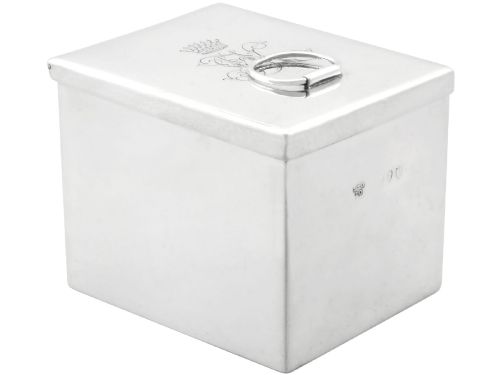
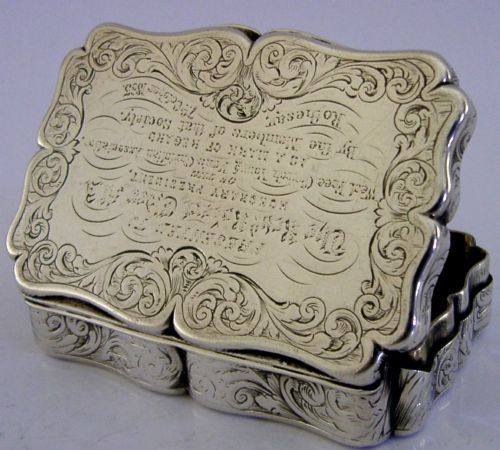
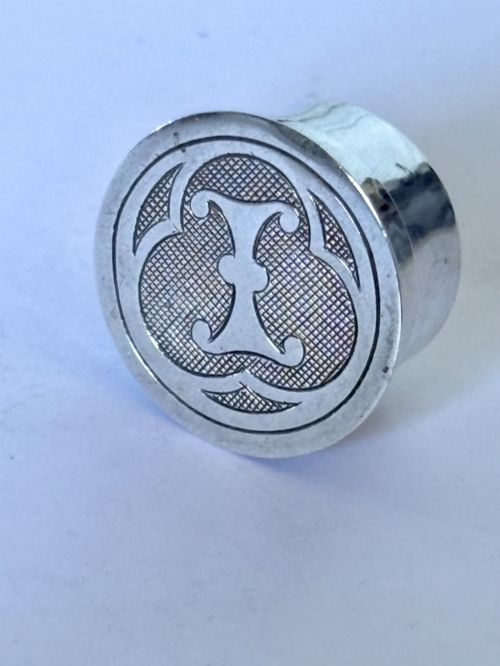
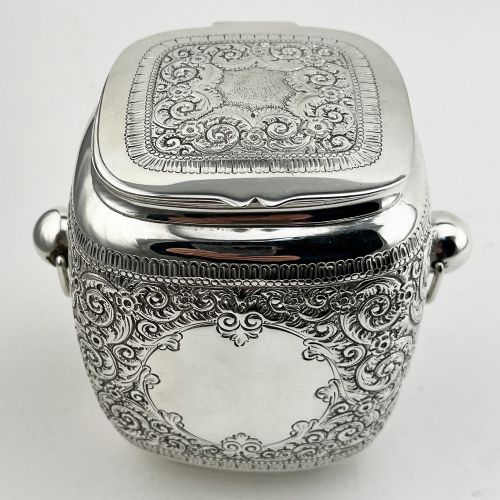
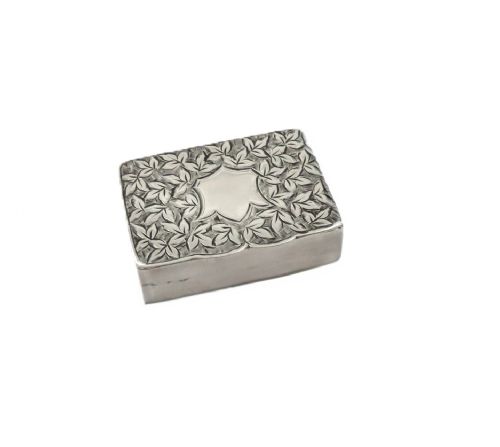
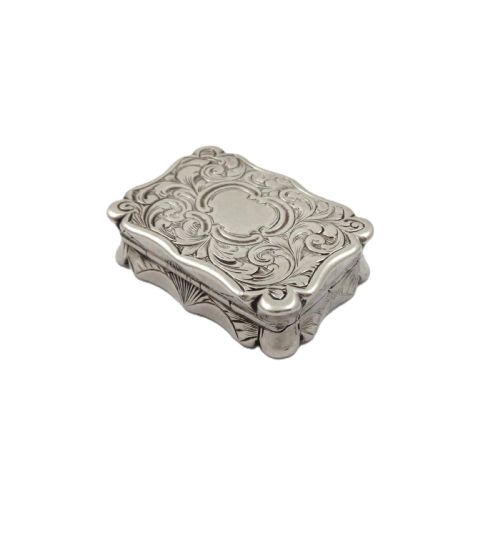
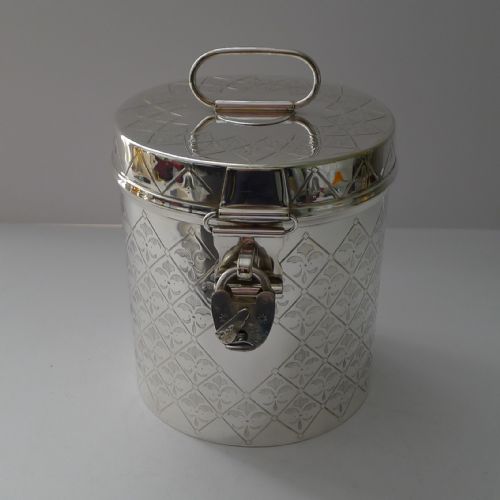
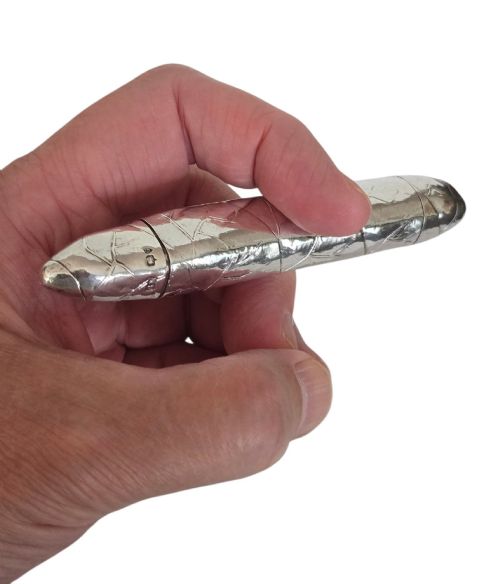
A victorian engraved box encompasses a variety of small containers, including snuff boxes, card cases, vesta cases, and larger tea caddies or biscuit boxes. Most items on this page originate from the nineteenth century, reflecting the periods commonly catalogued as Victorian and Edwardian.
Makers fashioned these pieces for specific domestic uses, such as holding tobacco, calling cards, or trinkets. The selection ranges from small pocket containers to larger table pieces, often featuring detailed surface decoration.
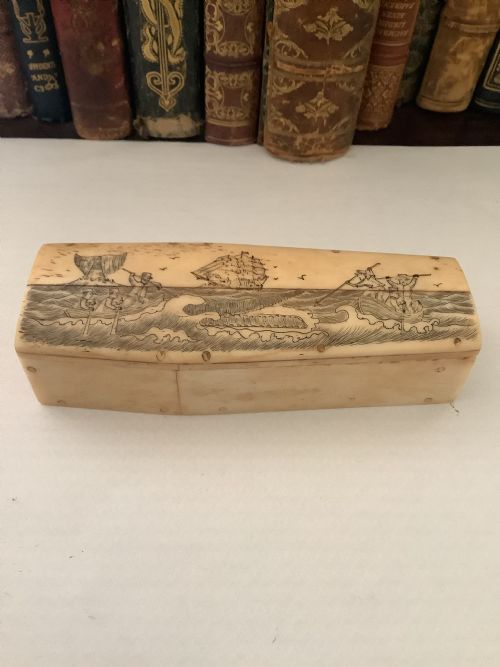
The materials and styles span sterling silver, silver plate, brass, and glass, alongside fabric-lined interiors of velvet and silk. Examples often display regional British hallmarks or specific stylistic influences like nautical folk art and equestrian themes.
How They Were Made
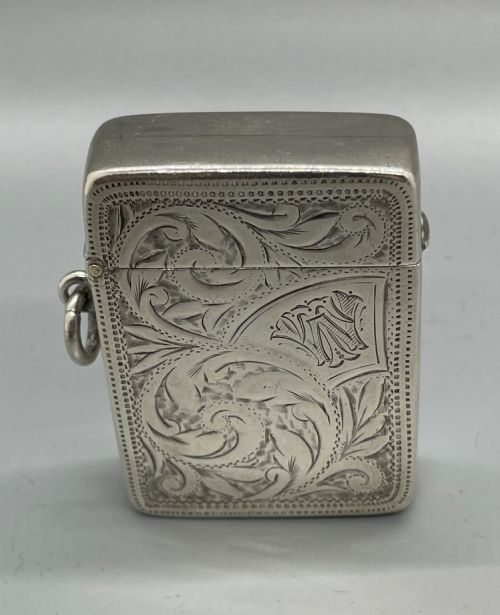
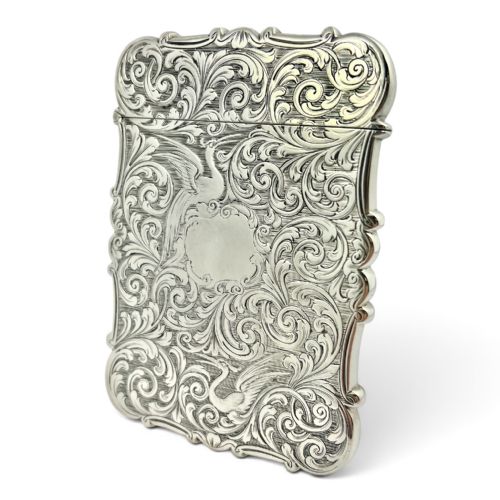
Silversmiths and metalworkers utilised sterling silver and silver plate, shaping metals through casting and hammering before applying detailed surface incisions. Hand engraving required steady tool work to carve scrolls, foliage, and architectural scenes directly into the metal.
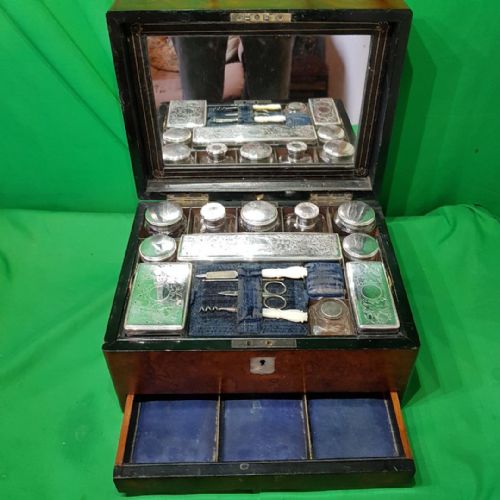
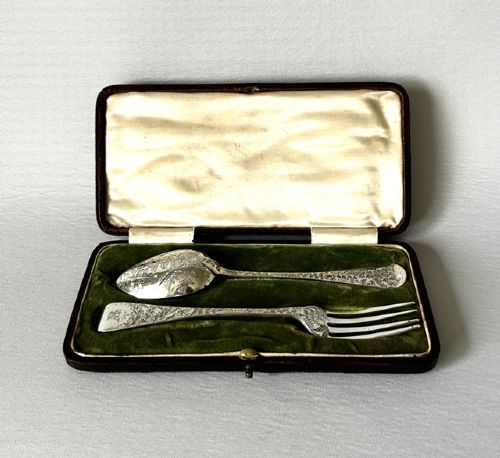
Makers combined metal frames with cut glass liners, or fitted wooden carcases with leather, velvet, and silk linings for delicate items like card cases and travelling sets. Brass and gilt brass components provided robust structures for larger table boxes and novelty items.
A horse hoof desk tidy demonstrates the Victorian enthusiasm for turning taxidermy into practical everyday stationery storage.
What Varies In Quality
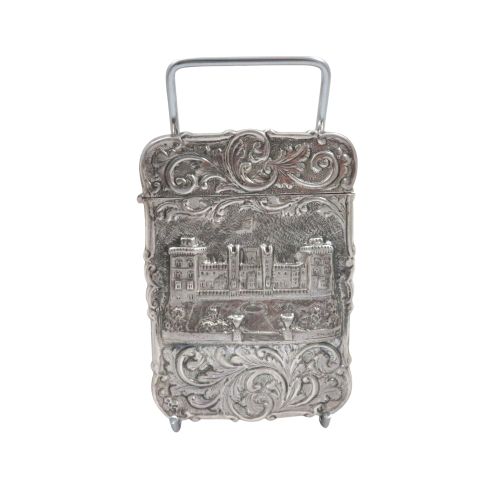
The depth and clarity of the hand engraving distinguish standard production from exceptional work, particularly where scenes like castles or detailed flora are concerned. Crisp lines in the metal indicate skilled execution by named makers and workshops.
The choice of materials and internal linings also determines the standard of a piece, with solid sterling silver bodies, parcel-gilt interiors, and fitted velvet or silk components representing higher manufacturing investment than plated metal or simpler brass constructions.
Horton & Allday·FA Barrett·Martin Hall & Co·Sampson Mordan & Co·Nathaniel Mills·Edward Smith·Robert Thornton·Mappin and Webb
The Victorian Engraved Box Glossary
- Vesta case
- A small pocket container designed to hold matches, usually fitted with a striking surface on the base. These often share the shaped profiles and engraved decoration seen on card cases.
- Hallmark
- An official stamp applied to precious metals indicating the standard of purity, the assay office, and the year of manufacture. British silver frequently bears these stamped markers.
- Castle top
- A style of decorative engraving featuring a specific architectural landmark, such as Windsor Castle, rendered in high relief on the lid of a silver box.
- Snuff box
- A small lidded container made to hold dry powdered tobacco for inhalation. Many examples feature tight hinges to preserve the contents.
Victorian Engraved Box: Frequently Asked Questions
What were small silver boxes used for?
These containers served specific daily functions in the nineteenth century, holding items like matches, calling cards, snuff, or aromatic vinegar. Their portable nature made them common personal accessories.
Larger versions remained in the home on desks or tables to store tea, biscuits, or trinkets. Each form was tailored to the specific habits of the period.
How do I identify a Victorian piece?
Examination of the metal often reveals official hallmarks that indicate the assay office and the exact year of manufacture. Stylistic clues such as floral engraving and specific maker marks help confirm the era.
Material choices like sterling silver, burr walnut, and specific interior fabrics also point directly to nineteenth-century production methods. Comparing known maker styles narrows down the timeframe further.
How should I clean silver boxes?
Gentle dusting with a soft cloth removes everyday debris without wearing down the delicate hand-engraved lines. Harsh chemical dips should be avoided, especially on pieces with gilt interiors or fabric linings.
For stubborn tarnish, use a mild silver polish applied sparingly with a soft brush. Care must be taken around hinged areas and inset stones.
Are these boxes suitable for daily use?
Many of these containers remain robust enough for regular handling, provided they are treated with appropriate care. Card cases and vesta boxes were built for pocket wear.
Fragile items featuring glass liners or delicate silk interiors require more careful placement in the home. Hinges and clasps should be checked gently before frequent opening.