





Antique Brass Container
These antique brass container pieces span Georgian and Victorian eras, offering robust utility and decorative charm for any interior.
Antique Brass Container
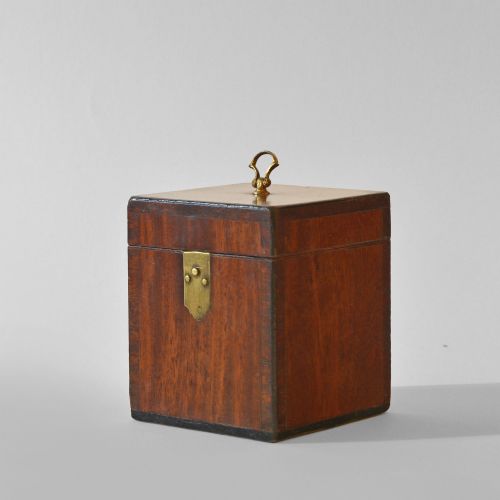
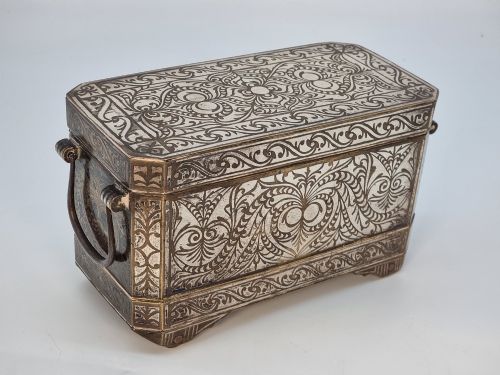
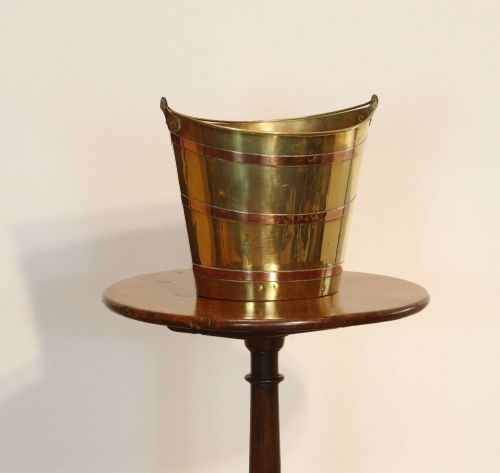
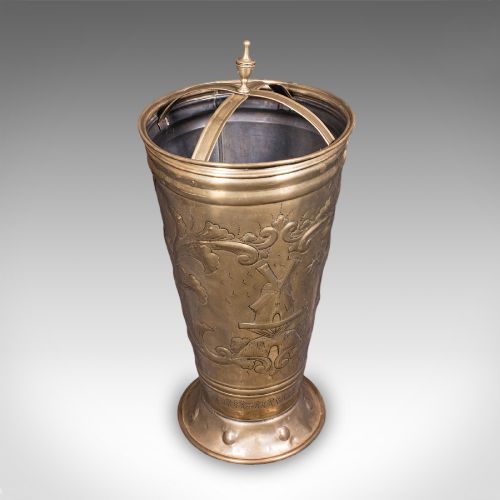
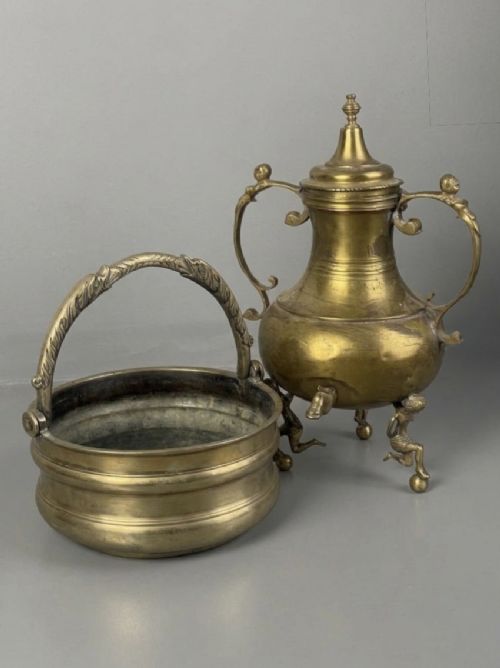
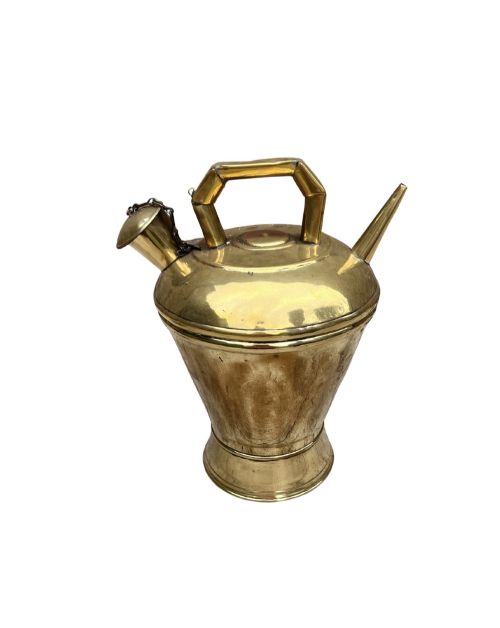
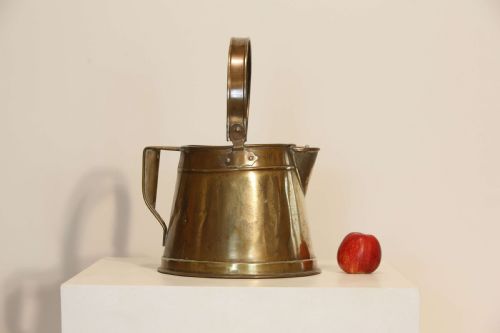
An antique brass container encompasses diverse utilitarian forms including table snuff boxes, tobacco boxes, lidded storage vessels, and decorative jardinieres. Buyers examining these listings frequently encounter Dutch examples alongside Georgian and Victorian pieces.
Construction and material composition
Every piece in this category is formed from brass, utilising traditional metalworking techniques appropriate to its period of manufacture. Makers shaped the alloy through casting, hammering, and joining to achieve durable hollowware vessels.
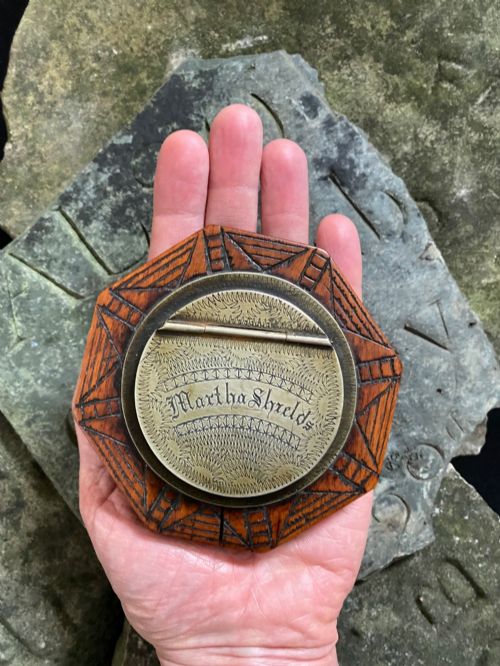
Surface decoration frequently involves hand engraving, as seen on specific nineteenth century snuff boxes inscribed with personal and trade details. Lidded boxes and jardinieres rely on sturdy plate construction designed to withstand regular handling.
Antique Brass Container Retail Price Guide 2026
Typical asking prices for brass container among the pieces listed under this phrase on Sellingantiques today, from the lower quarter to the upper quarter. They describe what is for sale here now, not the wider market.
One nineteenth century snuff box proudly bears the engraved name of a boiler maker from Roath.
Judging standard and execution
Quality in these items is determined by the crispness of the brass casting, the precision of decorative engraving, and the structural integrity of joints and lids. Superior examples display balanced proportions and crisp surface ornamentation without excessive wear.
Plain utilitarian vessels rely entirely on clean lines and sound material thickness, whereas decorative jardinieres and engraved boxes demonstrate greater artisan input through detailed surface work and well-fitted components.
The Antique Brass Container Glossary
- Jardiniere
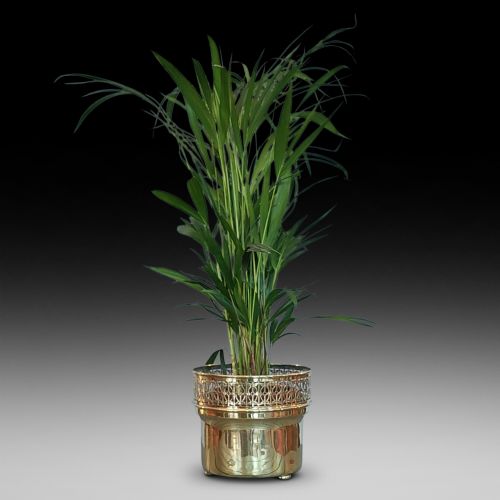
- An ornamental pot or stand designed to hold plants or flowers, often manufactured in brass during the nineteenth century. These pieces function as decorative centerpieces within domestic interiors.
- Navette
- A boat-shaped design with pointed ends, commonly found in Georgian table snuff boxes. This distinctive profile provides a slender silhouette for pocket or desk use.
- Snuff box
- A small lidded container historically used to hold powdered tobacco for nasal ingestion. Examples range from plain utilitarian boxes to engraved personal items.
Antique Brass Container: Frequently Asked Questions
What is an antique brass container used for?
These vessels originally served practical domestic roles such as storing tobacco, holding snuff, or housing plants as jardinieres. Their durable metal construction made them suitable for daily handling and utility.
Today, collectors utilise smaller boxes for desktop storage while larger jardinieres display indoor plants. They integrate easily into traditional and contemporary interiors as functional decorative accents.
How do I date an antique brass container?
Dating relies on stylistic markers, manufacturing techniques, and any inscribed text or hallmarks present on the object. Georgian and Victorian pieces exhibit distinct decorative motifs typical of their respective eras.
Comparing the form and construction methods against known period examples helps establish an approximate decade or century of origin. Engravings often provide specific historical clues regarding the original owner or maker.
Are brass jardinieres waterproof?
Many nineteenth century jardinieres feature soldered seams intended to hold damp soil or potted plants. However, centuries of age can weaken original seals.
It is advisable to use a modern liner inside antique brass plant holders to protect the historic metal from prolonged moisture exposure and corrosion.
How should I clean antique brass?
Maintenance requires minimal intervention to preserve the natural oxidation and patina accumulated over centuries. Dusting with a soft cloth is usually sufficient for regular upkeep.
Avoid harsh chemical polishes that strip away the aged surface character. Professional conservation advice should be sought before attempting any intensive metal cleaning.