



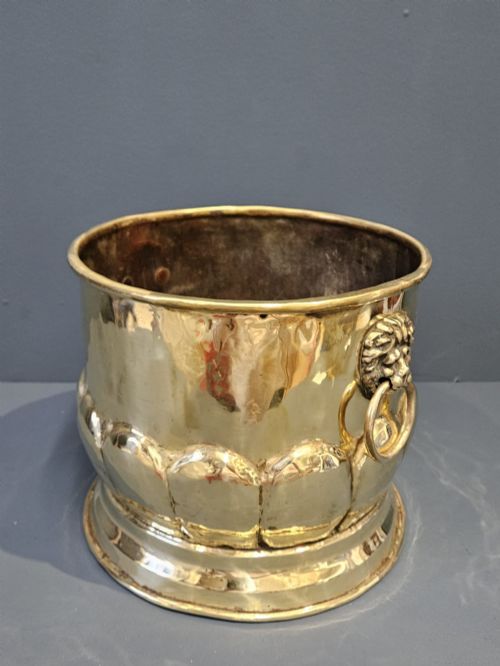
Brass Jardiniere Planter
A brass jardiniere planter brings interior greenery and floral displays together with historic metalwork.
Brass Jardiniere Planter
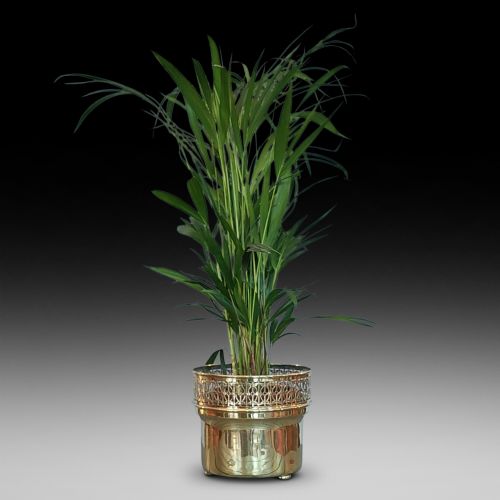
A brass jardiniere planter serves as an ornamental vessel designed to hold potted plants indoors, combining practical waterproof functionality with decorative metalwork. These pieces emerge frequently from the nineteenth century, often appearing in Victorian, Edwardian, and Art Nouveau styles.
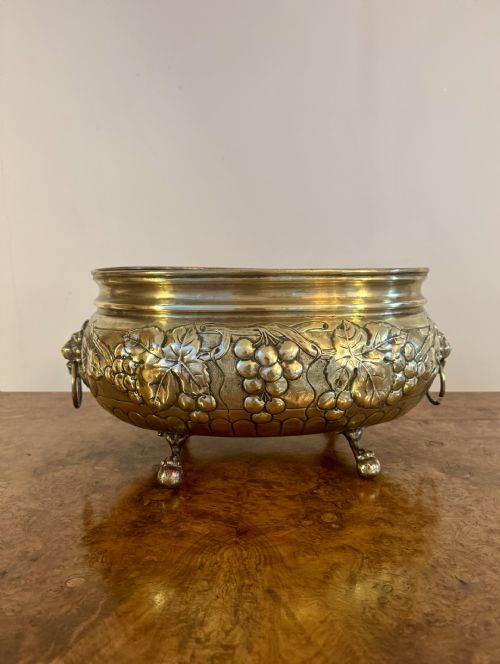
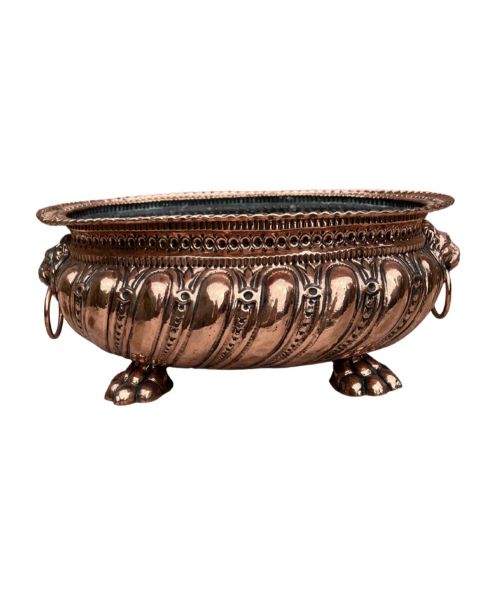
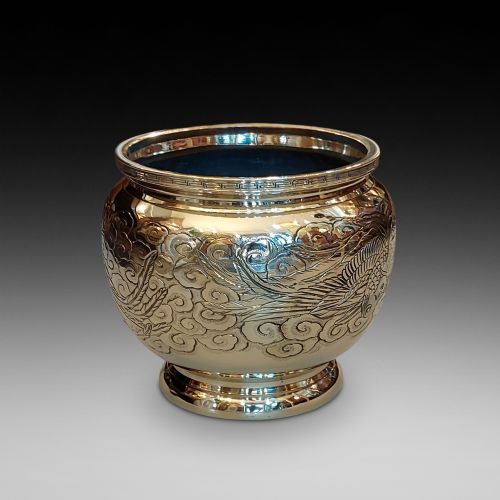
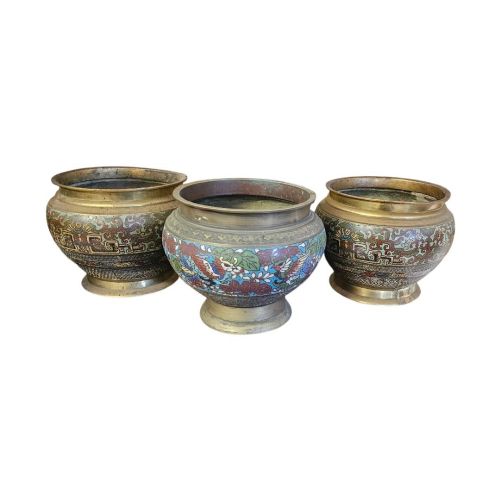
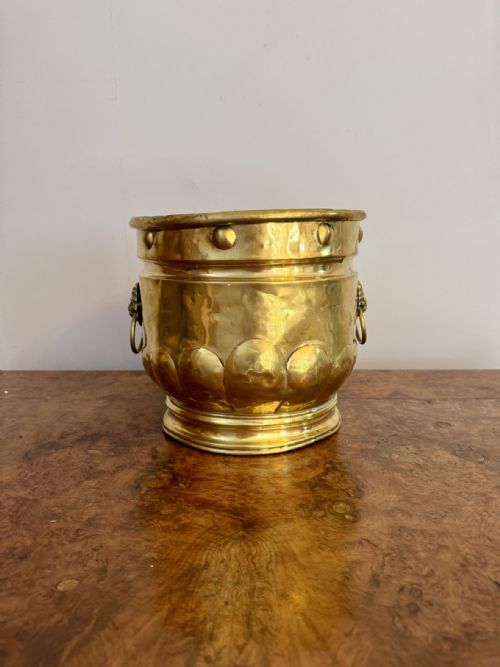
The selection ranges from simple spun vessels to elaborate footed bowls bearing repousse or chased decoration. Many examples double as wine coolers, cellarettes, or peat buckets, reflecting historic domestic uses beyond simple horticulture.
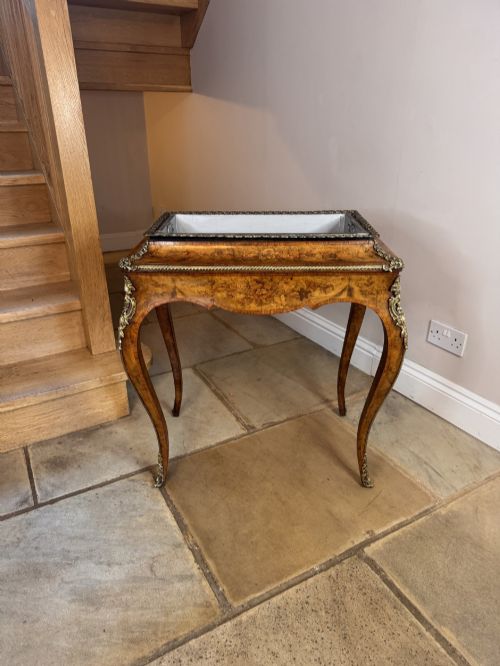
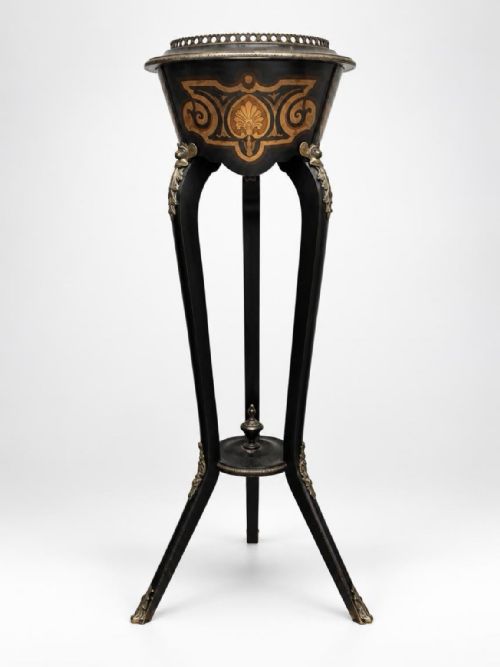
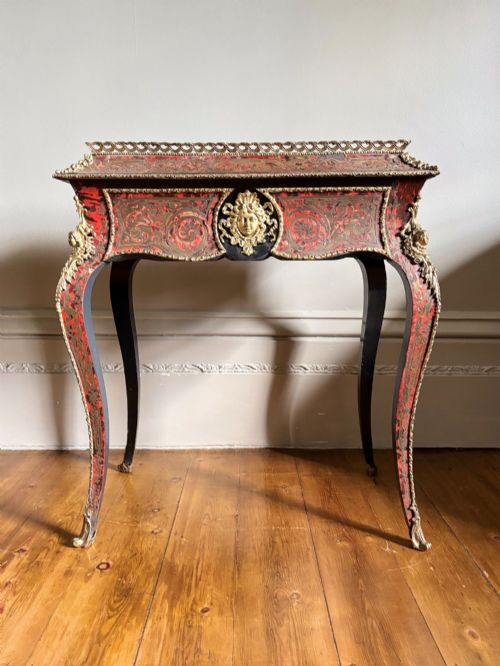
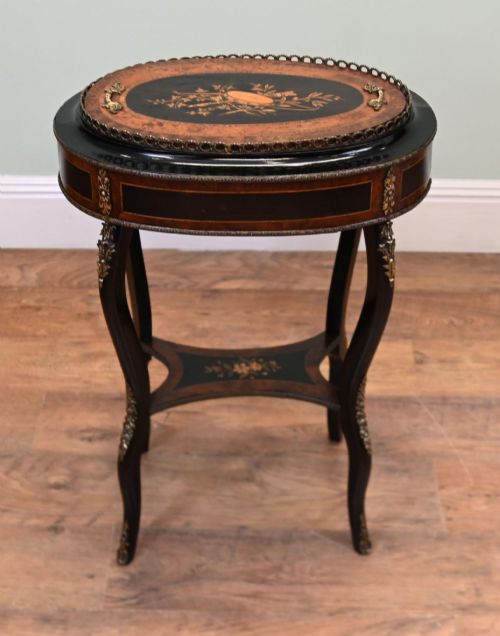
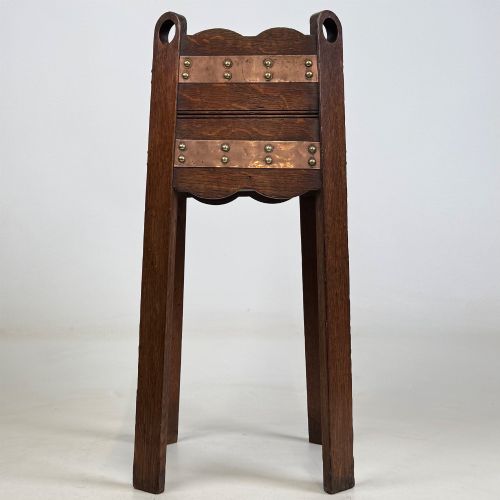
Examples frequently incorporate complementary materials such as copper, mahogany, or ebonised wood alongside the primary brass body. Some sit directly upon tables or windowsills, while others stand on dedicated matching pedestals or legs.
How they were made
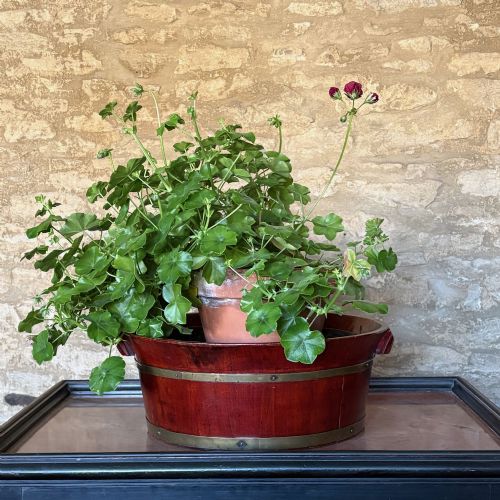
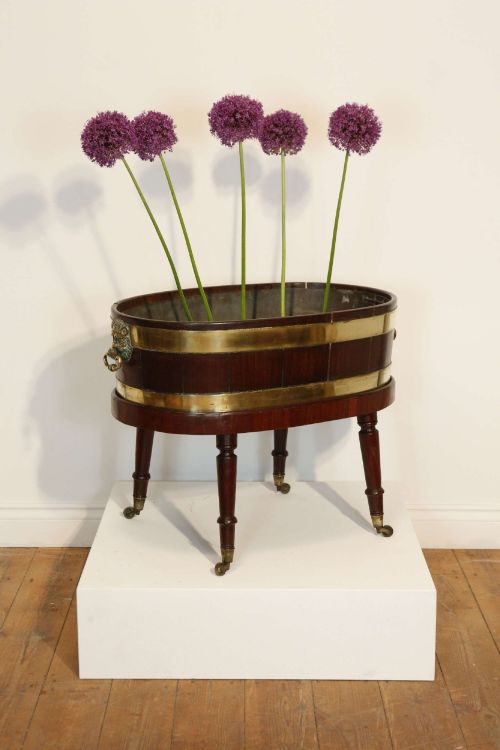
Metalsmiths employed techniques including hammering, casting, piercing, and repousse work to shape brass and copper sheets into decorative vessels. Artisans also utilised timber cooperage methods, binding wooden staves with brass bands to construct robust planter bodies.
Surface ornamentation often involved hand-engraving or etching intricate floral and geometric motifs onto the metal. Makers frequently applied internal metal or ceramic liners to protect the surrounding structure from moisture damage during daily plant watering.
Brass Jardiniere Planter Retail Price Guide 2026
Typical asking prices for brass jardiniere planter among the pieces listed under this phrase on Sellingantiques today, from the lower quarter to the upper quarter. They describe what is for sale here now, not the wider market.
Listings feature brass jardiniere planters paired with copper, mahogany, walnut, and porcelain across Victorian, Edwardian, and Art Nouveau periods.
What varies in quality
The gauge of the metal and the depth of the surface work separate simpler utilitarian vessels from high-status decorative pieces. Substantial weight, crisp hand-chasing, and sophisticated styling indicate superior craftsmanship.
Completeness dictates much of the value, particularly the presence of original metal liners, matching stands, and intact inlaid woodwork. Finely detailed mounts, handles, and cast feet demonstrate the care taken during initial production.
Albert Meyer·WMF
The Brass Jardiniere Planter Glossary
- Jardiniere
- An ornamental pot or stand designed to hold growing plants indoors. The term derives from the French word for gardener.
- Repousse
- A metalworking technique where the artisan hammers the design from the reverse side to create a raised relief on the front. This method adds rich texture to brass vessels.
- Dinanderie
- European brass and copper hollowware produced by traditional metalworkers. The craft encompasses beaten and embossed decorative household objects.
- Coopered
- Constructed from wooden staves fitted together side by side and bound by metal hoops. This technique traditionally formed barrels, buckets, and plant vessels.
- Cachepot
- An ornamental flowerpot cover intended to conceal a plain inner plant pot without drainage holes. These vessels prevent water spillage on furniture surfaces.
Brass Jardiniere Planter: Frequently Asked Questions
What is a brass jardiniere planter used for?
These vessels primarily house indoor potted plants, serving as decorative covers that conceal standard plastic nursery pots. They also function historically as wine coolers or decorative bins.
Their substantial metal construction and waterproof liners make them practical containers for managing soil and moisture indoors.
How do I care for antique brass?
Maintenance involves gentle dusting and occasional cleaning with appropriate non-abrasive metal cleaners to prevent excessive corrosion. Many collectors prefer leaving a natural aged patina rather than polishing the brass to a bright shine.
Protecting the interior from standing water helps preserve original metal or ceramic liners over time.
Are these planters waterproof?
Many examples feature original fitted metal or ceramic liners designed to retain water safely without damaging the outer decorative shell. Wooden coopered versions rely on tight stave construction and internal linings to contain moisture.
Checking the condition of the interior liner remains essential before placing living plants directly inside older vessels.
How can I tell the period of a planter?
Stylistic details provide clear indicators of date, ranging from geometric Arts and Crafts motifs to flowing Art Nouveau tendrils and Victorian heraldic crests. Manufacturing methods such as hand-hammering versus machine pressing also distinguish nineteenth-century work from later reproductions.
Associated wooden stands and secondary materials like mahogany or ebonised wood offer further clues to the exact era of production.