


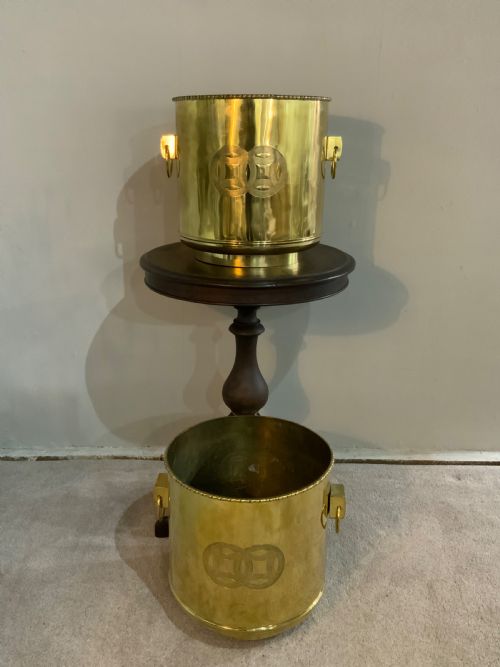

Antique Brass Cachepot
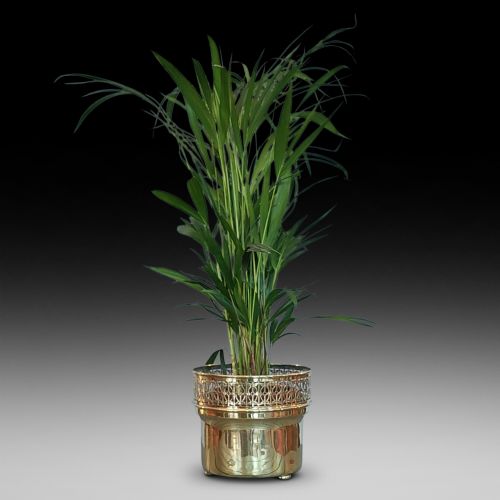
An antique brass cachepot brings heavy metal and living green together on a side table or mantelpiece.
Antique Brass Cachepot
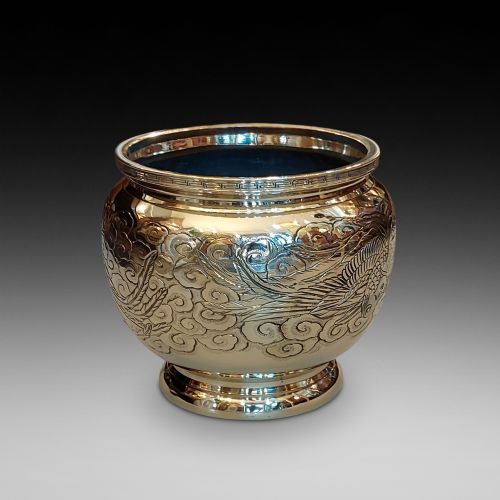
When you search for an antique brass cachepot, you are looking at heavy metal vessels designed to hold potted plants and flowers inside the home. These items appear across nineteenth-century periods, stretching from Victorian designs into Edwardian and Art Nouveau workshops.
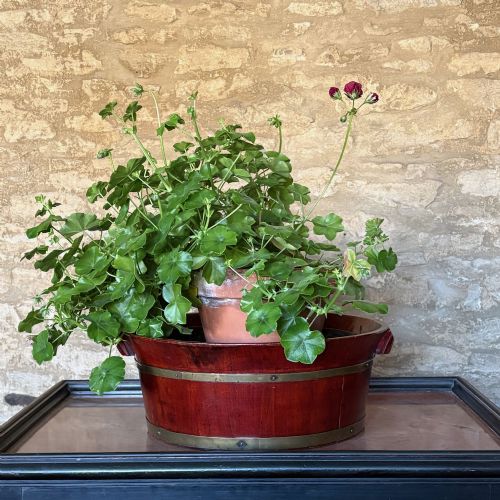
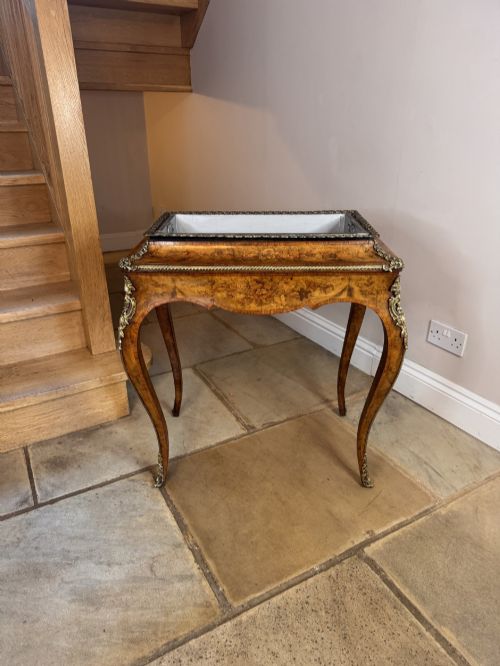
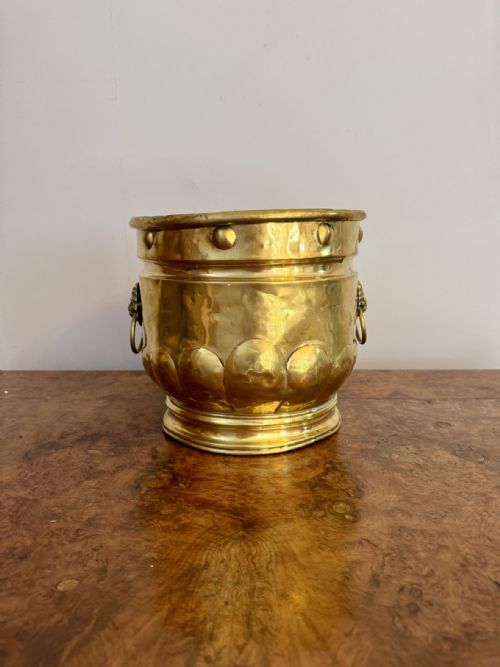
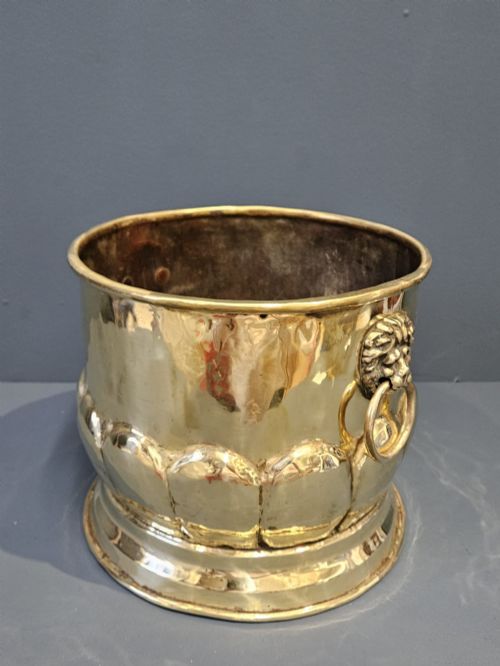
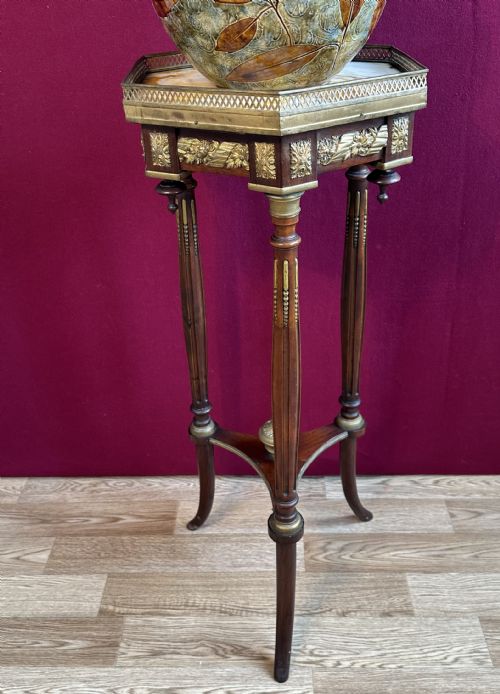
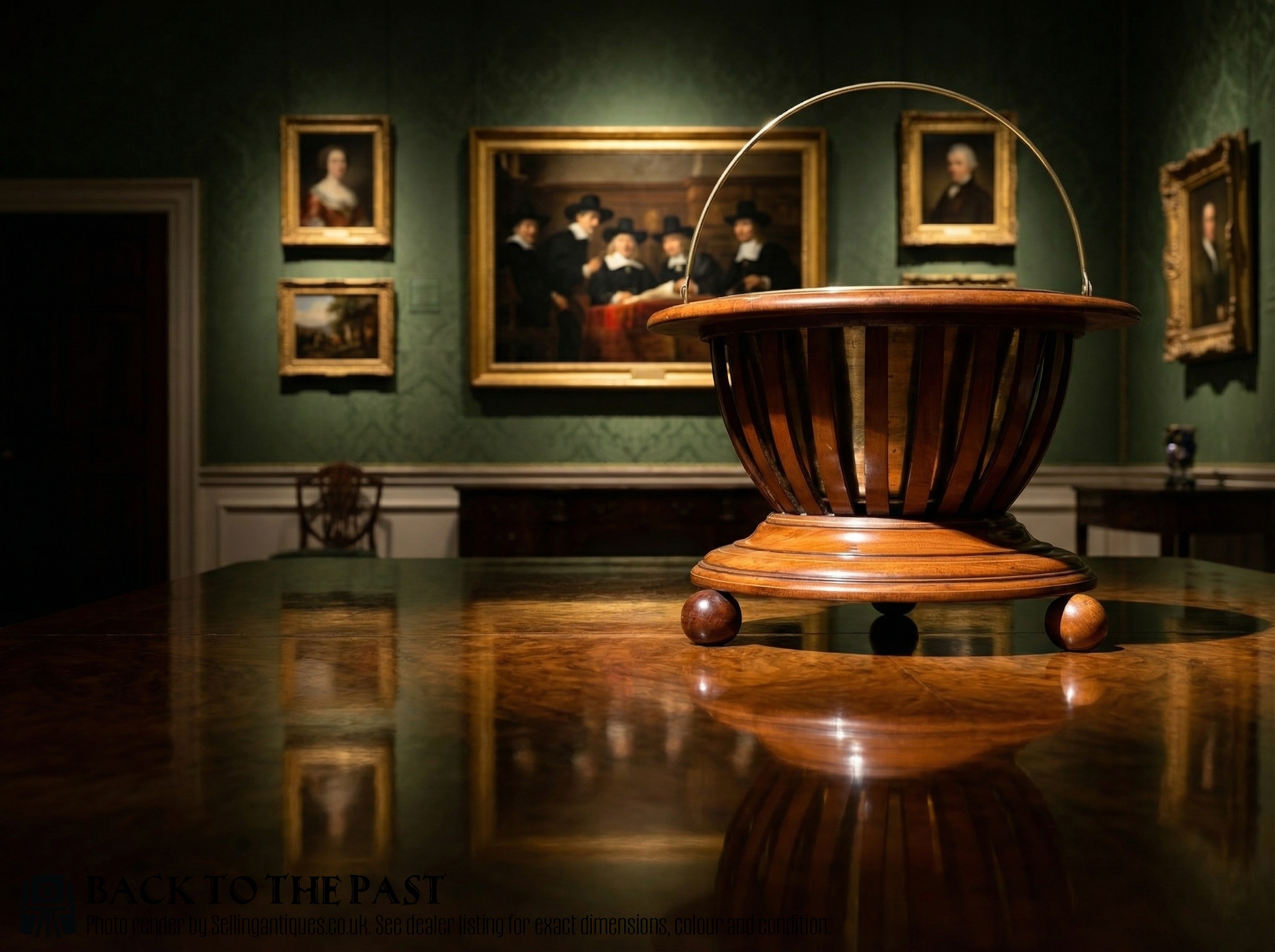
The form crosses paths with jardinieres, planters, and coal buckets, sharing the same practical roots in domestic greenery. You will frequently meet pieces shaped as simple cylindrical bowls or mounted on dedicated wooden stands.
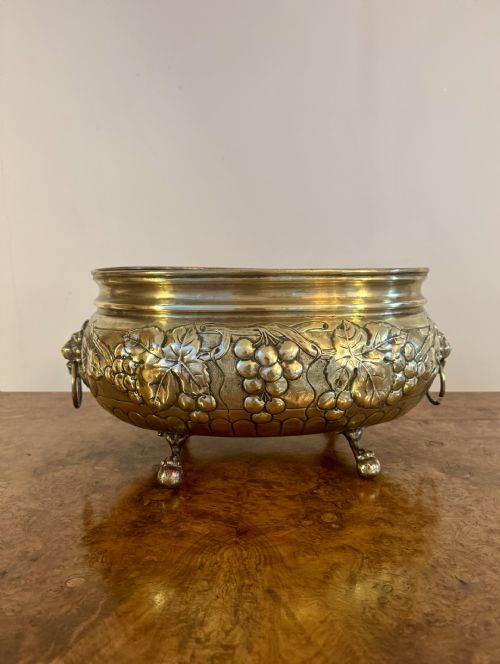
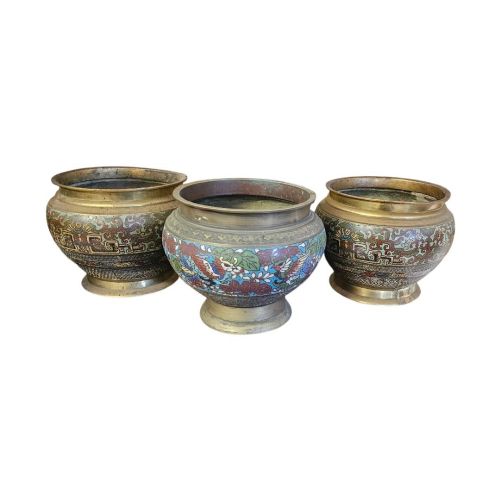
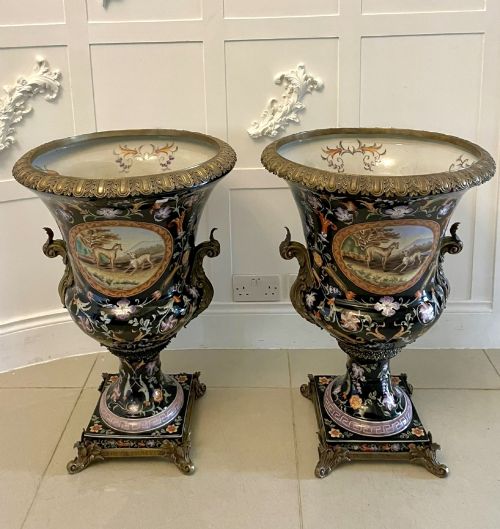
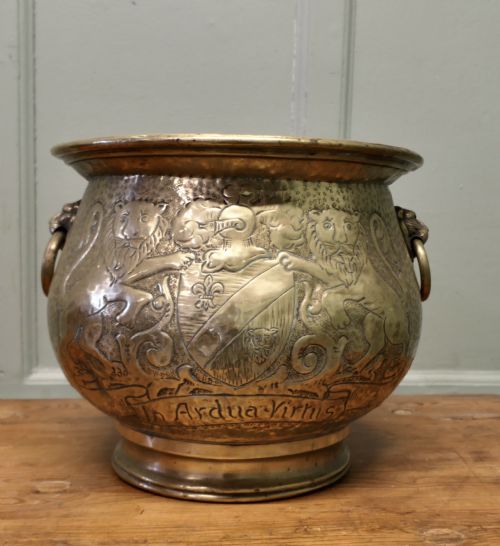
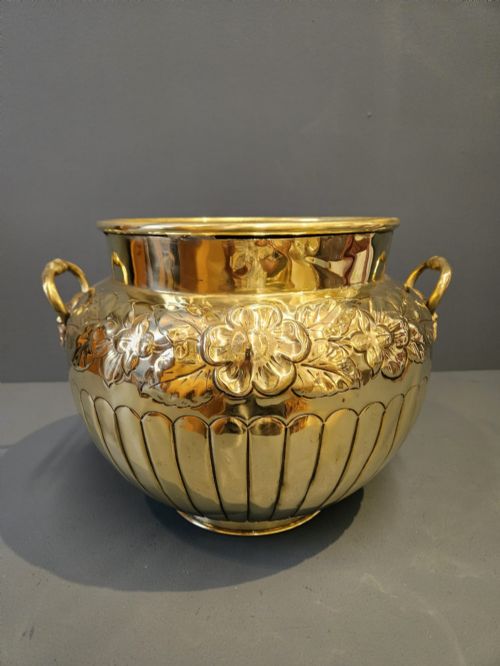
Origins span widely across English workshops, French studios, Dutch households, and Asian export centres. Each region brought distinct decorative choices to the surface, whether through applied handles, chased shields, or embossed animal heads.
Materials and construction methods
Makers relied primarily on brass, bronze, and copper sheets, sometimes paired with mahogany, porcelain, or enamel elements. Metals were beaten, cast, or spun into shape before receiving surface decoration.
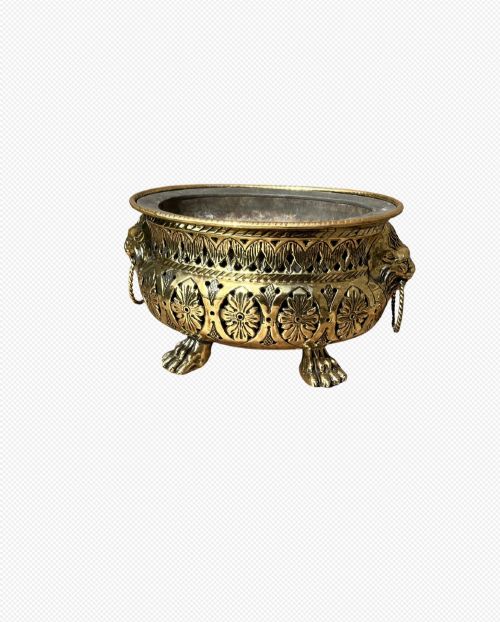
Repoussé and hand-engraving techniques allowed artisans to push designs outward from the reverse or incise intricate patterns directly into the metal. Piercing created openwork galleries around the rim, whilst champlevé enamel added colour highlights to bronze bodies.
Antique Brass Cachepot Retail Price Guide 2026
Typical asking prices for brass cachepot among the pieces listed under this phrase on Sellingantiques today, from the lower quarter to the upper quarter. They describe what is for sale here now, not the wider market.
What separates examples in quality
Subtle differences in gauge thickness and weight dictate how solidly a vessel holds its shape over decades of use. Thicker metal allows for deeper hand-chasing and crisper relief work on crests, masks, and floral motifs.
Original stands, matching liners, and intact mounts elevate certain pieces far above standard utilitarian pots. Finer examples display careful finishing to interior seams and crisp detailing on applied lion masks or lion paw feet.
J Sankey and Sons
The Antique Brass Cachepot Glossary
- Cachepot
- A decorative container used to conceal an ordinary flowerpot. The name translates from French as hiding pot.
- Repoussé
- A metalworking technique where the artisan hammers the design from the reverse side to create a raised pattern in relief on the front.
- Dinanderie
- A traditional term for objects made of beaten brass or bronze, named after the Belgian town of Dinant famous for metalwork.
- Champlevé
- An enamelling technique where troughs or cells are sunk into the metal surface and filled with vitreous enamel before firing.
- Jardiniere
- A large ornamental pot or stand for holding plants or flowers. These items often sat upon the floor or served as centrepieces on large tables.
Antique Brass Cachepot: Frequently Asked Questions
How were antique brass cachepots originally used?
These vessels functioned primarily as decorative outer containers for potted indoor plants, protecting tabletops from drainage water. Wealthy households placed them in drawing rooms, conservatories, and halls to bring greenery indoors.
Some larger versions doubled as coal buckets or umbrella stands near fireplaces. Their sturdy construction allowed them to handle both heavy soil and daily domestic wear.
How do I clean an antique brass cachepot?
Dust the surface gently with a soft, dry cloth to remove everyday particles. Avoid harsh chemical polishes that strip away age-related patination and damage delicate hand-engraved details.
If cleaning is necessary, use a mild soapy solution on a damp cloth, then dry thoroughly. Leaving a natural, undisturbed surface layer helps preserve the historical character of the piece.
Are antique cachepots waterproof?
Many older metal vessels contain soldered seams or liners that may develop leaks over time. Placing a modern plastic saucer or pot inside the container protects the antique metal from standing water.
Copper and brass resist corrosion well, but prolonged contact with damp soil can cause verdigris to form. Using an inner liner ensures safe everyday use without risking the structural integrity of the base.
How can I tell a Victorian cachepot from an Edwardian one?
Victorian examples often favour heavier Gothic Revival motifs, heavy crests, and formal cast brass feet. They lean towards darker patination and robust, utilitarian construction.
Edwardian and later pieces frequently embrace flowing Art Nouveau curves, stylised floral embossing, and lighter proportions. These later designs often coincide with the spread of aesthetic movement interiors.