





Victorian Brass Planter
When you want a victorian brass planter, you are choosing a gleaming vessel that brings nineteenth-century weight and horticulture into a modern room.
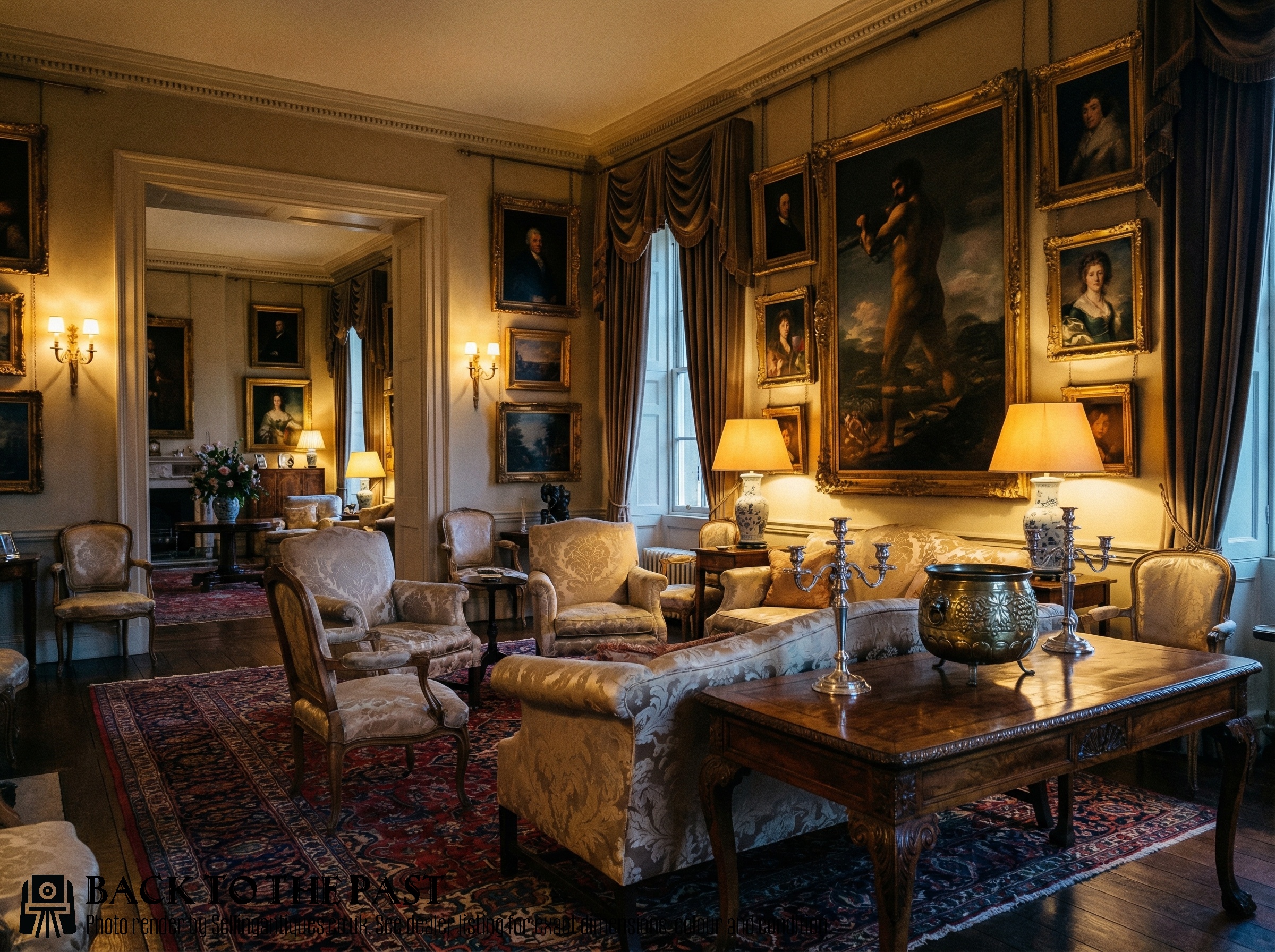
Victorian Brass Planter
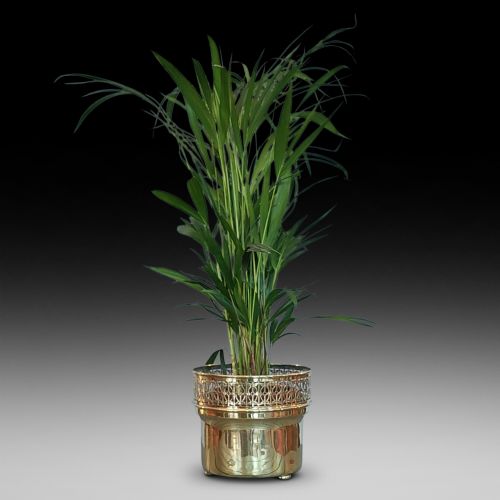
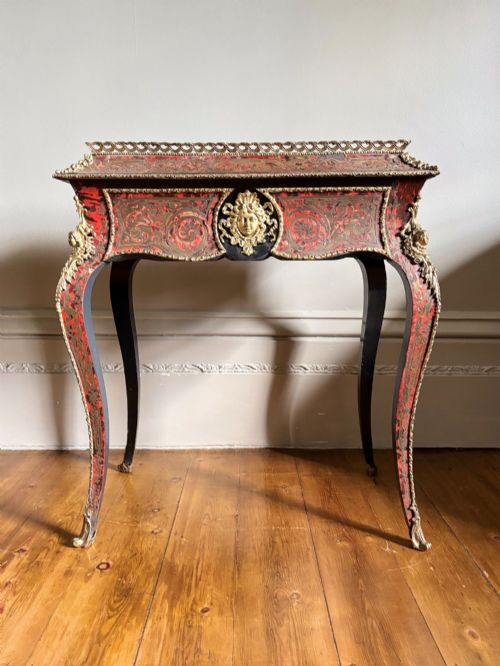
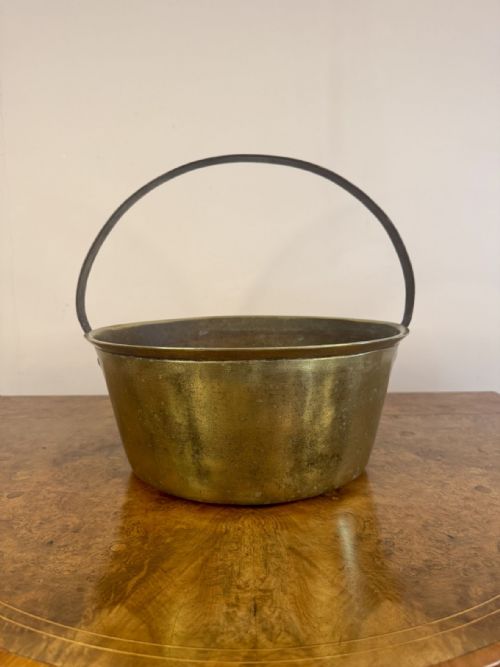
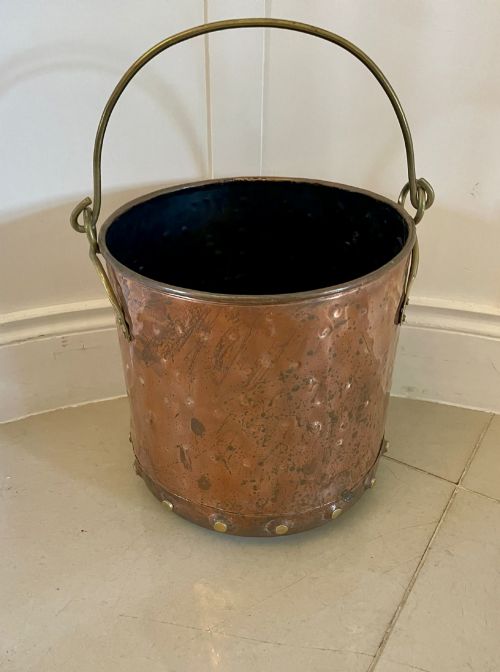
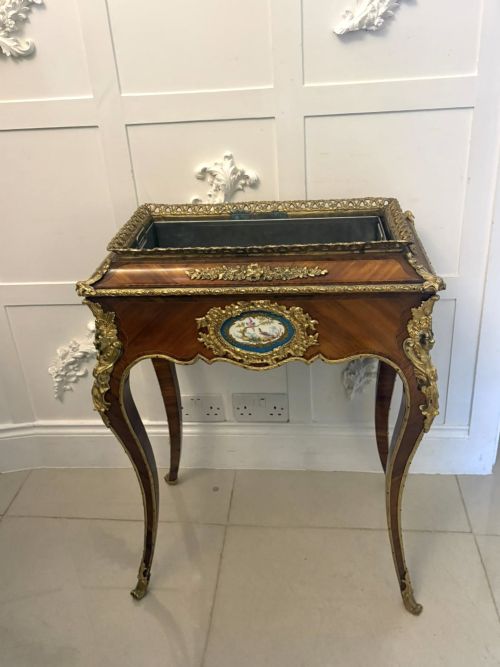
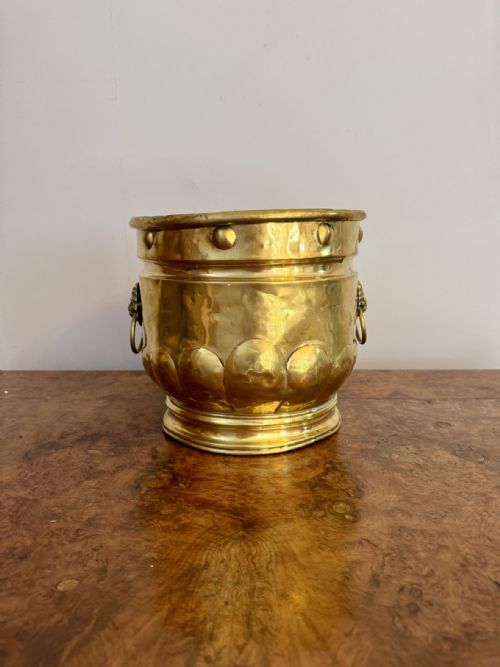
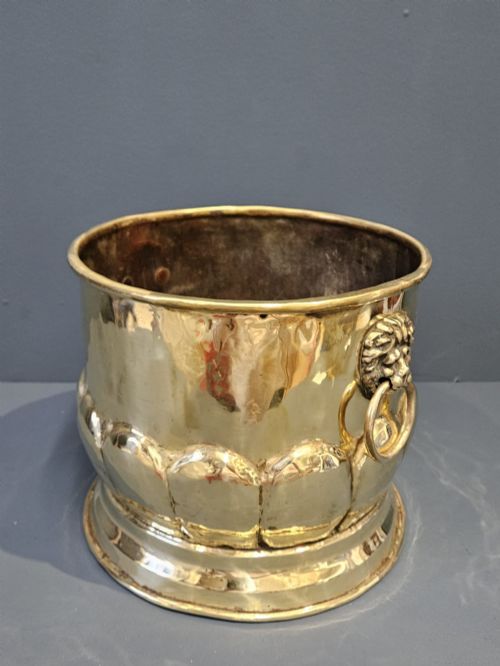
A victorian brass planter is a sturdy metal container designed to hold potted plants, ferns, or floral displays, frequently doubling as a log bin or wine cooler in nineteenth-century interiors. These pieces appear on this page in varied forms, including cylindrical jardinieres, heavy campaign buckets, and footed cachepots dating across the Victorian era and into the early twentieth century.
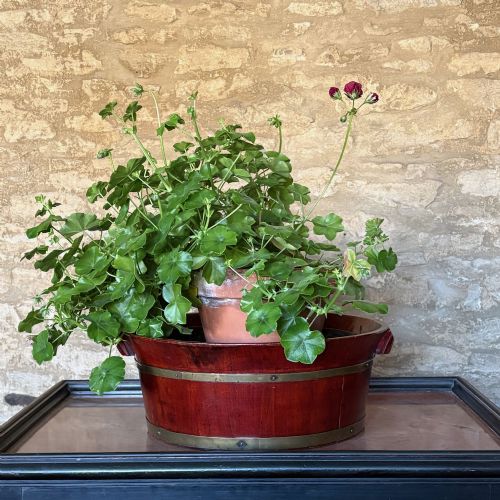
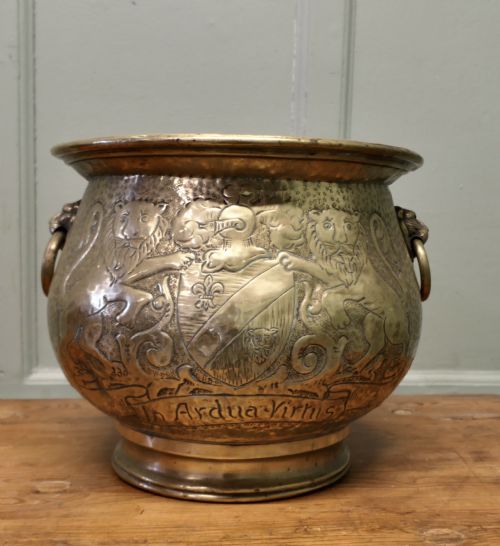
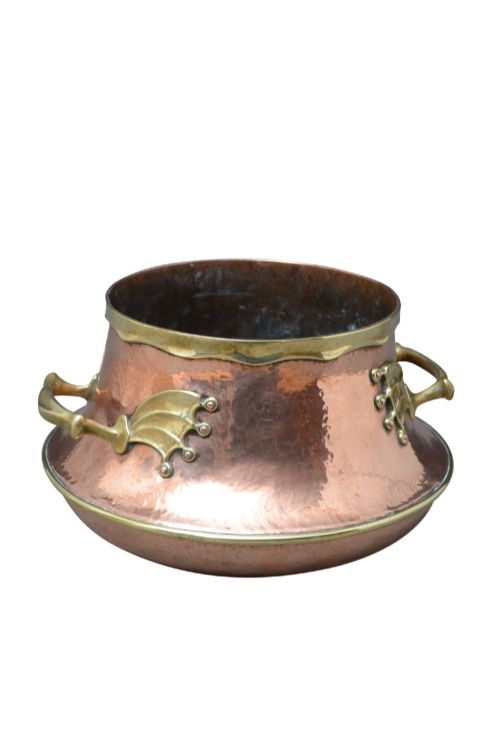
The version most commonly met here is an embossed or hammered brass body, often paired with contrasting copper bands, iron liners, or swing handles. Makers utilised diverse stylistic influences, ranging from Gothic Revival shields and Arts and Crafts simplicity to Anglo-Indian engraved motifs and Dutch floral patterns.
Materials and construction
Craftsmen built these vessels primarily from sheet brass and copper, sometimes integrating iron rivets, oak staves, and ormolu mounts to add structural integrity. Metalworking techniques included hand-hammering, piercing, embossing, and riveting, which transformed flat sheets into resilient cylinders and cauldrons.
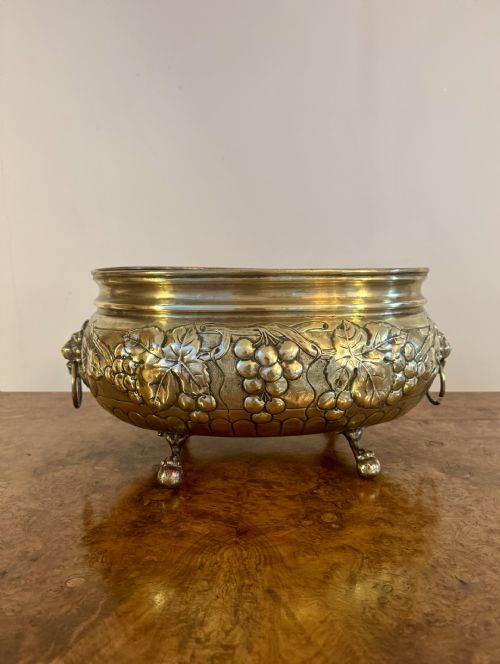
Wooden elements such as mahogany and oak appear coopered with brass bands, demonstrating traditional carpentry joined with metal smithing. Surface decoration relied on hand-engraving, chasing, and pressed borders featuring grape vines, crests, and floral patterns.
Victorian Brass Planter Retail Price Guide 2026
Typical asking prices for victorian brass planter among the pieces listed under this phrase on Sellingantiques today, from the lower quarter to the upper quarter. They describe what is for sale here now, not the wider market.
Several pieces double cheerfully as wine coolers, proving that nineteenth-century botanists and dinner guests shared the exact same priorities.
Distinctions in craftsmanship
Quality in a victorian brass planter rests on the thickness of the metal gauge, the crispness of the hand-chased or embossed detail, and the integrity of the joins. Superior examples display deep, deliberate hammering and robust handles secured with solid rivets rather than thin stamped attachments.
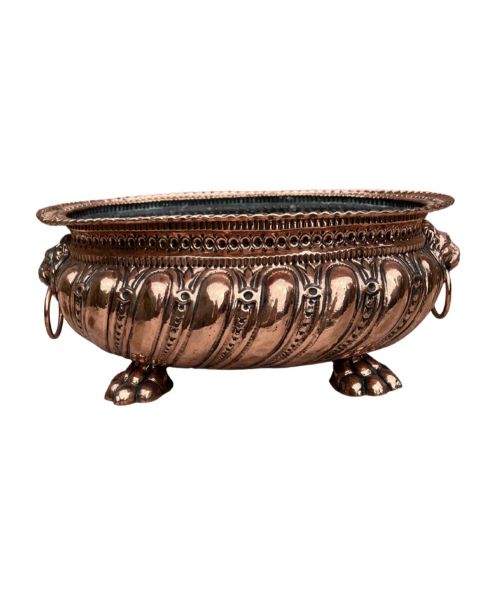
Design ambition separates utilitarian vessels from artistic commissions, with finer pieces incorporating cast brass lion mask handles, distinct heraldic crests, or complex Arts and Crafts execution. The presence of original liners and harmonious mixed-metal construction with copper bands further elevates a piece within its period.
Henry Loveridge·Petrus Ramus
The Victorian Brass Planter Glossary
- Jardiniere
- An ornamental pot or stand for holding flowers or plants. These large vessels frequently sat on the floor or on dedicated occasional tables.
- Cachepot
- A decorative outer pot or flowerpot cover designed to conceal a plain growing container. They lack drainage holes in the base to protect interior surfaces.
- Coopered
- Made by assembling staves of wood held together by tight metal hoops, much like a traditional barrel. Oak and mahogany planters often utilise this method.
- Embossed
- Decorated with raised patterns produced by hammering or pressing metal from the reverse side. This technique created the floral borders seen on many nineteenth-century examples.
- Ormolu
- Gilded bronze or brass applied as a decorative mount or foot. The finish provides a bright golden contrast against darker patinated brass bodies.
Victorian Brass Planter: Frequently Asked Questions
What were victorian brass planters used for?
These versatile metal vessels originally served multiple household functions beyond holding indoor potted ferns and floral arrangements. Victorians frequently utilised them as fireside coal scuttles, log bins, or wine coolers during dinner parties.
Their robust construction and waterproof nature made them practical for containing heavy fuel or ice alongside growing plants. Today, that dual utility allows owners to repurpose them easily as magazine holders or decorative waste bins.
How do I clean an antique brass planter?
Maintenance requires preserving the aged patina rather than polishing the metal to a bright, modern shine. Gentle dusting with a soft cloth and occasional washing with mild soapy water removes accumulated dirt without stripping the historic surface.
Avoid abrasive cleaners or harsh chemical dips that destroy the character accumulated over a century. A light application of microcrystalline wax can protect the metal from further oxidation in damp environments.
How do I tell early Victorian from late Victorian pieces?
Early Victorian examples often feature heavy gauge metal with simpler, classical proportions and hand-hammered surfaces. They tend to reflect traditional Georgian utility combined with early nineteenth-century domestic expansion.
Late Victorian and Arts and Crafts pieces frequently display more stylized botanical motifs, machine-assisted stamping, or specific aesthetic movement influences. Maker marks, when present, also help anchor a piece within a precise decade.