



Victorian Brass Jardiniere
A victorian brass jardiniere brings heavy metal plant housing and decorative vessels into domestic rooms with considerable presence.
Victorian Brass Jardiniere
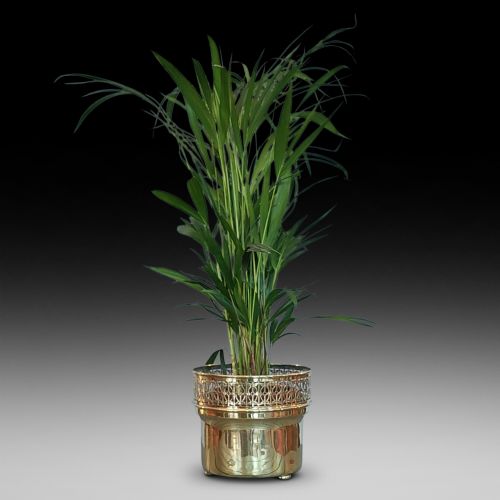
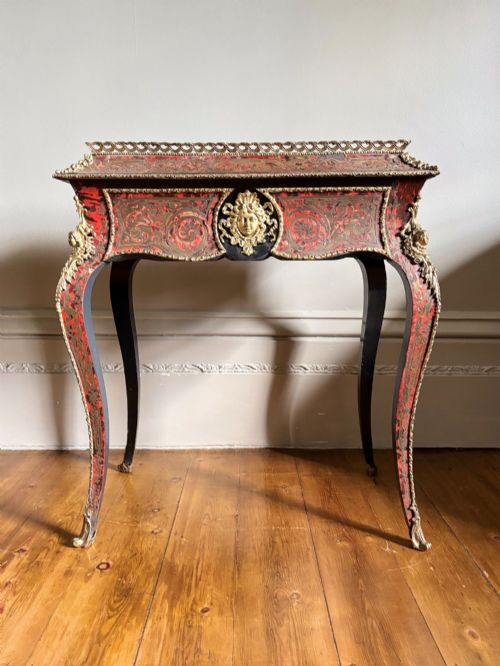
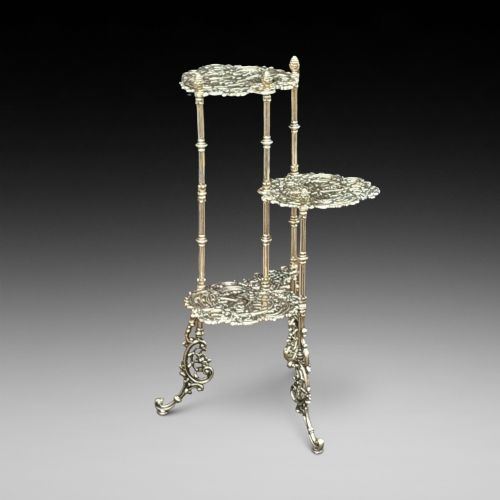
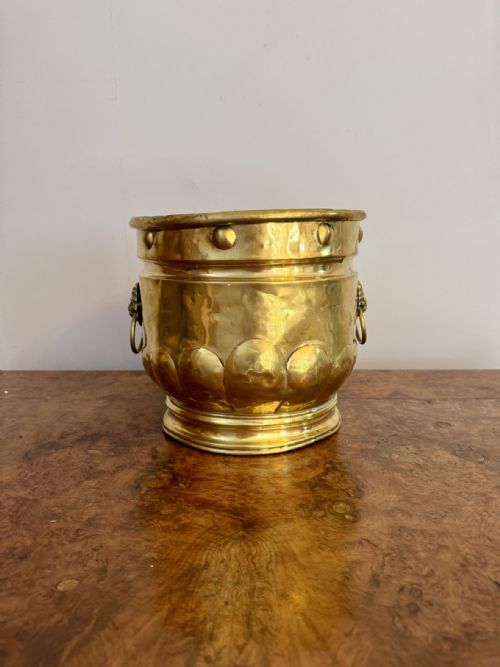
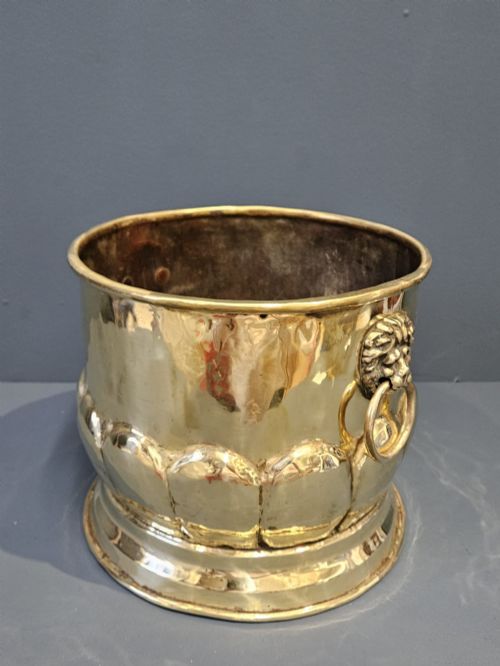
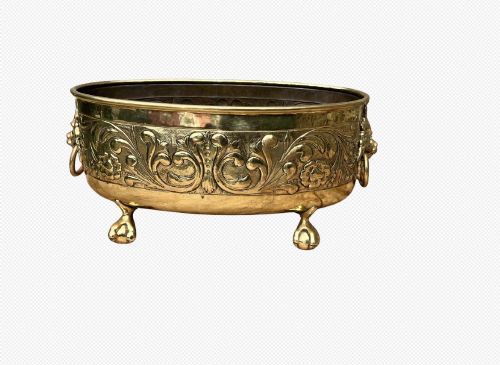
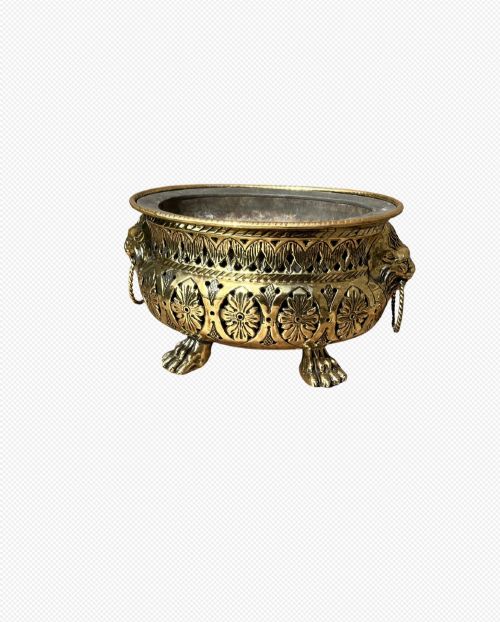
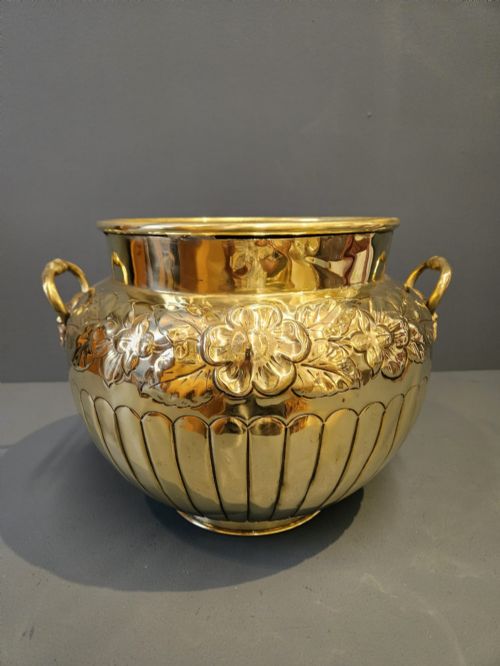
A victorian brass jardiniere is a plant receptacle designed to hold indoor foliage or function as a decorative vessel within nineteenth-century interiors. These pieces appear frequently as cylindrical or boat-shaped containers, often accompanied by matching stands or resting upon distinct feet.
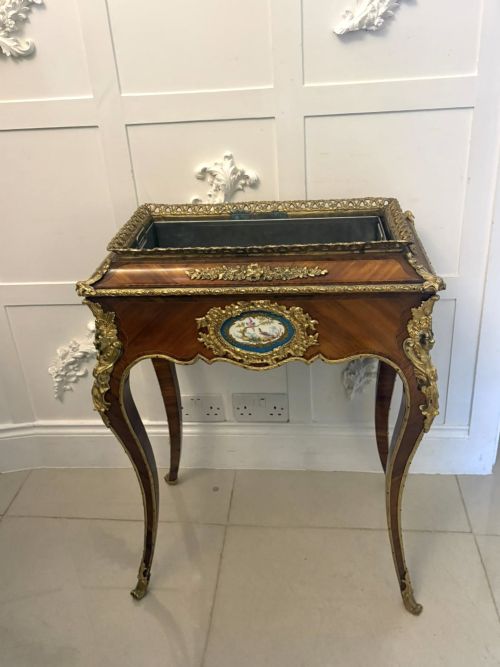
The selections span standard planters alongside multi-functional pieces described as wine coolers, log buckets, or occasional tables. Most examples date from the nineteenth century, drawing on Victorian manufacture alongside related global and revival styles.
How they were made
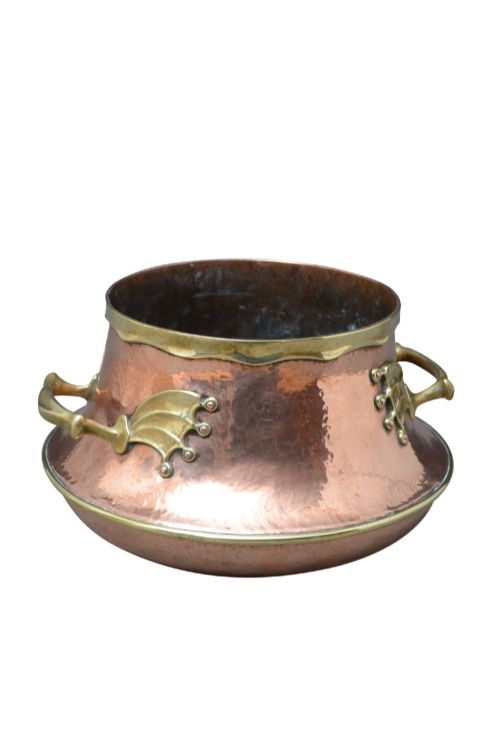
Metal fabrication relies primarily on brass and copper, sometimes combined with iron, bronze, or ormolu for structural components and decorative mounts. Timber elements such as walnut, rosewood, and kingwood appear alongside marble inserts in composite table forms.
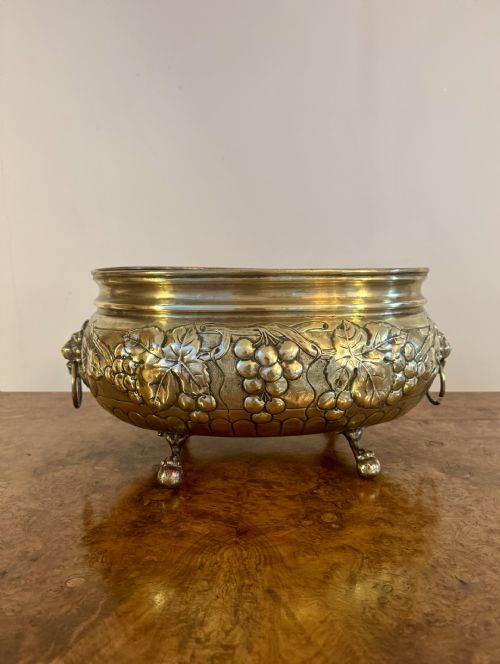
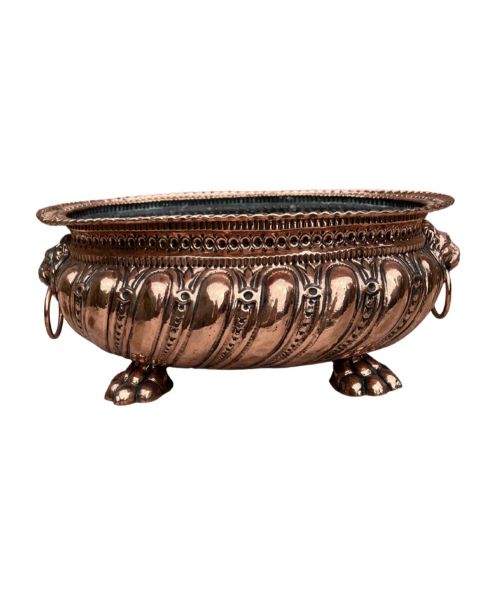
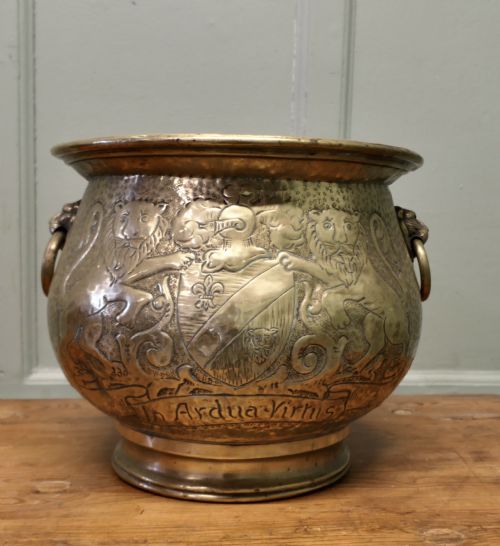
Surface decoration employs techniques including piercing, hammering, repoussé work, hand-engraving, and embossing to create shields, crests, masks, and animal motifs.
Victorian Brass Jardiniere Retail Price Guide 2026
Typical asking prices for victorian brass jardiniere among the pieces listed under this phrase on Sellingantiques today, from the lower quarter to the upper quarter. They describe what is for sale here now, not the wider market.
Look closely for the occasional owl or dolphin standing in for ordinary feet.
What varies in quality
Quality rests in the weight of the metal and the crispness of the surface ornament, distinguishing hand-worked repoussé or engraved detail from simpler pressed sheet metal. Finer examples display robust cast handles, distinct heraldic or figurative elements, and integrated stands that maintain structural integrity.
The choice of materials introduces variation, where solid brass or heavy copper vessels outlast thin constructions, and secondary elements like wood cooperage or detailed lion mask mounts elevate the decorative ambition of the piece.
The Victorian Brass Jardiniere Glossary
- Jardiniere
- An ornamental pot or stand designed to hold flowers or plants indoors. These vessels take various forms from simple bowls to large floor-standing units.
- Repoussé
- A metalworking technique where the metal is hammered from the reverse side to create a raised design in relief. This method produces textured surface patterns on decorative brass containers.
- Cachepot
- An outer pot used to conceal an ordinary flowerpot without a drainage hole. These containers keep interior surfaces dry.
- Dinanderie
- Medieval and later European brass and copper hollowware produced in towns like Dinant. The term describes decorative beaten metal vessels.
- Coopered
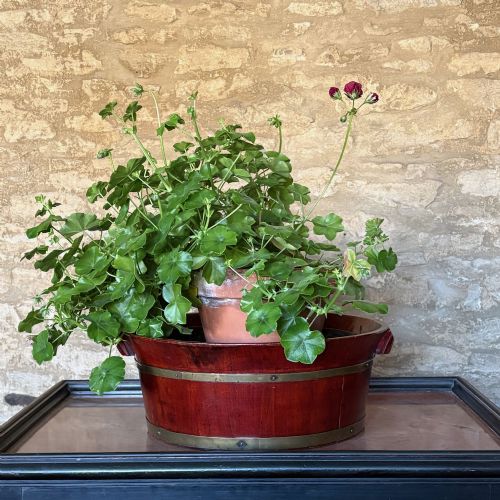
- Made by assembling curved wooden staves bound together with metal hoops. This technique appears in timber plant buckets and tea stoves.
Victorian Brass Jardiniere: Frequently Asked Questions
What is a jardiniere used for?
These vessels house potted plants and ferns indoors, keeping root systems contained while displaying foliage on tables or stands. They also function as decorative containers for storage or room dressing.
In period interiors, larger versions served secondary purposes as wine coolers or log buckets for hearths. Their waterproof metal construction accommodated ice or heavy fuel logs alongside greenery.
How do I date a brass jardiniere?
Dating relies on manufacturing techniques, material combinations, and stylistic motifs associated with nineteenth-century design periods. Hand-beaten surfaces and specific revival styles often point towards the middle or late Victorian decades.
Makers frequently incorporated Gothic, Arts and Crafts, or colonial decorative elements that help narrow the production era. Structural clues like joined seams and cast feet provide further chronological context.
Are all jardinieres made of brass?
While brass forms the primary metal across most examples, makers combined various materials including copper, bronze, and iron. Many pieces feature mixed media construction involving timber bodies or marble tops.
Copper appears frequently alongside brass for contrast, while occasional pieces introduce marquetry, walnut, or rosewood to transform the planter into a functional table.
Can I use these planters outdoors?
These interior decorative vessels are generally suited for indoor display in domestic rooms or conservatories. Placing them outside exposes historic metal surfaces and timber components to weathering.
Protecting the metal from excessive moisture preserves patination and prevents structural damage to composite materials such as wood cooperage or decorative mounts.