



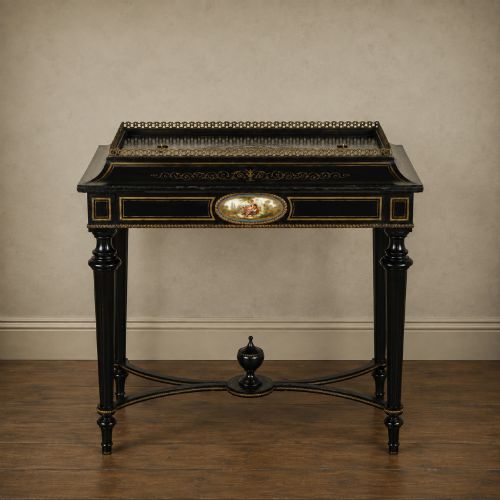
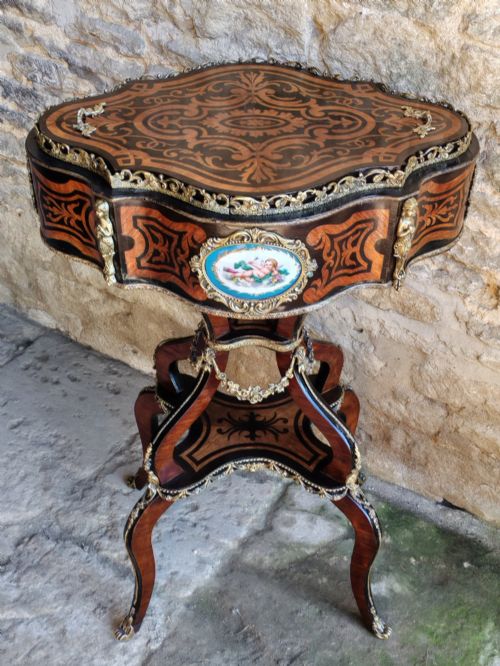


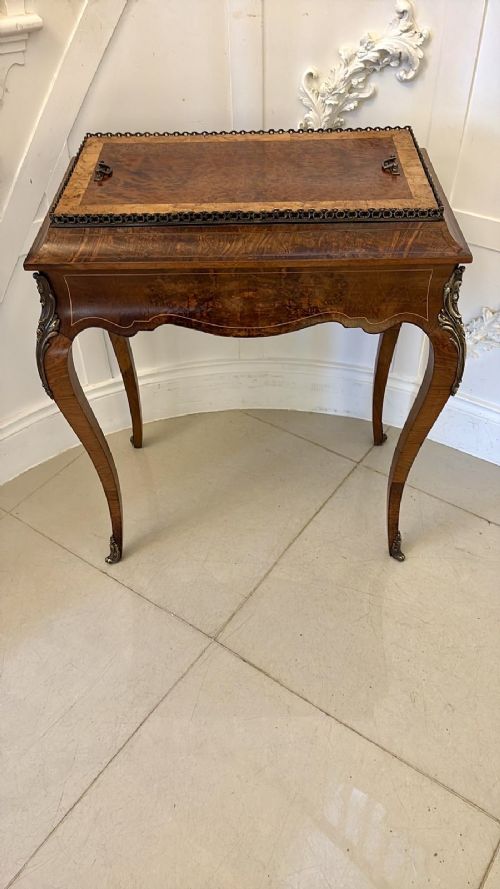


Brass Table Planter
A brass table planter brings period character to a room, offering a decorative vessel designed to hold floral arrangements or display indoor greenery.
Brass Table Planter
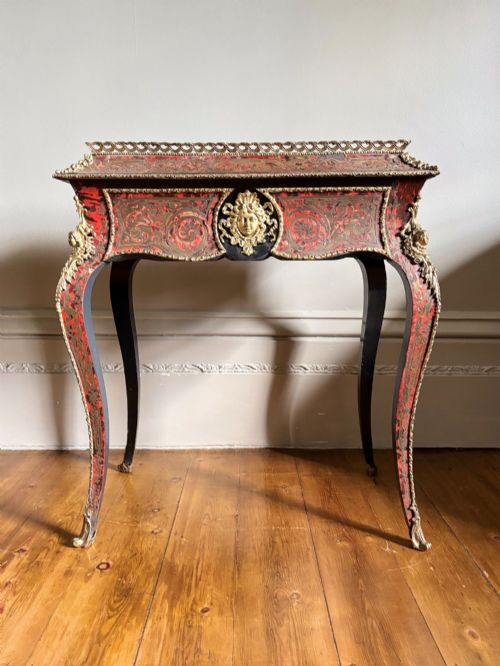
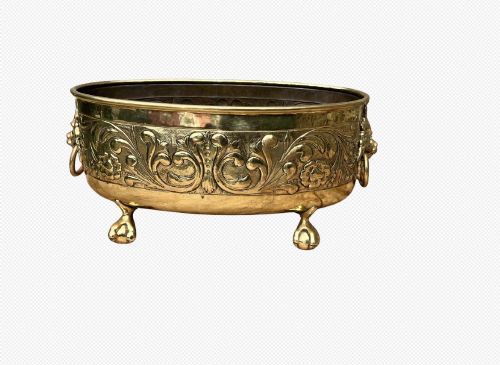
A brass table planter takes the form of a decorative container, jardiniere, or small table designed for displaying plants or serving as a wine cooler. These pieces emerge in various periods, most notably the nineteenth century, including Victorian examples and French Louis styles.
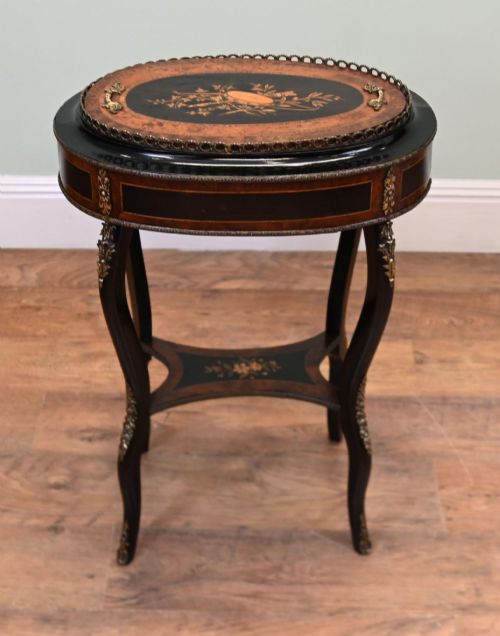
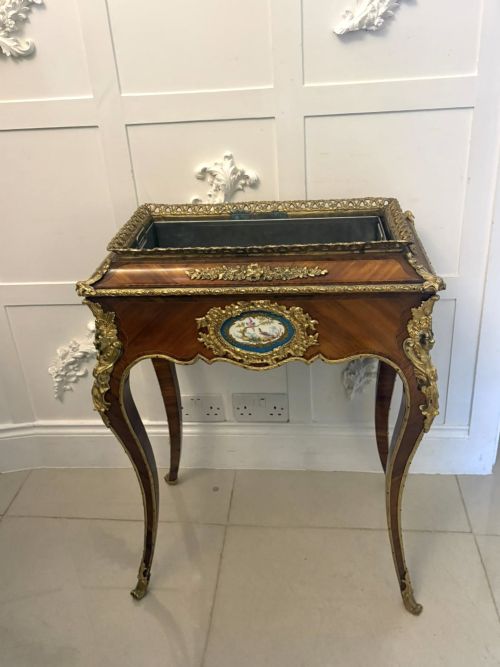
The version most commonly met on this page combines a brass or ormolu container with timber structures like walnut, mahogany, rosewood, kingwood, or ebonised wood. They appear as table-top vessels or as standing jardiniere tables fitted with liners.
Makers and craftsmen of the nineteenth century produced these planters with marquetry, inlay, and painted porcelain plaques. Forms range from simple nineteenth-century brass planters to elaborate boullework stands and lion paw feet.
How they were made
Makers utilised cast and sheet brass alongside ormolu mounts to form the primary planter vessels, often combining them with hardwoods such as walnut, satinwood, kingwood, and mahogany. Cabinetmakers constructed the supporting tables and stands using marquetry, ebonising, and intricate veneer work.
Decoration relied upon applied gilt metal mounts, painted porcelain plaques, and brass inlays embedded into wooden carcases. Artisans shaped these pieces to function simultaneously as plant holders and occasional side tables or wine coolers.
Brass Table Planter Retail Price Guide 2026
Typical asking prices for brass table planter among the pieces listed under this phrase on Sellingantiques today, from the lower quarter to the upper quarter. They describe what is for sale here now, not the wider market.
Listings feature items spanning the 18th century through the Victorian era, utilising brass, ormolu, walnut, kingwood, porcelain, and ebonised wood.
What varies in quality
The sophistication of the timber work and the crispness of the brass or ormolu mounts set finer examples apart from simpler productions. Pieces featuring detailed marquetry, fine boullework, or painted porcelain plaques demonstrate greater labour by the maker.
Structural complexity also distinguishes the range, moving from straightforward brass vessels to elaborate jardiniere tables fitted with matched timbers, inlaid veneers, and specialised cast feet such as lion paws.
The Brass Table Planter Glossary
- Jardiniere
- A decorative pot or stand for holding plants and flowers. These vessels often double as wine coolers in period settings.
- Ormolu
- Gilded bronze or brass applied as mounts and decorative trim on furniture and planters. This technique creates a bright metallic accent against dark woods.
- Boulle
- An elaborate form of marquetry using brass and tortoiseshell inlaid into wood. The style appears on nineteenth-century French stands.
- Marquetry
- Decorative patterns formed by fitting together small pieces of wood veneer. Craftsmen use this technique on the surfaces of walnut and kingwood planters.
- Ebonised
- Wood treated to imitate ebony, giving it a deep black finish. This dark surface contrasts sharply with applied brass and ormolu mounts.
Brass Table Planter: Frequently Asked Questions
How were brass table planters used?
These vessels held potted plants and floral arrangements inside nineteenth-century drawing rooms and parlours. Many designs doubled as wine coolers during dining occasions.
Their watertight liners protected the surrounding wooden furniture from moisture and soil. Owners placed them on tables, sideboards, or dedicated stands to bring greenery indoors.
What woods appear on these planters?
Makers constructed the bodies and stands using walnut, burr walnut, mahogany, rosewood, satinwood, and kingwood. Ebonised wood also appears frequently.
These timbers often feature contrasting veneers, marquetry inlay, or boullework. The grain and colour of the wood complement the polished brass and ormolu mounts.
How do I date a brass planter?
Dating relies on combining the stylistic evidence of the mounts, the framing timbers, and the manufacturing techniques. Nineteenth-century examples often reflect French Louis revivals or Victorian cabinetmaking.
Details such as ebonised finishes, porcelain plaque inserts, and cast brass feet point toward specific decades like the 1850s or 1880s.
Can I use them for plants today?
These planters accommodate modern potted plants, provided the interior metal liner remains intact and watertight. Placing a smaller plastic pot inside prevents direct contact with the antique metal.
They function well on side tables, desks, or windowsills as decorative focal points in a room.