





Brass Indoor Planter
These brass indoor planter pieces bring nineteenth-century planting vessels straight into modern rooms, offering a practical way to display houseplants with period character.

Brass Indoor Planter
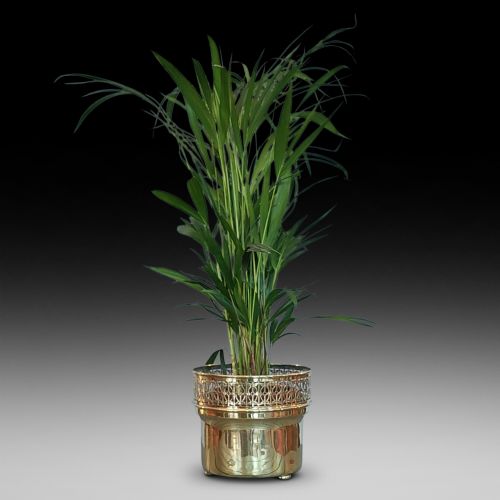
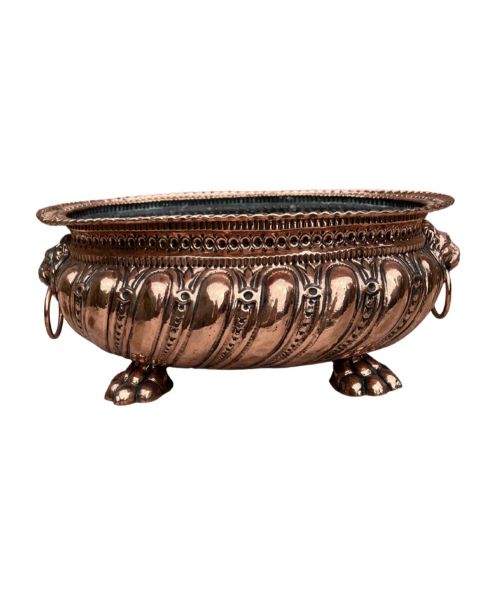
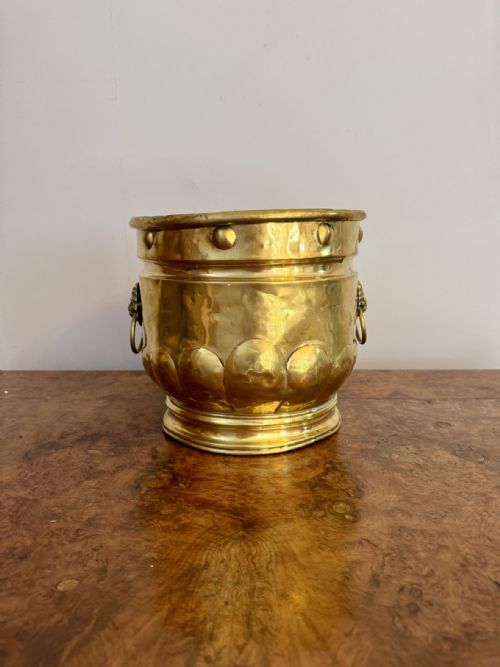
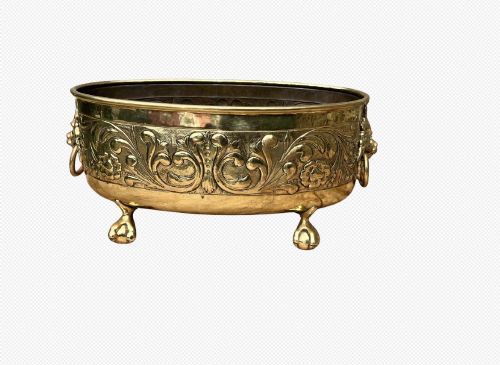
When you search for a brass indoor planter, you encounter a variety of nineteenth-century and early twentieth-century vessels designed to hold house plants. These pieces span Victorian and Edwardian periods, appearing alongside Anglo-Indian, Art Nouveau, and French styles.
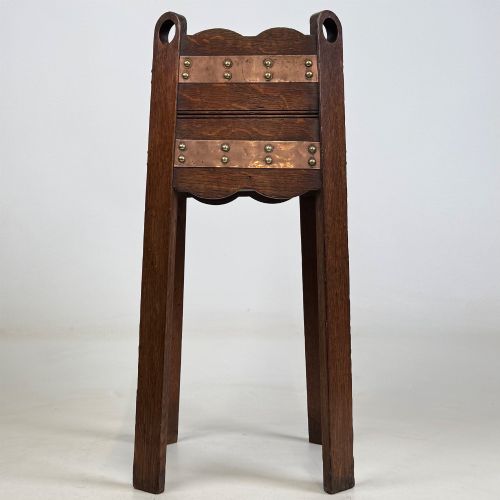
The most common forms on this page are jardiniere vessels and plant stands, alongside occasional watering cans and window sill pieces. Materials range from solid brass and hammered copper to inlaid woods mounted with metal.

Materials and construction methods
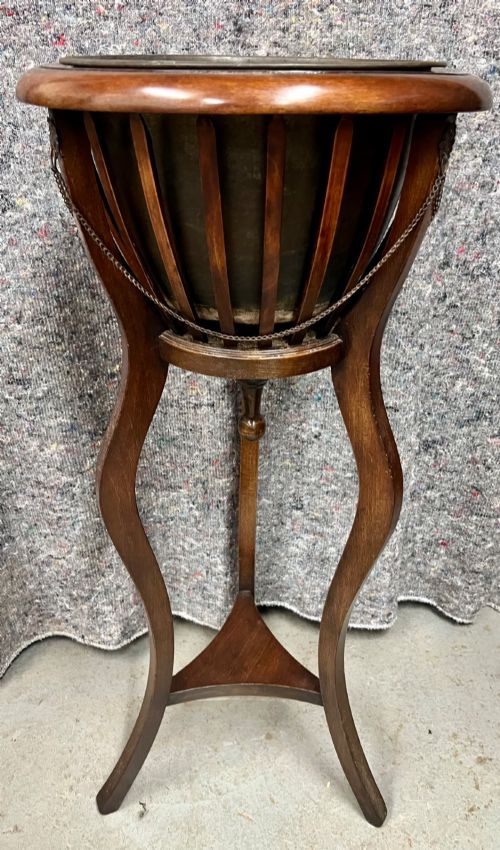
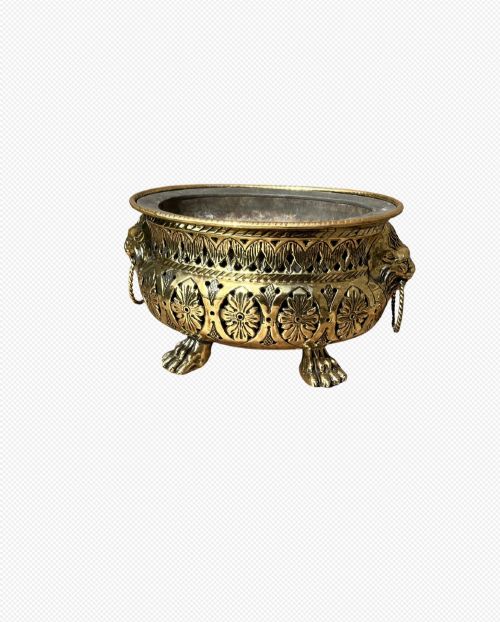
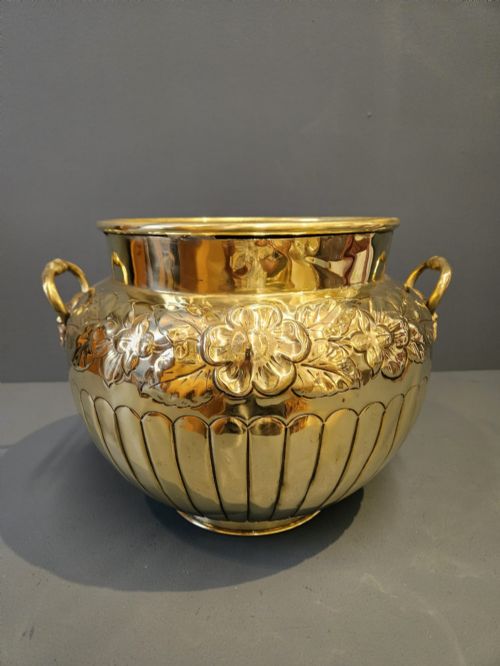
Maker techniques involve hand-engraving, piercing, embossing, and hammering sheet metals such as brass and copper. Many pieces combine metal bodies with wooden frames in mahogany, walnut, or ebonised wood.
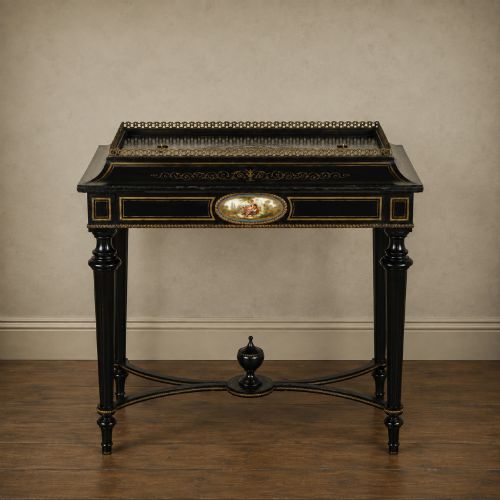
Some examples incorporate porcelain plaques, ormolu mounts, and zinc liners to hold soil and water safely. Construction styles vary from heavy cast brass handles to coopered wooden barrels banded in metal.
Brass Indoor Planter Retail Price Guide 2026
Typical asking prices for brass indoor planter among the pieces listed under this phrase on Sellingantiques today, from the lower quarter to the upper quarter. They describe what is for sale here now, not the wider market.
Several heavy brass vessels double as waste bins, proving nineteenth-century plants shared floor space with household rubbish.
Distinctions in execution and detail
The distinction between ordinary and superior pieces rests on the crispness of the hand-engraving, the weight of the metal, and the intricacy of pierced or embossed motifs. Art Nouveau examples depend heavily on the fluidity of their stylistic form.
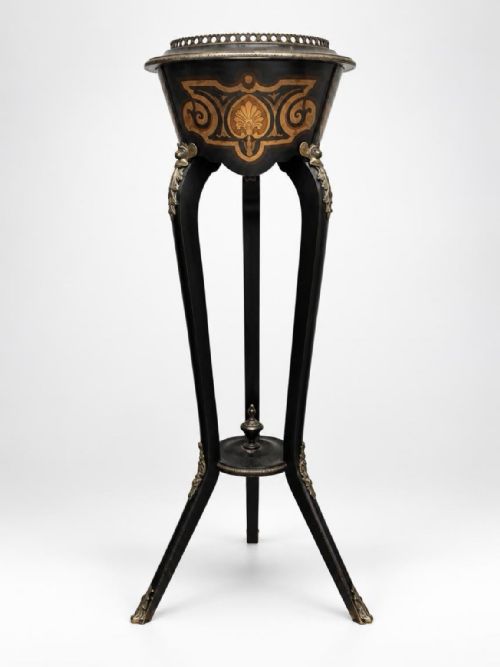
Cabinetwork quality separates simpler containers from elaborate inlaid wood jardiniere tables featuring marquetry and gilt metal mounts. The presence of matching pairs or original liners also alters the character of the object.
Orme Evans & Co
The Brass Indoor Planter Glossary
- Jardiniere
- An ornamental pot or stand for holding plants or flowers. These vessels form the majority of the metal and wooden plant containers found in nineteenth-century interiors.
- Cachepot
- An outer pot used to conceal an ordinary flowerpot. These decorative containers keep watering messes contained while displaying greenery in rooms.
- Dinanderie
- A term for various objects made of brass or copper, often associated with vessel work and decorative embossing. This descriptor covers certain embossed planters listed here.
- Ormolu
- Gilded bronze or metal mounts applied to furniture and decorative objects. French nineteenth-century stands frequently utilise these metallic details.
- Coopered
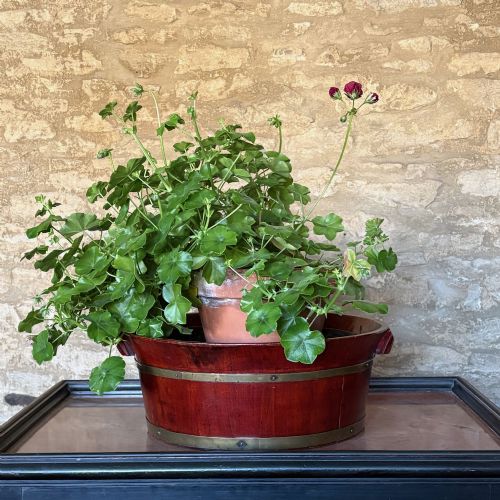
- Built from wooden staves bound together with metal hoops, much like a barrel. Oak examples utilise this traditional method.
Brass Indoor Planter: Frequently Asked Questions
What is a brass indoor planter?
A brass indoor planter is a nineteenth-century or Edwardian vessel designed to hold potted plants inside a home. They protect surfaces while adding decorative metalwork to interior spaces.
Most examples take the form of jardiniere bowls or tall plant stands. They were produced in styles ranging from plain Victorian brass to elaborate Art Nouveau designs.
How were these planters used historically?
Victorians used these vessels to bring outdoor foliage into parlours and drawing rooms. Potted ferns and palms sat inside the metal bowls to decorate domestic interiors.
Watering cans made of brass were kept nearby to tend to the plants. Window sill planters allowed urban households to grow greenery in limited spaces.
How do I care for a brass planter?
Houseplants should be placed inside a separate inner pot rather than planting directly into antique metal. This prevents moisture from sitting against the brass and causing corrosion.
Wiping the surface with a soft, dry cloth preserves the aged finish. Avoid harsh chemical cleaners that strip the historic patina.
How do I identify Victorian pieces?
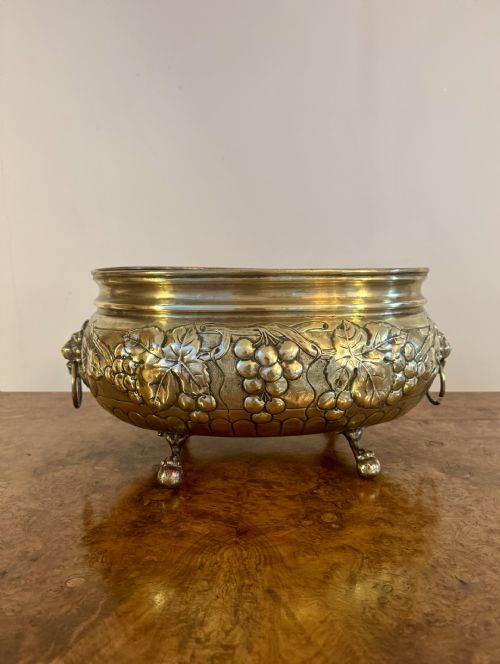
Victorian brass indoor planter pieces often feature heavy casting, lion mask handles, or hand-engraved patterns. They frequently date from the mid to late nineteenth century.
Design styles include Gothic revival elements, heavy geometric brass forms, and pierced metalwork. Makers also combined brass with walnut, mahogany, or ebonised wood during this period.