

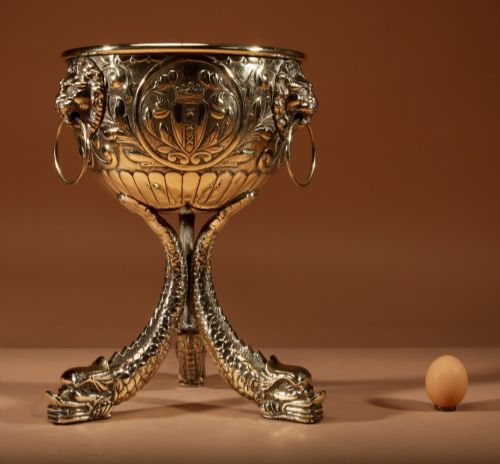



Brass Plant Holder
A brass plant holder brings gleaming metal and botanical life together, offering domestic interiors a focal point rooted in nineteenth and early twentieth century craftsmanship.
Brass Plant Holder
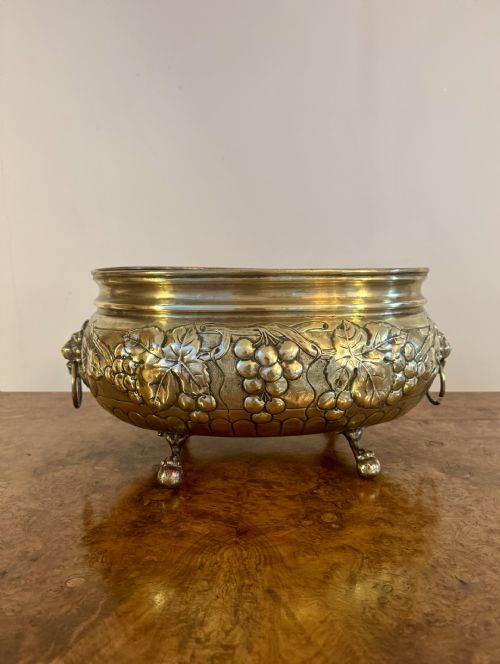
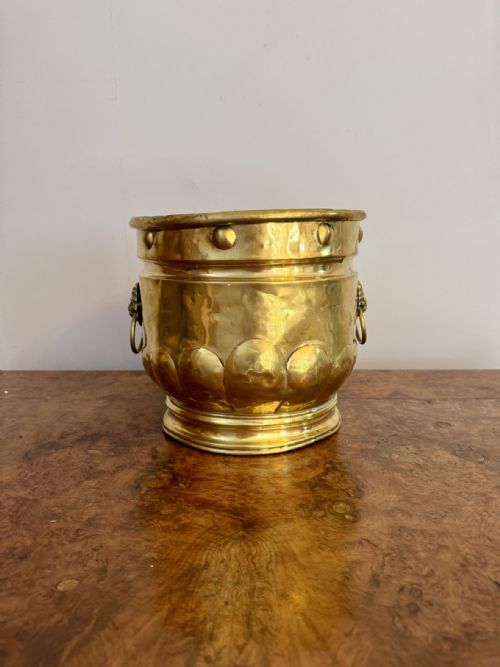
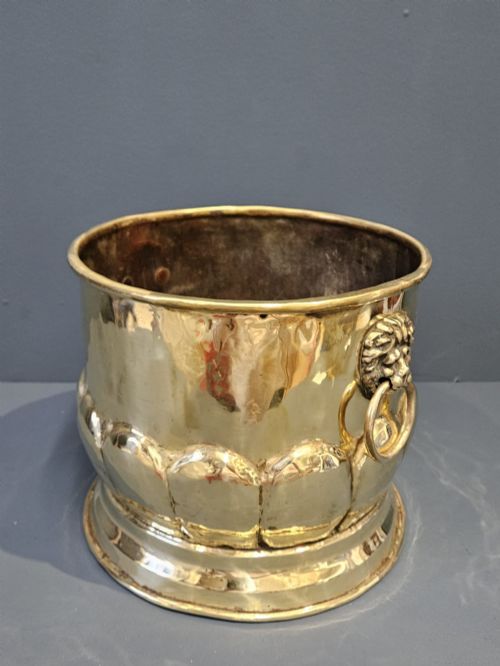
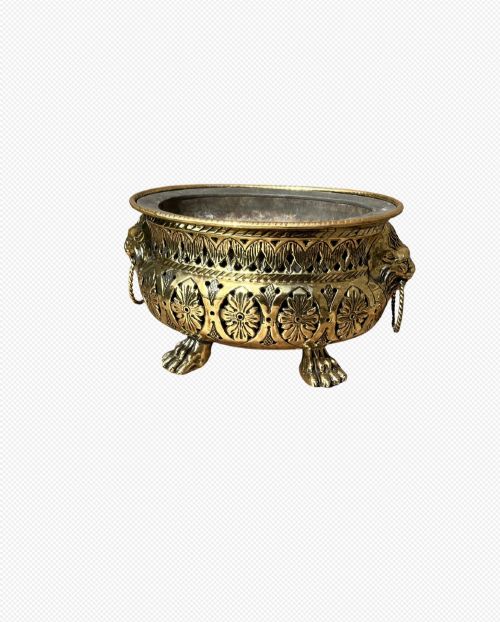
A brass plant holder serves as a decorative vessel designed to contain potted greenery, drawing on forms produced across the Victorian, Edwardian, and Art Nouveau periods. These objects appear frequently as jardinières, cachepots, and planters, often accompanied by dedicated stands or resting on paw feet and lion mask handles.
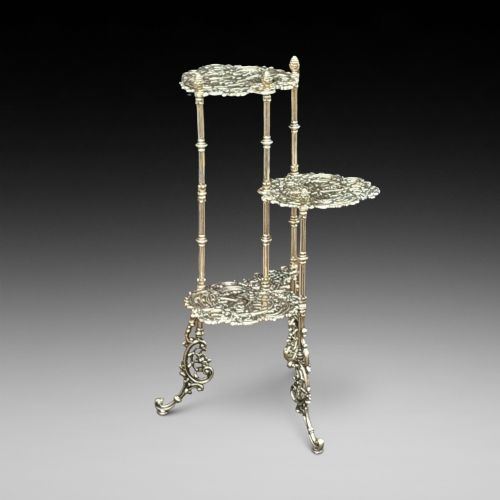
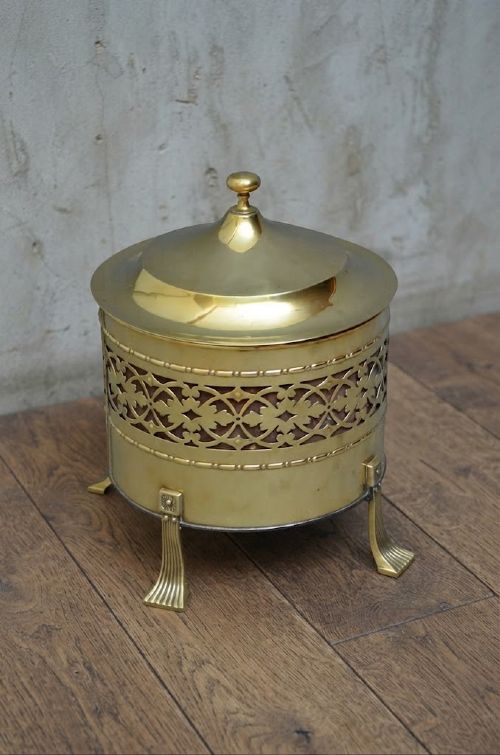
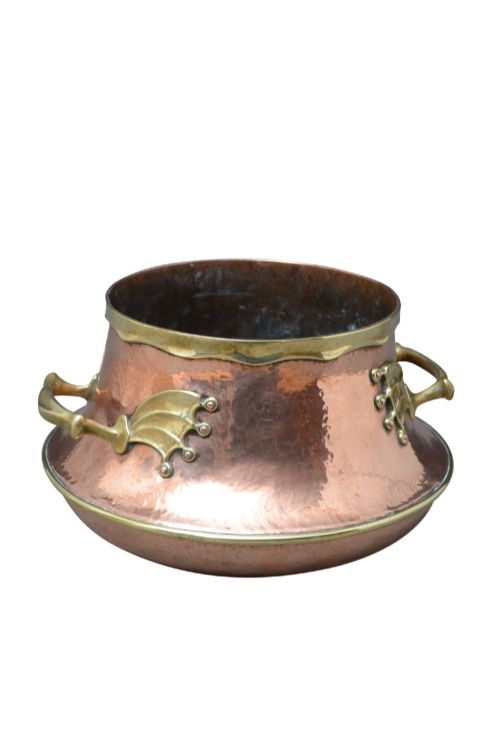
Makers of these vessels utilised mixed metals and timber frames, combining brass with copper, mahogany, oak, and marble to create substantial containers for the home. Such pieces range from simple cylindrical cylinders to elaborate, freestanding plant stands incorporating pierced galleries or repoussé decoration.
Materials and Construction
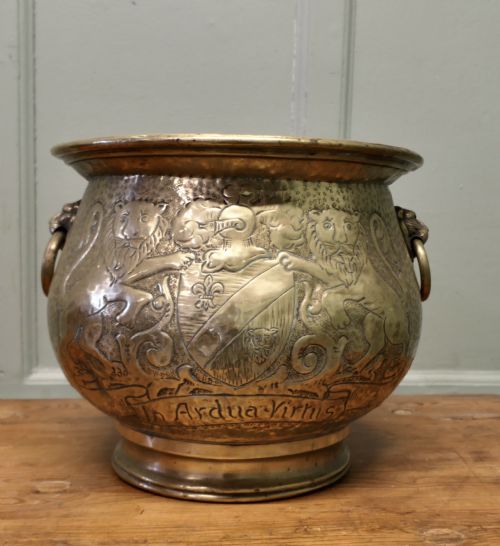
The manufacture of these vessels relies heavily on sheet brass and copper, shaped through hammering, spinning, or pressing to achieve structural rigidity and decorative relief. Workshops employed techniques such as repoussé and dinanderie to pattern the metal surface with floral motifs, crests, and animal heads.
Timber elements appear in coopered constructions using oak, mahogany, or box tree, bound with brass hoops to hold staves together securely. Metal components are frequently cast or pierced, creating intricate fretwork designs before being assembled with riveted or soldered joints.
Brass Plant Holder Retail Price Guide 2026
Typical asking prices for brass plant holder among the pieces listed under this phrase on Sellingantiques today, from the lower quarter to the upper quarter. They describe what is for sale here now, not the wider market.
Materials recorded across the inventory include polished brass, copper, cast metal, hammered finishes, and coopered oak or mahogany timbers.
Evaluating Quality and Craft
Quality reveals itself in the thickness of the metal gauge and the crispness of the hand-worked repoussé or cast detailing. Heavy, substantial vessels with finely chased handles and original matching stands represent superior production compared to lighter, stamped items.
The integration of mixed materials, such as contrasting copper panels on brass bodies or well-fitted wooden staves with solid brass banding, distinguishes finer workshop outputs. Preservation of the original surface patina and structural integrity without modern reinforcement further determines the standing of a piece.
J Sankey and Sons
The Brass Plant Holder Glossary
- Jardiniere
- An ornamental pot or stand for holding plants or flowers. These large vessels often sit on floor-standing frames or heavy pedestals.
- Cachepot
- A decorative outer pot placed over a plain flowerpot to conceal it. They lack drainage holes, requiring an inner container to catch excess water.
- Repoussé
- A metalworking technique where a design is hammered into relief from the reverse side. This method creates tactile, raised patterns across the body of the vessel.
- Dinanderie
- Medieval and later European brass or copper-alloy holloware. The term covers embossed, cast, and engraved decorative vessels produced by skilled metalworkers.
- Coopered
- Made with stave construction held together by metal hoops, similar to barrel-making. This technique appears in wooden plant stands and jardinières utilising oak or mahogany.
Brass Plant Holder: Frequently Asked Questions
What is a jardiniere?
A jardiniere is a large decorative container designed to house potted plants and flowers within domestic living spaces. These vessels function as ornamental centrepieces on tables, hearths, or dedicated floor stands.
Originating in nineteenth-century interiors, they allowed homeowners to display indoor ferns and palms with architectural polish. Their robust construction accommodates heavy soil and ceramic pots while adding metallic warmth to a room.
How do I care for antique brass?
Antique brass requires gentle dusting and occasional cleaning with appropriate metal care products to maintain its surface integrity. Avoid harsh chemical polishes that strip away the aged patina built up over decades.
Protect the inner lining from moisture and damp soil to prevent corrosion of the base metal. Using a removable plastic insert inside the vessel safeguards the historic interior from water damage.
How do I date a brass planter?
Dating relies on observing manufacturing marks, stylistic cues, and assembly methods characteristic of specific decorative eras. Victorian pieces often feature heavy cast handles and Gothic or floral repoussé, while Art Nouveau examples display characteristic fluid lines.
Examine the construction of the seams, screws, and fixings for signs of period manufacturing techniques. Hand-beaten surfaces and specific maker stamps help narrow the production window to the nineteenth or early twentieth century.
Where should I place a plant stand?
Plant stands work effectively in corners, near light-filled windows, or flanking fireplaces to introduce verticality and botanical interest. Freestanding jardinière stands elevate plants off the floor, framing greenery as sculptural objects.
Ensure the floor surface is level and capable of supporting the weight of a heavy metal vessel filled with earth. Pairing the stand with trailing foliage accentuates the height and form of the antique base.