


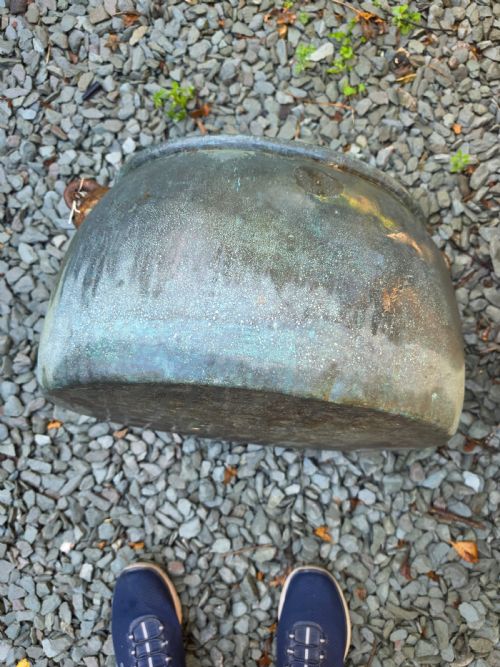
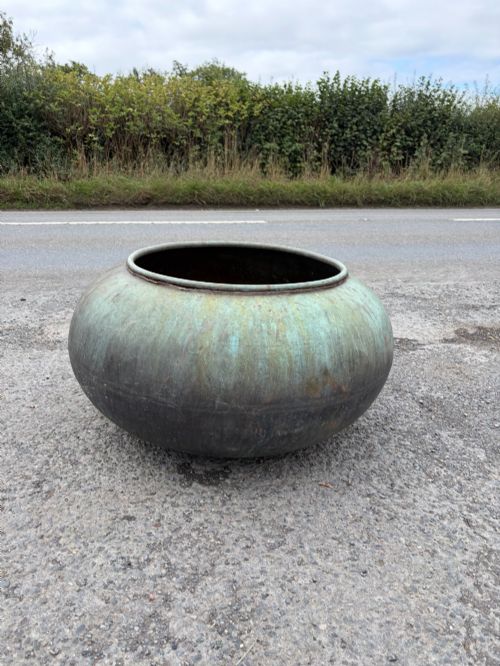
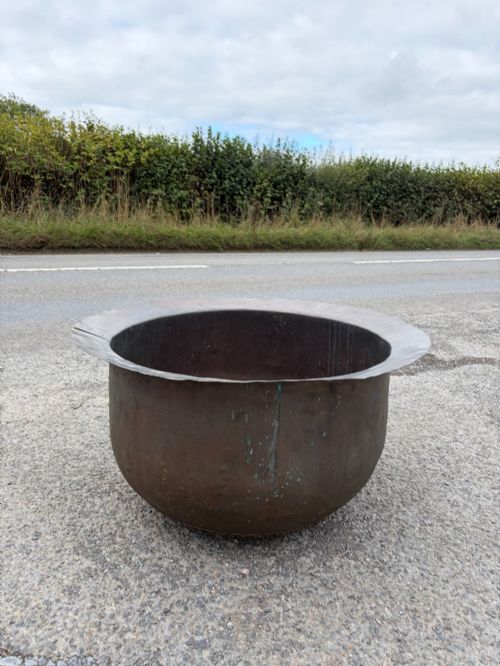
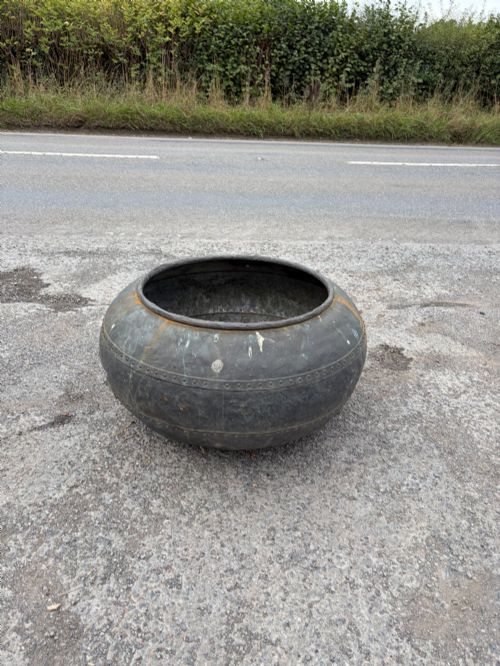
Victorian Metal Planter
These Victorian metal planter pieces deliver robust utility and enduring decorative character for garden or interior settings.

Victorian Metal Planter
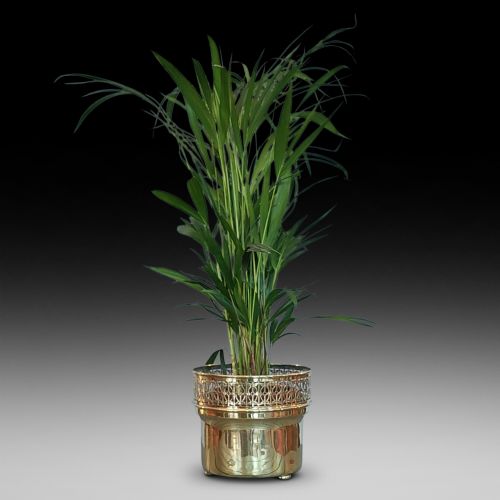
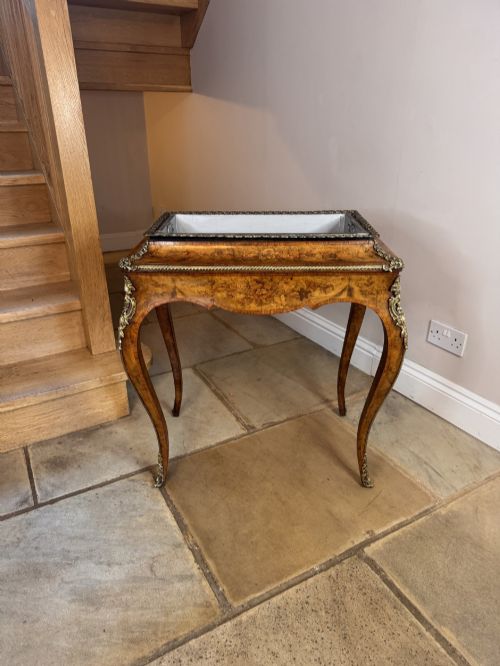
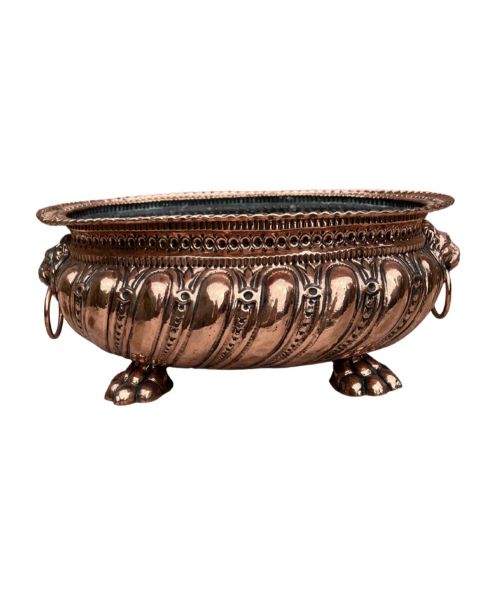
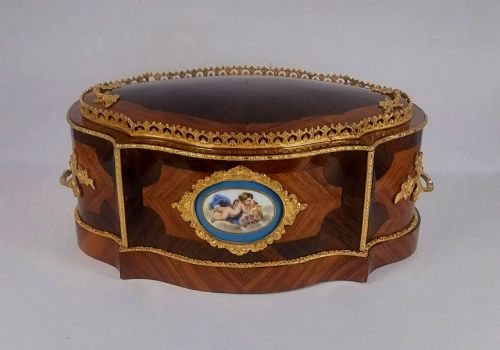
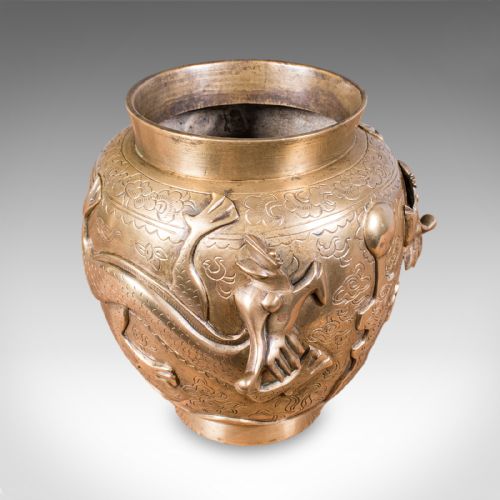
When you search for a victorian metal planter, you encounter robust vessels created for botanical display, practical storage, and structural garden ornamentation. The forms span functional garden urns, jardinieres, plant stands, log bins, and heavy cachepots.
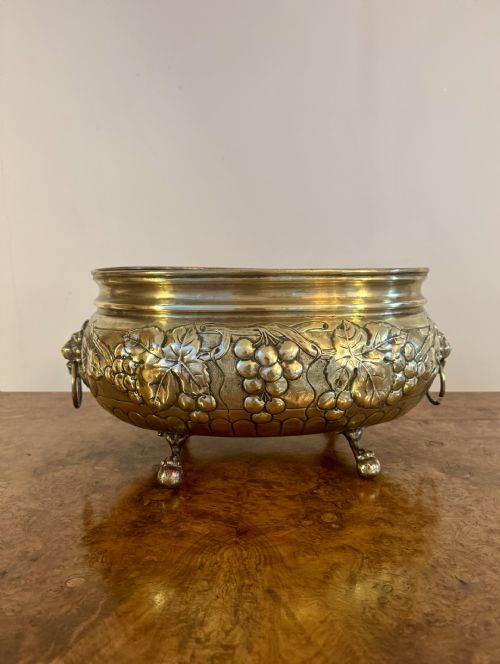
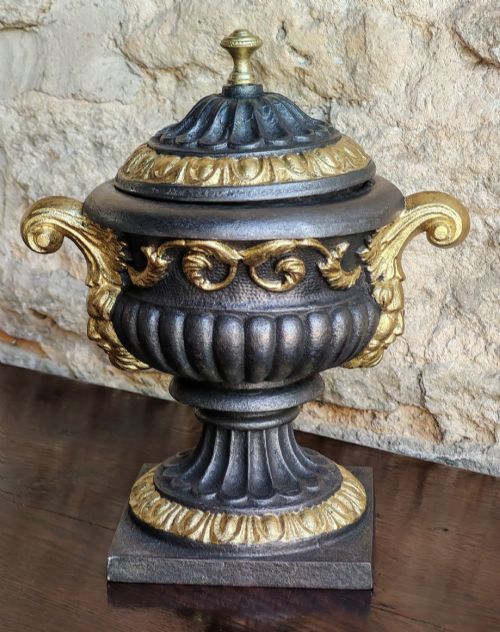
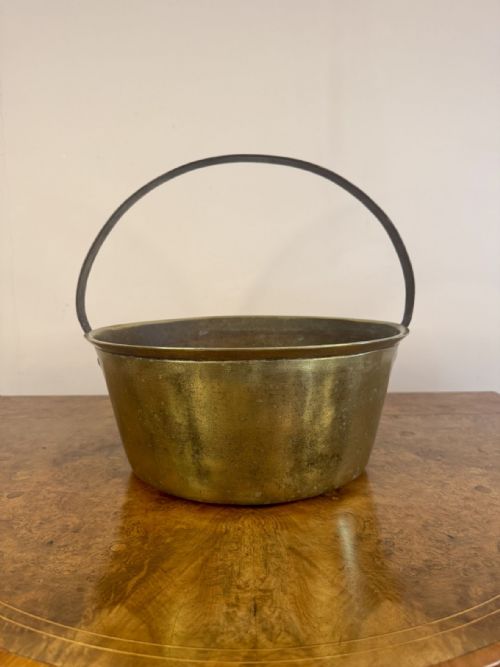
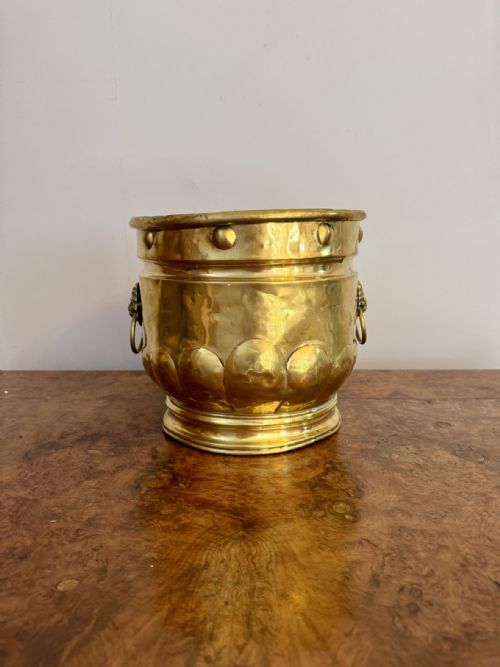
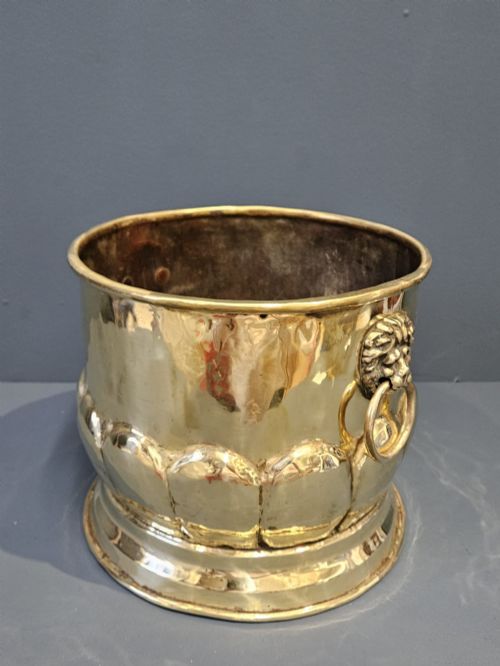
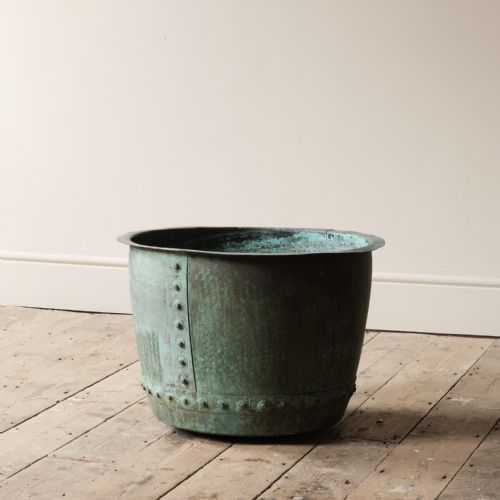
Most examples originate from the nineteenth century, reflecting periods such as the Victorian era, alongside related nineteenth-century country and Edwardian styles. The selection frequently includes heavy cast iron garden urns, riveted copper pots, and embossed brass jardinieres.
Makers and foundries utilised these metal vessels for both grand estate gardens and domestic coal storage, adapting sturdy industrial techniques for decorative use. You meet pieces designed to weather outdoors on stone pedestals alongside polished brass vessels intended for parlour hearths.
How they were made
Foundries cast heavy iron into moulds to produce durable garden urns, Campana vessels, and structural plant stands. Workers then finished these cast iron objects with protective paint or allowed them to weather naturally over decades.
Sheet copper and brass were beaten, hammered, or spun into vessels, often joined by hand-riveting to secure seams on large pots and log bins. Artisans added decorative detail through embossing, piercing, and pairing contrasting metals like copper bodies with brass handles and bands.
Victorian Metal Planter Retail Price Guide 2026
Typical asking prices for victorian metal planter among the pieces listed under this phrase on Sellingantiques today, from the lower quarter to the upper quarter. They describe what is for sale here now, not the wider market.
What varies in quality
The distinction between standard utility vessels and superior examples rests in the crispness of casting detail on iron urns and the depth of hand-hammered relief on brass and copper bodies. Heavier gauge metals and robust construction indicate higher grade manufacturing designed to endure heavy garden use.
Workmanship shows in the refinement of applied crests, decorative shields, scrollwork, and riveted seams that maintain structural integrity while offering aesthetic appeal. Original patination, such as rich verdigris on copper or weathered surfaces on cast iron, adds authenticity compared to later alterations.
Henry Loveridge·Andrew Handyside·Coalbrookdale
The Victorian Metal Planter Glossary
- Jardiniere
- An ornamental pot or stand designed to hold flowers or plants, typically manufactured from brass, copper, or ceramic during the nineteenth century. These vessels often sat on parlour tables or hearths rather than outdoors.
- Campana Urn
- A bell-shaped garden vessel with a flared rim and footed base, frequently cast in iron for classical garden display. Pairs of these urns commonly sat on stone pedestals in nineteenth-century landscapes.
- Log Bin
- A large metal container, usually fashioned from heavy copper or brass with riveted seams, utilised for storing fireplace fuel. Many survive today repurposed as planters.
- Cachepot
- An ornamental pot used to conceal a plain flowerpot, preventing water damage to interior surfaces. These items frequently appear in pierced or embossed brass.
- Patina
- The surface appearance acquired by metals through age, oxidation, and weathering over long periods. A rich natural patina on copper and iron signals authentic nineteenth-century exposure.
Victorian Metal Planter: Frequently Asked Questions
How were Victorian metal planters used originally?
Nineteenth-century households utilised these metal vessels in multiple ways, ranging from heavy cast iron urns planted in formal gardens to polished brass jardinieres holding indoor ferns.
Larger copper pots and riveted vessels served practical roles as wash tubs or coal bins beside the hearth before finding new life as decorative planters.
Can I leave cast iron urns outside?
Cast iron garden urns are engineered to withstand outdoor conditions, making them well-suited for permanent placement in gardens, courtyards, and patios.
Over time, exposure to the elements develops a stable weathered surface and protective patina on the metal.
What is the difference between a jardiniere and a cachepot?
A jardiniere generally functions as a standalone ornamental vessel for direct planting or holding arrangements, often displayed prominently on tables or plant stands.
A cachepot is specifically designed to slip over a plain inner flowerpot to catch drainage water and hide utility pots.
How do I care for antique brass and copper?
Maintaining nineteenth-century brass and copper requires gentle dusting and occasional cleaning depending on whether you prefer a bright polished finish or a preserved dark patina.
Harsh chemical abrasives should be avoided to protect the original hammered surfaces and hand-riveted seams.