



Copper Plant Pot
A copper plant pot brings warmth and texture to an interior, combining practical horticulture with decorative metalwork.
Copper Plant Pot
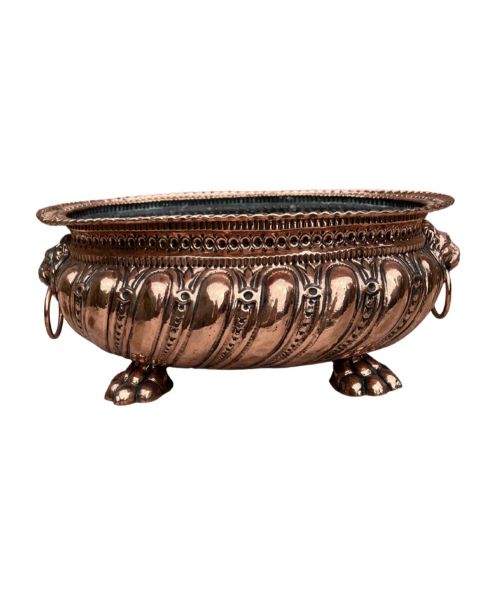
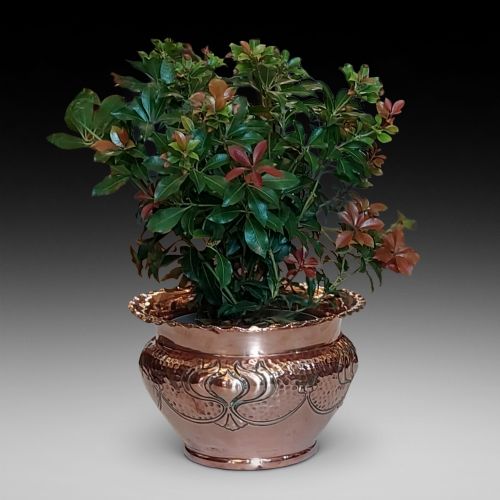
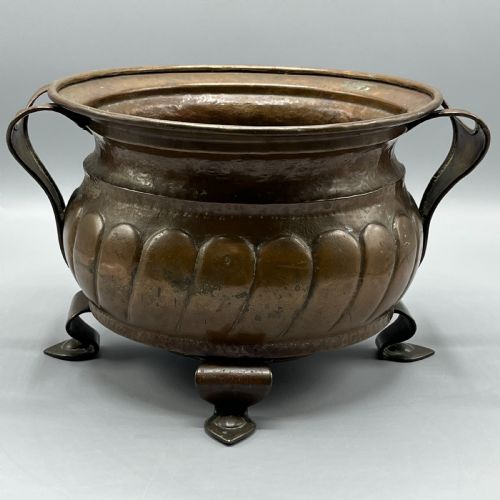
A copper plant pot encompasses items described across the trade as planters, jardinieres, and vessels. These pieces range from compact indoor pots to large nineteenth-century tubs and troughs used for greenery.
The selections span distinct historical periods including the Victorian era, the Edwardian period, and the year nineteen hundred. You will frequently encounter styles rooted in the Arts and Crafts movement and Art Nouveau design.
Makers and manufacturers produced these items for domestic interiors, utilising durable metal sheets for practical plant display. The forms vary from round vessels to rectangular window troughs.
How they were made
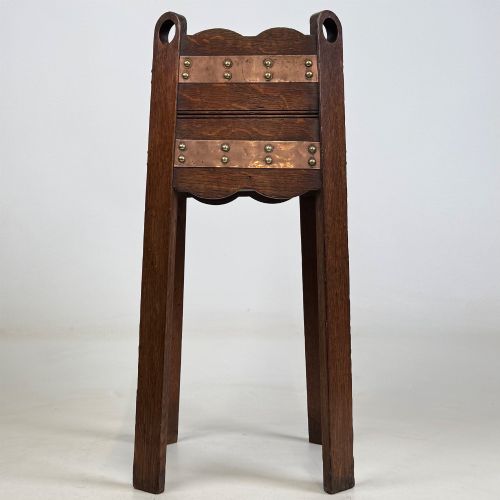
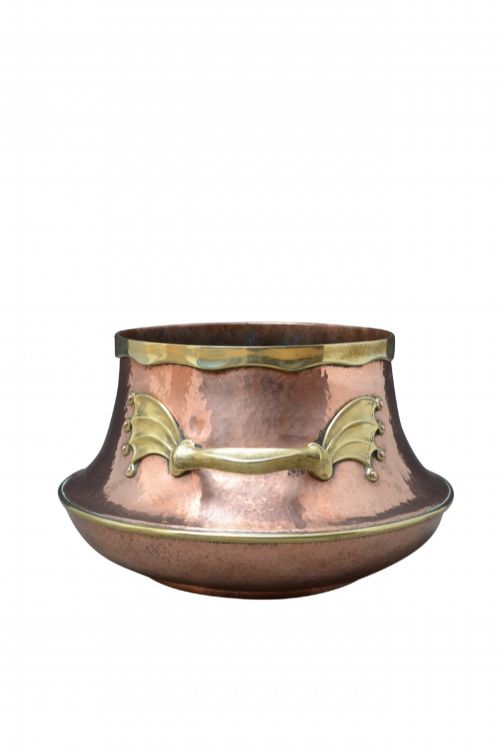
Makers utilised solid copper sheet metal, frequently combining it with brass trims or handles. Riveted construction appears on rectangular planter troughs, securing the heavy gauge metal plates together.
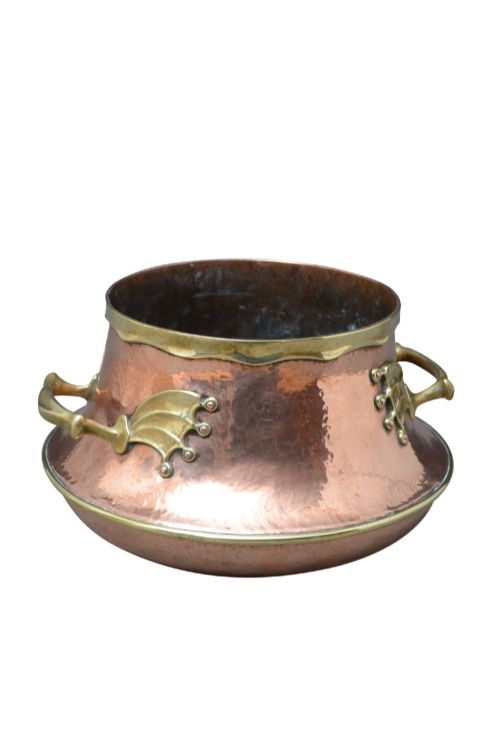
The manufacturing process involved shaping copper into deep vessels or jardiniere forms, sometimes showing the distinctive hand-beaten textures characteristic of the Arts and Crafts period.
Copper Plant Pot Retail Price Guide 2026
Typical asking prices for copper plant pot among the pieces listed under this phrase on Sellingantiques today, from the lower quarter to the upper quarter. They describe what is for sale here now, not the wider market.
Some heavy Victorian copper pots led a double life, serving equally well as planters or champagne bucket baths.
What varies in quality
Quality rests upon the gauge of the copper sheet and the robustness of the construction, distinguishing heavy-gauge vessels from lighter domestic items. Superior examples display careful handling of joins, rivets, and any associated brass fittings.
Design execution separates standard utilitarian pots from those bearing specific artistic movements. Pieces exhibiting distinct Art Nouveau whiplash lines or Arts and Crafts hand-worked surfaces demonstrate greater stylistic ambition.
Henry Loveridge
The Copper Plant Pot Glossary
- Jardiniere
- An ornamental pot or stand for holding plants or flowers. This term appears frequently in descriptions of nineteenth and early twentieth-century metal vessels.
- Arts and Crafts
- A design movement valuing handcraftsmanship and simple forms over mass production. Pieces from this era often display visible hammer marks and solid copper construction.
- Art Nouveau
- A style characterised by fluid, organic lines and floral motifs. Items from this period integrate naturalistic curves into the metalwork of the planter.
- Gauge
- The thickness of the sheet metal used in construction. Heavy gauge copper indicates a more substantial, rigid vessel.
- Verdigris
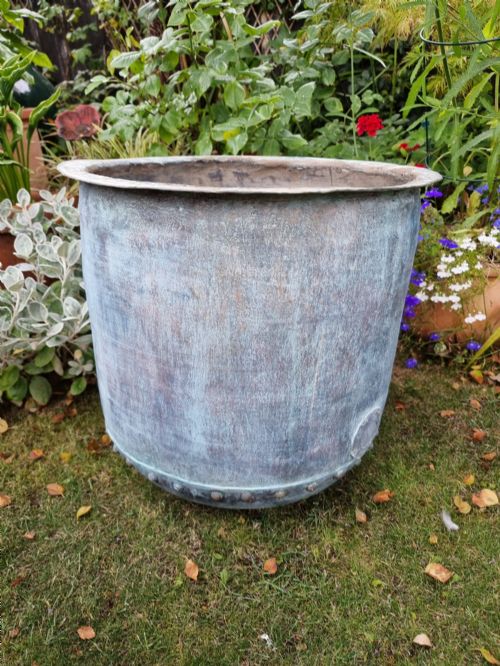
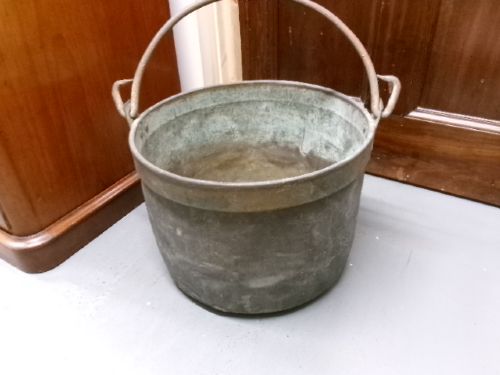
- The green patina that forms naturally on copper over time through atmospheric oxidation. This surface aged effect adds distinct coloration to antique pieces.
Copper Plant Pot: Frequently Asked Questions
What is a jardiniere?
A jardiniere is simply a decorative pot designed to hold a plant, usually displayed indoors rather than planted directly into the earth.
These vessels often sat on tables or plant stands within Victorian and Edwardian parlours.
How do I care for antique copper?
Antique copper requires gentle dusting and occasional cleaning if you wish to maintain a bright metallic sheen. Many owners prefer to leave the natural aged patina and verdigris undisturbed.
Avoid harsh abrasive polishes that can remove the historical surface character built up over decades.
Can I plant directly inside them?
While these pots were made to hold plants, historical metal vessels can be sensitive to damp soil and constant moisture. Using a plastic liner or nursery pot inside the copper container protects the interior metal.
This method prevents mineral build-up and water staining while keeping your greenery secure.
How do I date a copper planter?
Dating relies on stylistic clues such as the flowing organic lines of Art Nouveau or the hand-beaten surfaces associated with the Arts and Crafts movement. Victorian and Edwardian examples often feature construction methods like heavy riveting.
Comparing the form and manufacturing details to documented pieces helps narrow down the period of production.