



Polished Copper Jardiniere
A polished copper jardiniere brings warm metallic lustre and generous planting depth to interiors, spanning Victorian through Art Deco periods.

Polished Copper Jardiniere
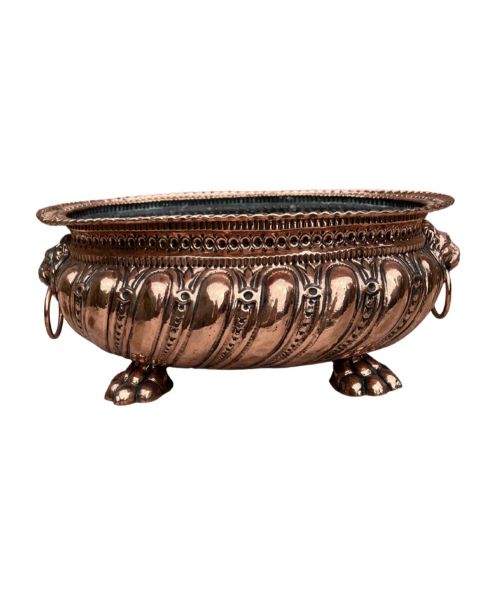
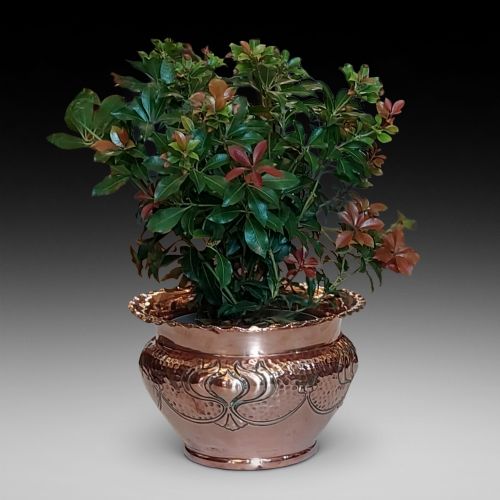
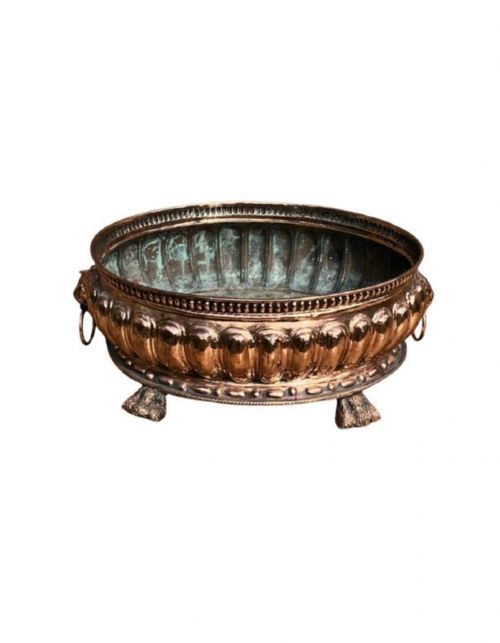
When you search for a polished copper jardiniere, you encounter plant vessels shaped for interior greenery and floral displays. These pieces include oval planters, log buckets and wine coolers adapted for botanical use.
The versions most likely to meet you on this page date from the Victorian, Edwardian and Arts and Crafts eras. Formats range from simple Italian vessels to French repoussé planters and Dutch Baroque brass hybrids.
How they were made
Makers shaped these vessels primarily from solid copper and brass, occasionally incorporating oak for structural bases or handles. Techniques rely on hand-beating and repoussé work to raise decorative motifs from the sheet metal.
Surface finishes include high-polish treatments that accentuate the natural metallic sheen of the copper. Metal joining and riveting secure the seams on large oval planters and log buckets.
Polished Copper Jardiniere Retail Price Guide 2026
Typical asking prices for polished copper jardiniere among the pieces listed under this phrase on Sellingantiques today, from the lower quarter to the upper quarter. They describe what is for sale here now, not the wider market.
Some versatile vessels spent centuries transitioning from chilling wine at a French chateau to holding ferns in an Edwardian parlour.
What varies in quality
Metal gauge and structural weight separate standard production from superior examples. Thicker copper sheet maintains rigidity across large oval planters and prevents denting during daily use.
The crispness and depth of hand-worked repoussé ornamentation define the artistic merit of Art Nouveau and Arts and Crafts specimens. Finer pieces display deliberate proportion between the metallic body and any applied brass fittings.
The Polished Copper Jardiniere Glossary
- Repoussé
- Metalworking technique where the metal is hammered from the reverse side to form a raised design on the front. This method creates the detailed floral and abstract patterns seen on Edwardian planters.
- Jardiniere
- An ornamental pot or stand for holding plants or flowers indoors. The term derives from the French word for gardener.
- Arts and Crafts
- A design movement valuing traditional craftsmanship and simple forms over mass production. Pieces from this period often display honest construction and hand-beated copper surfaces.
- Wine Cooler
- A vessel originally intended for chilling bottles that frequently doubles as a planter in listings. These items share watertight metal construction with traditional jardinieres.
Polished Copper Jardiniere: Frequently Asked Questions
What is a polished copper jardiniere used for?
These vessels serve primarily as indoor planters for potted house plants and floral arrangements. Historical examples also function as decorative log buckets or wine coolers.
Their watertight metal construction protects interior surfaces from moisture when plants are properly potted within liners.
How do I clean a polished copper jardiniere?
Maintenance involves removing dust with a soft cloth and preserving the bright metallic finish using appropriate metal cleaners. Avoid abrasive pads that scratch the polished surface.
Allowing a natural patina to develop over time is also common for antique copper pieces, depending on personal preference.
How do I identify an Arts and Crafts copper jardiniere?
Arts and Crafts pieces typically feature hand-beaten surfaces, visible rivet construction and stylised natural motifs. They date from around the turn of the twentieth century.
Makers from this movement emphasised manual skill, resulting in distinct hammer marks across the copper body.
Are these planters solid copper or plated?
Listings feature solid copper construction alongside pieces combining copper with brass, oak or tin elements. Solid metal versions offer durability and substantial weight.
Examining the rim and interior reveals the material thickness and composition of the vessel.