


Victorian Copper Pot
These Victorian copper pot examples combine robust nineteenth-century metalwork with practical utility, offering collectors enduring character and authentic period warmth.

Victorian Copper Pot
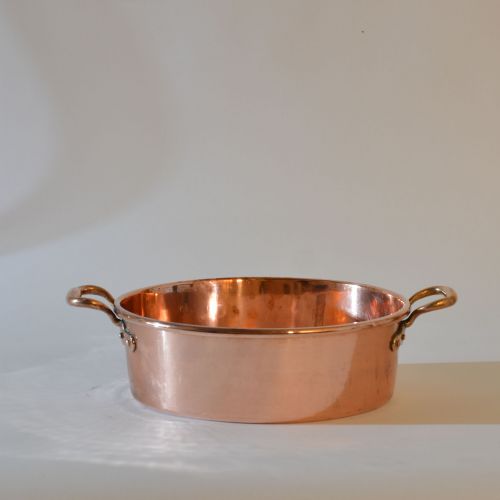
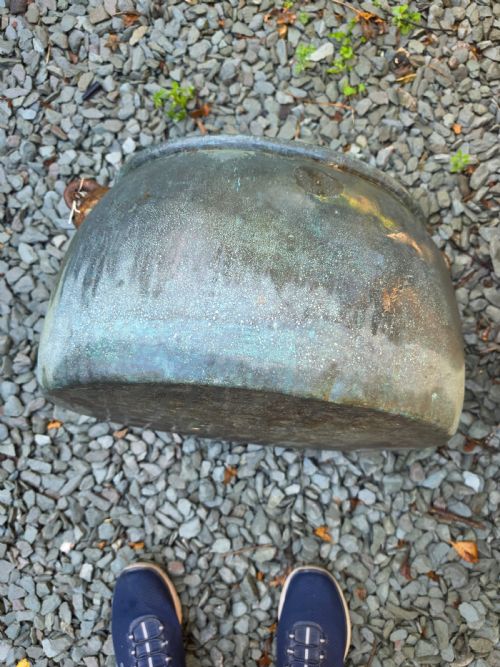
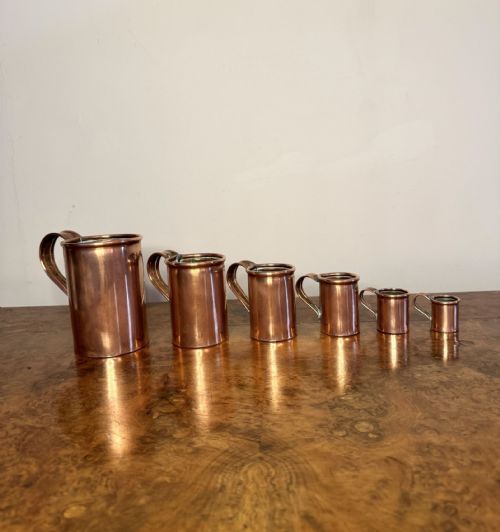
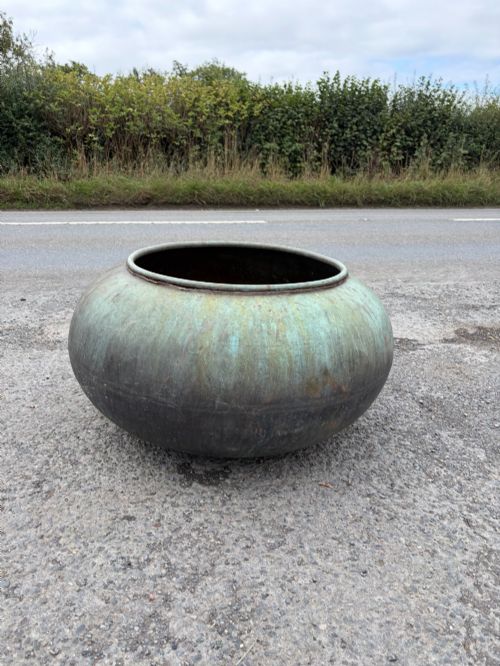
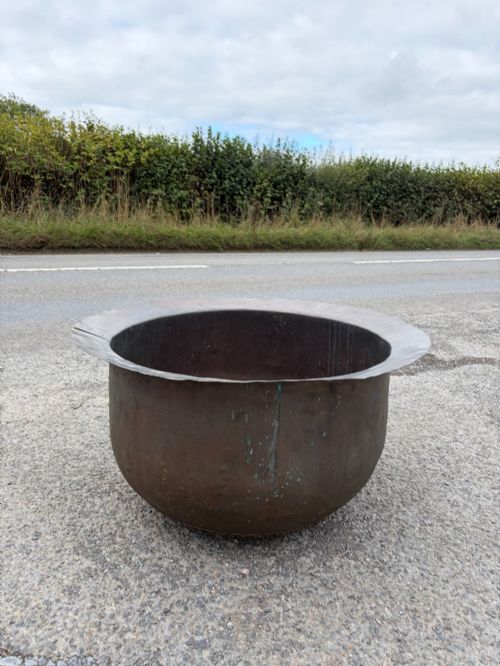
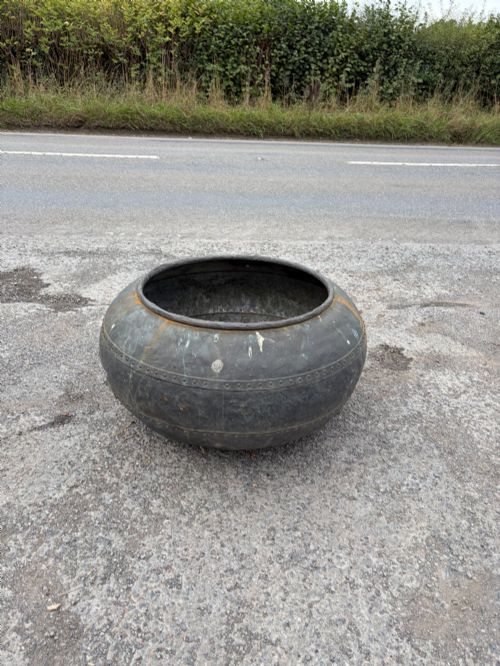
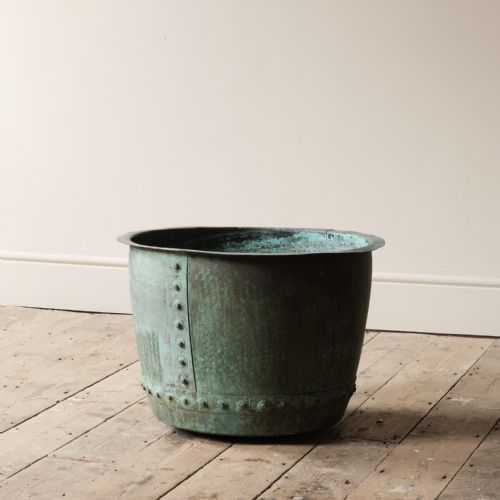
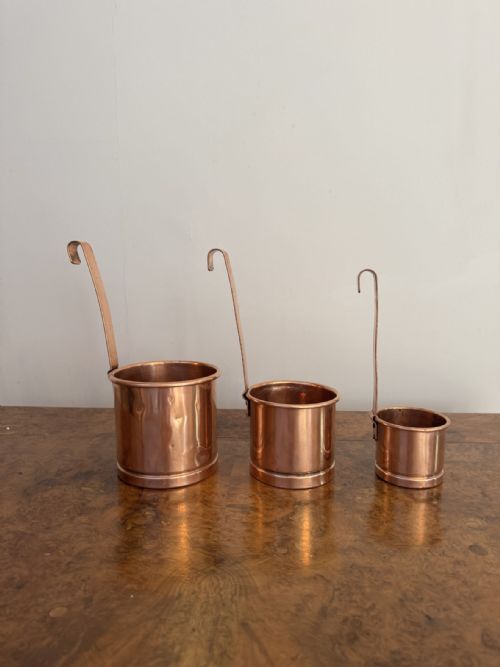
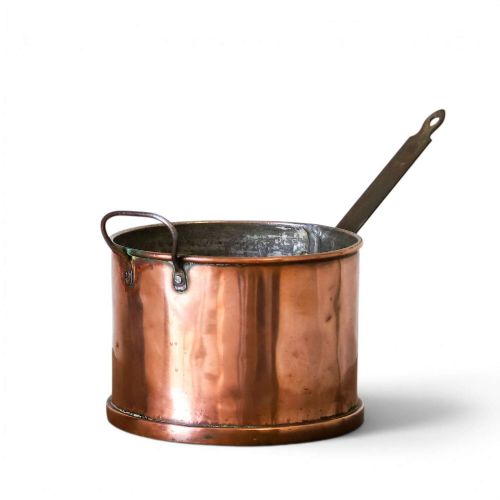
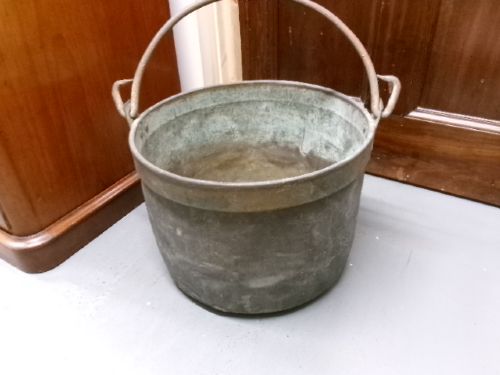
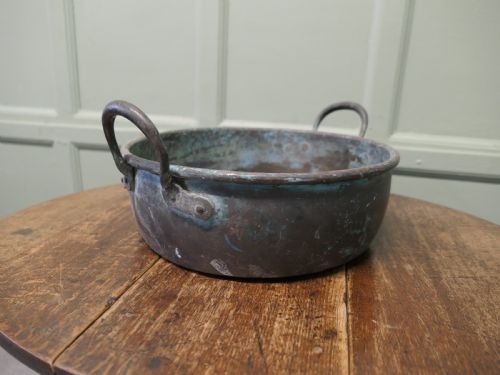
When you search for a victorian copper pot, you encounter heavy kitchenware, lidded saucepans, and large cooking vessels dating from the nineteenth century alongside decorative jardinieres and planters. These pieces range from functional culinary cookware used in large kitchens to utilitarian vessels adapted for modern domestic display.
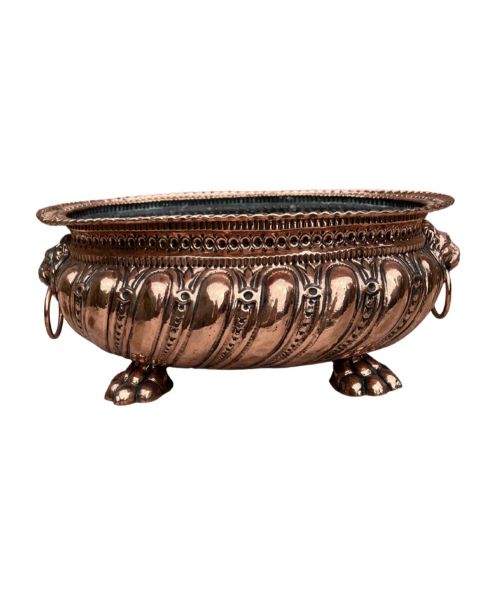
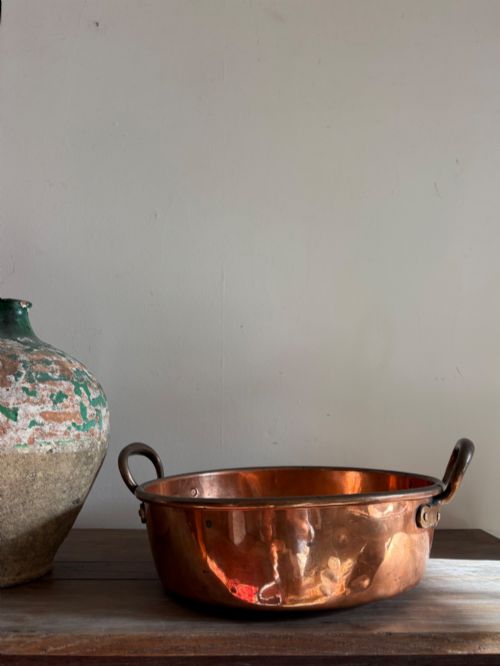
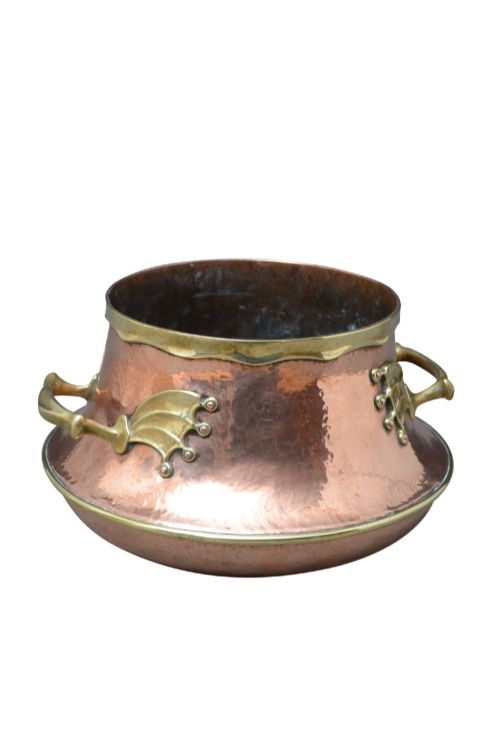
You are most likely to meet substantial lidded saucepans, stock pots, and rustic cooking vessels originating from the nineteenth century on this page. Many examples display the patination and wear characteristic of genuine nineteenth-century utility ware, while others appear in the form of Arts and Crafts jardinieres or brass-embossed pots.
How they were made
These items are constructed predominantly from copper, incorporating heavy gauge metal shaped by hand-beating techniques. Many pieces integrate structural elements of brass, iron, cast iron, and tin to form handles, rims, and internal linings.
Makers shaped the metal using traditional hand-working methods, leaving visible hammer marks on heavy gauge surfaces. Embossed decorative details appear on specific variations, while others retain patinated finishes and verdigris resulting from age and exposure.
Victorian Copper Pot Retail Price Guide 2026
Typical asking prices for victorian copper pot among the pieces listed under this phrase on Sellingantiques today, from the lower quarter to the upper quarter. They describe what is for sale here now, not the wider market.
Listings feature nineteenth-century periods, including specific dates from 1860 and 1900, alongside general Victorian eras.
What varies in quality
The distinction between standard utility vessels and superior examples lies in the thickness of the metal gauge and the precision of the hand-beating. Heavy gauge copper construction combined with maker marks or quality attributions elevates certain saucepans and cooking pots above ordinary kitchenware.
The integrity of original lids, handles, and structural fittings shapes the overall standard of a piece. Original patination and minimal structural alteration distinguish finer nineteenth-century survivals from heavily restored or later modified examples.
Hodges and Sons·Jones Brothers
The Victorian Copper Pot Glossary
- Gauge
- The thickness of the sheet metal used to form the body of a pot. Heavy gauge copper provides greater durability and thermal stability.
- Verdigris
- The green patina that forms naturally on copper surfaces through atmospheric oxidation over long periods. This surface layer indicates considerable age.
- Jardiniere
- An ornamental pot or stand designed to hold flowering plants or foliage. These decorative pieces often feature embossed work or Arts and Crafts styling.
- Patina
- The surface sheen and colour acquired by copper through use, handling, and age. Original patina offers visual evidence of a vessel's history.
- Stock pot
- A deep, large-capacity cooking vessel designed for boiling bones or vegetables. Victorian examples typically feature sturdy side handles for lifting.
Victorian Copper Pot: Frequently Asked Questions
How do I clean a victorian copper pot?
Maintenance depends on whether you intend to use the vessel for display or cooking. Traditional metal cleaners remove heavy tarnish, though many collectors prefer to leave an undisturbed patinated surface intact.
Harsh abrasives can damage hand-beaten textures and thin historic surfaces. Gentle washing with warm soapy water preserves the structural integrity of older metalwork.
Can I use these pots for cooking?
Many nineteenth-century vessels were manufactured specifically for heavy kitchen use, featuring thick copper walls designed for heat distribution. You should check the internal lining condition before preparing food in antique cookware.
Modern culinary use often requires re-tinning the interior surface of older pots. Many buyers prefer to utilise larger vessels as decorative planters or log bins instead.
What is the difference between a pot and a jardiniere?
Cooking pots and stock pots were designed for culinary tasks in Victorian kitchens, often showing utilitarian handles and heavy gauge construction. Jardinieres were made specifically as decorative containers for indoor plants.
Decorative variants frequently display embossed patterns or Arts and Crafts styling rather than plain utilitarian surfaces. Their intended purpose governed both their thickness and their exterior finish.
How can I date a copper pot?
Dating relies on examining construction methods, handle attachments, and material combinations typical of the nineteenth century. Hand-beaten seams and heavy gauge metal generally point towards mid-Victorian production periods.
Maker stamps, where present, offer definitive chronological markers. Stylistic indicators like Arts and Crafts detailing help separate later nineteenth-century pieces from earlier utilitarian cookware.