


Rustic Copper Cookware
These rustic copper cookware pieces bring hard-working historic warmth and kitchen utility straight to your home.

Rustic Copper Cookware
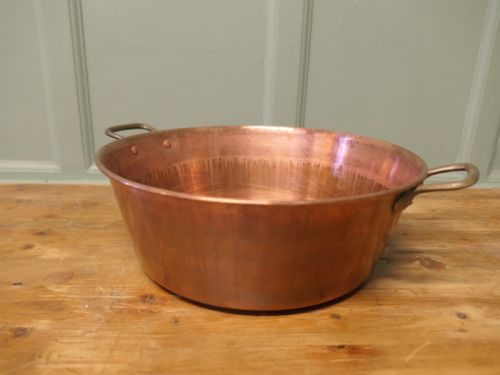
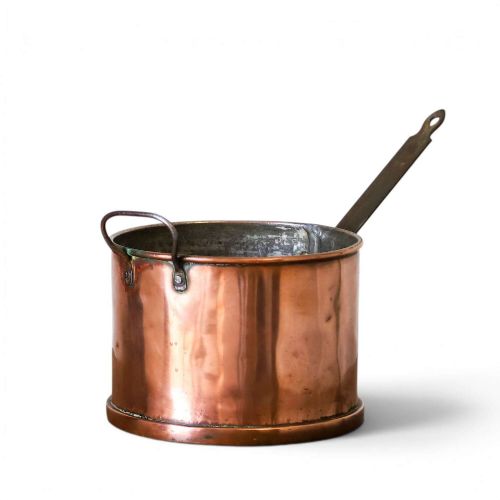
Rustic copper cookware spans functional kitchen vessels and hearth pieces originating across the nineteenth and early nineteenth centuries, taking forms such as preserving pans, kettles, saucepans, and cooking pots. You will most frequently encounter nineteenth century French and English examples, including heavy jam pans and milk pans.
Materials and construction
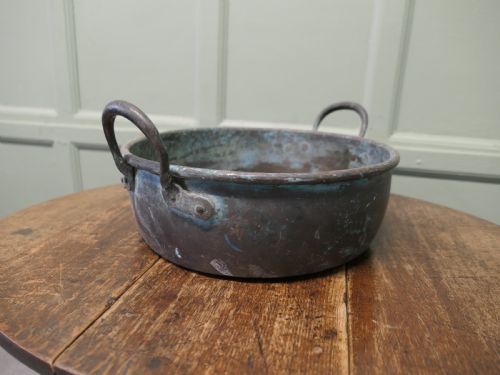
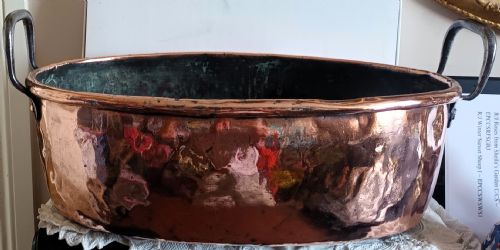
Makers formed these pieces predominantly from heavy gauge copper, frequently incorporating iron handles, brass fittings, and wrought iron attachments for strength during daily hearth use. Hand-beaten techniques leave distinct tactile marks across the metal surface, recording the physical labour of the metalsmith.
Vessels often include interior linings of tin to prevent food reaction with the copper, while preserving pans and cooking pots rely on solid riveting to secure handles to the heavy walls.
Rustic Copper Cookware Retail Price Guide 2026
Typical asking prices for rustic copper cookware among the pieces listed under this phrase on Sellingantiques today, from the lower quarter to the upper quarter. They describe what is for sale here now, not the wider market.
The listings on this site combine copper with brass, iron, tin, and wood across nineteenth-century styles.
Assessing quality and weight
Quality rests primarily on the metal gauge and the integrity of the original construction rather than decorative flourish. Heavy gauge copper resists warping under intense heat, separating utilitarian vessels built for decades of kitchen service from lighter alternatives.
Proportion and honest signs of period wear dictate the character of each piece. Superior examples retain solid handles, clean hand-beaten contours, and structural balance honed by historical domestic use.
The Rustic Copper Cookware Glossary
- Gauge
- The thickness of the metal sheet used to form the vessel. Heavy gauge pieces offer superior durability for cooking.
- Preserving pan
- A wide, open basin designed for boiling fruit and sugar. These feature sloped sides to encourage even evaporation during jam making.
- Hand-beaten
- A manufacturing method where the metal is shaped using a hammer. This leaves subtle indentations that evidence manual production.
- Cream setting pan
- A wide, shallow vessel used in dairy work to allow cream to rise to the surface of milk. They reflect the specialised agricultural uses of early domestic metalware.
- Tinning
- The process of coating the interior of a copper vessel with a layer of tin. This traditional lining creates a safe barrier between acidic foods and the copper.
Rustic Copper Cookware: Frequently Asked Questions
Can I still cook with these pots?
Many of these historical vessels were built for actual hearth use, featuring thick copper walls and sturdy handles. Depending on the condition of the interior tin lining, certain pans can be utilised for modern cooking.
For food safety and preservation of the metal, contemporary users often have older copper pots professionally retinned before placing them back on active cooking duty.
How do I clean old copper?
Maintaining historic metal requires gentle cleaning methods that preserve the natural patina accumulated over centuries of service. Avoid harsh abrasives that remove the character marks left by early smiths.
Standard copper cleaners or traditional mixtures of salt and acid will restore the bright metallic hue if desired, though many collectors prefer to leave the aged surface untouched.
How do I tell George III pieces apart?
Pieces originating from the George III period typically display distinct Georgian manufacturing traits, including specific handle attachments and simpler, utilitarian forms. These items date from around the turn of the nineteenth century.
Comparing the weight, rivet styles, and form against dated nineteenth-century French and English kitchenware helps clarify the chronological placement of unmarked pots and kettles.
Where were these pieces used?
This cookware served in large country houses, farmhouses, and domestic kitchens across England and France. Preserving pans handled seasonal fruit harvests, while kettles sat near the hearth for daily hot water.
The utilitarian forms reflect the practical demands of rural and domestic life before modern industrial manufacturing altered kitchen equipment.