


French Copper Cookware
French copper cookware brings warmth and utility to the kitchen, offering solid construction and centuries of practical kitchen tradition.
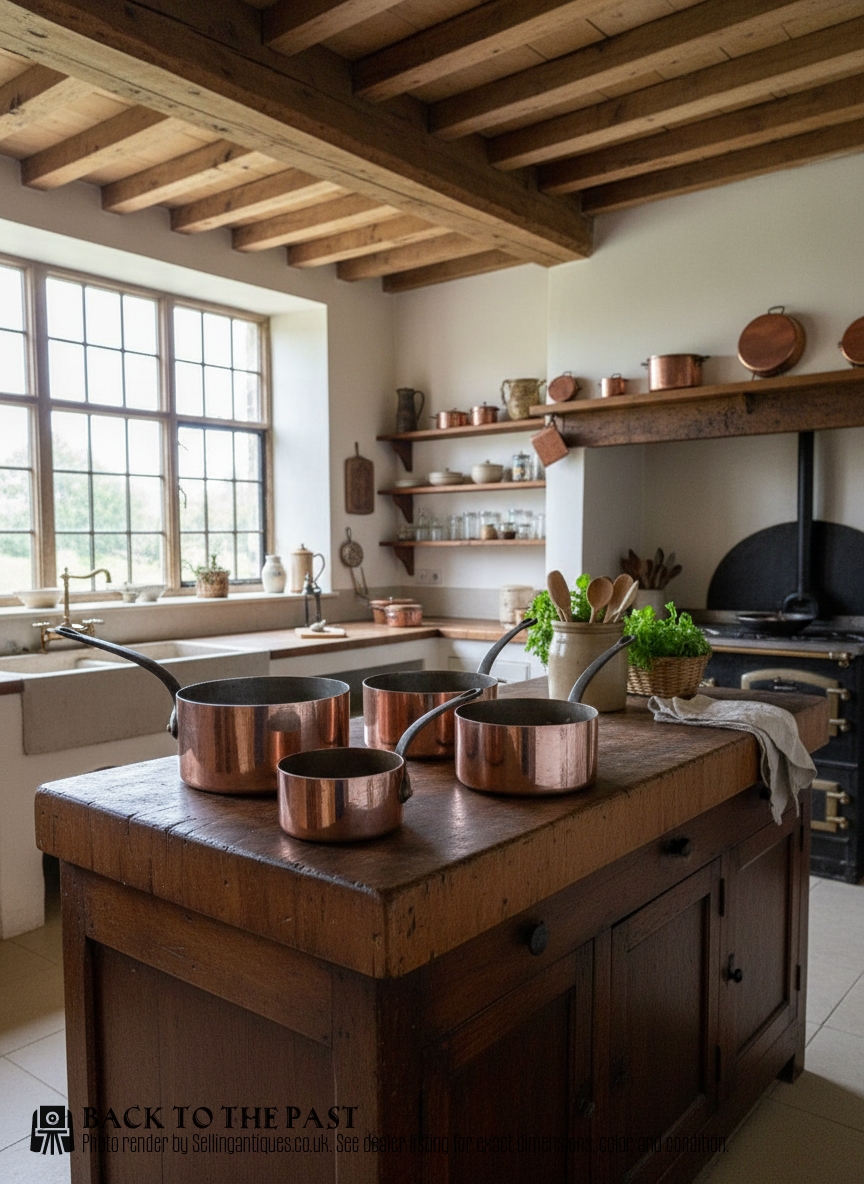
French Copper Cookware
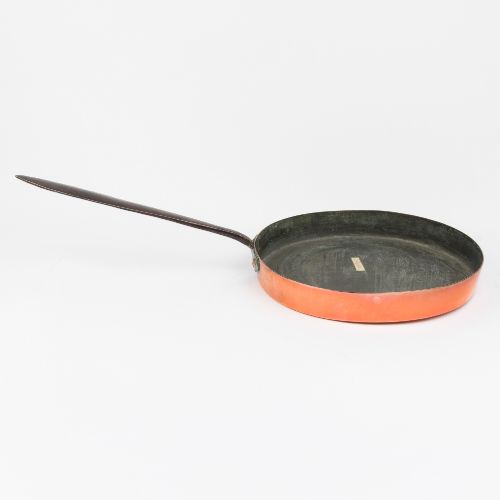
French copper cookware comprises heavy metal kitchen vessels designed for heat conduction, ranging from individual saucepans to large preserving pans. When you search for french copper cookware, you encounter practical kitchen items built to handle daily cooking tasks over open flames or stoves.
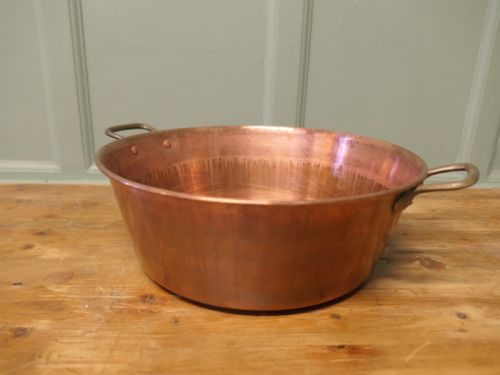
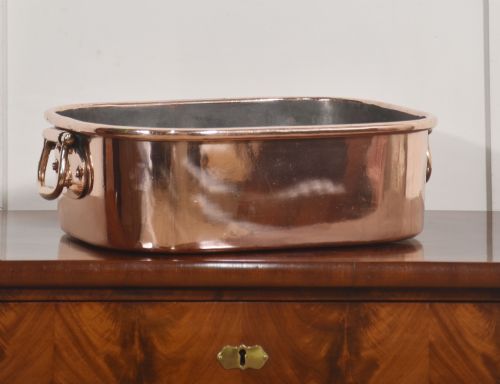
The pieces listed here date across the nineteenth century, including specific years like eighteen sixty and nineteen hundred, alongside Victorian and nineteen thirty examples. You frequently meet large preserving pans, fish kettles, and sets of four or five pans.
Forms span rustic farmhouse and Victorian country styles, reflecting utilitarian origins in French kitchens. These items serve both decorative display in modern spaces and traditional culinary use.
How they were made
These items combine heavy gauge copper bodies with brass handles and iron fittings, joined by robust rivets. Interiors feature protective tin linings to prevent direct food contact with the reactive copper beneath.
Makers shaped the metal through hammering and forming techniques suited to heavy kitchen duties. Cast iron and iron components add stability and weight to larger vessels like fish kettles and jam pans.
Old preserving pans bear the faint, rhythmic hammer marks of nineteenth-century smiths who chased bubbles out of hot metal by hand.
What varies in quality
Substantial wall thickness and heavy overall weight distinguish superior vessels from lighter alternatives built for display rather than heavy use. The heft of the copper body determines thermal performance and durability under constant kitchen heat.
Quality also rests in the integrity of the original joints, handles, and internal linings. Well-fitted brass handles and secure rivets indicate robust construction meant to endure generations of service.
The French Copper Cookware Glossary
- Prespreserving pan
- A wide, open vessel designed for boiling fruits and sugars down into jams. These pans feature sloped sides to encourage evaporation.
- Fish kettle
- An elongated metal vessel fitted with a removable internal draining rack for poaching whole fish. The shape accommodates long, narrow catches.
- Jam pan
- A deep metal container used traditionally for preserve making. The sturdy double handles assist in lifting heavy batches from the heat source.
- Saucepan
- A deep cooking pot with a single handle used for simmering liquids and sauces. Sets often graduate in size for nesting and varied culinary tasks.
- Tin lining
- A protective layer applied to the interior surface of copper cookware. This coating prevents copper from leaching into acidic foods during cooking.
French Copper Cookware: Frequently Asked Questions
Can I still cook with antique copper pans?
Many antique copper pans remain fully functional for cooking provided the interior tin lining is intact and smooth. Regular maintenance ensures the metal performs reliably on modern heat sources.
For daily use, ensure the tin layer does not show bare copper underneath. Professional retinning restores the interior surface when the original coating wears thin.
How do I clean tarnished copper cookware?
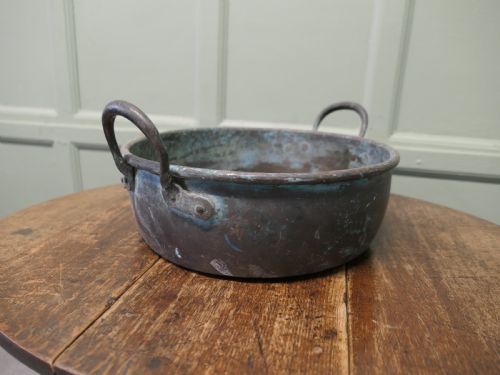
Copper naturally develops a darker patina over time through oxidation when exposed to air and handling. Gentle polishing pastes restore the bright metallic finish without scratching the softer metal beneath.
Avoid harsh abrasive scouring pads that thin the copper walls or damage historic surface textures. Regular drying after washing prevents water spots and preserves the exterior sheen.
Why are some copper pans much heavier than others?
The weight of a copper pan depends directly on the thickness of the metal sheet used during initial manufacture. Heavier gauges provide superior heat retention and distribution during cooking.
Lighter decorative pieces lack the dense metal structure required for demanding kitchen environments. Commercial kitchen items prioritize thick copper construction for longevity.
What is the purpose of the tin lining?
Copper reacts chemically with acidic ingredients like fruit juices and wine during the cooking process. The tin barrier stops this reaction while maintaining efficient heat transfer.
Historical cooks relied on this lining to keep food flavours pure and safe for consumption. Over decades of stirring and cleaning, this internal layer gradually thins out.