


Victorian Copper Pan
These Victorian copper pan examples are robust kitchenalia and cookware pieces built for heavy use, offering timeless warmth and tactile kitchen history.
Victorian Copper Pan
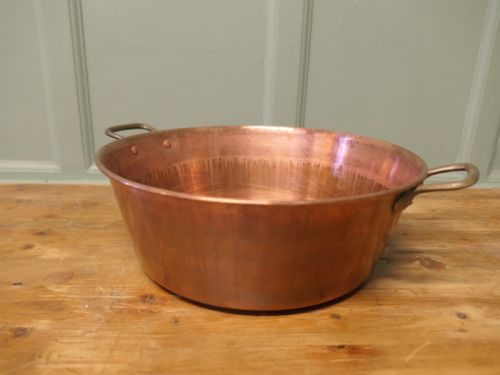
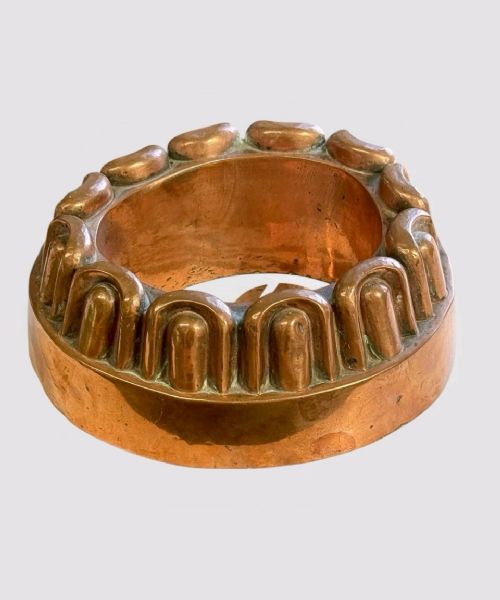
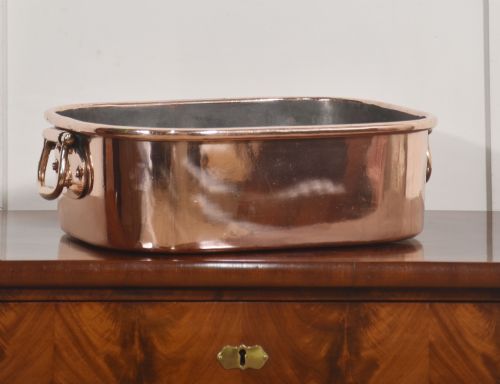
A Victorian copper pan is a piece of heavy utilitarian cookware designed for nineteenth-century kitchens and service areas. Buyers searching for a Victorian copper pan usually encounter large preserving vessels, deep cooking pots, and wide cream setting bowls.
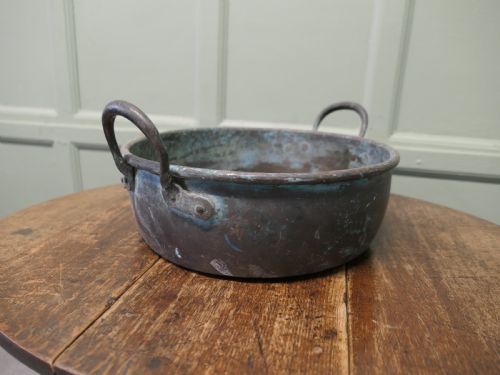
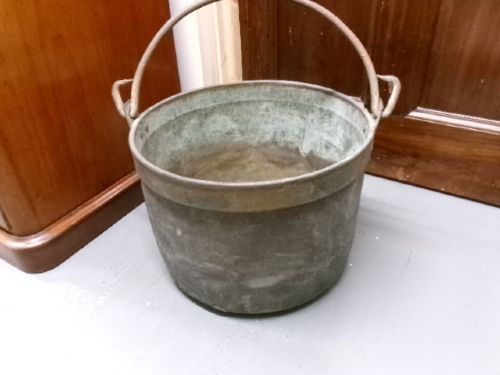
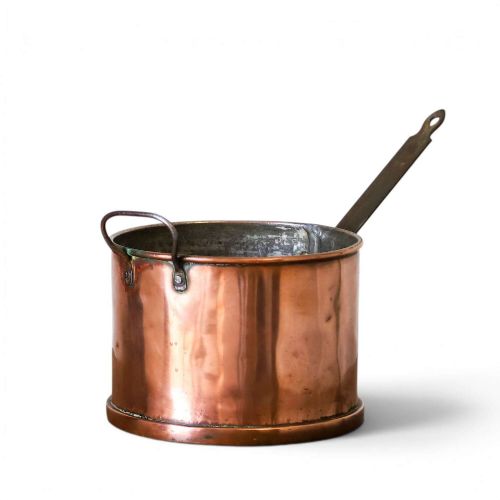
The evidence shows numerous examples taking the form of jam pans, saucepans with lids, and large two-handled basins. Many carry the robust proportions of nineteenth century country house kitchens.
While some pieces served specific dairy functions like cream setting, others formed part of graduated sets used for intensive daily cooking. These survivors bridge the gap between working kitchenware and decorative home display.
Judging Quality
Quality rests in the thickness of the metal plate and the physical weight of the vessel. Heavier gauge copper distributed heat more evenly and resisted warping during intense stove use.
Superior examples display careful riveting on handles and clean proportions across graduated sets. The presence of maker marks or specialised domestic forms like cream setting pans also elevates certain pieces.
Retail Price Guide 2026
Typical UK retail prices for victorian copper pan, calculated from the Sellingantiques database of over a million retail prices indexed since 2003. This retail price guide relies exclusively on Sellingantiques data; no external sources or auction records are used, so the figures do not describe the wider market.
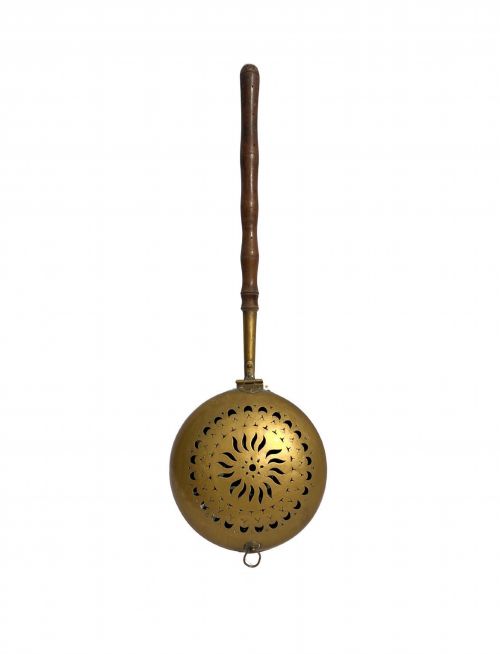
Some nineteenth-century copper vessels crossed over from dairy work to double as fireside companion sets.
Elkington and Co
The Victorian Copper Pan Glossary
- Jam pan
- A wide, open preserving vessel designed for boiling fruit and sugar. These deep pans allowed steam to escape quickly while holding large quantities.
- Cream setting pan
- A wide shallow bowl used in dairies to let cream rise to the milk surface. They maximise surface area for efficient skimming.
- Kitchenalia
- Utilitarian objects and utensils from past domestic kitchens. Collectors prize these items for their honest functionality and material patina.
- Tin lining
- A protective internal coating applied to copper cookware. This layer stopped acidic foods from reacting directly with the copper metal.
Frequently Asked Questions
How do I clean old copper?
Traditional copper cleaners and mild polishes remove tarnish while preserving the underlying metal.
Avoid abrasive pads that scratch the surface and strip away historical patina.
Can I cook with them?
Many surviving pans retain their structural integrity and heavy gauge metal suitable for modern use.
Check the condition of the internal tin lining before preparing food in antique vessels.
Why are some pans so heavy?
Commercial Victorian kitchens required thick metal to withstand constant heat on coal ranges.
Heavier copper walls prevented scorching and distributed thermal energy evenly across the base.
How do I date these pieces?
Makers marks, handle styles, and construction methods help narrow down the production decade.
Nineteenth-century pieces often feature hand-beating marks and dovetailed or riveted joints rather than modern welds.