



Copper Jam Pan
A copper jam pan brings warmth and utility to a kitchen, offering heavy metal construction that lasts for generations.
Copper Jam Pan
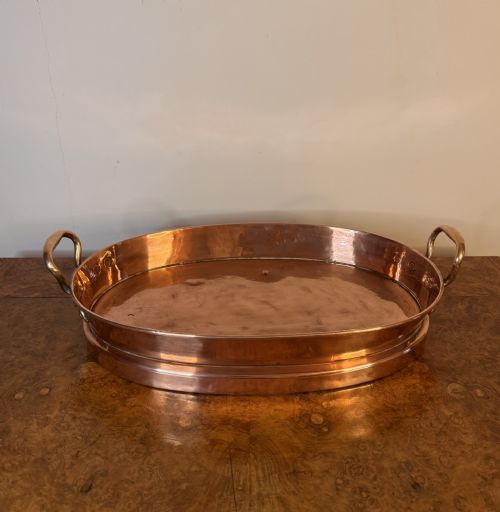
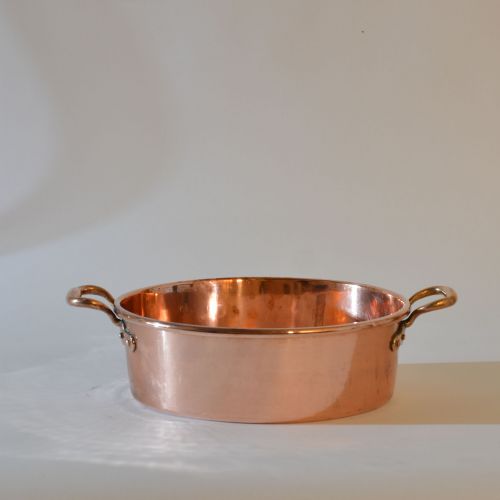
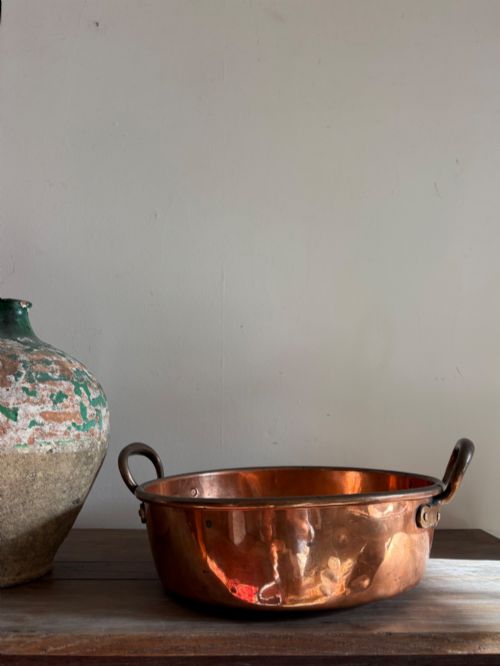
A copper jam pan is a traditional piece of kitchenware designed for preserving fruit, boiling sugar, and daily culinary tasks. These vessels appear frequently from the Georgian and Victorian eras, spanning the eighteenth and nineteenth centuries in various rustic and farmhouse styles.
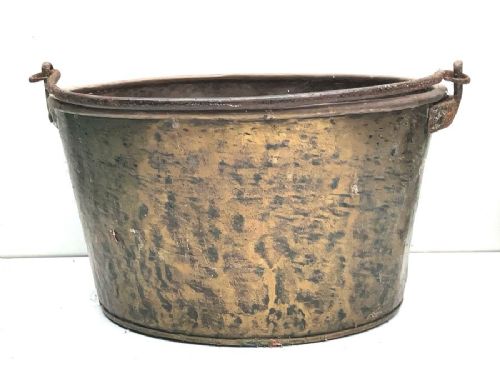
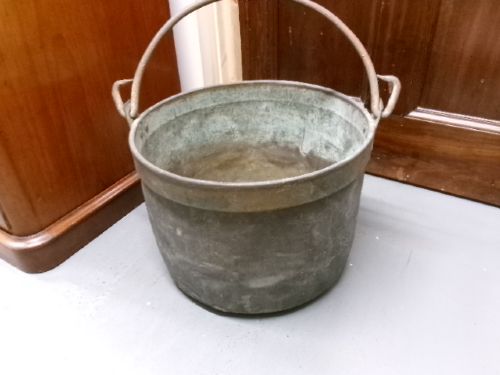
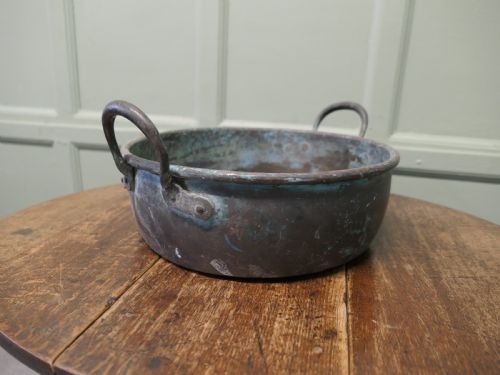
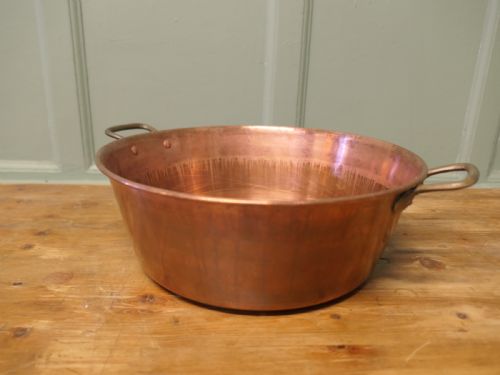
Buyers encounter forms ranging from double-handled preserve pans to heavy cauldrons with wrought iron swing handles. Many examples function today as practical cookware or decorative planters and vessels within traditional interiors.
How they were made
Master metalsmiths shaped these vessels primarily from heavy sheet copper, often incorporating iron handles, brass fittings, and bronze components. Rivets secure the handles firmly to the body, ensuring structural integrity for heavy loads of boiling fruit.
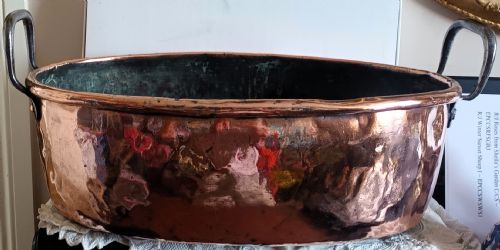
The construction utilises traditional hammering techniques, leaving subtle surface marks that distinguish older handmade metalwork from modern industrial fabrication.
Copper Jam Pan Retail Price Guide 2026
Typical asking prices for copper jam pan among the pieces listed under this phrase on Sellingantiques today, from the lower quarter to the upper quarter. They describe what is for sale here now, not the wider market.
Listings feature items spanning the 18th century, Georgian period, 19th century, and Victorian era.
What varies in quality
The distinction between standard kitchen utensils and superior vessels lies in the weight of the metal and the craftsmanship of the handles. Heavier gauge copper maintains even heat distribution and resists denting during heavy kitchen use.
Maker marks, such as stamps on the body or handle, elevate certain pieces by confirming their origin and workshop pedigree. The neatness of the riveting and the balance of the swing handle further separate ordinary utility items from finer examples.
Liptons
The Copper Jam Pan Glossary
- Jam pan
- A wide, open metal vessel designed for boiling fruit and sugar to make preserves. It allows moisture to evaporate quickly during cooking.
- Swing handle
- A movable arched handle attached to opposite sides of a pan by pivots or lugs. This permits the vessel to hang over a fire or fold flat against the rim.
- Cauldron
- A large round metal pot with a wide opening, typically featuring a heavy handle for suspension. Early versions often incorporate sturdy iron or bronze elements.
- Cream setting pan
- A shallow domestic vessel used in dairies to separate cream from milk. These pieces share similar heavy copper construction with preserve pans.
- George III
- The period of British history spanning from 1760 to 1820. Pieces from this era often display classic Georgian proportions and heavy craftsmanship.
Copper Jam Pan: Frequently Asked Questions
How do I clean an old copper jam pan?
Traditional cleaning involves using a paste of salt and lemon juice to lift oxidation and restore the warm metallic lustre without scratching the surface.
Avoid harsh abrasive pads that damage the historic patina, and rinse the vessel thoroughly with warm water after polishing.
Can I still cook jam in these pans?
Many historic copper pans remain structurally sound for cooking, provided the interior is properly tinned and free from heavy corrosion.
Buyers intending to use them for food preparation should inspect the metal thickness and ensure the lining is safe for culinary use.
How do I date a copper preserve pan?
Dating relies on observing handle attachments, rivet styles, and the method of metal shaping used by the smith. Georgian and Victorian examples often feature hand-hammered surfaces and heavy iron handles fixed with robust rivets.
Maker stamps and distinctive rim profiles also provide reliable clues to the decade of manufacture.
How can I display a copper pan at home?
These vessels suit traditional fireplace accessories arrangements, kitchen shelving displays, or floor placement as large planters and vessels.
Their warm metallic tones complement rustic farmhouse and period interiors alike.