


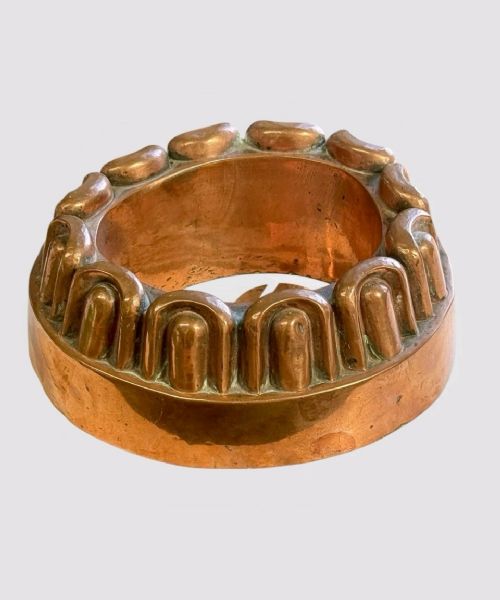
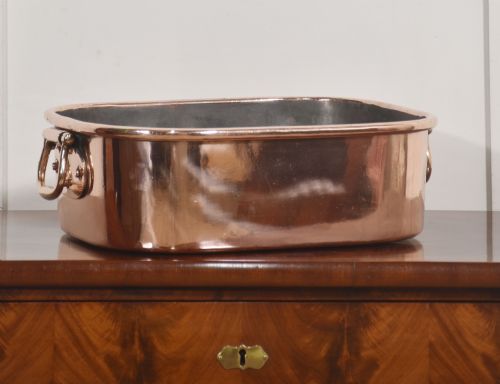

Antique Copper Pan
An antique copper pan brings centuries of practical culinary heritage and warm metallic tone directly into a modern kitchen.
Antique Copper Pan
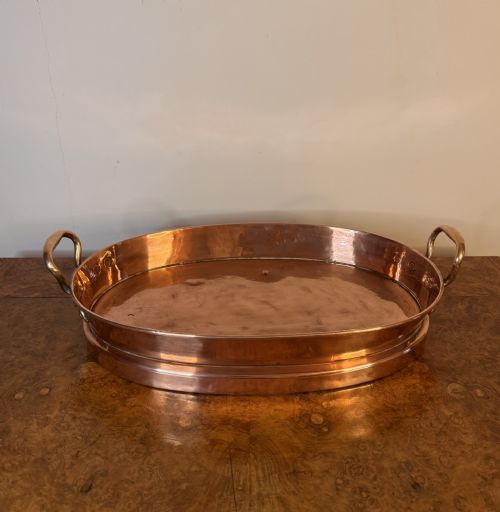
When searching for an antique copper pan, a buyer encounters heavy kitchenware spanning the Georgian, Victorian, and Edwardian periods, originating from English and French workshops.
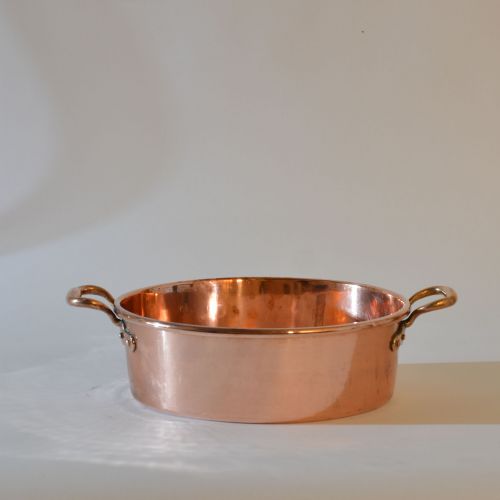
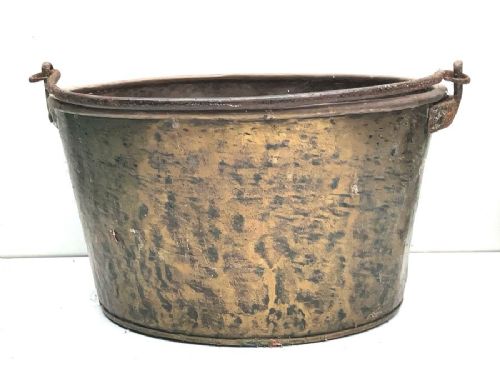
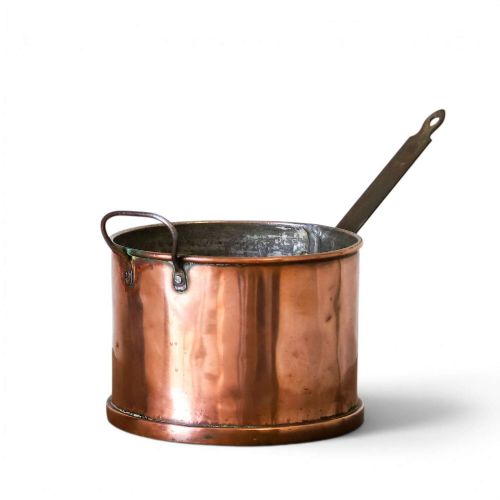
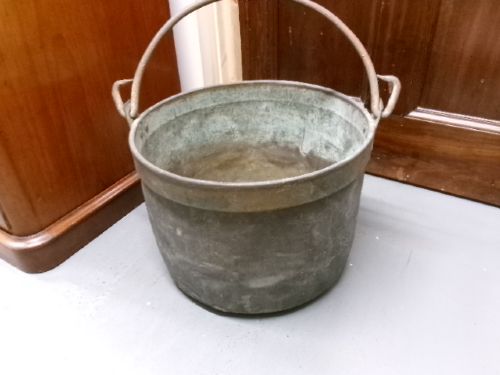
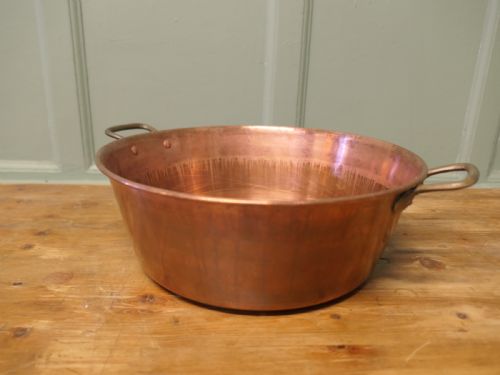
The most common vessels found in this selection are deep preserving pans, jam pans, and lidded saucepans designed for serious kitchen use rather than mere display.
How they were made
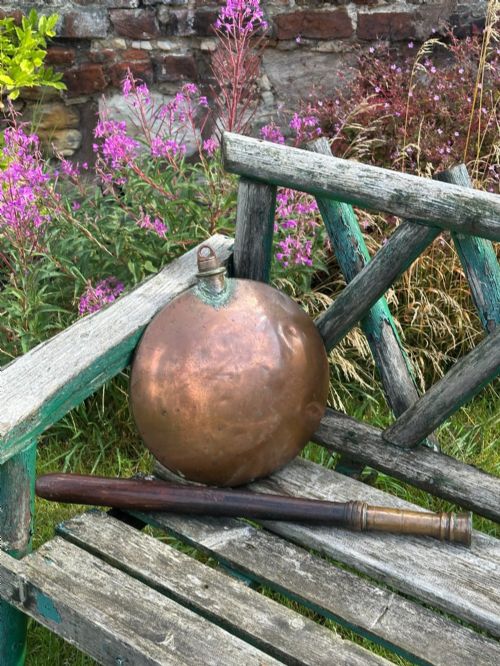
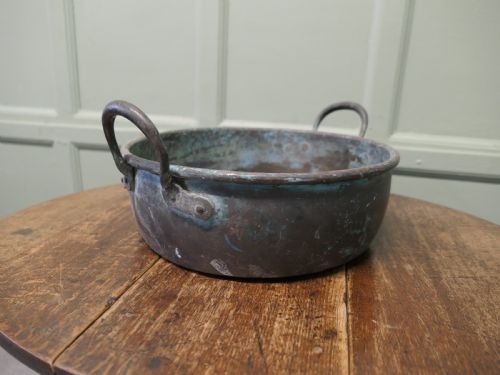
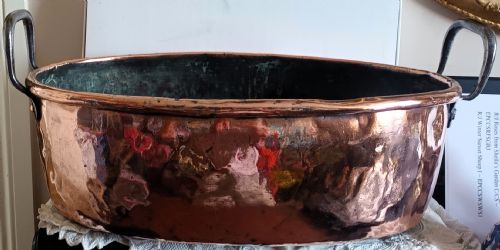
These pieces rely on heavy-gauge copper shaped by hand-beating techniques, often joined with sturdy iron handles, brass fittings, and riveted construction.
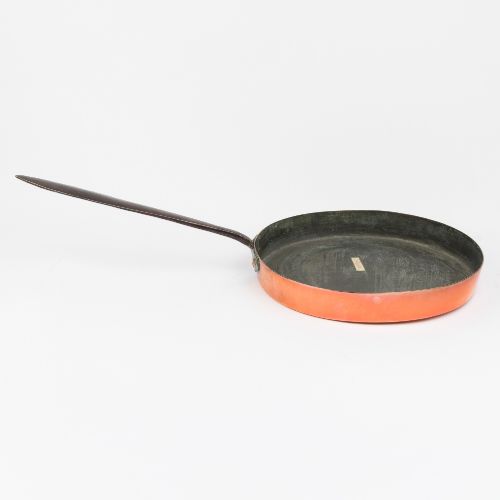
Many interior surfaces feature a protective tin lining applied by hand to prevent interaction between acidic foods and the copper body during cooking.
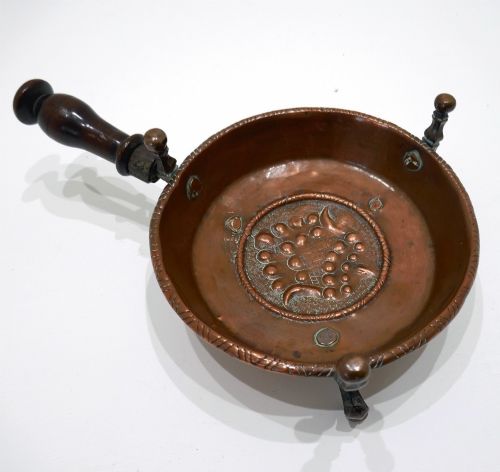
Handles and attachments incorporate wrought iron, cast iron, or warm oak, secured firmly with heavy rivets to withstand the weight of contents.
Antique Copper Pan Retail Price Guide 2026
Typical asking prices for copper pan among the pieces listed under this phrase on Sellingantiques today, from the lower quarter to the upper quarter. They describe what is for sale here now, not the wider market.
What varies in quality
Quality separates primitive domestic utensils from professional culinary vessels through the thickness of the metal plate and the precision of the hand-beating.
Superior examples display balanced proportions, clean dovetail or riveted seams, and substantial weight that indicates sufficient material for even heat distribution.
Hodges and Sons
The Antique Copper Pan Glossary
- Tin lining
- A protective layer applied to the interior surface of copper cookware to prevent food from reacting with the metal. This traditional coating requires periodic renewal depending on use.
- Jam pan
- A wide, open vessel designed for fruit preserving and jam making, typically featuring large swing handles for easy lifting and pouring. The shallow depth encourages rapid evaporation.
- Hand-beaten
- A manufacturing method where artisans shape metal sheets using hammers, leaving subtle facets and textures across the exterior surface. This process work-hardens the copper for greater durability.
- Dovetail seam
- An interlocking joint technique used to join sheets of metal securely before hammering them smooth. It represents a hallmark of traditional construction in older cookware.
Antique Copper Pan: Frequently Asked Questions
Can I still cook with an antique copper pan?
Many historic copper pans remain structurally sound for modern use provided the interior tin lining is intact and clean. Cooks often test them on traditional hobs or modern ranges depending on the flat stability of the base.
For regular cooking, verifying the thickness of the metal ensures the vessel distributes heat evenly without warping at high temperatures.
How do I clean and polish copper?
Maintaining a polished finish requires specialised metal cleaners or traditional mixtures of acid and salt applied gently by hand. Regular care prevents heavy oxidation while preserving the character of the metal.
Many collectors prefer a natural patina that develops over decades of handling, cleaning only the interior cooking surfaces before use.
How do I date an old copper pan?
Differentiating periods relies on observing construction details such as hand-beating marks, handle materials, and the style of the rivets. Georgian and early Victorian vessels frequently exhibit heavier gauge metal and distinct joining methods compared to later pieces.
Makers' stamps and proportional styles also offer reliable clues to the era of manufacture.
Why do some pans have iron handles?
Iron handles provided strength and heat resistance during heavy kitchen tasks over open hearths or commercial stoves. Wrought or cast iron added the necessary rigidity to lift heavy loads of preserves or liquids safely.