


Victorian Copper Cookware
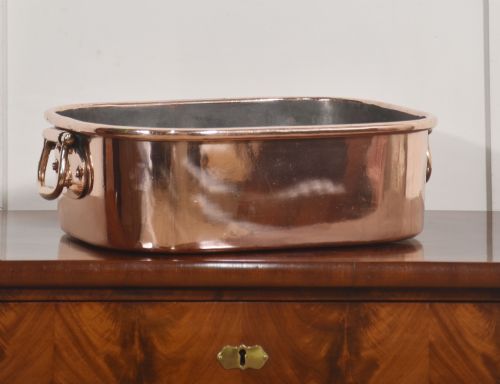
Victorian copper cookware brings heavy gauge metal and practical warmth to the kitchen, offering sturdy saucepans, preserving pans and jelly moulds built for daily use.
Victorian Copper Cookware
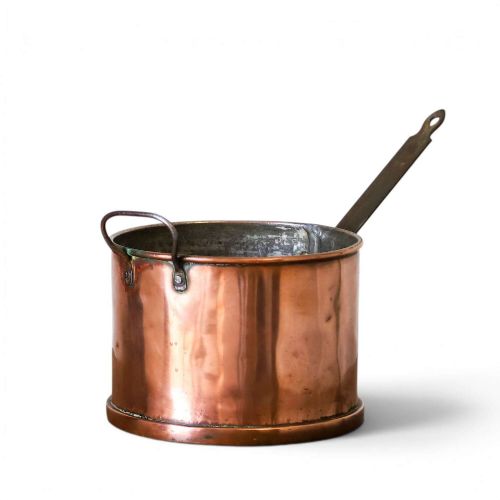
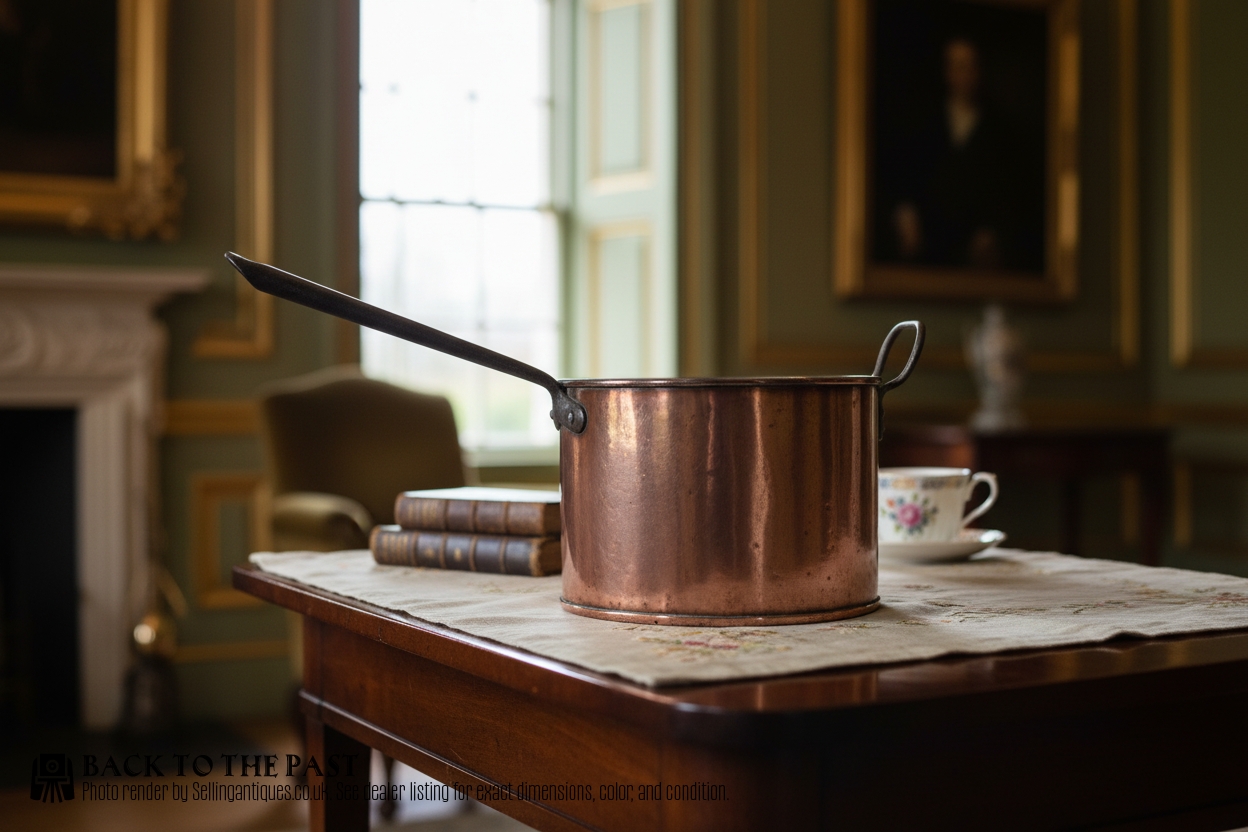
Victorian copper cookware centres on heavy gauge metal vessels designed for kitchen tasks such as preserving, boiling and sauce preparation. Buyers seeking these items will find sturdy preserving pans, saucepans, kettles and fish kettles dating from the nineteenth century.
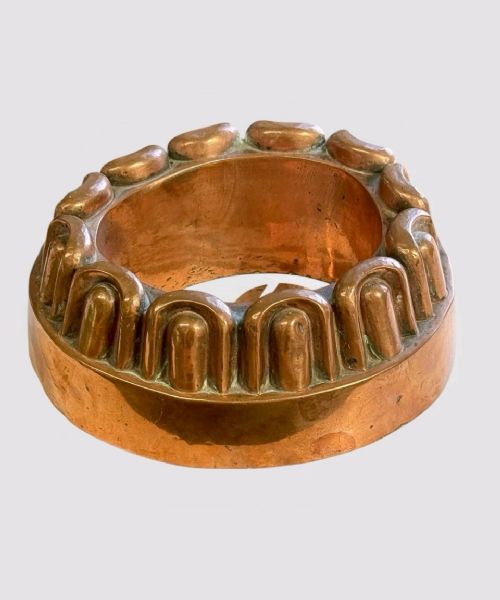
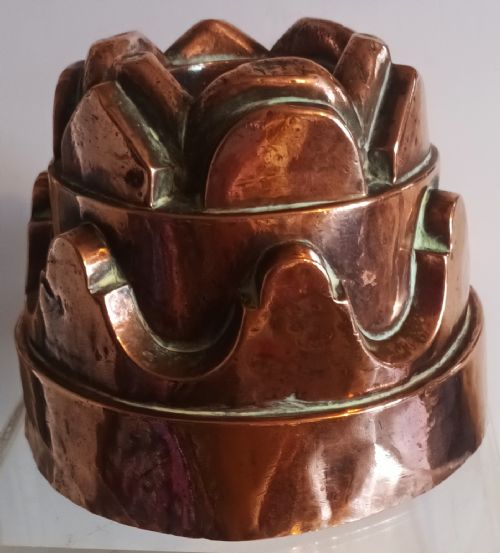
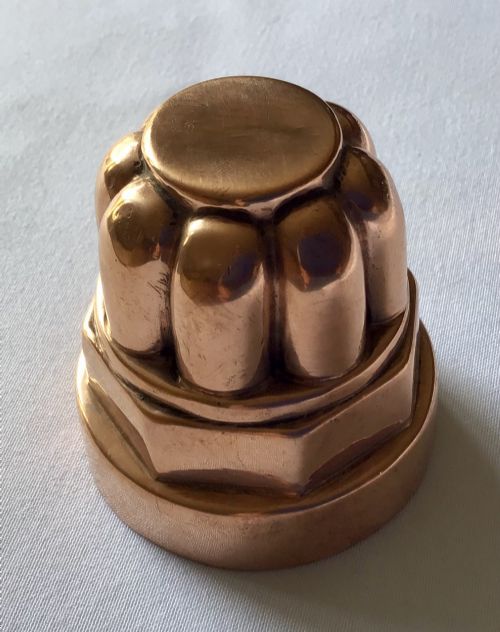
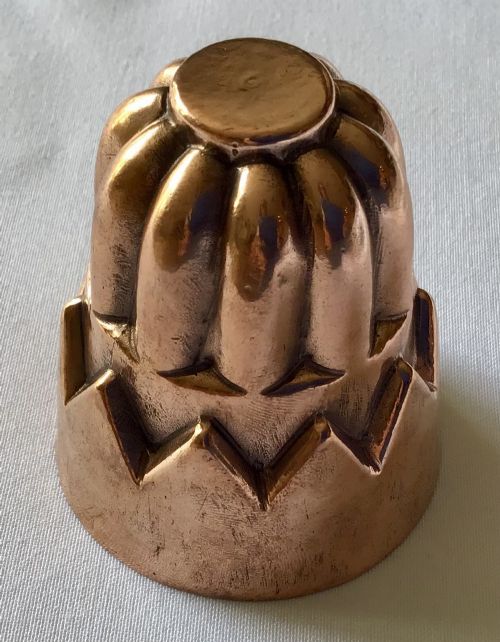
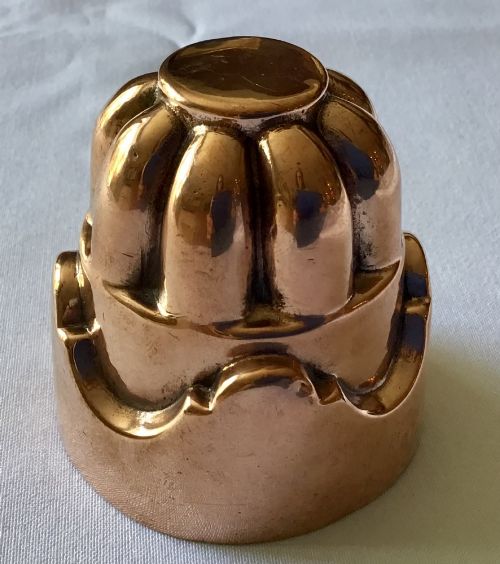
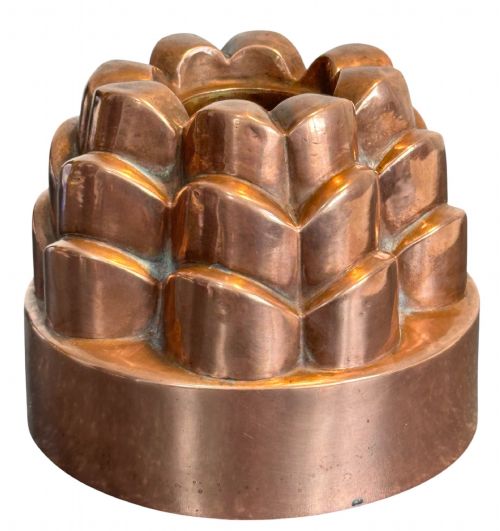
Moulds form another distinct group within this category, ranging from miniature jelly moulds to castle top designs and lidded ice cream pots. These pieces display detailed shaping intended to impart pattern onto food before table service.
Most items emerge from the nineteenth century and the Victorian period, though occasional pieces stretch back to the Georgian era or forward into the early twentieth century. Sets of matching pans and individual heavy vessels dominate the forms available.
Materials and construction
Construction relies primarily on heavy gauge copper formed into bowls, pans and intricate mould shapes, often complemented by brass handles, iron fittings and wooden elements. Hand-beaten techniques leave subtle surface marks that reveal the manual labour involved in shaping the metal.
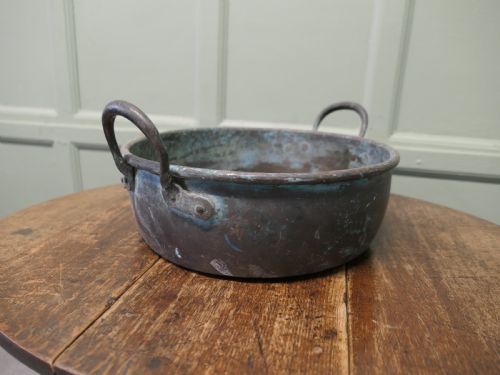
Interiors receive a protective lining of tin to prevent toxic reactions between acidic foods and the copper surface during cooking. Rivets secure handles made of brass or iron firmly to the main body of each saucepan and preserving pan.
Victorian Copper Cookware Retail Price Guide 2026
Typical asking prices for victorian copper cookware among the pieces listed under this phrase on Sellingantiques today, from the lower quarter to the upper quarter. They describe what is for sale here now, not the wider market.
Harrods once retailed lidded ice cream pots made from heavy English copper, proving that frozen treats demanded serious kitchen hardware.
Factors of quality
Wall thickness dictates the durability and heat distribution of each vessel, with heavy gauge metal representing superior production standards. Thicker copper resists denting and maintains steady temperatures during extended preserving or sauce-making tasks.
Maker marks and retailer stamps elevate specific items, alongside crispness of detail in embossed patterns and jelly moulds. The survival of the original tin lining and sturdy, uncompromised handles also influence the standing of individual pieces.
Hodges & Sons·Harrods·Griffiths Patent
The Victorian Copper Cookware Glossary
- Tin lined
- Coated internally with a thin layer of tin to create a safe barrier between copper and food. This lining requires periodic renewal through retinning when the base metal begins to show through.
- Gauge
- The thickness of the metal sheet used to form the vessel. Heavy gauge indicates a robust wall designed for professional or heavy domestic kitchen use.
- Fish kettle
- An elongated metal pan equipped with a lid and internal draining rack, designed for poaching whole fish. The shape ensures even heat along the length of the catch.
- Preserving pan
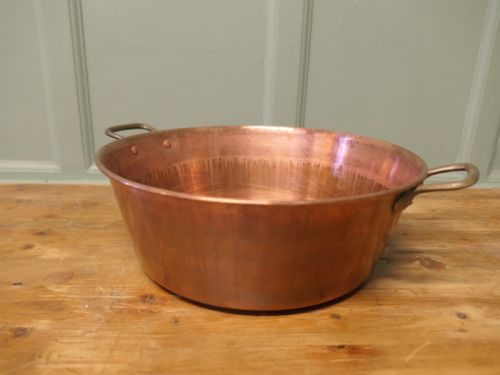
- A wide, open vessel with a rounded base intended for boiling fruit and sugar jams. The broad surface encourages rapid evaporation during the setting process.
- Castle top
- A decorative architectural motif pressed into the upper rim of jelly moulds. It creates a turreted silhouette on turned-out jellies and blancmanges.
Victorian Copper Cookware: Frequently Asked Questions
Can I still cook with antique copper pans?
Many antique copper pans remain structurally sound for modern use provided the interior tin lining is intact and clean. You should check the surface condition before heating food.
Pan interiors showing exposed copper require professional retinning to prevent metallic transfer into acidic ingredients during cooking.
How do I clean tarnished copper cookware?
Traditional cleaning involves applying a mild acidic paste made from salt and vinegar or lemon juice, then rubbing gently with a soft cloth. This lifts oxidation without scratching the metal surface.
Avoid harsh abrasive pads that wear away hand-beaten textures and thin outer patinas built up over decades of kitchen service.
What is the purpose of tin lining?
Tin acts as a protective barrier preventing copper from reacting chemically with acidic foods like fruit, wine and vinegar. Unlined copper can leach harmful compounds into meals.
Victorian cooks relied on this internal coating to keep sauces and jams safe for consumption while benefiting from the thermal conductivity of copper.
How do I identify a genuine nineteenth-century piece?
Authentic nineteenth-century pieces display hand-beaten surface irregularities, heavy gauge metal construction and dovetailed or riveted seams rather than modern machine welds. Maker marks or patent stamps also help confirm the era.
Compare the weight and handle fixings against standard factory reproductions to spot older domestic kitchenware.