


Antique Copper Mould
These antique copper mould examples bring nineteenth century kitchenware into modern spaces with heavy gauge metal and intricate shapes.
What these pieces are
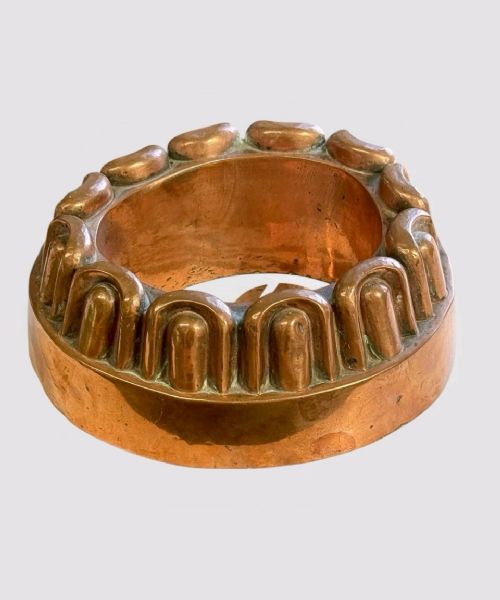
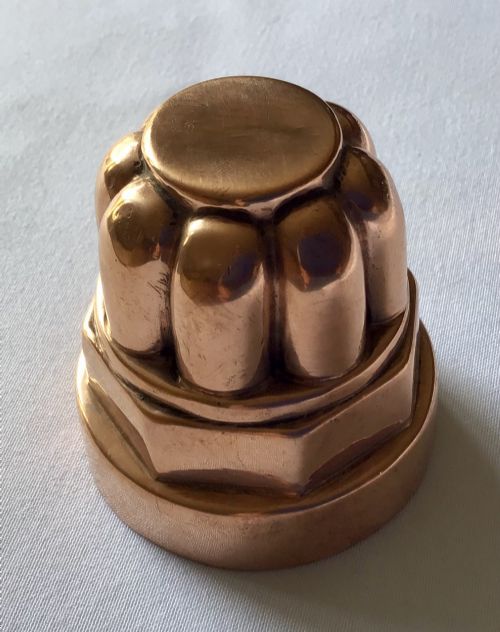
An antique copper mould is a culinary vessel used to shape jellies, puddings, ice creams, and savoury dishes in nineteenth century kitchens. The evidence shows kitchenware originating from English and French workshops, predominantly dating to the Victorian period.
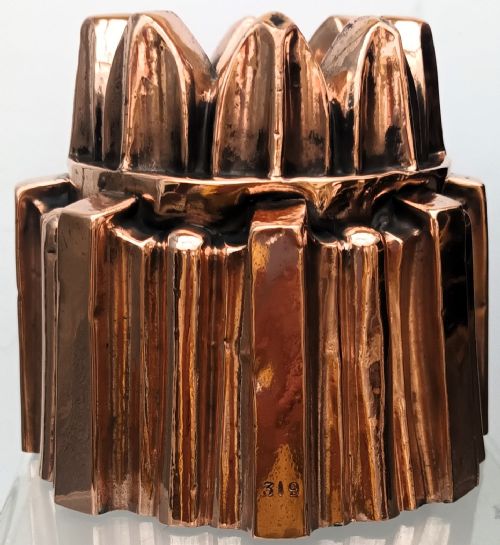
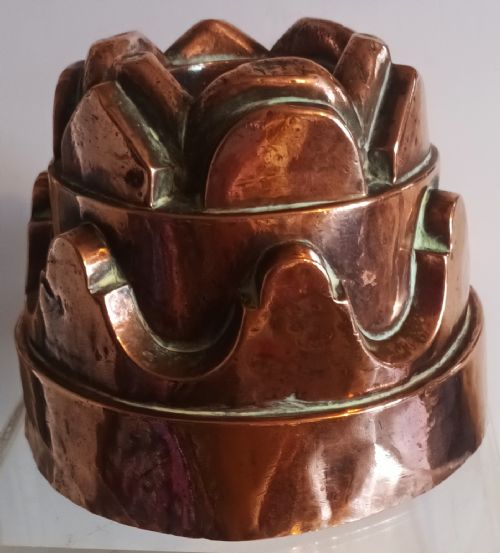
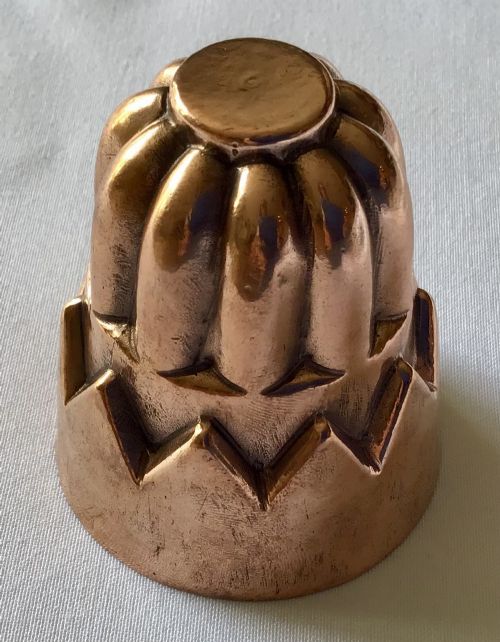
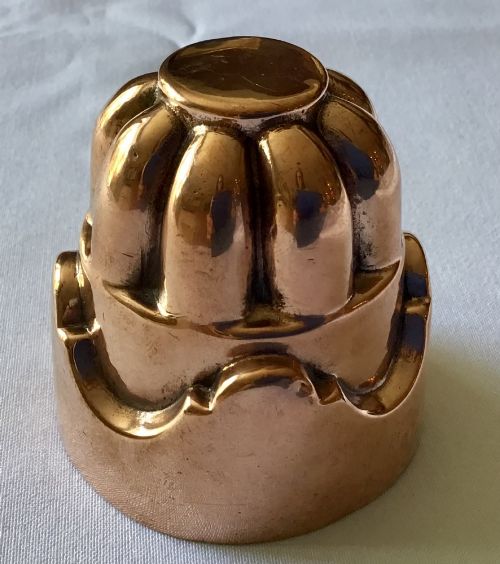
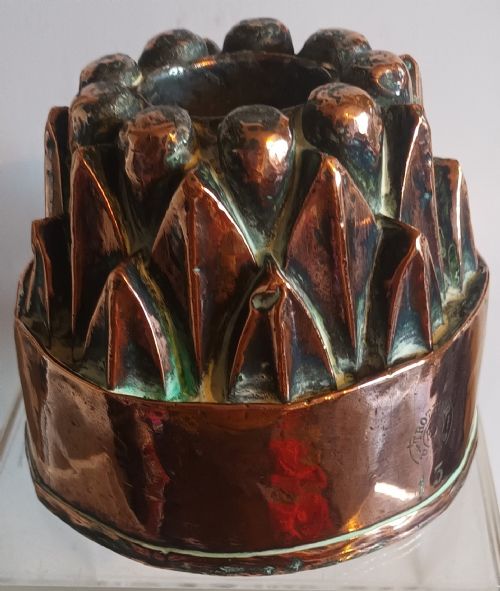
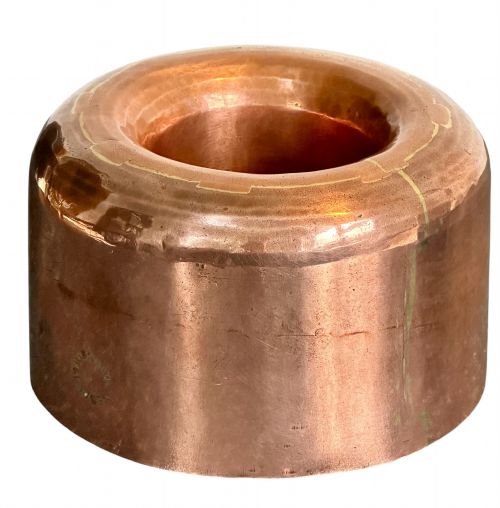
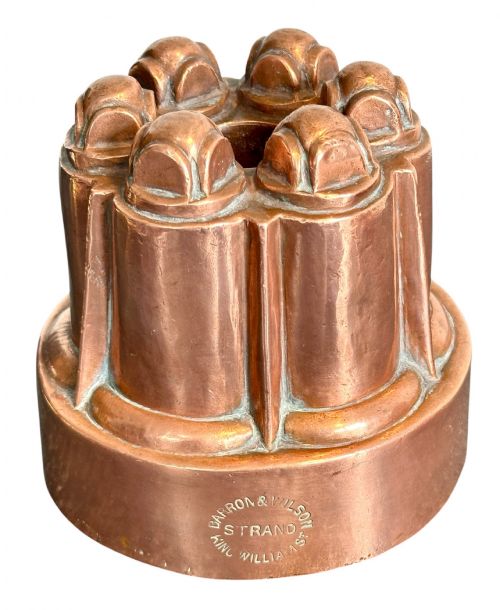
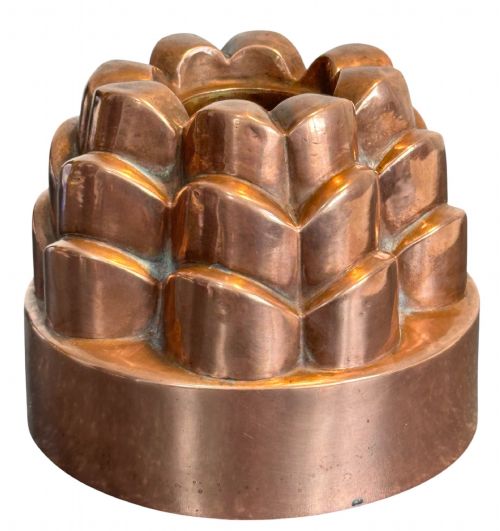
Buyers will encounter various forms on this page, ranging from standard kitchen moulds to miniature jelly moulds and lidded ice cream pots. Pieces often feature distinct architectural designs, such as castle tops, alongside simpler oval and pattern-numbered shapes.
How they were made
These items are constructed from heavy gauge copper sheets, frequently lined with tin on the interior to prevent direct food contact with the reactive metal. Some examples incorporate brass elements or specific lidded designs for sealing contents during preparation.
The distinct shapes and castle tops are achieved through meticulous hand-beating and sinking techniques over iron stakes. Workshops stamped numbers, such as pattern indicators, directly into the metal surface during fabrication.
Retail Price Guide 2026
Typical UK retail prices for copper mould, calculated from the Sellingantiques database of over a million retail prices indexed since 2003. This retail price guide relies exclusively on Sellingantiques data; no external sources or auction records are used, so the figures do not describe the wider market.
The listings on this site combine heavy copper and tin materials with brass components across Victorian kitchenware.
What varies in quality
Quality rests in the weight of the copper sheet and the crispness of the raised interior design. Superior pieces retain deep, sharp relief in motifs like castle tops, whereas lesser examples show softened edges from heavy wear or polishing.
The integrity of the internal tinned surface and the precision of the seaming distinguish high workshop output from standard utility kitchenware. Maker marks or retailer stamps add distinction to surviving specimens.
Trottier·Benham And Froud·Harrods·Benham
The Antique Copper Mould Glossary
- Tin lining
- A protective layer applied to the interior of copper cookware to prevent copper toxicity when preparing food. This coating requires periodic maintenance.
- Castle top
- A decorative architectural motif forming the raised top of a jelly mould, reminiscent of crenellated walls. These detailed designs create elaborate patterns on turned-out food.
- Ice cream mould
- A lidded metal pot designed to be packed in ice for freezing desserts. These pieces often feature secure fitting lids.
- Miniature mould
- A scaled-down version of a standard culinary mould, produced for individual portions or ornamental display. They demand high skill to form at a small scale.
Frequently Asked Questions
How do I clean an antique copper mould?
Wash the piece gently in warm soapy water using a soft cloth, avoiding harsh abrasive pads that scratch the metal surface.
Polish the exterior with a dedicated copper cleaner if you prefer a bright finish, or leave the natural aged patina undisturbed.
Can I still use these moulds for cooking?
Modern use depends entirely on the condition of the internal tin lining. If the tin is worn away exposing raw copper, food safety guidelines advise against direct contact.
Many collectors prefer to display these items on kitchen walls or shelves rather than risking damage through active culinary use.
How do I identify a Victorian piece?
Victorian examples display characteristic weight, hand-beaten construction marks, and specific nineteenth century design motifs like castle tops. Retailer names or pattern numbers stamped into the metal often confirm the era.
French pieces from the same timeframe share similar heavy copper gauges but differ slightly in handle placement and rim finishing.
Why do some moulds have numbers on them?
Makers stamped pattern numbers or size indicators onto the copper to help kitchen staff match the vessel with its corresponding lid. These numbers also allowed large Victorian households to order specific designs from catalogues.
Benham pieces frequently display these distinct identification stamps near the rim.