


Copper Food Mould
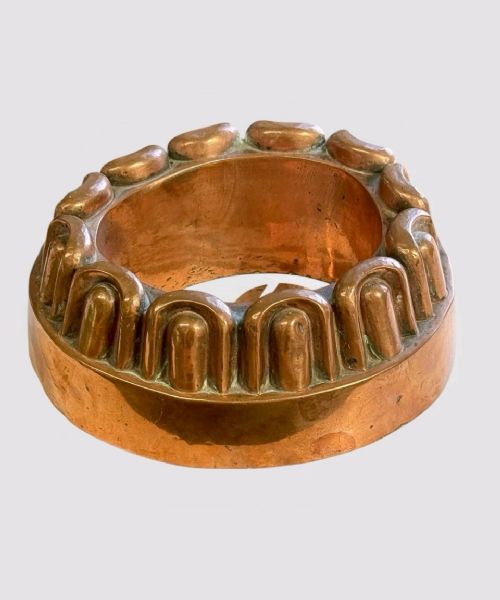
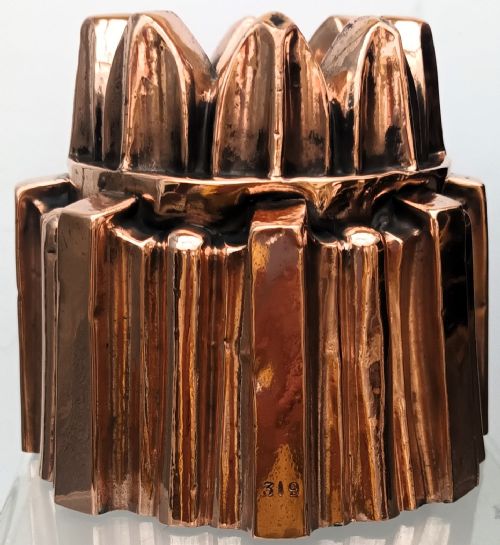
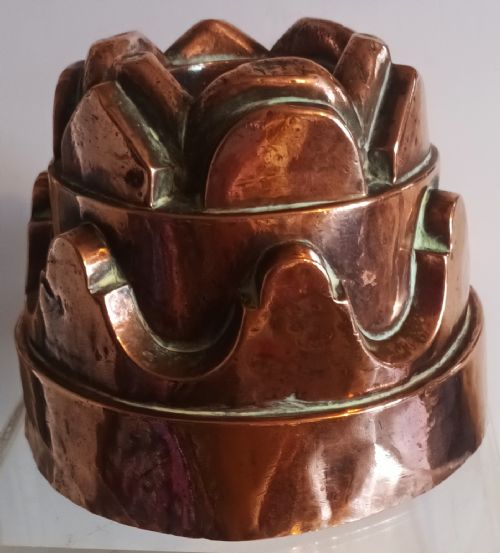
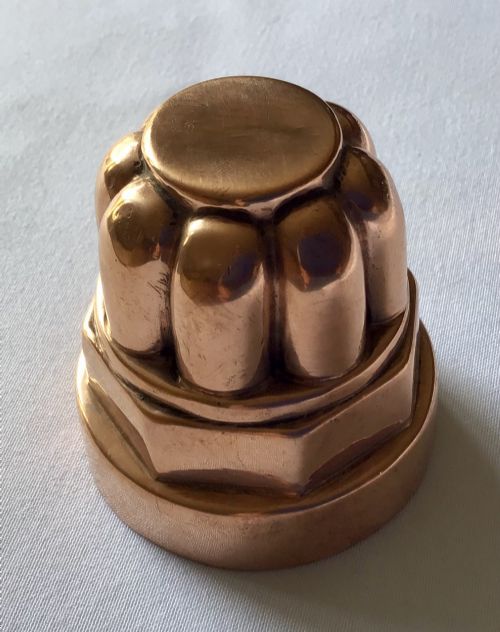
These copper food mould pieces bring Victorian culinary artistry to the modern kitchen, offering both decorative charm and historic craftsmanship.
What copper food mould pieces are
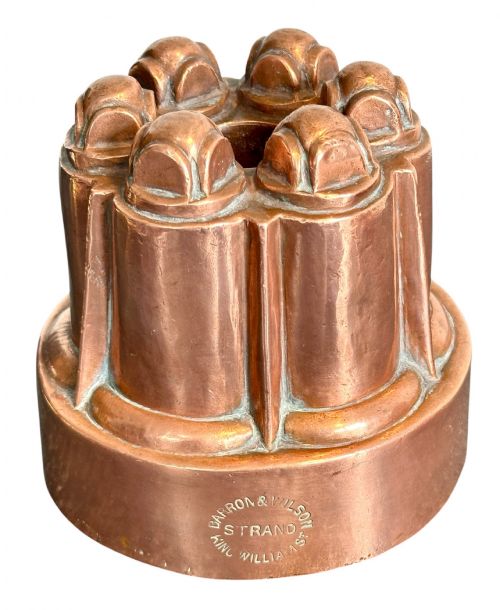
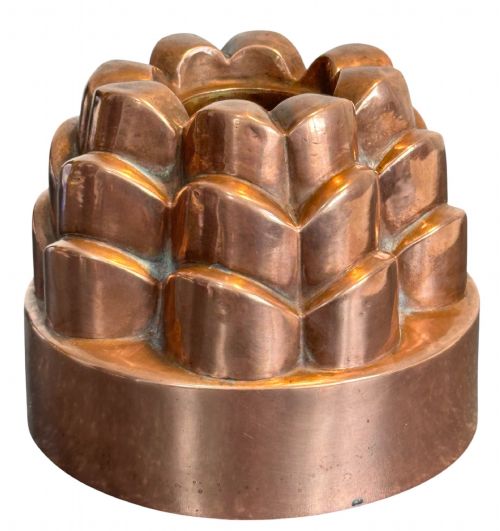
When you search for copper food mould items, you are looking at kitchenware designed to shape jellies, puddings and savouries during the nineteenth century. These kitchen collectables survive primarily as Victorian culinary moulds fashioned in heavy metal.
The pieces on this page are predominantly Victorian kitchenalia originating from nineteenth-century English workshops. Collectors most frequently meet standard kitchen moulds alongside smaller decorative forms.
Specialised culinary moulds take various shapes, including miniature jelly variants and figural items such as cat moulds. Each object reflects the domestic preparation methods of the Victorian era.
How they were made
These items are constructed using durable base metals, predominantly employing copper for the exterior shell and structural body. Bronze components sometimes appear alongside the main copper construction.
Interior surfaces are typically lined with a thin layer of tin to prevent food from reacting directly with the copper. Artisans shaped the metal sheets by hand or through early industrial pressing techniques to achieve intricate fluted and figural designs.
Retail Price Guide 2026
Typical UK retail prices for copper food mould, calculated from the Sellingantiques database of over a million retail prices indexed since 2003. This retail price guide relies exclusively on Sellingantiques data; no external sources or auction records are used, so the figures do not describe the wider market.
What varies in quality
Quality in a copper food mould is judged by the crispness of the interior definition and the weight of the metal used. Pieces with deep, sharp relief and robust wall thickness represent the upper tier of nineteenth-century production.
The integrity of the internal tin lining and the smoothness of the exterior metal finish distinguish standard utility kitchenware from finer decorative culinary moulds. Heavy gauge construction ensures the form holds its shape through repeated use.
The Copper Food Mould Glossary
- Kitchenalia
- Domestic utensils and equipment collected for their antique or decorative value. This encompasses various metal and ceramic items used in historic kitchens.
- Jelly mould
- A specialised culinary vessel featuring internal flutes or figural designs to shape set desserts. These items were essential for elaborate Victorian dining displays.
- Tin lining
- A protective metallic coating applied to the interior of copper cooking utensils. This layer prevents copper toxicity when acidic foods come into contact with the metal.
- Figural mould
- A culinary vessel shaped to resemble an animal, fruit or architectural form. Victorian examples often depict subjects like cats or geometric patterns.
Frequently Asked Questions
What were copper food moulds used for?
These vessels were utilised in Victorian kitchens to shape jellies, blancmanges, aspics and various puddings before serving. The conductive metal helped the contents chill quickly in cold water or ice.
Once set, the culinary creation was carefully turned out onto a platter to display the intricate patterns or figural details on the dining table.
How do I clean an antique copper mould?
Maintenance requires gentle washing with warm soapy water and a soft cloth to preserve the historic patina. Avoid harsh abrasive pads that can strip the original metal finish.
Specialist copper cleaners should be used sparingly on the exterior only if polishing is desired, leaving the interior tin lining undisturbed.
Are these moulds safe for cooking today?
While the exterior is robust copper, the historical interior tin lining often shows wear or thinning from age and past cleaning. Using them for modern food preparation requires checking that the tin layer remains intact and non-toxic.
Most collectors prefer to display these items as kitchenalia rather than using them for active culinary purposes.
How can I tell a Victorian mould from a newer copy?
Nineteenth-century pieces display authentic construction markers such as hand-cut seams, heavy gauge copper, and worn tin linings. The weight and method of joining the metal parts differ significantly from twentieth-century reproductions.
Examine the surface for natural patination and signs of genuine age rather than artificial distress.