


Victorian Copper Mould
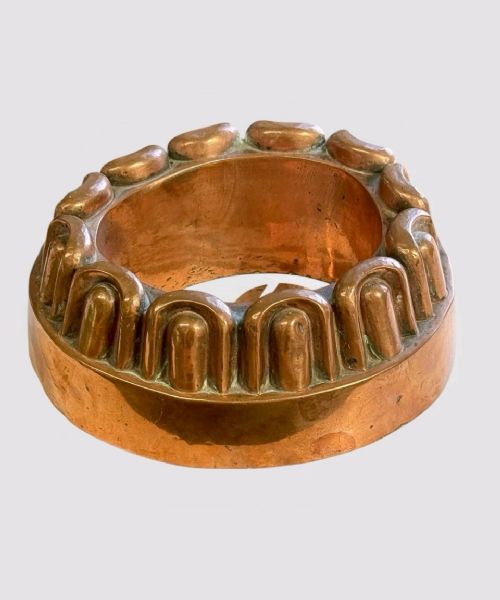
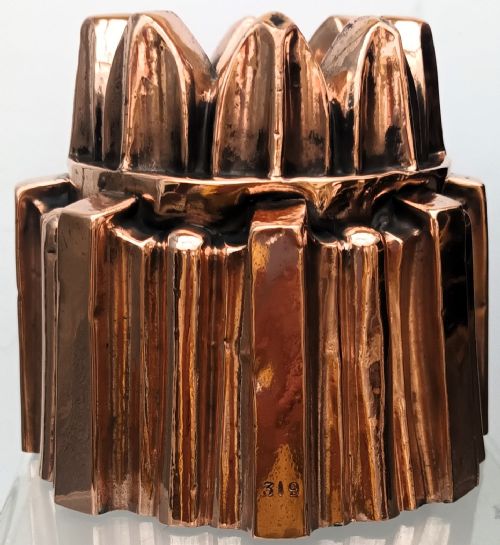
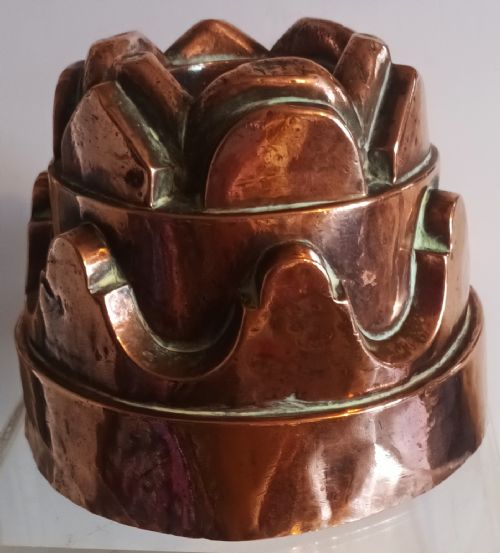
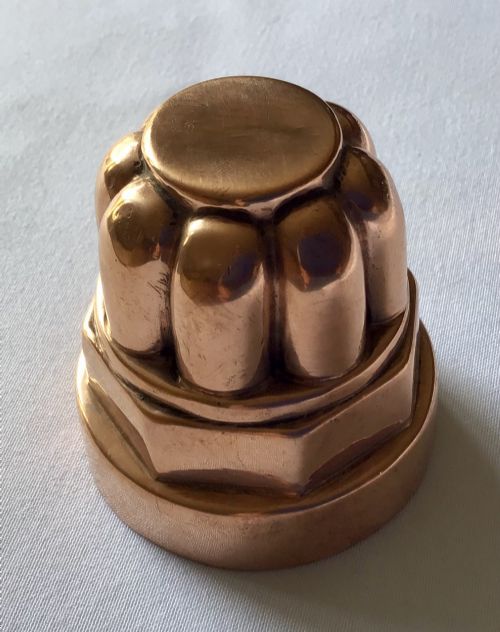
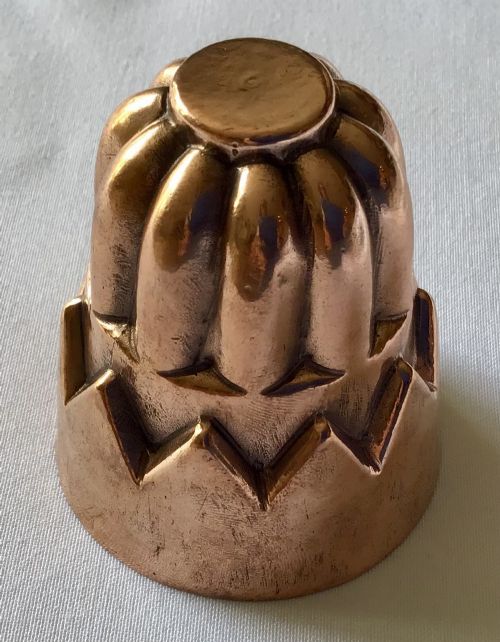
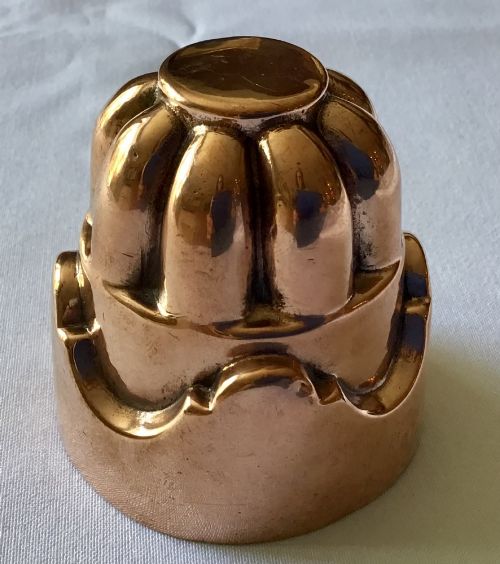
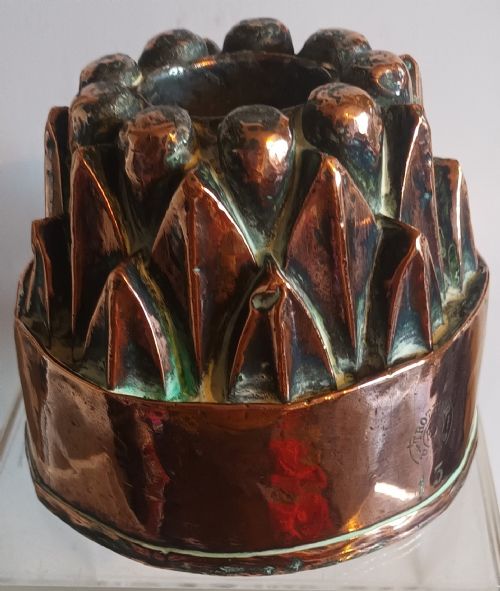
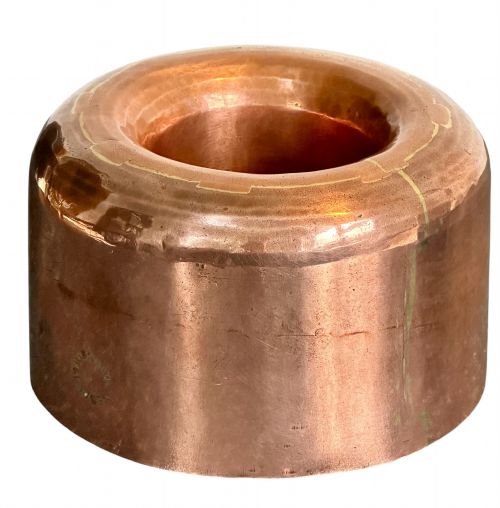
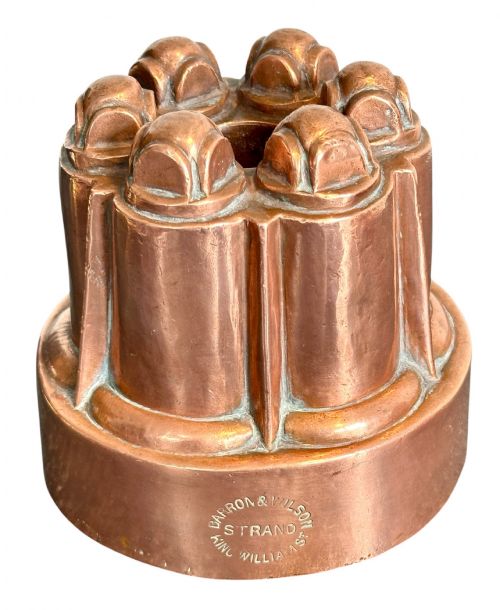
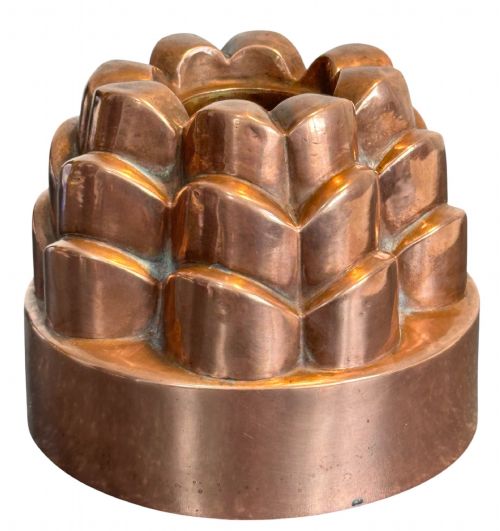
These Victorian copper mould pieces are heavy kitchenalia vessels designed to turn out striking shapes in aspic, jelly, and chocolate.
What the pieces are
A Victorian copper mould is a piece of antique kitchenware designed to shape desserts and savouries before the era of modern refrigeration. These heavy kitchen collectables appear in various forms, including jelly moulds, raised pie moulds, and lobster aspic or chocolate moulds.
The most common version met on this page is the single jelly mould, often shaped with interior flutes, castles, or chain-link motifs. Miniature examples and matching sets also surface regularly, showing how kitchens produced graduated desserts for the table.
How they were made
These kitchenalia pieces are formed from heavy gauge copper sheets, hammered or spun into intricate internal shapes that transfer fine details to the food. The metal provides excellent thermal conductivity, helping contents set evenly.
Interiors are lined with a thin layer of tin to prevent the copper from reacting with acidic food ingredients. Many examples carry maker stamps, model numbers, or registration marks punched directly into the metal rim.
Retail Price Guide 2026
Typical UK retail prices for victorian copper mould, calculated from the Sellingantiques database of over a million retail prices indexed since 2003. This retail price guide relies exclusively on Sellingantiques data; no external sources or auction records are used, so the figures do not describe the wider market.
Listings for this phrase include both 19th Century and Victorian periods, utilising copper and tin materials across kitchenalia forms.
What varies in quality
The weight of the copper and the crispness of the internal design separate standard kitchen vessels from superior examples. Deeper fluting and complex architectural motifs demand greater skill from the coppersmith.
Original tin linings remaining intact inside the mould indicate better preservation and careful historical use. Clear maker marks or registration numbers also elevate a piece by confirming its origin.
Benham and Froud·Jones Brothers·Adams
The Victorian Copper Mould Glossary
- Aspic mould
- A kitchen vessel used to set savoury meat or fish stock into clear jellies. These often feature detailed animal or geometric shapes.
- Castellated mould
- A culinary vessel designed with turrets and battlements to replicate a castle shape. They make striking architectural desserts.
- Tin lining
- A protective coating applied to the interior surface of copper kitchenware. This layer stops copper toxicity in acidic foods.
- Kitchenalia
- Domestic utensils and equipment collected as antiques. This category covers everything from jelly moulds to copper pots.
Frequently Asked Questions
How do I clean an antique copper mould?
Wash the piece gently in warm soapy water using a soft cloth to protect the metal surface. Avoid abrasive scourers that remove the remaining antique patina.
Dry the vessel thoroughly after washing to prevent water spots. Specialist copper cleaners can polish the exterior while leaving the interior tin lining undisturbed.
Can I still use these moulds for cooking?
Many of these antique vessels remain structurally sound for culinary use if the interior tin lining is intact and clean. You should check the condition of the metal before preparing food.
Modern cooks often use them for chilled jellies, panna cottas, or decorative chocolates. Hand washing is essential to preserve the delicate metalwork.
How do I identify a Benham and Froud mould?
Look for the specific manufacturer stamp punched into the rim or base of the copper vessel. Benham and Froud items frequently feature a globe and cross logo alongside model numbers.
These marked pieces represent standard nineteenth century production from a prominent London workshop. The quality of the heavy copper gauge also helps signal their origin.
Why do some moulds have numbers on them?
Coppersmiths stamped model numbers onto kitchenware to help cooks match specific shapes and sizes in the kitchen. These numbers often correspond to catalogue entries from the maker.
Matching sets sometimes share identical numbering across multiple pieces. Registration diamond marks can also appear, indicating the exact date the design was officially registered.