


Copper Culinary Mould
These copper culinary mould examples bring heavy Victorian metalwork and fine kitchen display straight to your countertop.
Copper Culinary Mould
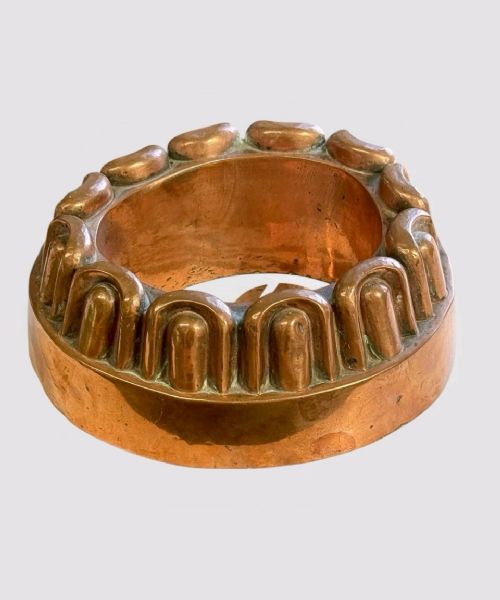
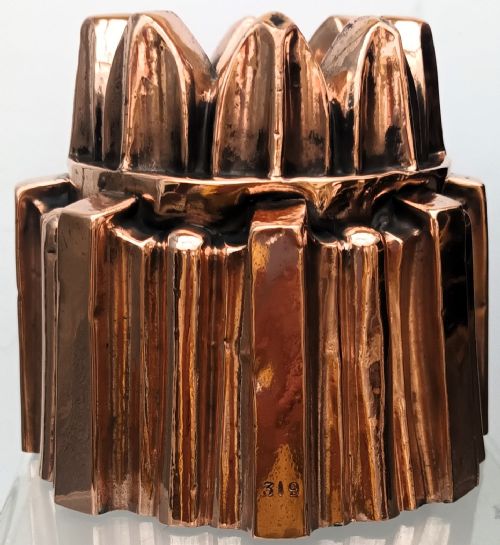
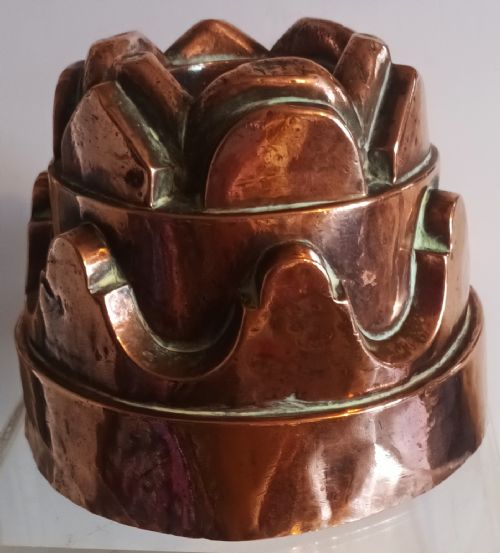
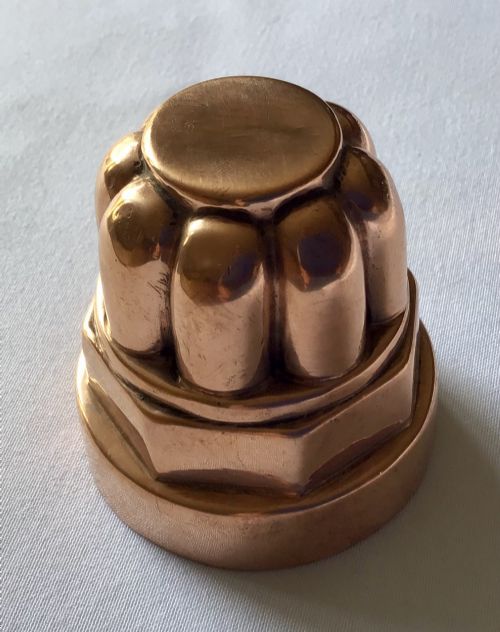
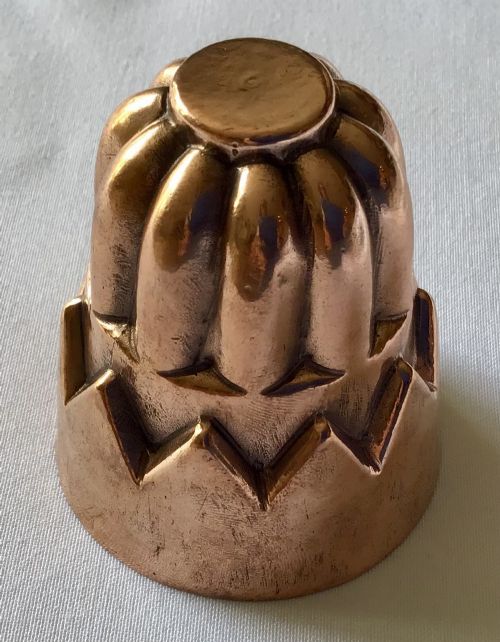
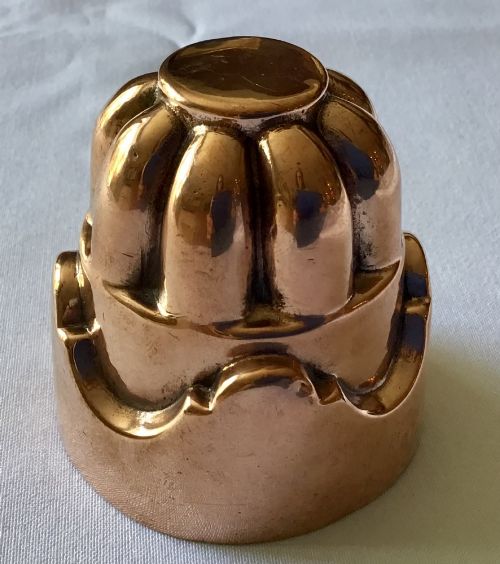
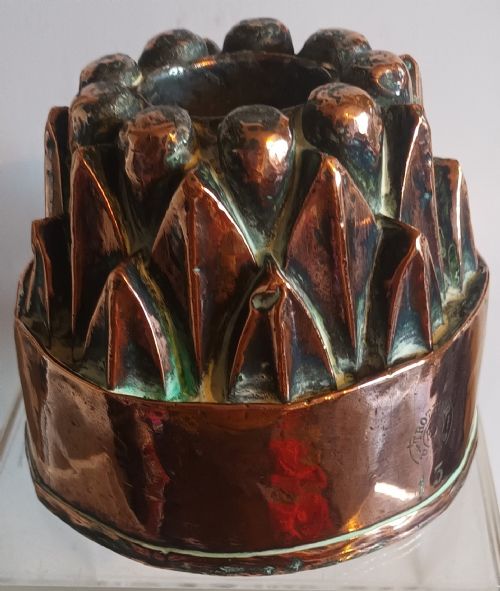
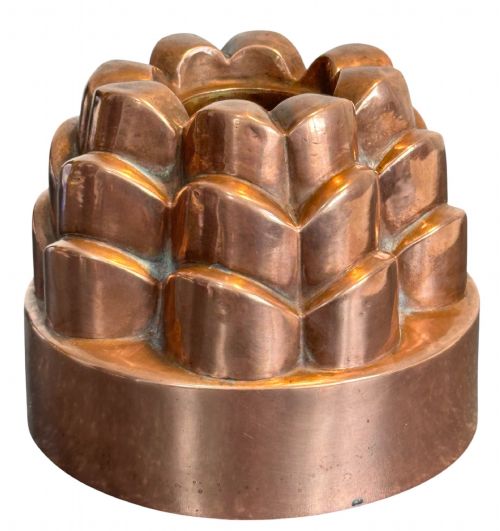
When you search for a copper culinary mould, you encounter heavy kitchenware designed for shaping jellies, creams, and ice cream during the Victorian era. These items range from miniature jelly moulds to lidded pots and decorative shapes featuring architectural castles or animals.
You are most likely to meet Victorian and 19th-century English or French kitchen pieces on this page. The forms include dedicated jelly moulds and specialised ice cream moulds intended for serious nineteenth-century food preparation.
Each copper culinary mould carries the distinct utilitarian history of nineteenth-century domestic service. The forms survive as kitchen collectables that transition easily from working vessels to decorative kitchenalia.
How they were made
The makers formed these vessels primarily from heavy copper sheet, shaping the metal over specialised forms to create intricate internal designs such as castle tops and cat figures. This heavy metal construction provided the thermal conductivity necessary for chilling desserts.
Internal surfaces received a protective lining of tin to prevent food from reacting with the copper base. Artisans sometimes incorporated brass or bronze elements, while lidded pots required careful fitting to seal contents during the cooling process.
Copper Culinary Mould Retail Price Guide 2026
Typical asking prices for copper culinary mould among the pieces listed under this phrase on Sellingantiques today, from the lower quarter to the upper quarter. They describe what is for sale here now, not the wider market.
What varies in quality
The complexity of the raised internal design dictates much of the visual distinction across these pieces. Elaborate architectural motifs like castle tops or distinct animal shapes demand greater skill in metal shaping than plain circular forms.
The integrity of the original tin lining and the weight of the copper sheet itself separate ordinary kitchen utilitarian items from finer decorative examples. Maker association, such as French workshops or retailers like Harrods, adds historical weight to individual pieces.
Trottier·Harrods
The Copper Culinary Mould Glossary
- Copper culinary mould
- A heavy metal kitchen vessel used in the nineteenth century to shape jellies, ice cream, and savory dishes. These pieces feature intricate internal patterns designed to transfer detail onto the food.
- Tin lined
- The protective coating applied to the interior of copper kitchenware. This layer prevents copper toxicity when acidic foods come into contact with the metal.
- Kitchenalia
- Antiques and collectables relating to domestic food preparation and kitchen use. These items are collected today for display and historical interest.
- Miniature jelly mould
- A smaller scale version of a standard Victorian jelly mould. These compact pieces were used for individual portions.
Copper Culinary Mould: Frequently Asked Questions
What were copper culinary moulds used for?
These vessels served to shape jellies, puddings, and ice creams in nineteenth-century kitchens. Cooks relied on their thermal properties to help desserts set properly before unmoulding them for the table.
After preparation, the detailed shapes provided impressive centerpieces for Victorian dining. Today, they function primarily as decorative kitchen collectables.
Are these moulds safe for cooking?
Most antique pieces retain wear to their original interior tin linings from nineteenth-century use and subsequent cleaning. Cooking with exposed copper can cause chemical reactions with food.
Collectors generally display these items rather than use them for active baking or dessert preparation. Professional retinning is required before any modern culinary use.
How do I date a Victorian copper mould?
Dating relies on manufacturing techniques, weight, and retailer marks typical of the nineteenth century. Heavier hand-formed copper construction points to the Victorian period.
Specific stamps or attribution to makers such as Trottier or retailers like Harrods help narrow the origin. Stylistic motifs like castle tops also reflect Victorian design trends.