


Victorian Jelly Mold
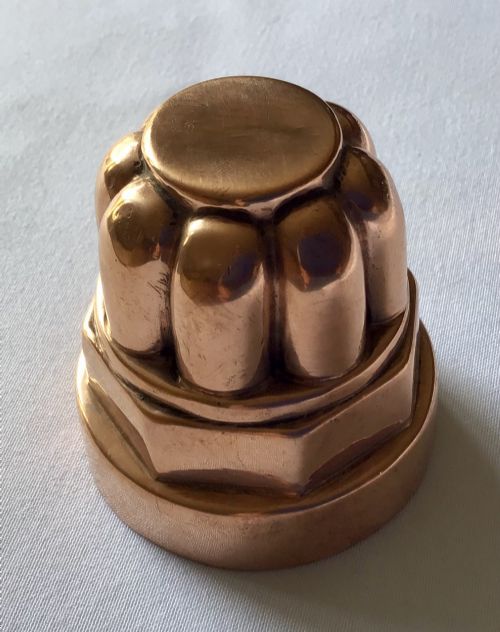
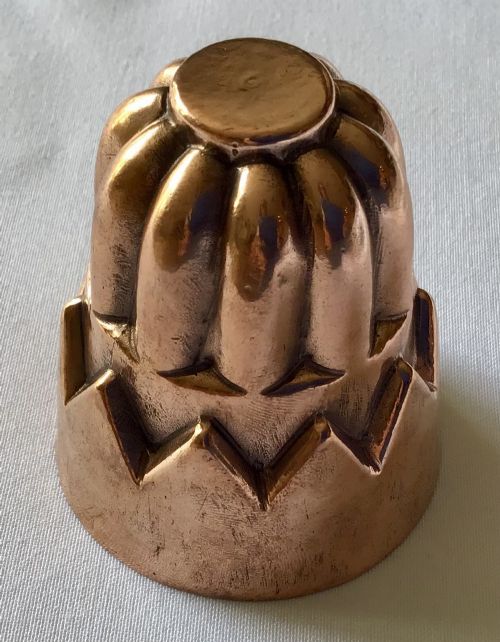
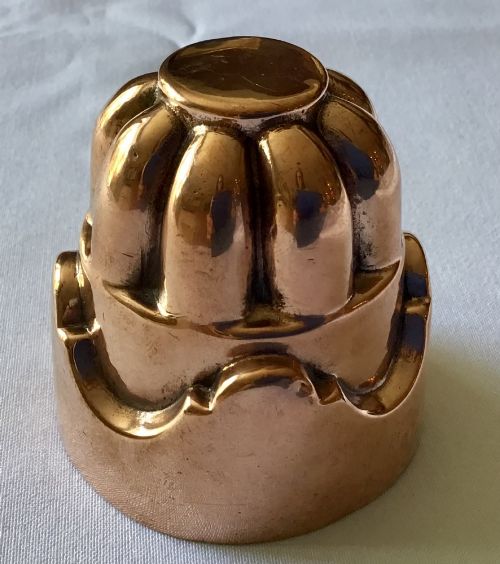
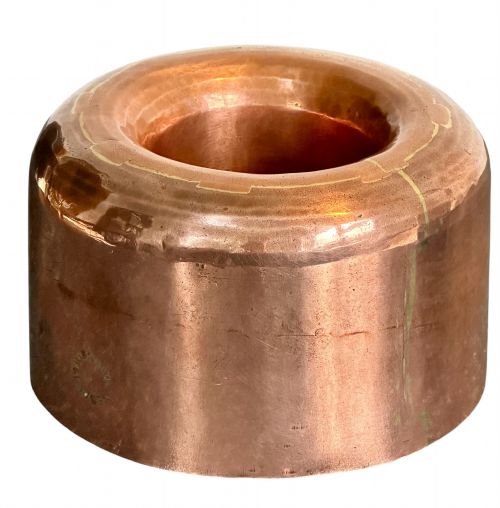
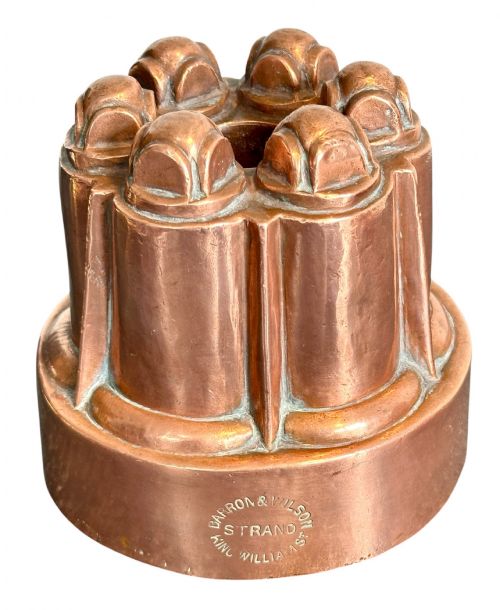
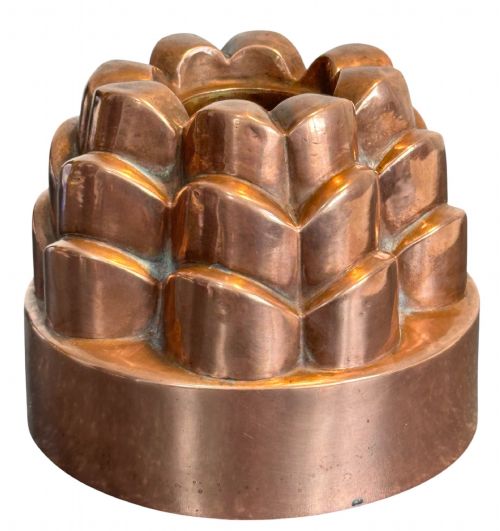
These Victorian jelly moulds are sculptural kitchenalia forged from copper, tin, and earthenware to shape elaborate table desserts.
Victorian Jelly Mold
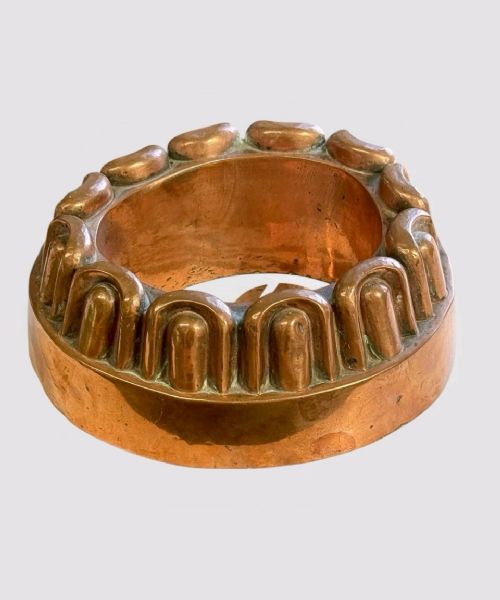
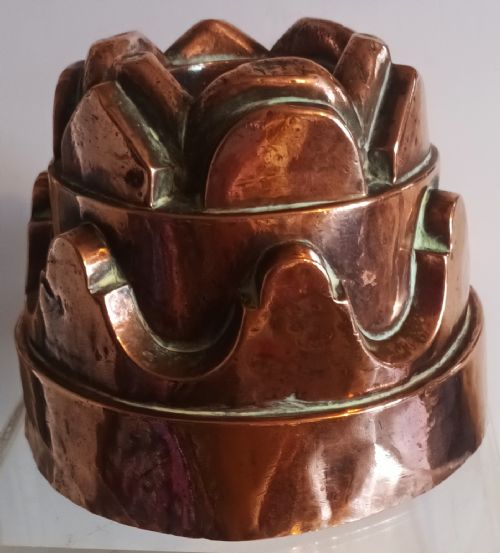
When you search for victorian jelly moulds, you encounter functional kitchen vessels designed to transform jellies, custards, and creams into striking sculptural shapes for the dining table. The selection spans robust copper kitchenalia, miniature versions, and cream glazed earthenware pieces featuring distinct motifs.
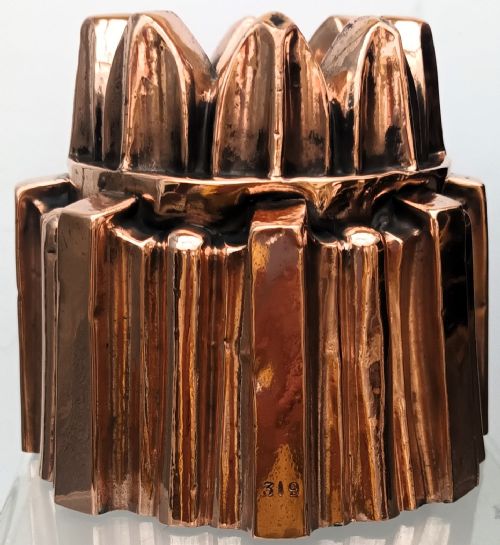
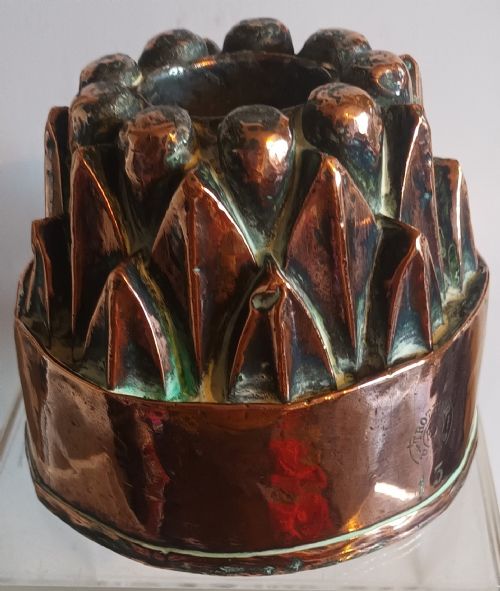
You meet heavy copper moulds lined with tin, alongside earthenware examples decorated with fruit, animal, and architectural designs. The forms range from standard culinary moulds to lidded ice cream pots and intricate castle top designs from the nineteenth century.
How they were made
Makers shaped sheet copper by hand, hammering the metal over carved wooden or iron stakes to create deep fluted cavities and sharp interior details. These copper vessels received a protective interior lining of tin to prevent food from reacting with the base metal.
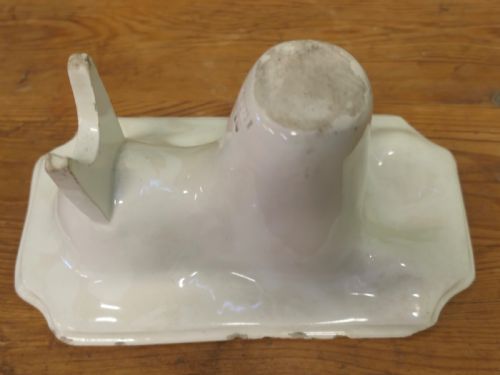
Potters cast earthenware bodies in multi-part moulds, applying cream glazes before firing the pieces in kilns to achieve smooth, impermeable surfaces suitable for setting culinary mixtures.
What varies in quality
The precision and depth of the chased or raised motifs separate standard kitchen vessels from superior examples. Sharp architectural lines in castle designs and crisp definition in animal forms indicate a higher grade of craftsmanship.
The thickness of the metal and the intactness of the original tin lining determine the structural integrity of copper pieces. Earthenware quality rests on the evenness of the cream glaze and the absence of firing flaws across complex relief patterns.
Trottier·Harrods·Wedgwood
The Victorian Jelly Mold Glossary
- Kitchenalia
- Functional domestic utensils and equipment from earlier periods collected for their decorative and historical appeal.
- Tin lined
- A protective coating applied to the interior of copper culinary vessels to prevent copper toxicity during food preparation.
- Creamware
- A refined earthenware developed in the eighteenth century, characterised by a pale yellowish-cream transparent lead glaze.
- Castle top
- A decorative design motif featuring architectural battlements and towers, popular for nineteenth-century culinary moulds.
Victorian Jelly Mold: Frequently Asked Questions
What are victorian jelly moulds made of?
These culinary vessels utilise heavy sheet copper, tin linings, and earthenware ceramics with cream glazes. The choice of material depended on whether the piece was meant for direct stove use or cold dessert setting.
Copper dominated professional and wealthy domestic kitchens for its superior heat conduction, whilst earthenware provided stable ceramic alternatives with intricate relief decorations.
How were these moulds used?
Cooks filled the interior cavities with liquid jellies, aspics, creams, or ice cream mixtures before chilling them in ice chests or cool pantries until set. Once firm, the dessert was carefully unmoulded onto a serving dish.
The complex internal ridges and motifs ensured the turned-out dessert retained a decorative, sculptural silhouette on the dining table.
How do I clean a copper mould?
Copper kitchenalia requires gentle cleaning using non-abrasive metal polishes specifically formulated for copper surfaces to maintain the exterior lustre without thinning the metal. The interior tin lining should be washed with warm soapy water and soft cloths, avoiding harsh scrubbing.
Polishing should be done sparingly if you prefer to preserve the darkened patination accumulated over decades of age.
Are these moulds safe for cooking?
While historic pieces retain their physical form, original tin linings often show wear that exposes the underlying copper. Modern food safety standards advise against using antique vessels for food preparation unless the interior tin has been professionally restored.
Most collectors choose to display these pieces as decorative kitchenalia rather than utilising them for active culinary purposes.