



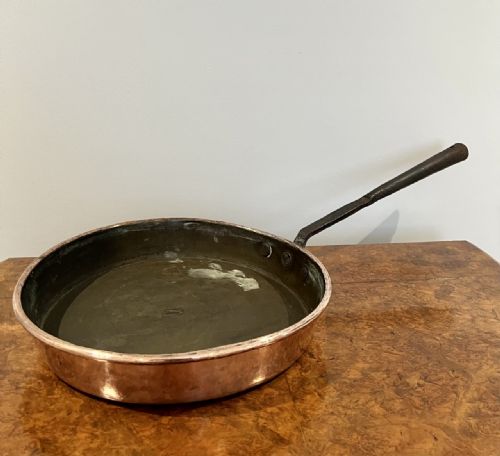

Victorian Copper Kitchen
These Victorian copper kitchen antique pieces bring heavy gauge metal and rich warm tones straight from nineteenth-century hearths.
Victorian Copper Kitchen
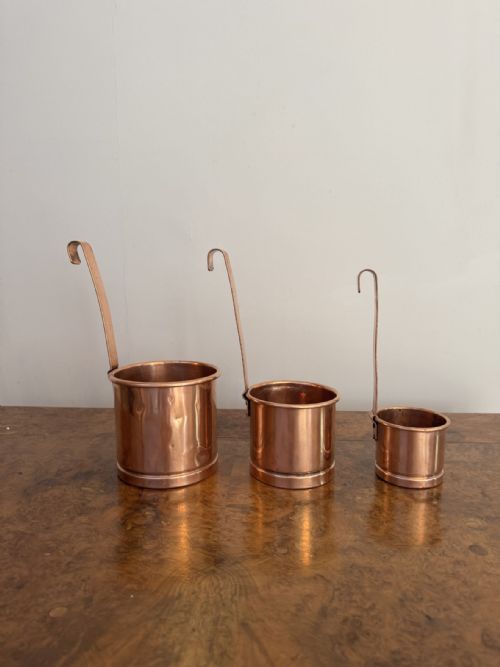
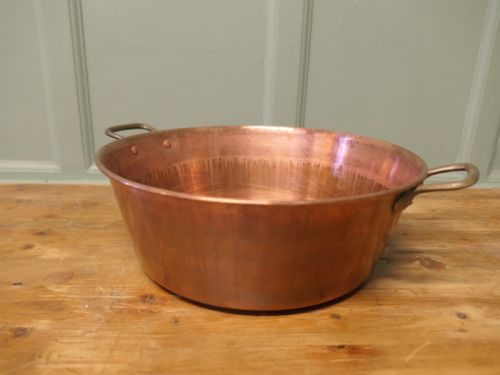
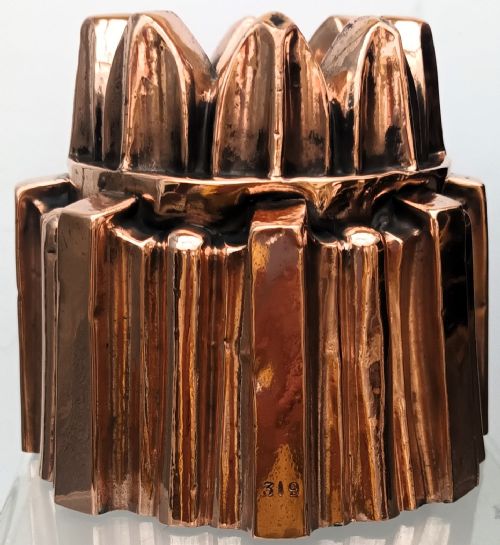
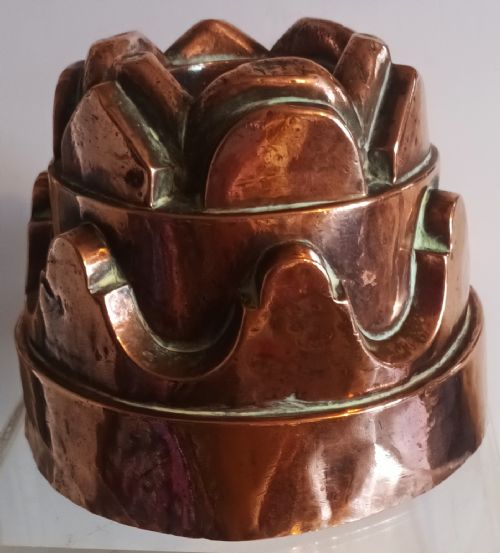
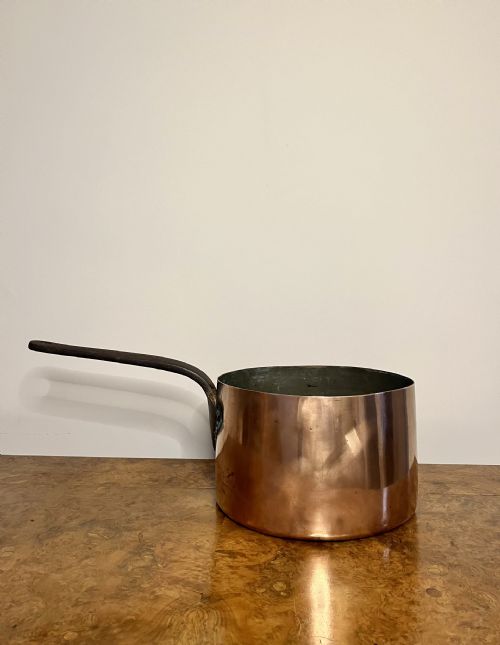
A victorian copper kitchen antique search brings up heavy cookware, jelly moulds, saucepans, jam pans, and kitchenalia from the nineteenth century. These kitchen implements range from large double-handled preserving pans down to miniature moulds and measures.
Buyers commonly meet utilitarian pans, heavy saucepans, and detailed kitchen moulds in these listings. The objects reflect both domestic country kitchens and formal culinary preparation of the period.
Origins stretch across English and French workshops, encompassing Georgian survivals alongside standard Victorian pieces. Forms span from simple cream setting pans and jersey cans to marked measures and lidded cooking vessels.
Materials and Construction
Makers shaped these vessels primarily from heavy copper sheeting, often incorporating brass handles, iron fastenings, and interior tin linings for safe food preparation. Riveted seams and dovetailed bases provide the structural integrity required for daily hearth use.
Cast iron and brass components appear on heavier pans and saucepans to provide durable handles and stability. The combination of malleable copper with sturdier metals formed functional culinary equipment built to withstand intense heat.
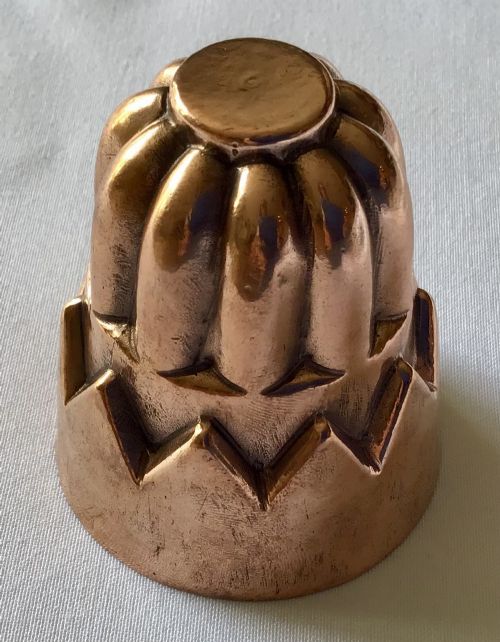
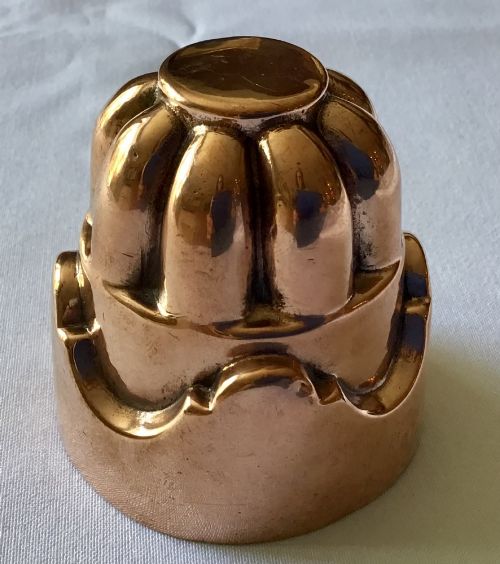
Miniature jelly moulds prove that Victorian dinner guests deserved tiny, perfectly fluted jellies just as much as anyone else.
Assessing Quality
Thickness of gauge metal dictates durability, with heavier pans holding shape better under heat than lighter counterparts. Superior vessels display careful hand-beating, neat dovetailed joints, and robust handles securely attached with multiple rivets.
Maker identification elevates certain pieces, particularly when workshop names or patent stamps appear on the metal. The crispness of detail in moulded copper kitchenware also separates utilitarian items from finer decorative work.
Hodges and Sons·Trottier·Griffiths Patent·Benham and Froud
The Victorian Copper Kitchen Glossary
- Kitchenalia
- Utilitarian objects and utensils once used in domestic food preparation. These items form the backbone of nineteenth-century culinary collections.
- Jam Pan
- A large, wide vessel designed for boiling fruit and sugar. They feature deep basins to prevent bubbling over during intense preserves making.
- Jersey Can
- A tall, narrow metal container used for storing or transporting liquids such as cream or milk. They display characteristic spouts and sturdy carrying handles.
- Dovetailed
- A method of joining flat metal plates together with interlocking fingers before hammering smooth. This technique creates a secure, solder-sealed base on heavy pans.
- Tin Lining
- A protective interior coating applied to copper cookware to prevent toxic reactions with acidic foods. Safe historical usage relied entirely on this thin metallic layer.
Victorian Copper Kitchen: Frequently Asked Questions
Are antique copper pans safe for cooking?
Most antique copper pans require a fresh interior tin lining before modern cooking use. Historical vessels were tinned to prevent direct food contact with copper, and centuries of wear often thin this layer.
Buyers intending to cook with these pieces should consult a specialist retinner. Many collectors prefer to display them as decorative kitchenalia rather than risking the historical surfaces.
How do I clean old copper?
Traditional cleaning relies on mild acidic solutions like lemon juice and salt to dissolve oxidation without scratching the metal. Vigorous polishing removes the aged patina that collectors value on nineteenth-century surfaces.
Gentle washing with warm soapy water removes daily dust while preserving dark areas in crevices. Harsh abrasive scouring pads ruin the hand-beaten texture of old kitchenware.
What is a jelly mould used for?
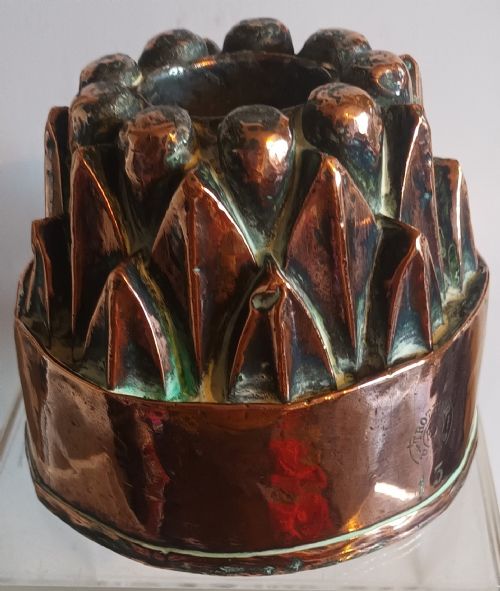
Victorian cooks used copper moulds to shape moulded aspics, jellies, and blancmanges for formal dining tables. The intricate fluted designs created elaborate decorative centrepieces during dinner parties.
These small vessels often feature hanging loops so staff could store them on kitchen walls when not in service.
How can I tell a Georgian pan from a Victorian one?
Georgian copper vessels generally exhibit heavier hand-forged construction with distinct dovetailed base seams and simpler handle attachments. Victorian pieces often show more standardised manufacturing methods alongside patent stamps and maker marks.
Form styles also shift, as earlier Georgian shapes prioritized sheer utility while Victorian pieces introduced specialised moulds and branded foundry items.