
Copper Kitchenware
These copper kitchenware antique pieces bring honest utility and warmth to a room, offering tactile connection to centuries of domestic life.
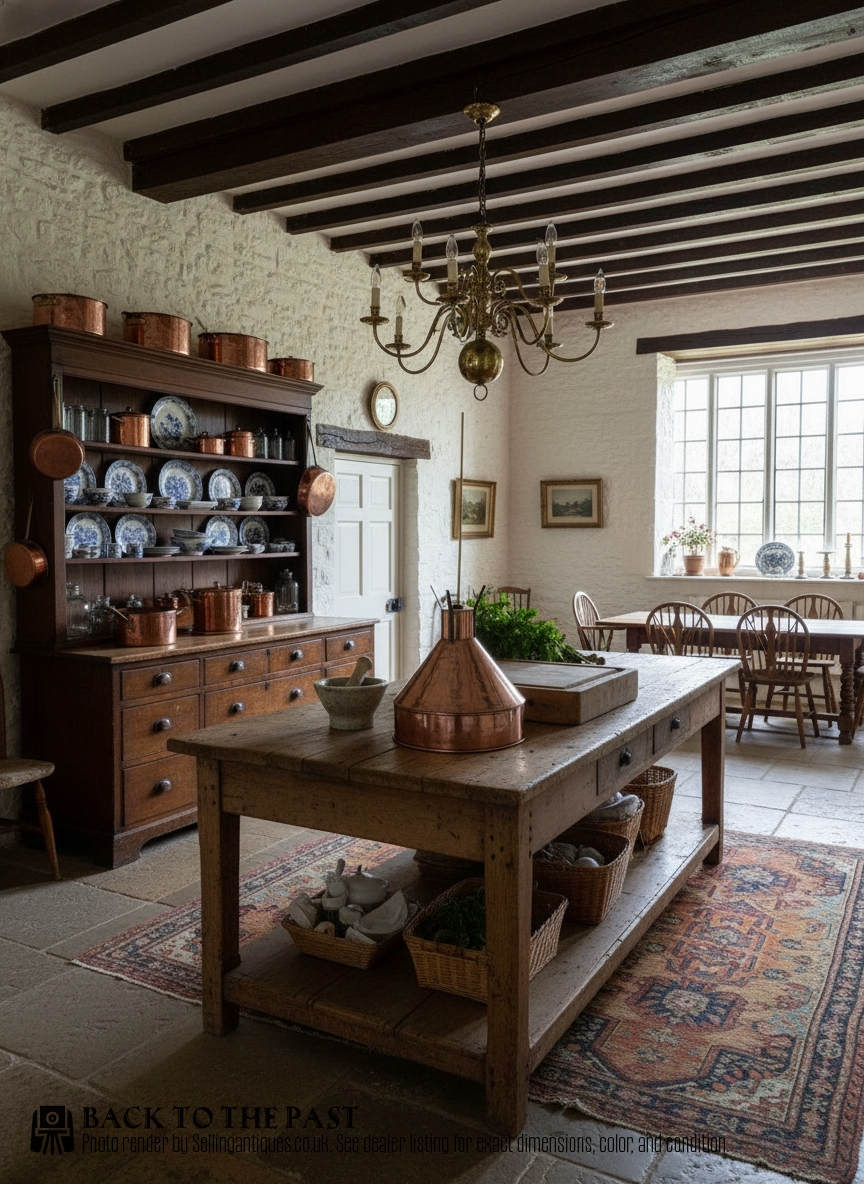
What copper kitchenware antique items are
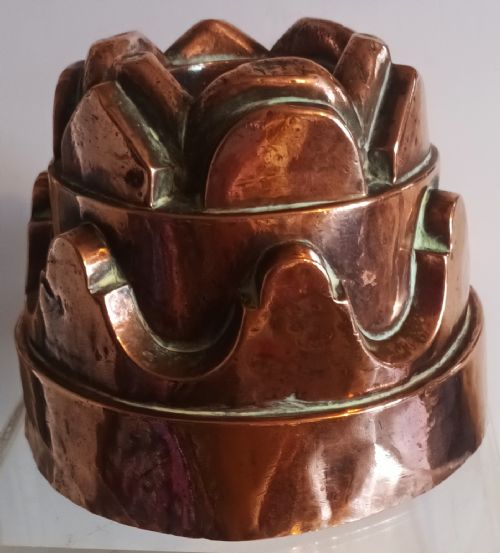
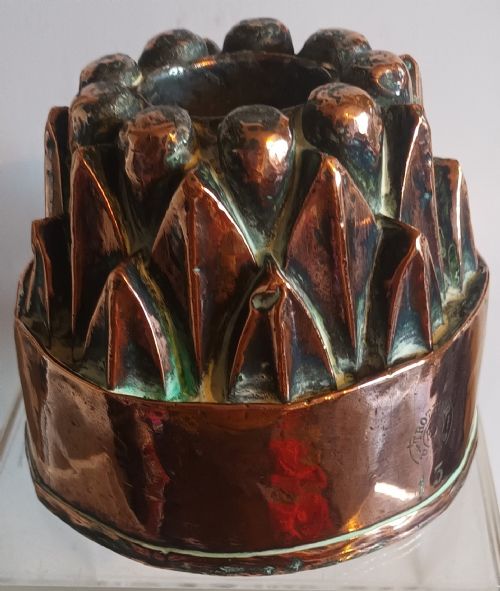
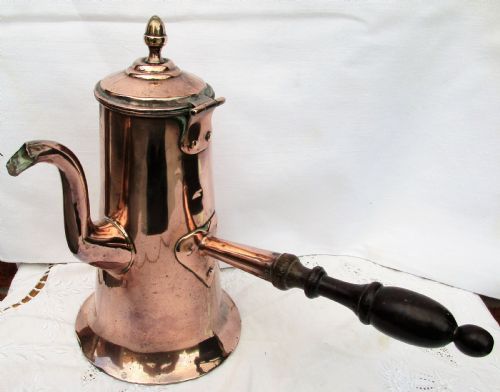
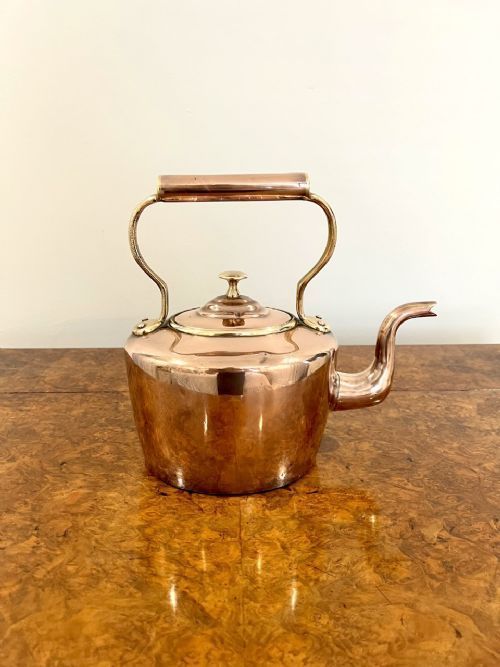
When you search for copper kitchenware antique pieces, you are looking at utilitarian items designed for heavy use in historic kitchens. The selection spans George III, Georgian, and Victorian periods, showcasing domestic vessels made for boiling, brewing, and measuring.
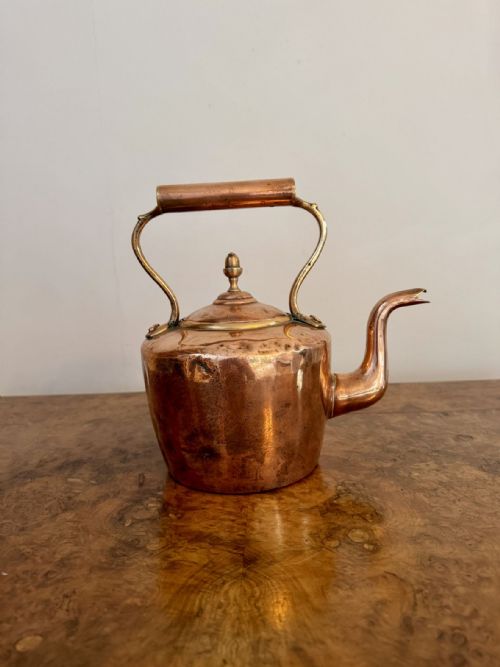
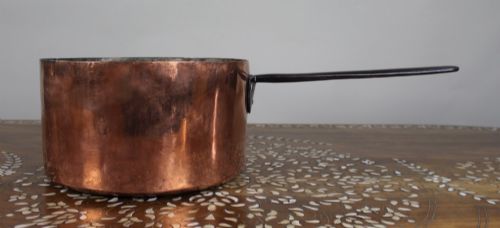
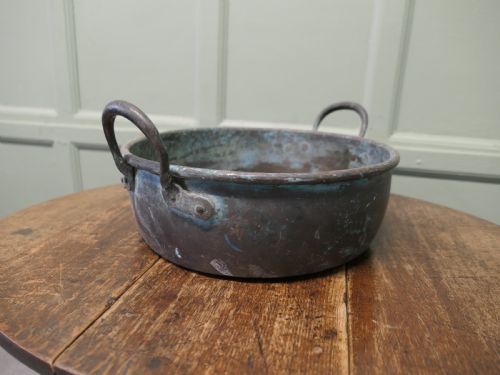
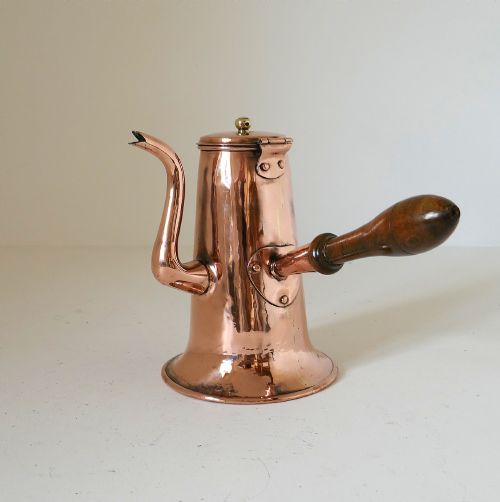
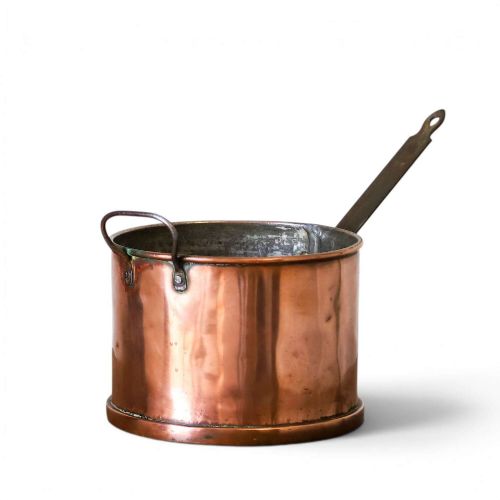
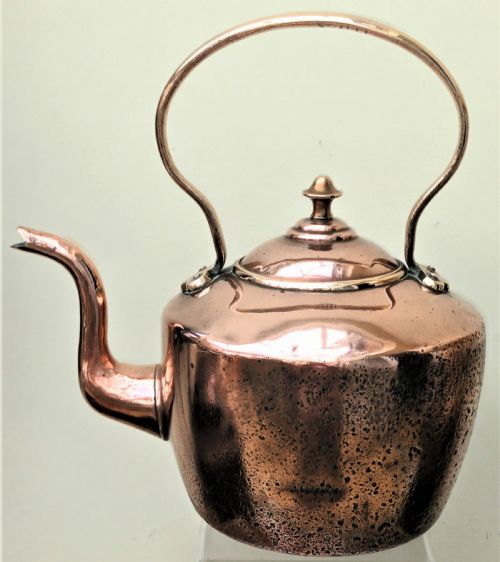
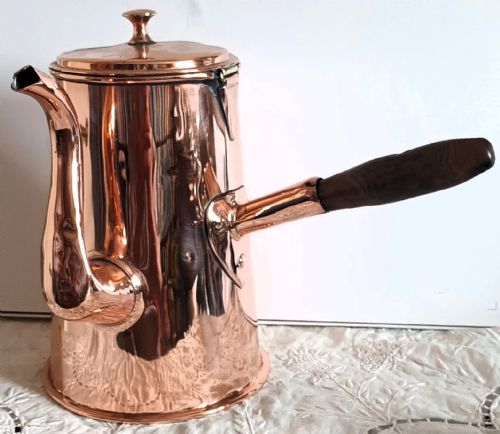
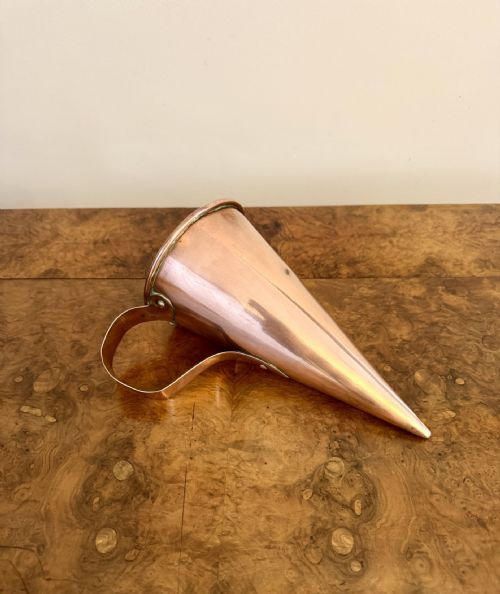
The most common forms you will meet on this page are kettles, coffee pots, cooking pots, funnels, and measures. These pieces represent the practical heart of 19th-century and earlier food preparation, constructed to conduct heat efficiently.
Originating primarily from English workshops, these kitchenalia items combine robust metalwork with everyday functionality. Each surviving vessel retains the character of hearth and kitchen use from eras past.
How they were made
The construction of these items relies on hammered copper sheets, shaped to form sturdy vessels for daily culinary tasks. Metalworkers joined seams with precision, ensuring durability for open-fire or stove use.
Makers incorporated contrasting materials such as brass, wood, wrought iron, and iron for handles, lids, and reinforcement. These additions provided insulated grips and structural support where stress was highest.
Retail Price Guide 2026
Typical UK retail prices for copper kitchenware, calculated from the Sellingantiques database of over a million retail prices indexed since 2003. This retail price guide relies exclusively on Sellingantiques data; no external sources or auction records are used, so the figures do not describe the wider market.
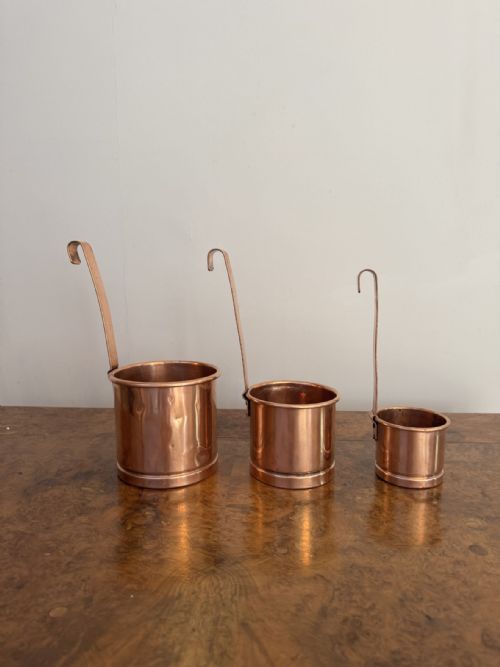
Some Victorian measures were made in nested sets so bartenders and cooks could slide them together like Russian dolls.
What varies in quality
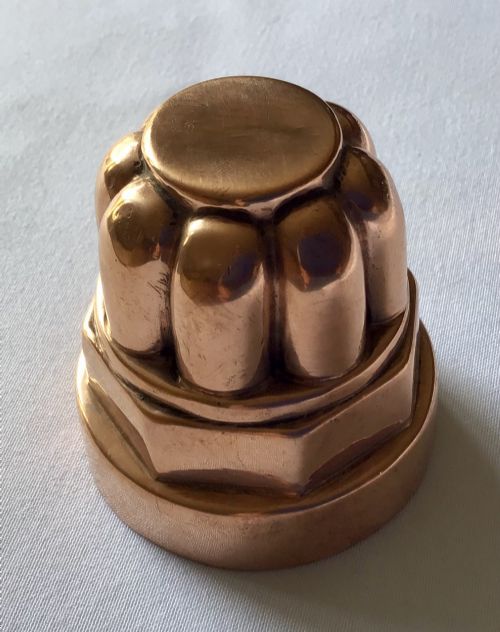
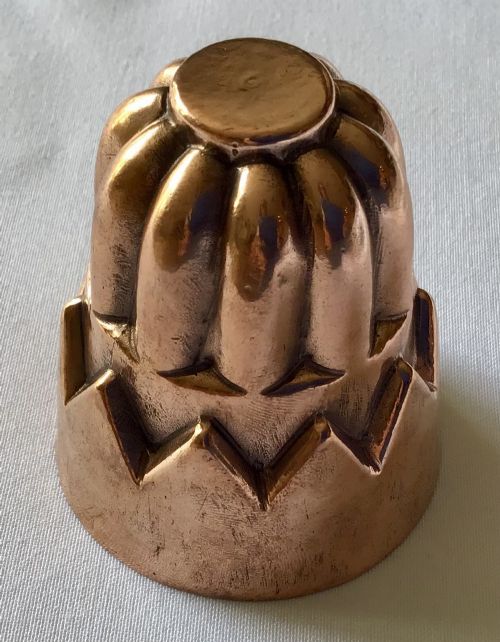
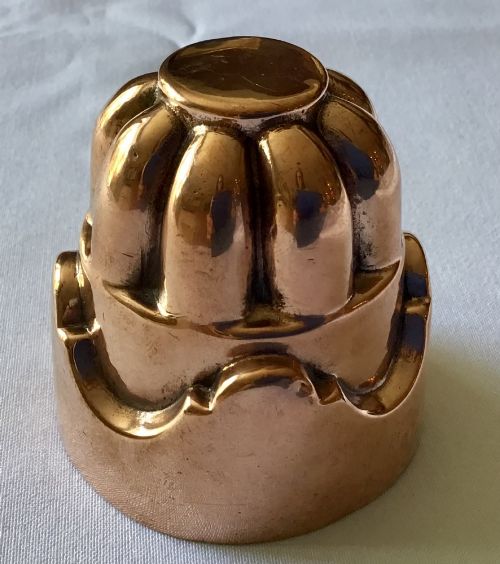
Quality in these pieces is dictated by the heaviness of the metal gauge and the skill involved in forming complex shapes like oval kettles or fluted funnels. Superior examples display careful hand-beating and harmonious proportions rather than purely mechanical uniformity.
The integrity of secondary materials, including turned wooden handles and brass fittings, separates standard utilitarian wares from finer specimens. Surviving sets, such as matched measures, demonstrate a higher tier of domestic provisioning.
The Copper Kitchenware Glossary
- Kitchenalia
- Domestic utensils and equipment collected for their historical and aesthetic interest. This term covers everything from humble funnels to grand cooking pots.
- Gauge
- The thickness of the metal sheet used to form the vessel. A heavier gauge indicates a higher quality piece intended for serious culinary work.
- George III
- The period of British history spanning from 1760 to 1820, associated with refined domestic metalwork and classic Georgian proportions.
- Victorian
- The period covering the reign of Queen Victoria, marked by robust industrial output alongside traditional hand-craftsmanship in the kitchen.
Frequently Asked Questions
What is antique copper kitchenware?
These are historic domestic utensils made primarily of copper, dating from the Georgian and Victorian eras. They were used for everyday cooking, boiling water, and measuring ingredients in traditional kitchens.
Over time, these functional objects have transitioned from hearth tools to decorative items appreciated for their warm metallic tones and historic craftsmanship.
How do I date a copper kettle?
Dating relies on examining the construction techniques, handle materials, and overall form of the vessel. George III pieces often display different geometric proportions compared to later Victorian examples.
Details such as dovetail seams, wrought iron mounts, and brass attachments help establish the approximate decade of manufacture when compared against known period styles.
Can I use antique copper pots for cooking?
Most antique copper vessels were manufactured for historic hearths and require careful assessment before modern culinary use. Many historical pieces are now collected primarily for display and their decorative warmth.
Original linings, such as tin, may have worn away over centuries of use, meaning modern food safety standards should be considered.
What metals are combined with the copper?
Makers frequently paired copper with brass, wrought iron, and standard iron for structural components and fixings. Handles often incorporated turned wood to provide heat insulation for the user.
These mixed-material constructions enhance the visual contrast of the pieces while fulfilling practical requirements for lifting and pouring.