



Antique Copper Teapot
An antique copper teapot or kettle brings warmth and genuine utility into a room, spanning George III, Victorian, Tibetan, and Ottoman eras.
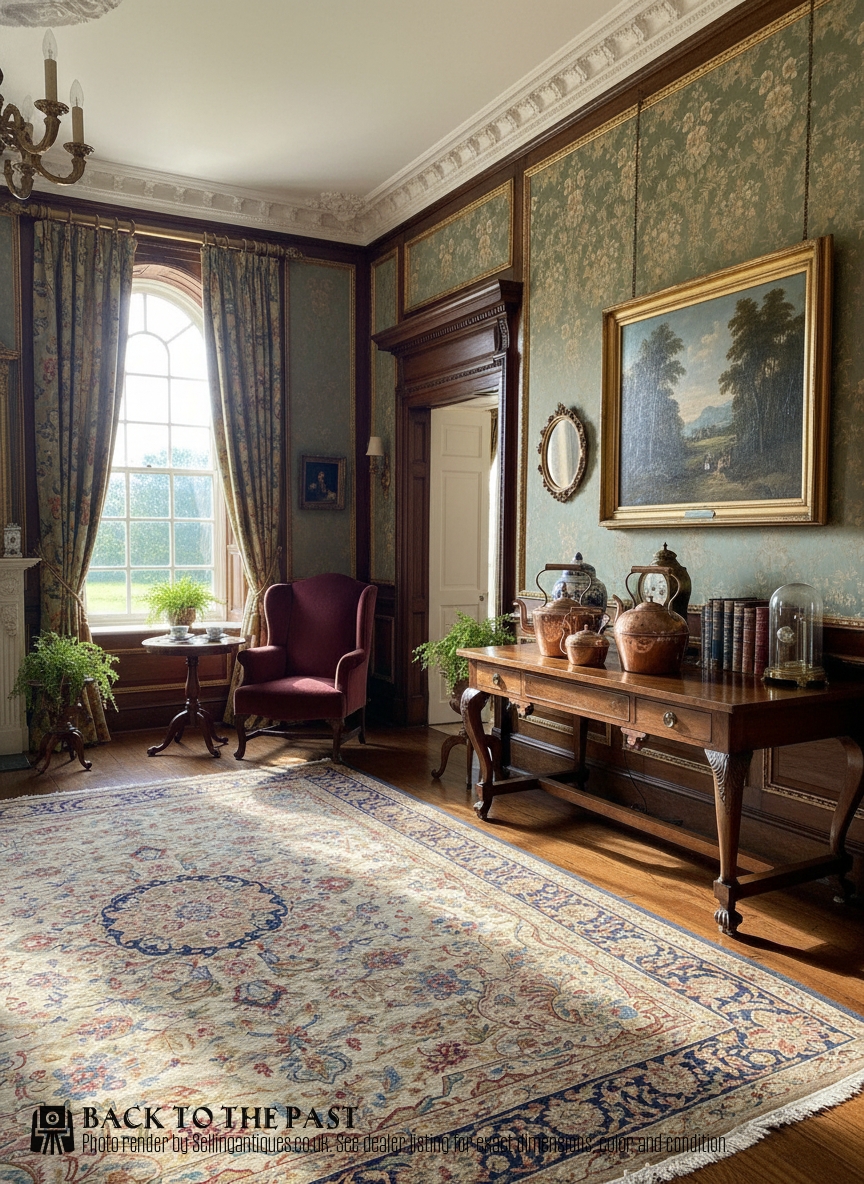
Antique Copper Teapot
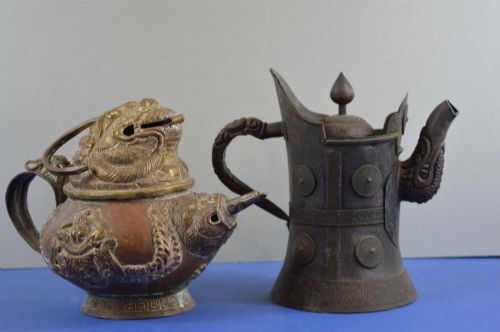
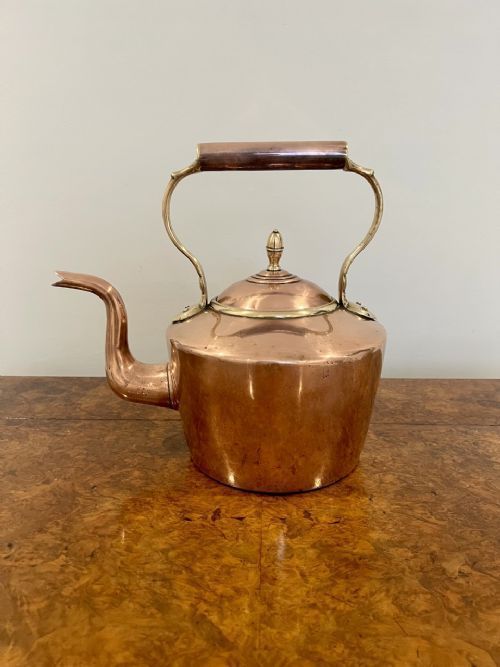
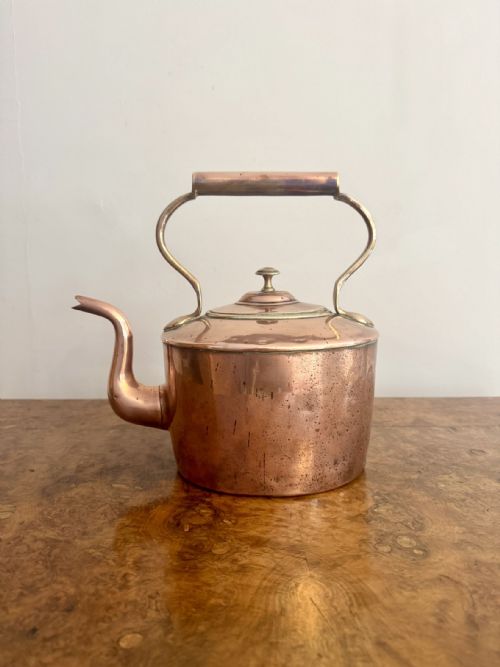
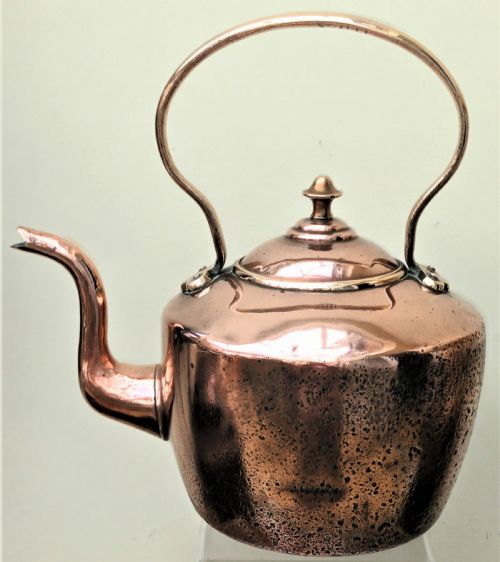
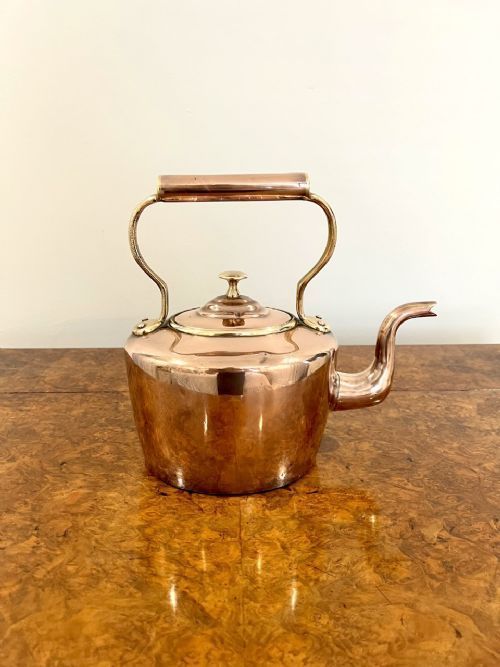
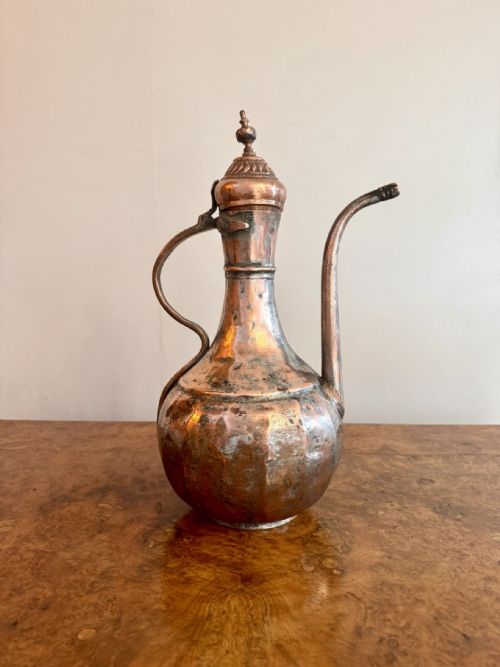
When you search for an antique copper teapot, you uncover a utilitarian domestic history spanning the Georgian and Victorian periods, alongside regional forms such as Middle Eastern coffee pots and Tibetan ceremonial ewers. The pieces meeting you on this page are predominantly British kettles and tea vessels, forged from heavy-gauge metal for daily hearth use rather than decorative display.
The selection ranges from oval George III designs dated around 1800 to later Victorian models from 1880, sometimes accompanied by matching stands or spirit burners. Alongside these sit distinct regional variants, including Tibetan monks' butter tea pots and Ottoman ewers, which broaden the scope of metalwork from simple English domestic kitchenware to global craftsmanship.
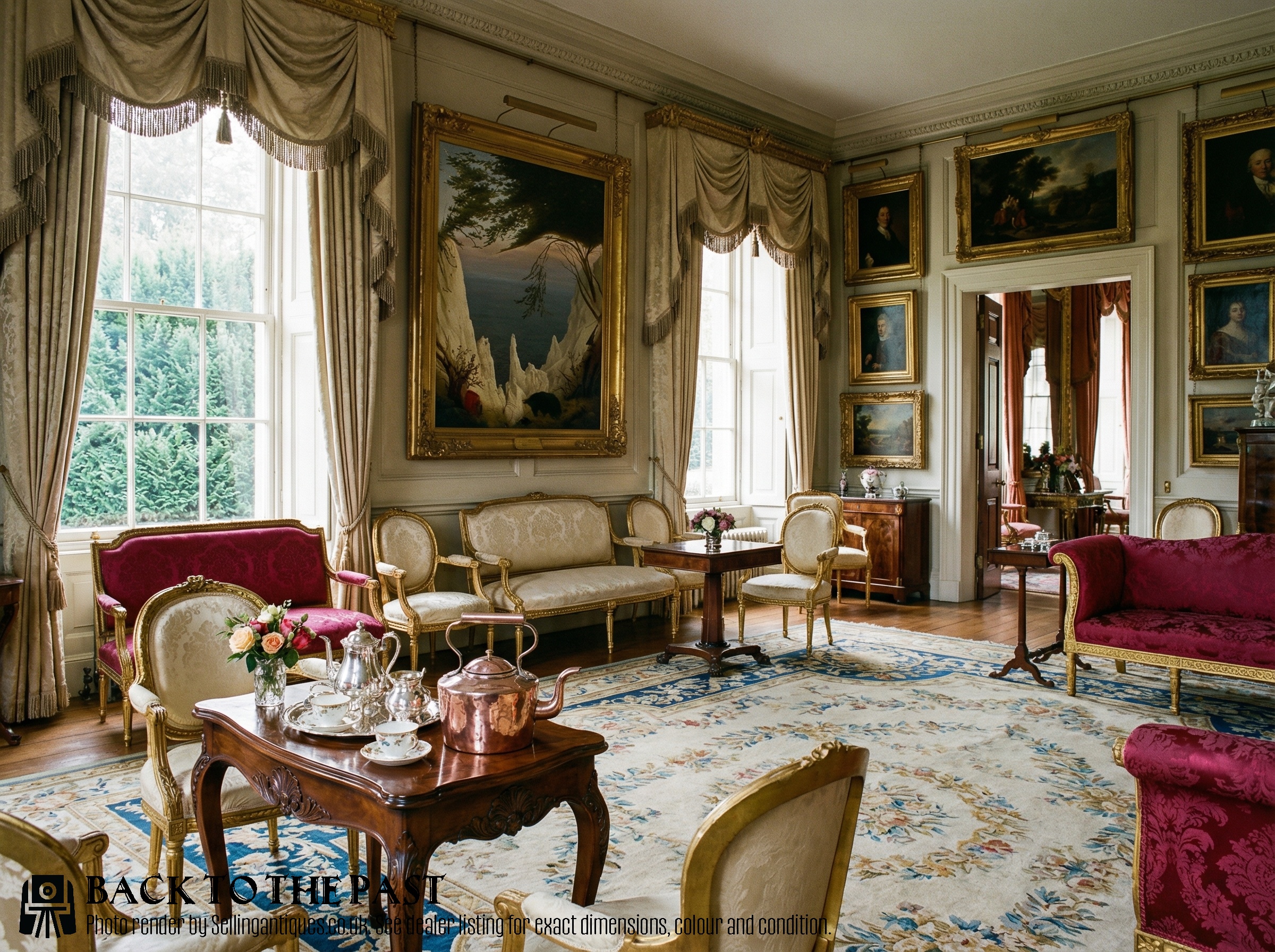
Materials and construction
The foundation of these pieces is copper, frequently paired with brass for handles, spouts, or fixtures, and occasionally supplemented by internal tin linings to prevent metallic taste in water. Wood and bone insulators frequently appear on handles to protect the hand from heat during service.
Construction techniques rely on durable metalworking methods suited to containing boiling water, utilising riveted or dovetailed seams rather than modern adhesives. Surfaces are often polished to a bright finish, though older examples retain the darker patination accumulated through generations of fireside use.
Antique Copper Teapot Retail Price Guide 2026
Typical asking prices for copper teapot among the pieces listed under this phrase on Sellingantiques today, from the lower quarter to the upper quarter. They describe what is for sale here now, not the wider market.
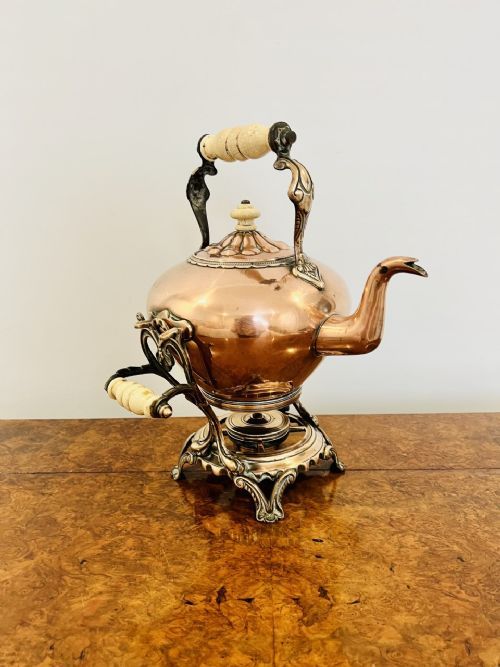
Some nineteenth-century copper kettles arrived accompanied by stands and spirit burners, ensuring that tea could be kept warm long after the kitchen hearth had gone cold.
Evaluating craftsmanship and proportion
Quality in these vessels rests upon the harmony of proportion, seen in the balanced sweep of a spout and the comfortable arch of a brass or wooden handle. Superior pieces maintain crisp lines on oval or round bodies without excessive distortion from heavy hammering or clumsy repairs.
The refinement of the finishing details separates standard kitchen utility wares from finer examples. Neat dovetailing, well-fitted lids, and the integration of decorative brass mounts or stands elevate a utilitarian object into a piece of considered metalwork.
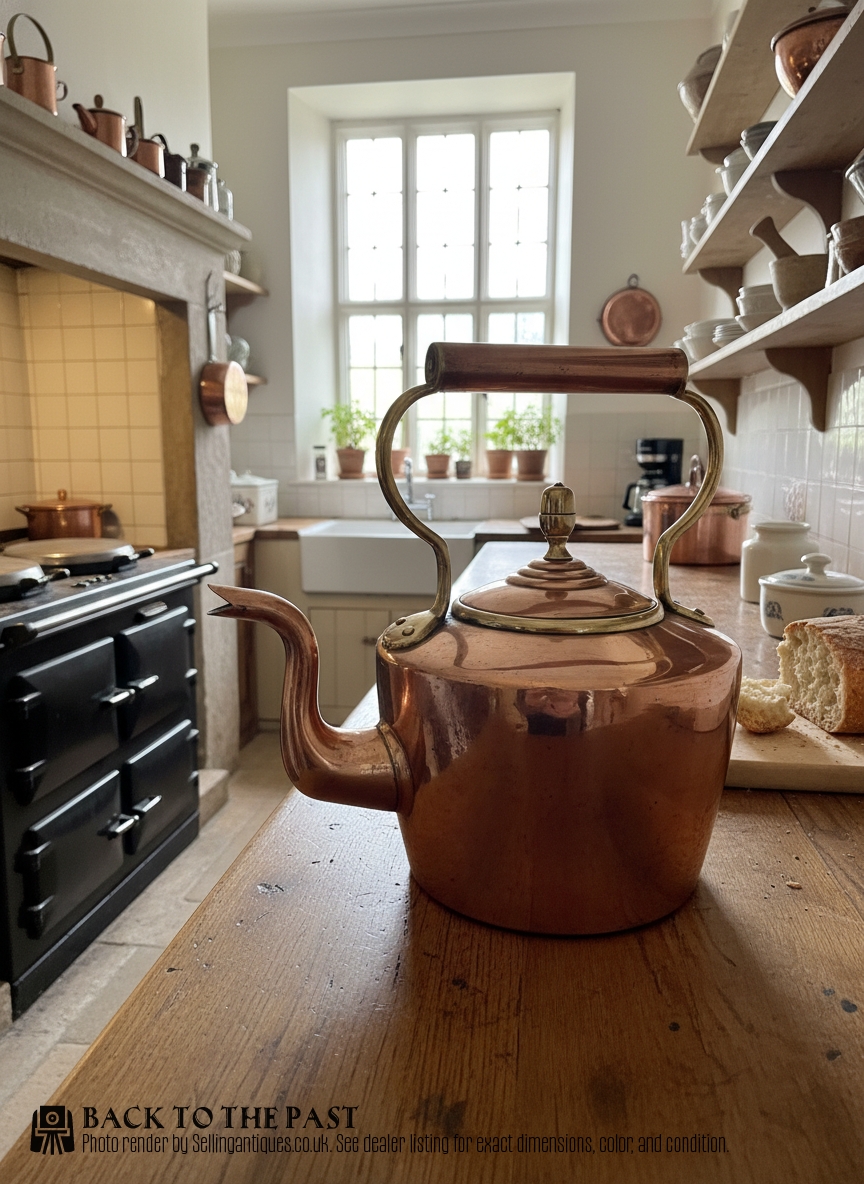
William Soutter & Sons
The Antique Copper Teapot Glossary
- Spirit kettle
- A water vessel mounted upon a metal stand equipped with a small spirit burner underneath, designed to keep water hot at the tea table.
- Ewer
- A large jug with a wide spout, used historically for carrying water rather than direct brewing.
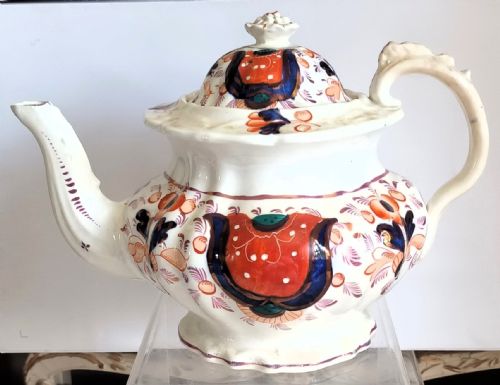
- Gaudy Welsh
- A style of colourful, hand-painted ceramic pottery found in domestic tea wares, distinct from plain metal vessels.
- Tinned interior
- A thin layer of tin applied to the inside of copper vessels to prevent the copper from reacting with liquids.
Antique Copper Teapot: Frequently Asked Questions
Can I still boil water in an antique copper kettle?
While many of these vessels remain structurally solid, modern use requires checking the integrity of any internal tin lining. Old solder can degrade with direct heat, so contemporary owners often treat them as decorative display items.
If you do intend to heat water, ensure the vessel is clean and free from historical residue. Modern hobs may also require an adapter for older, uneven bases.
How do I clean antique copper?
Polishing depends entirely on the finish you prefer to maintain in your home. Some collectors favour a bright, reflective copper surface achieved with traditional metal creams, while others prefer leaving a dark, undisturbed historic patination.
Avoid harsh abrasive pads that scratch the soft metal. A soft cloth and mild cleaner will preserve the original texture without removing the character earned over centuries.
How can I tell a George III kettle from a Victorian one?
George III pieces, often dating around 1800, frequently feature distinct oval shapes and simpler, robust lines associated with hearth cooking. Victorian examples from later in the nineteenth century often introduce brass accents, spirit stands, and varied handle mounts.
Examining the construction of the seams and the style of the handle attachments offers further clues to the manufacturing decade. Cabinet makers and metalworkers shifted their aesthetic preferences as tea drinking moved from the hearth to the formal parlour.
What is a spirit kettle used for?
A spirit kettle allowed the host to maintain boiling water at the dining or tea table without returning to the kitchen fire. The small burner beneath the stand kept the contents warm throughout a lengthy gathering.
These pieces combine the copper body of a standard kettle with a dedicated metal frame. They represent a more formal stage of domestic hospitality during the nineteenth century.