


Copper Boiling Kettle
These copper boiling kettle examples are sturdy vessels crafted for hearth use, sought after for their warm metallic sheen and period character.
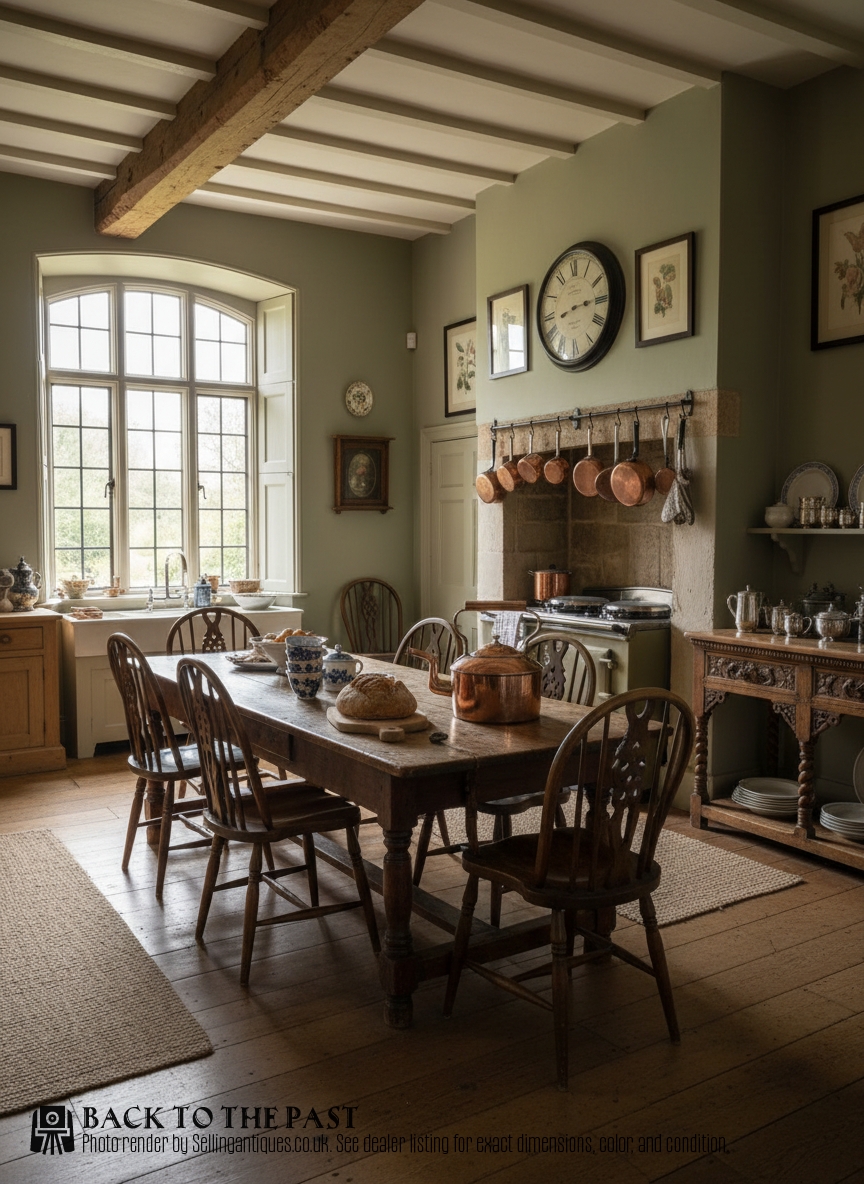
What these pieces are
A copper boiling kettle brings functional history into a room, originating from the Georgian and Victorian eras. These items served a daily domestic purpose by heating water over an open fire or hearth.
The versions met most frequently on this page date from the Georgian period, specifically around eighteen hundred, and the nineteenth century. Buyers encounter both round forms and unusual oval shapes among the available stock.
Makers shaped these utilitarian objects from copper, often pairing the main body with brass and wood elements. They reflect the straightforward design priorities of eighteenth and nineteenth century domestic life.
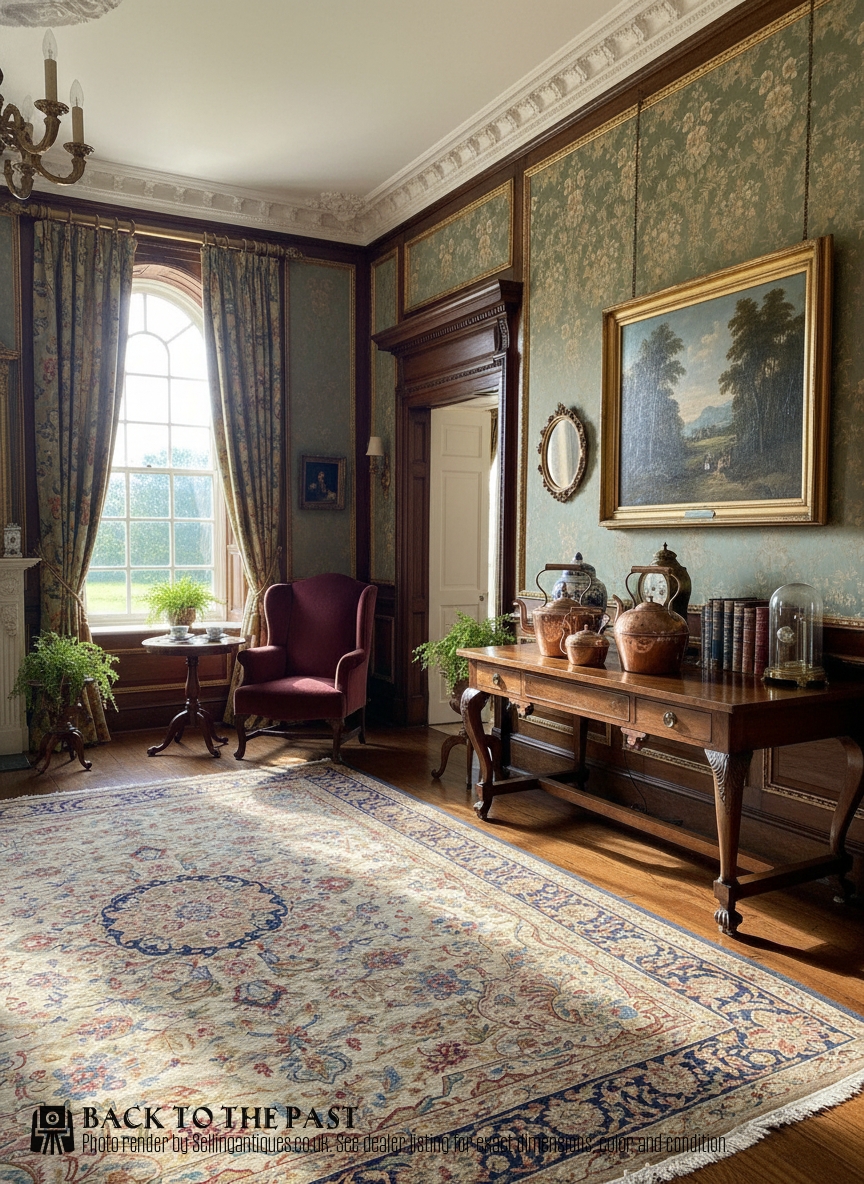
How they were made
Craftsmen shaped sheets of copper to form the body of each kettle, utilising hammering and joining techniques suited to holding hot water. The metal provides both durability and rapid thermal conductivity for hearth use.
Makers added supplementary materials like brass and wood to handles and fittings to ensure safe handling away from direct heat. These material choices combine practical utility with the warm tones characteristic of the period.
Retail Price Guide 2026
Typical UK retail prices for copper boiling kettle, calculated from the Sellingantiques database of over a million retail prices indexed since 2003. This retail price guide relies exclusively on Sellingantiques data; no external sources or auction records are used, so the figures do not describe the wider market.
Listings span the Georgian period, eighteen hundred, and the nineteenth century, utilising copper, brass, and wood.
What varies in quality
Quality in these vessels rests on the crispness of the shaping and the harmony of the combined materials. A refined oval form or careful attention to handles and spouts elevates certain examples above standard utility pieces.
The integration of brass and wood fittings demonstrates the maker's skill and the overall tier of the piece. Superior examples maintain balanced proportions and clean lines despite the rigours of daily boiling.
The Copper Boiling Kettle Glossary
- Georgian
- A design period spanning the reigns of the Hanoverian kings, noted for proportion and classical restraint in domestic objects. Pieces from this era often display clean silhouettes.
- Victorian
- A nineteenth century stylistic period encompassing diverse domestic goods and heavier ornamentation. Items from this time show shifting manufacturing methods.
- Copper
- A malleable, reddish metal utilised for centuries in cookware and kettles for its excellent heat distribution. It develops a natural patina over decades of exposure.
- Brass
- A copper and zinc alloy frequently chosen for handles, feet, and decorative accents on hearth equipment. It offers a contrasting golden tone against the red metal body.
Frequently Asked Questions
How do I clean a copper kettle?
Maintenance involves removing dust with a soft cloth while preserving the historic surface. Harsh modern abrasives strip away the aged character accumulated over centuries.
Gentle cleaning methods keep the metal stable without destroying the natural darkening that signals genuine age.
Were these kettles used on open fires?
These vessels heated water directly over hearth flames and coal fires in period kitchens. Their sturdy metal construction allowed them to withstand daily thermal stress.
Over decades of domestic service, they acquired the smoke patination and wear typical of active hearth equipment.
How do I date a copper kettle?
Dating relies on observing construction marks, handle attachments, and overall stylistic form. Georgian examples often display different shaping characteristics compared to later nineteenth century pieces.
Comparing the silhouette and joining techniques to dated examples helps narrow down the decade of manufacture.
Can I still boil water in it?
Using antique vessels for modern consumption requires careful inspection of interior linings and historical repairs. Many collectors prefer to display them as decorative historical objects.
Thermal expansion on modern stovetops can also stress old joints and soldered seams.