
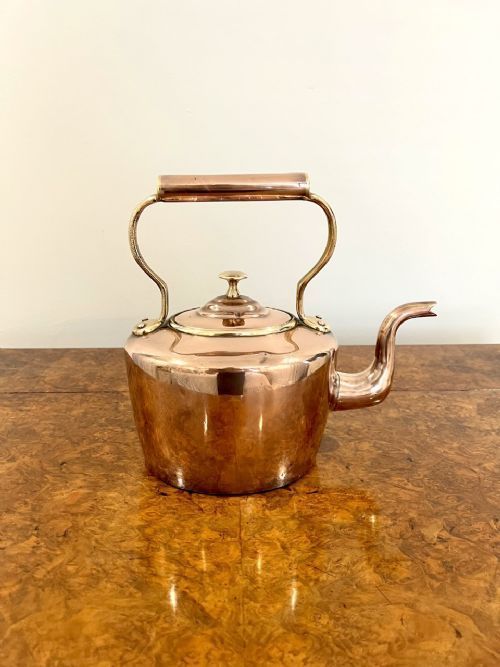


18th Century Copper Kettle
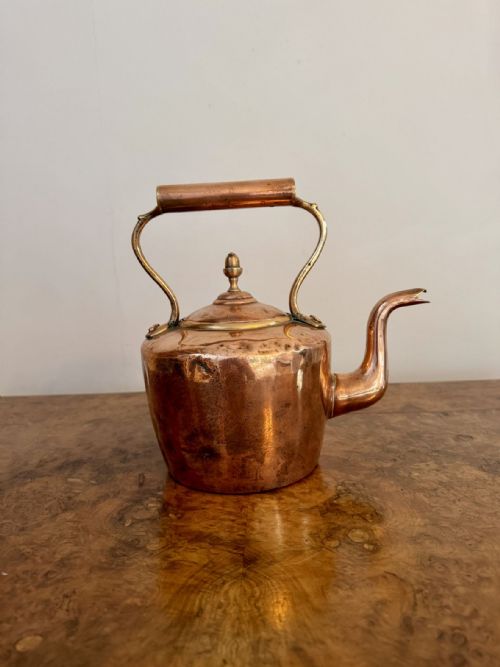
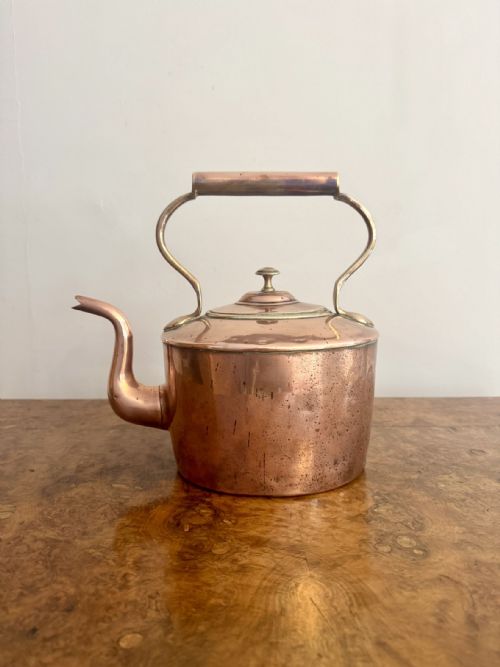
An 18th century copper kettle brings heavy gauge warmth and utilitarian history to a fireside or kitchen.
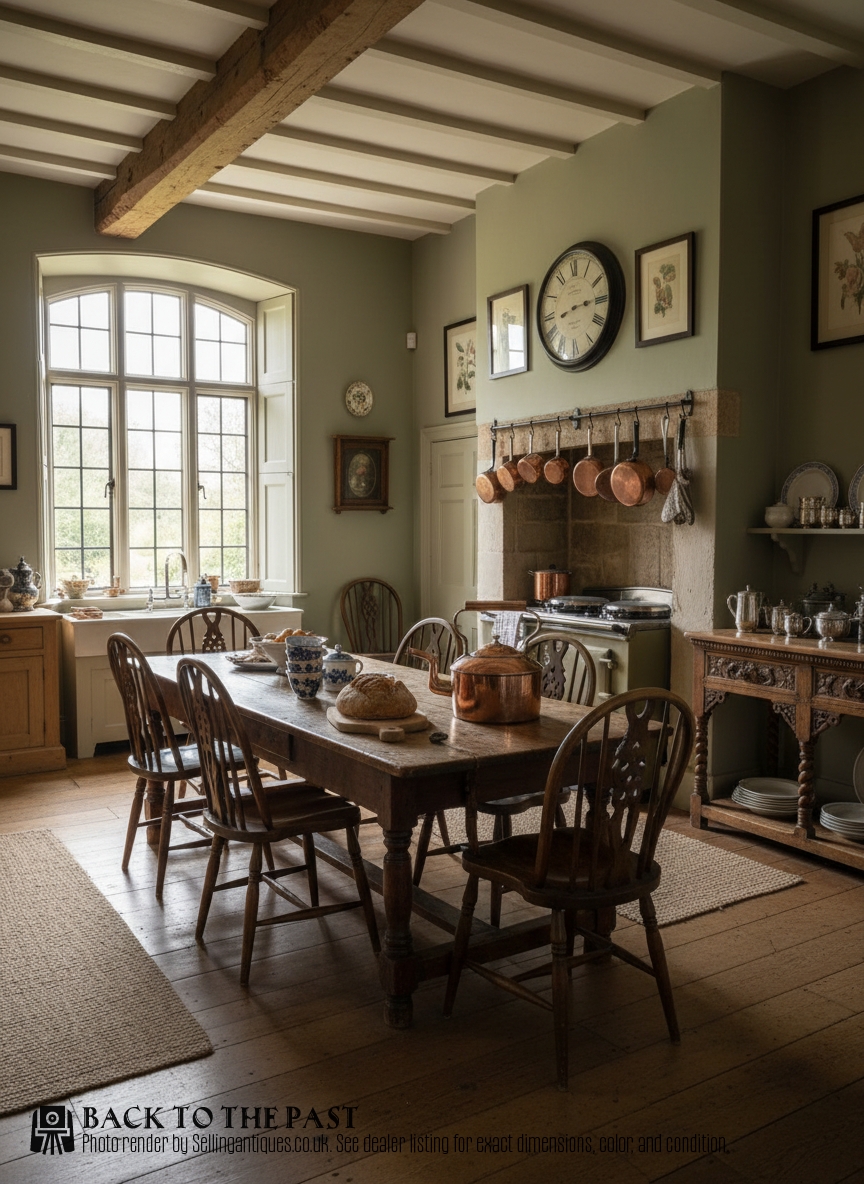
18th Century Copper Kettle
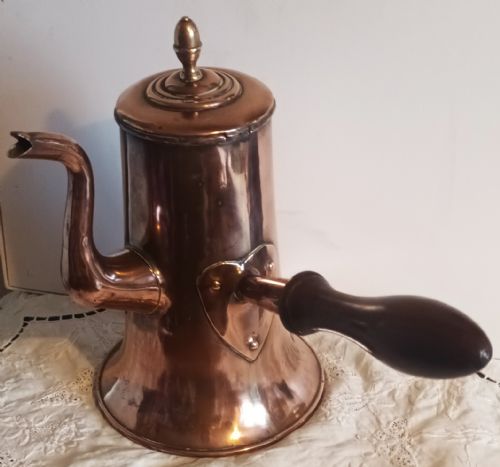
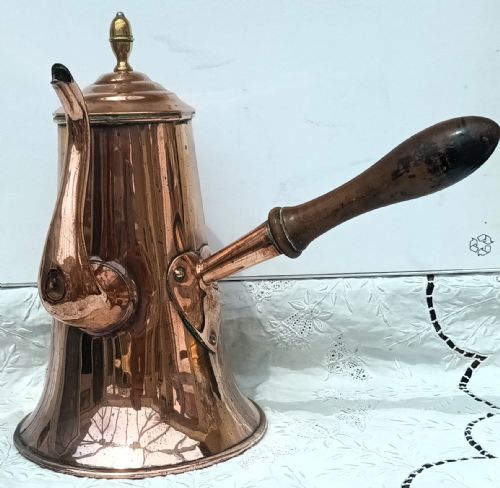
When you search for an 18th century copper kettle, you encounter vessels produced during the Georgian and George III periods. These domestic objects include tea kettles, coffee pots, and hanging water urns designed for daily hearth use.
The versions most frequently met on this page date to around 1800 or the wider Georgian era. They span varying scales from small tabletop examples to large oval shapes suited for substantial volumes.
Collectors seek these pieces for their honest metalwork and period character. They display the functional domestic design of English kitchens before industrial production standardised metalware.
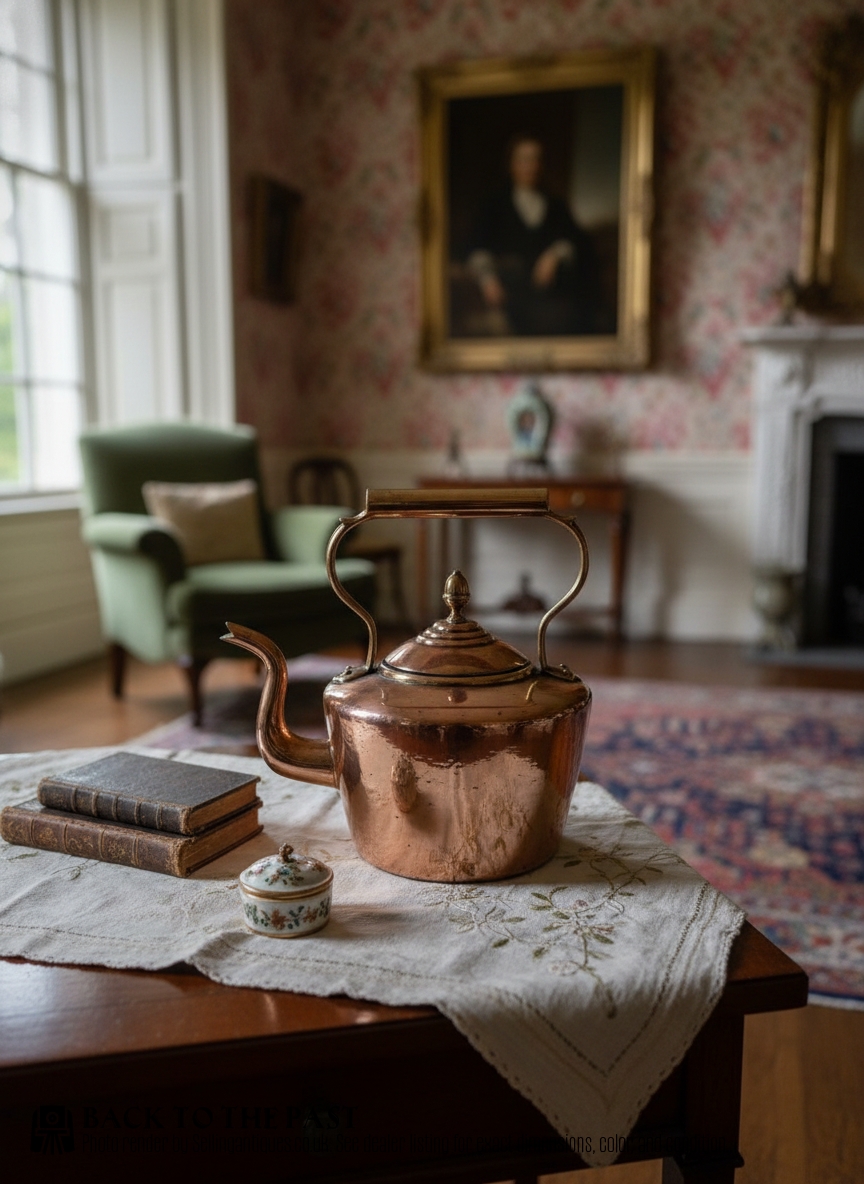
Materials and construction
The primary material across these listings is copper, paired frequently with brass for handles, fittings, or mounts. Iron and hardwood also appear in structural elements or handle components.
Makers shaped sheet metal by hand, joining seams with traditional methods appropriate for vessels holding boiling water over open fires. The integration of brass and hardwood provided durable contrasts to the soft warmth of the main body.
18th Century Copper Kettle Retail Price Guide 2026
Typical asking prices for 18th century copper kettle among the pieces listed under this phrase on Sellingantiques today, from the lower quarter to the upper quarter. They describe what is for sale here now, not the wider market.
Listings span the Georgian period, featuring copper, brass, iron, and hardwood across various kettle and coffee pot forms.
Judging quality in copper vessels
Quality in these vessels rests on the gauge of the metal and the integrity of the original construction. Substantial weight in the hand indicates thicker sheet copper used by the maker.
Proportion and form separate standard kitchen utensils from finer examples. Oval shapes and well-balanced handles demonstrate greater skill from the workshop.
William Soutter & Sons
The 18th Century Copper Kettle Glossary
- Georgian
- The period spanning the reigns of the first four British kings named George, encompassing the 18th century and early 19th century. This era defines the classical proportions seen in these domestic metalwares.
- Copper
- A ductile, reddish-metal traditionally beaten into hollowware for its high thermal conductivity. It forms the primary body of these heating vessels.
- Brass
- An alloy of copper and zinc used traditionally for handles, spouts, and decorative mounts on kitchen equipment. Its brighter gold tone contrasts with the darker red of copper.
- Water urn
- A large vessel fitted with a tap, used for heating and dispensing water in domestic settings. Examples often feature hanging mechanisms for hearth use.
- Coffee pot
- A tall vertical pot designed specifically for brewing coffee rather than boiling water for tea. These pieces often feature distinct spouts and handles set at right angles.
18th Century Copper Kettle: Frequently Asked Questions
How do I clean an old copper kettle?
Traditional maintenance involves gentle cleaning agents that remove tarnish without stripping the historical surface. Many collectors prefer to retain a warm natural patina rather than achieving a bright mirror finish.
Avoid harsh abrasives that can thin the antique metal over time. Regular dusting and occasional soft polishing preserve the integrity of the Georgian surface.
Can I still use an antique kettle for boiling water?
Most pieces from this era are acquired for display rather than daily culinary use. Historic solders and interior linings may not meet modern standards for food safety.
If you choose to use one on a modern heat source, check the interior condition carefully. Hearth-used vessels often require professional assessment before exposure to direct heat.
How can I tell a George III kettle apart from later pieces?
George III pieces display hand-beaten characteristics and construction methods typical of workshop production around 1800. Seams and handle attachments show individual artisan techniques rather than mass manufacturing.
Look at the weight and the way the brass fittings are joined to the main copper body. Subtle irregularities often confirm the earlier Georgian date.
What is the difference between a tea kettle and a water urn?
Tea kettles are generally smaller, portable vessels designed to sit directly on a hearth or trivet. They feature movable bail handles for lifting.
Water urns are larger receptacles often equipped with taps and hanging mechanisms. They were stationary items used to supply hot water for multiple domestic purposes.