
Antique Copper Container
An antique copper container brings warmth and utility into a room, offering robust metalwork shaped by centuries of domestic and agricultural service.
What these pieces are
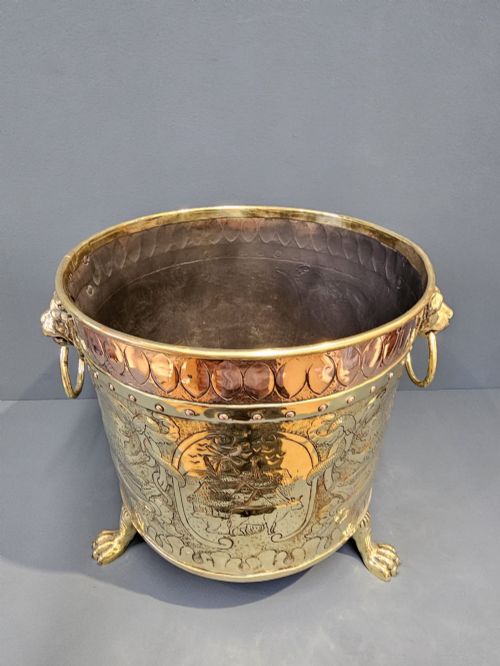
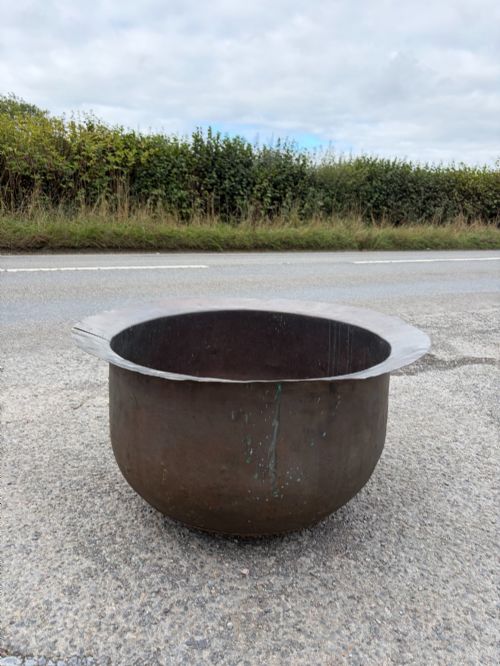
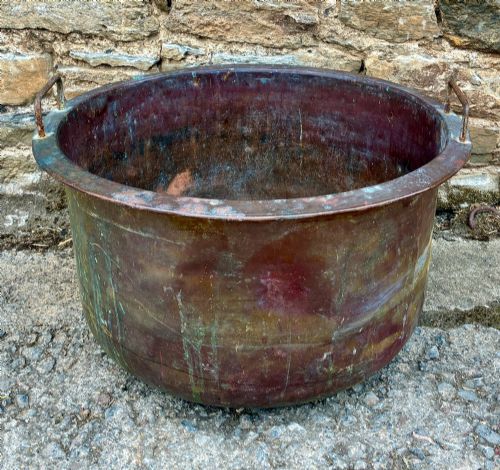
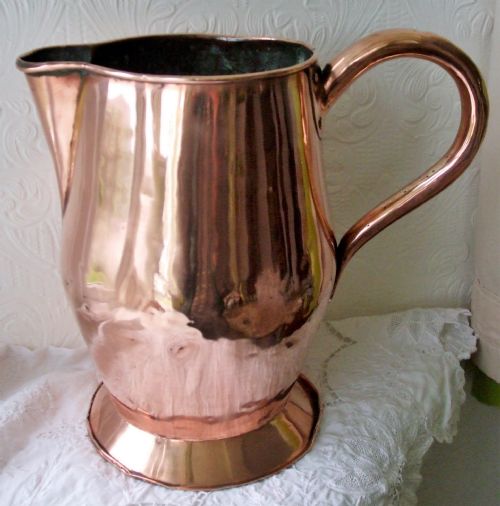
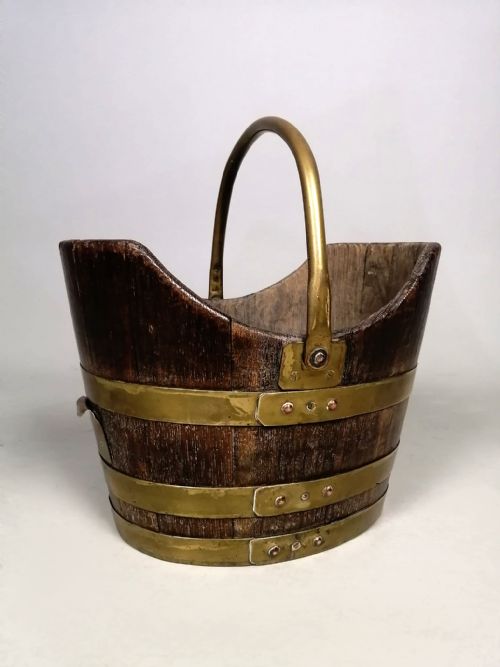
The selection on this page spans origins including France, Britain, and Scandinavia, reflecting a domestic heritage where metal vessels served essential roles in hearth, kitchen, and farm. Forms vary from open planters and pots to specialised vessels fitted with brass or iron hardware.
Dating primarily from the nineteenth century, with examples extending back to the Georgian era around eighteen hundred, these items demonstrate how simple utilitarian objects gained decorative appeal over time.
How they were made
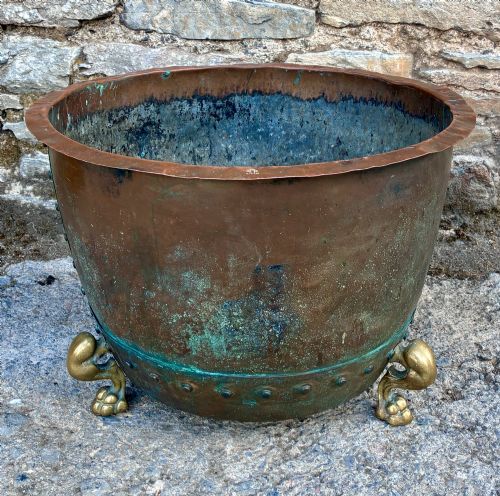
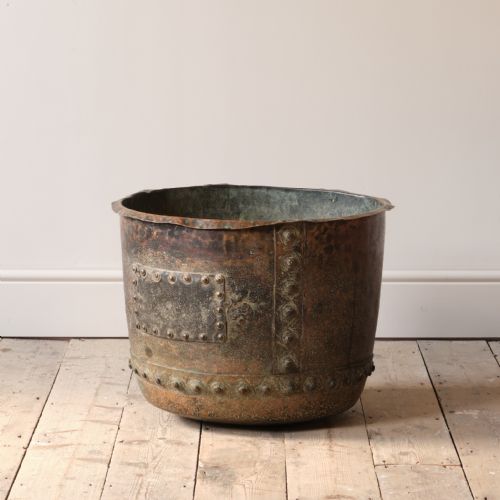
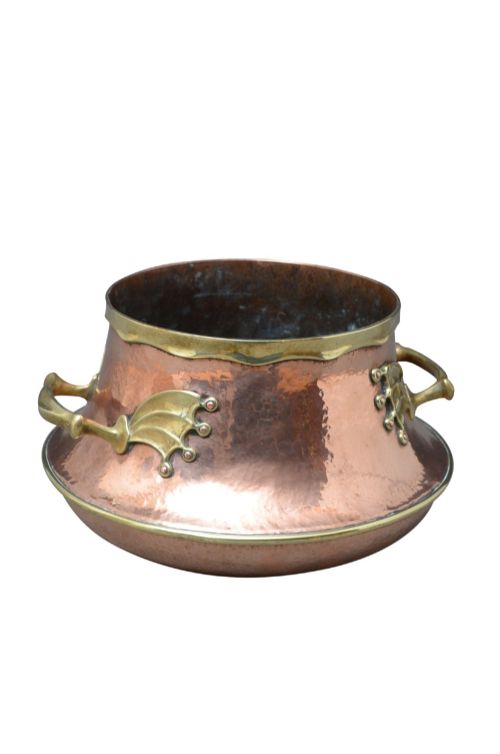
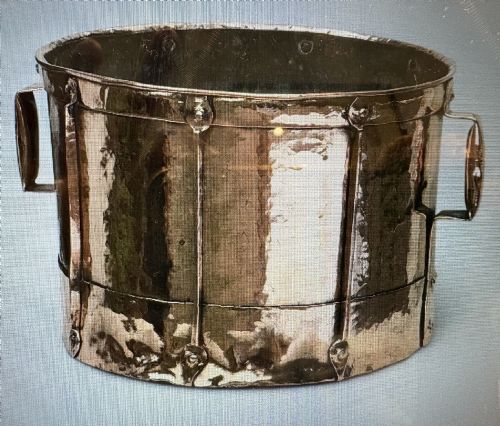
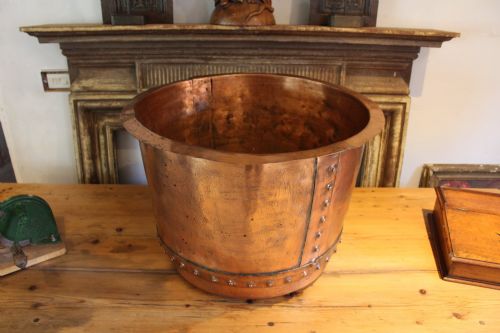
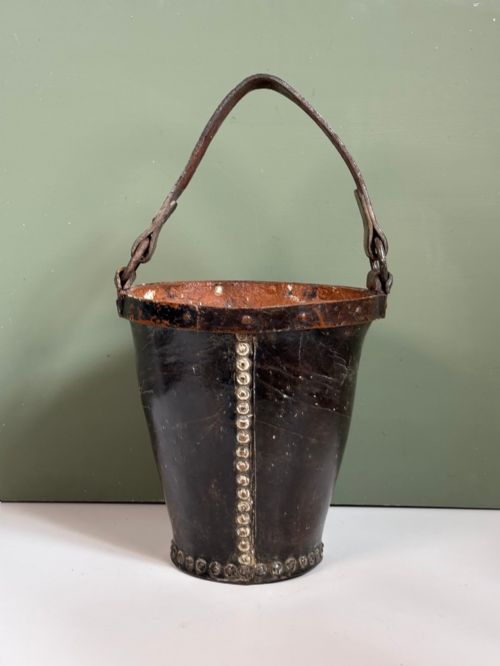
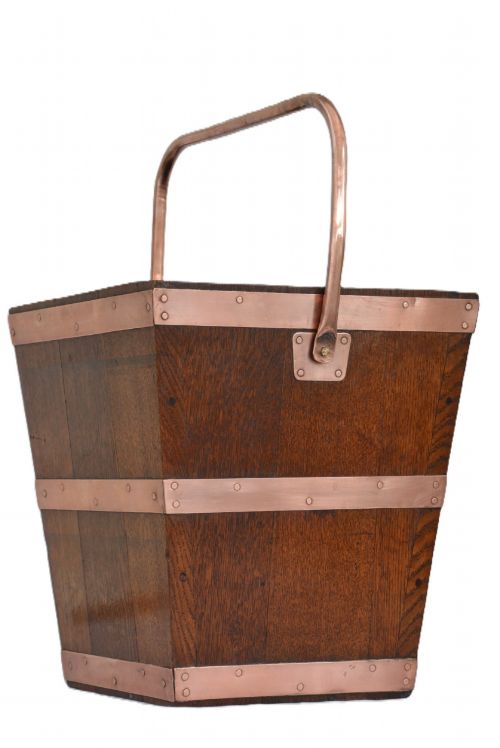
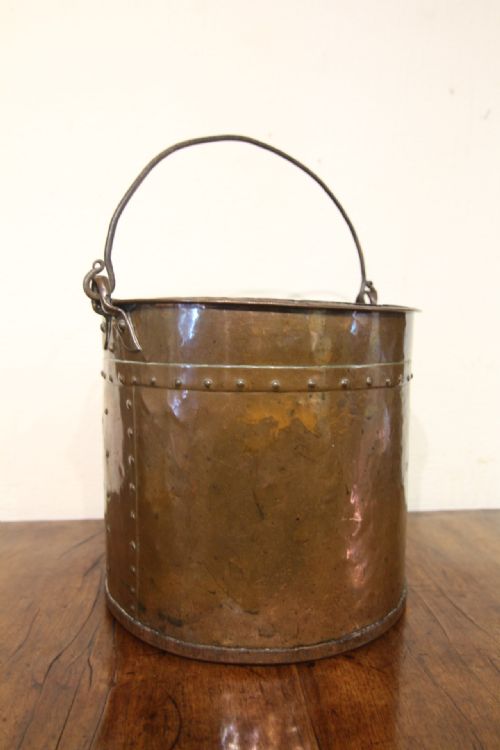
Construction relies heavily on sheet copper shaped by hand, often joined with visible rivets that secure seams and handles. Makers integrated contrasting metals such as brass, iron, and wrought iron for rims, swing arms, and reinforcement bands.
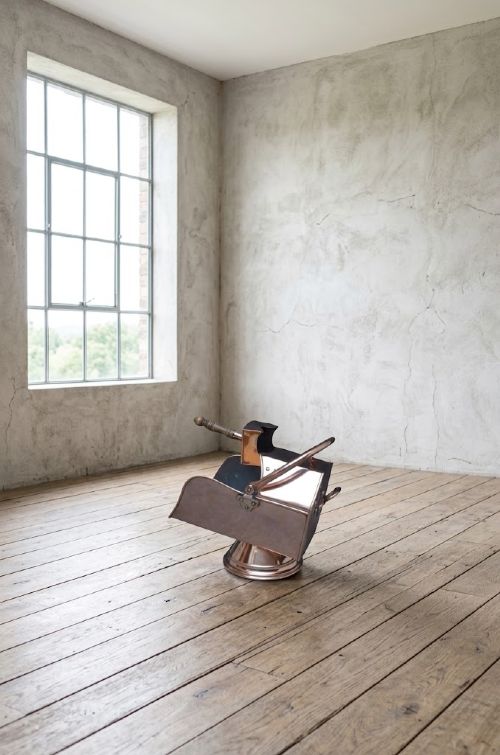
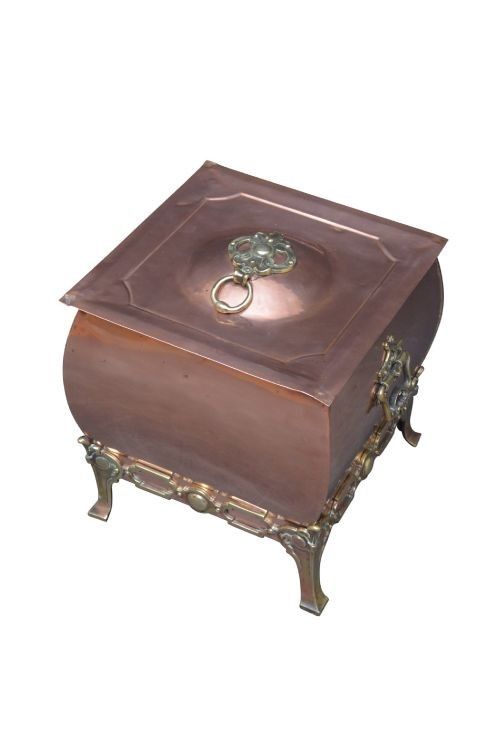
Surface finishes display the direct results of hammering and fabrication techniques typical of nineteenth-century workshops, from French provincial measures to heavy Victorian coal helmets.
Retail Price Guide 2026
Typical UK retail prices for copper container, calculated from the Sellingantiques database of over a million retail prices indexed since 2003. This retail price guide relies exclusively on Sellingantiques data; no external sources or auction records are used, so the figures do not describe the wider market.
Several heavy coal helmets likely spent their youth standing quietly beside smoky Victorian fireplaces before retiring to a life of holding dried flowers.
What varies in quality
Quality separates pieces by the substantial weight of the metal and the integrity of structural joins, such as riveted seams and attached hardware. Heavy gauge construction and the considered application of brass and wrought iron details distinguish superior examples from lighter utilitarian wares.
The sophistication of the form and the clarity of period characteristics, whether Arts and Crafts or French provincial, define the upper tier of the range.
The Antique Copper Container Glossary
- Ferrat
- A traditional French measure used for grain or dry goods, typically rendered in heavy sheet copper.
- Riveted
- A method of joining metal plates by inserting pins through overlapping sections and hammering the ends flat.
- Coal Helmet
- A domestic fireside container with a sloping mouth designed for holding and pouring coal onto a fire.
- Water Barrel
- A large cylindrical vessel equipped with handles or mounts for holding water, often incorporating brass and iron elements.
Frequently Asked Questions
How do I clean an antique copper container?
Maintenance depends entirely on whether you prefer a bright polished surface or the dark, aged patina accumulated over generations of use.
Most collectors choose to leave the natural oxidation untouched, as it records the history and age of the metal.
Are these vessels safe for holding water or plants?
Many of these containers were designed to hold liquids or bulk goods, though modern usage often involves liners for live plants to protect the historic interior.
Checking the joins and rivets ensures the piece remains stable for contemporary domestic placement.
How can I tell a Victorian piece from an earlier one?
Dating relies on observing construction methods, material combinations like iron versus brass, and stylistic cues associated with specific periods.
Nineteenth-century items often show distinct riveted construction and hardware typical of the Victorian and Arts and Crafts eras.
What is the difference between a bucket and a measure?
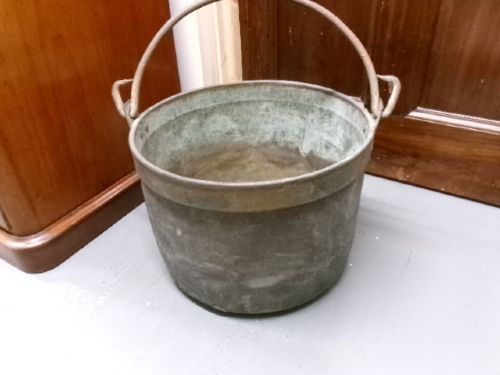
Buckets generally feature swinging bails for carrying water, coal, or waste, while measures were calibrated containers used in trade and agriculture.
French grain measures and similar vessels prioritize rigid side walls and specific volumetric proportions.