


Victorian Copper Kitchenware
Victorian copper kitchenware brings heavy gauge metal, warm tones, and honest utility straight from the nineteenth century hearth into the modern home.
Victorian Copper Kitchenware
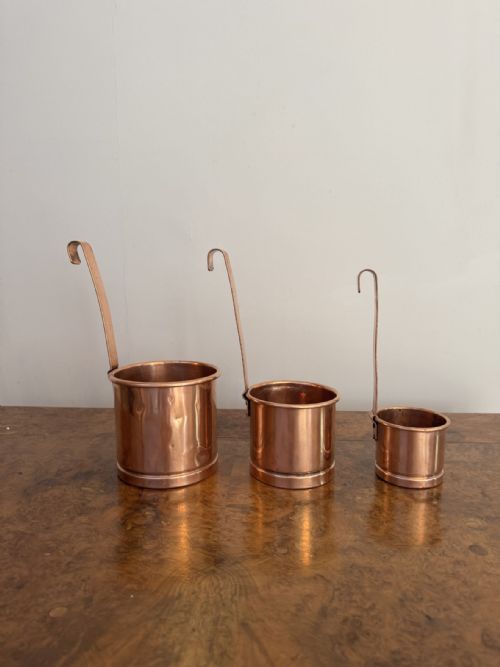
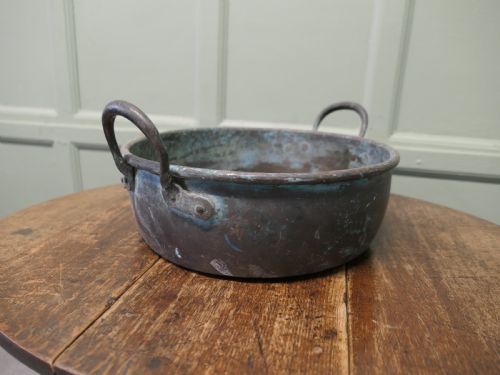
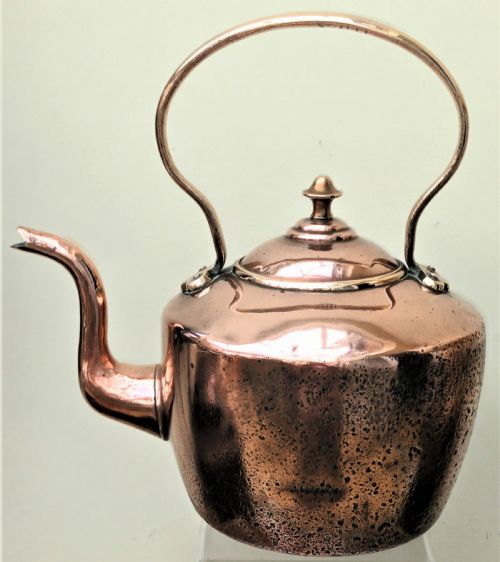
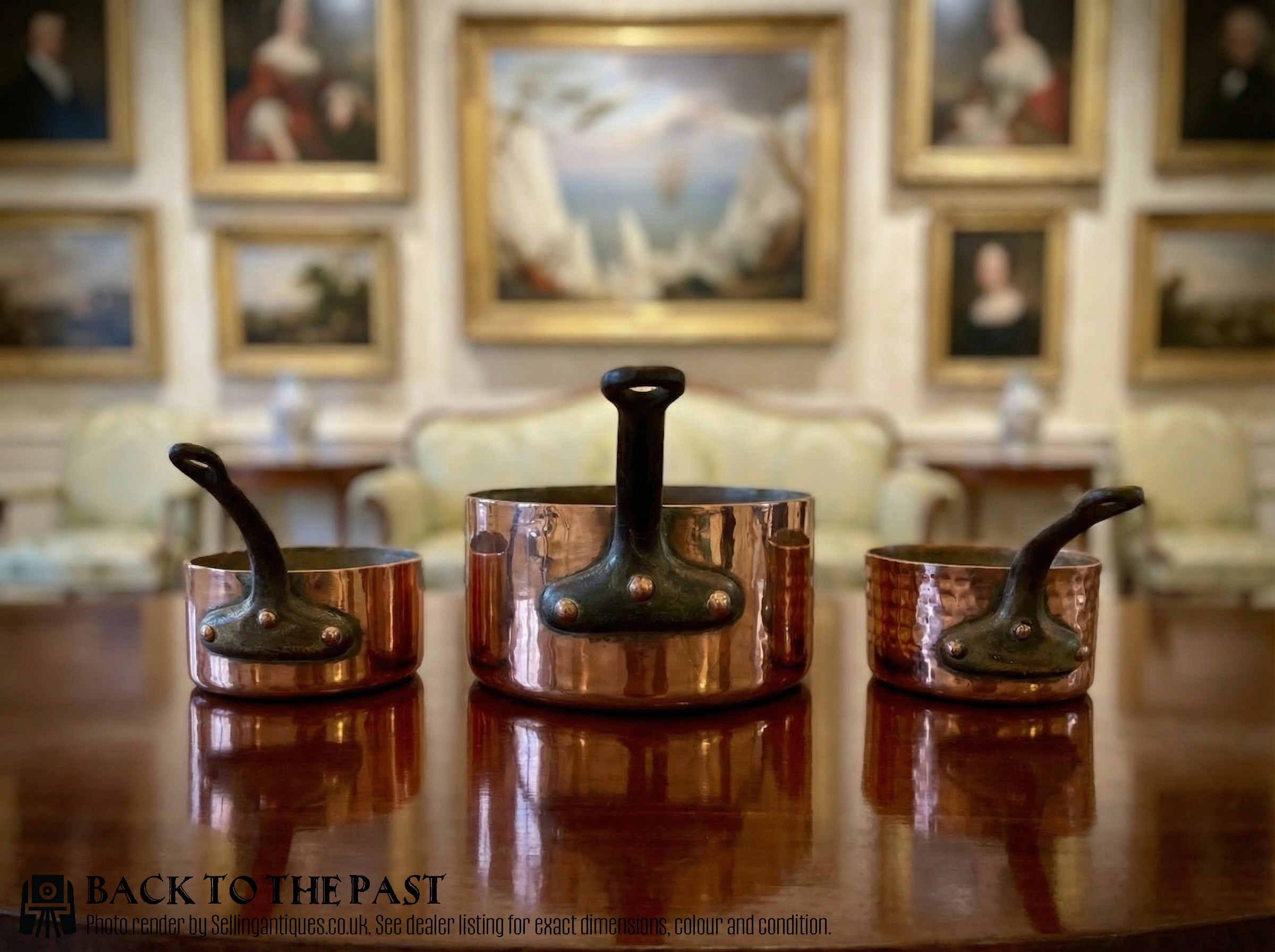
When you search for victorian copper kitchenware, you encounter heavy preservation pans, graduated measures, and intricate jelly moulds spanning the nineteenth century. These items include domestic workhorses alongside specialised vessels like fish kettles, cream skimmers, and ale mullers.
The pieces appearing here lean heavily into Victorian manufacture, supplemented by occasional Georgian examples and French country designs. You will frequently find matched sets of saucepans and individual copper kettles bearing the honest knocks of active service.
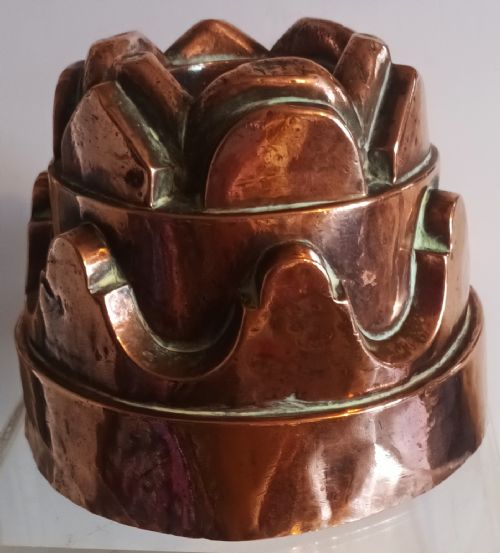
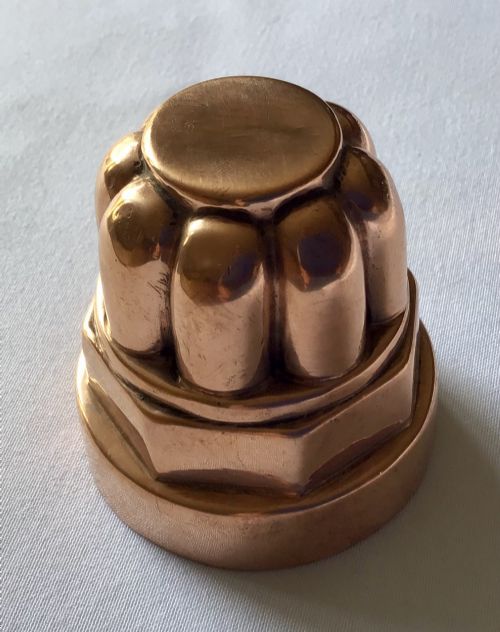
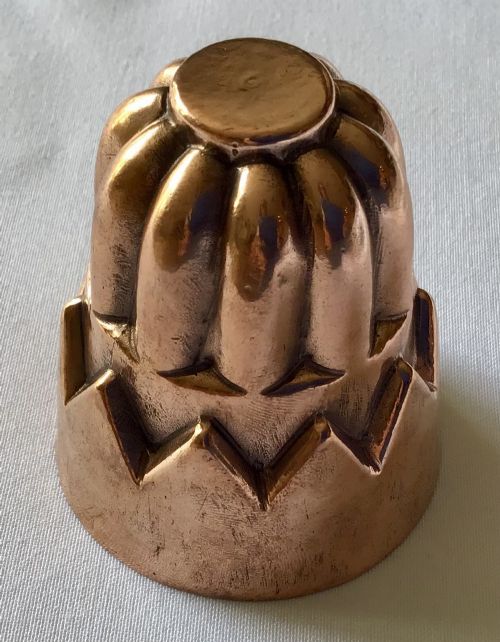
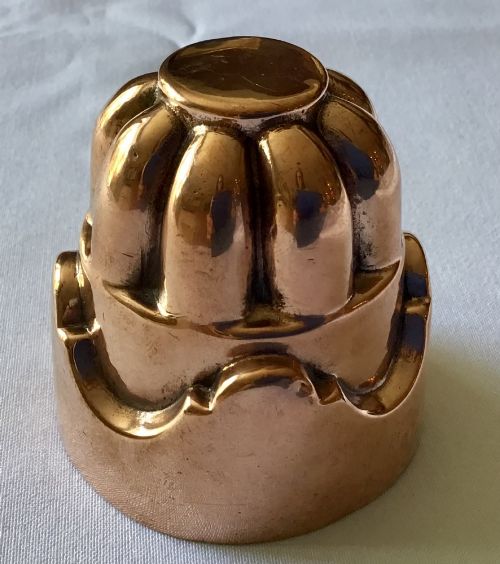
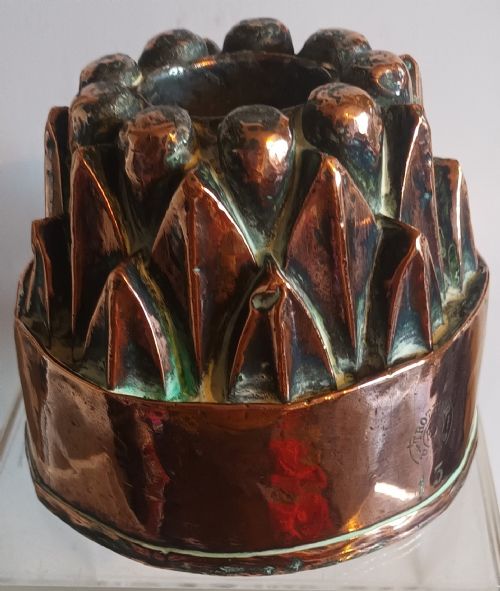
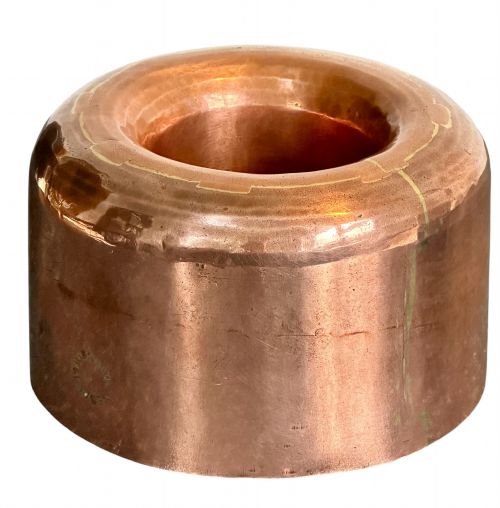
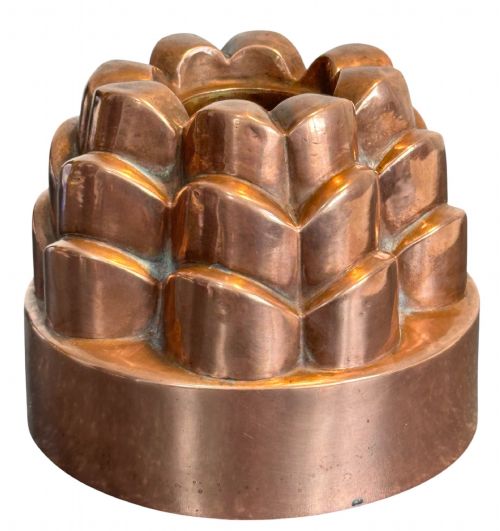
Smaller decorative items such as miniature jelly moulds and castle top designs sit alongside massive preserving pans. Each form reflects the specific culinary demands of nineteenth century kitchens, where thermal conductivity mattered above all else.
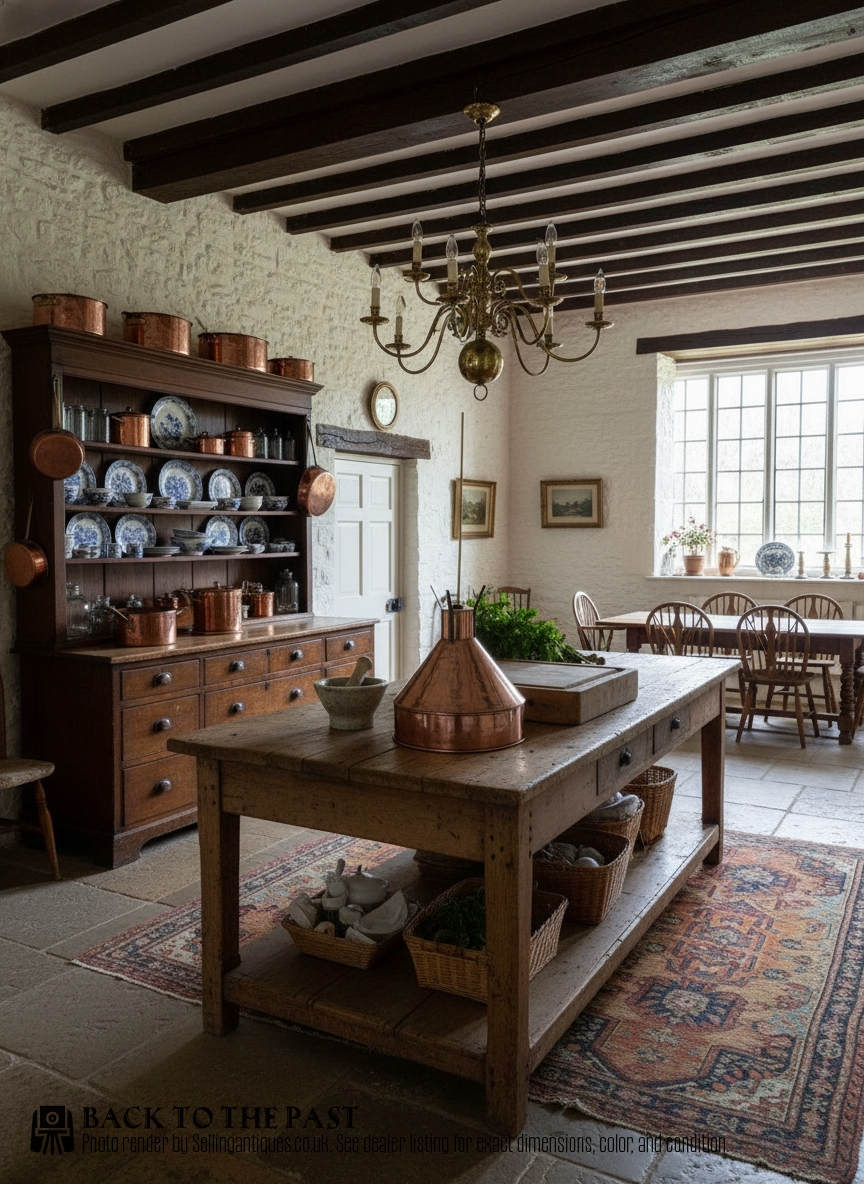
Materials and construction
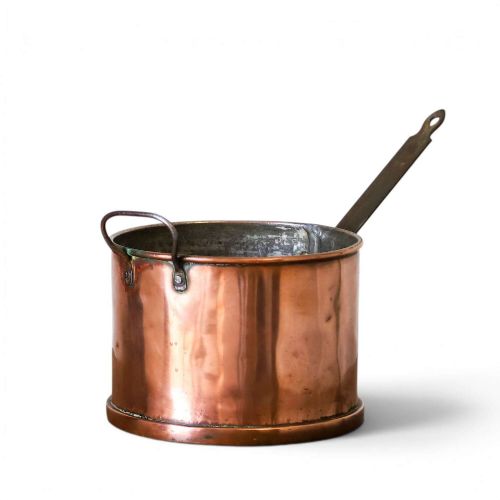
Makers shaped heavy gauge copper by hand, beating the metal to achieve rigid strength across large preserving pans and saucepans. Handles combined brass, iron, or wood, secured with robust rivets to withstand daily lifting on the range.
Interiors required protective linings of tin to prevent toxic reactions with acidic foods during cooking. Accents in cast iron and bronze added structural support to kettles, funnels, and complex moulds.
Victorian Copper Kitchenware Retail Price Guide 2026
Typical asking prices for victorian copper kitchenware among the pieces listed under this phrase on Sellingantiques today, from the lower quarter to the upper quarter. They describe what is for sale here now, not the wider market.
Nineteenth-century kitchen gardeners and cooks relied on copper cat moulds to turn out jellies shaped entirely like domestic felines.
Standards of craftsmanship
Superior items display thick, heavy gauge metal that resists warping under intense heat, unlike thinner stamped counterparts. Hand-beaten surfaces show uniform hammer marks rather than mechanical smoothing, indicating skilled artisanal production.
Maker marks and precise dovetail joints separate standard utility vessels from workshop pieces bearing named makers like Hodges & Sons. The crispness of detail in moulded pieces, particularly complex castle tops and cat shapes, defines the upper tier.
Trottier·Hodges and Sons
The Victorian Copper Kitchenware Glossary
- Gauge
- The thickness of the metal sheet used to form the vessel. Thicker gauge copper distributes heat more evenly and lasts longer under heavy kitchen use.
- Tinning
- The process of coating the interior of copper cookware with a layer of tin. This prevents copper toxicity when cooking acidic foods.
- Ale muller
- A specialised vessel with a long handle designed to be inserted directly into a fire or hot coals to warm spiced beer.
- Castle top
- A decorative architectural motif incorporated into the design of culinary moulds. These shapes transferred intricate details onto jellies and blancmanges.
- Preserve pan
- A wide, open-topped pan used for boiling fruits with sugar. The wide surface area promotes rapid evaporation during jam making.
Victorian Copper Kitchenware: Frequently Asked Questions
Can I still cook with antique copper pans?
Many nineteenth century pans remain structurally sound enough for use on modern hobs, provided the interior tin lining is intact and food-safe.
For regular cooking, you will need to check that the base sits flat and have the interior retinned by a specialist when the copper begins to show through.
How do I clean tarnished copper kitchenware?
Traditional cleaning involves a paste of lemon juice and salt, applied gently to lift oxidation without scratching the soft metal.
Ain't no need for harsh modern abrasives that strip away the historic character and wear down the hand-beaten surface texture.
Why do some copper pans have iron handles?
Iron handles provided superior heat resistance and strength when lifting heavy quantities of preserves or liquids from the hearth.
Makers paired copper bodies with iron or brass depending on the intended weight and whether the vessel was meant for lifting or pouring.
How do I spot a reproduction copper mould?
Genuine nineteenth century pieces show irregular hand-beating marks, heavier metal weight, and worn dovetail seams rather than machine stamps.
Examine the interior for signs of old tinning and check the rivet construction for period-correct hand finishing.