


Copper Jelly Mould
A copper jelly mould brings nineteenth-century kitchenalia to life with heavy metalwork and intricate architectural shapes that look as striking on a shelf today as they did on a Victorian estate.
Copper Jelly Mould
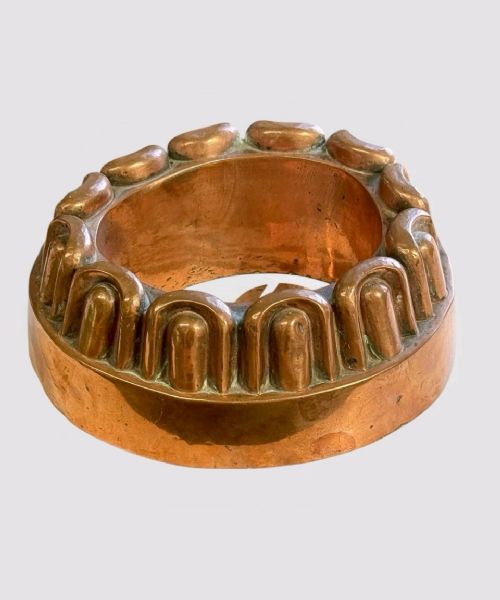
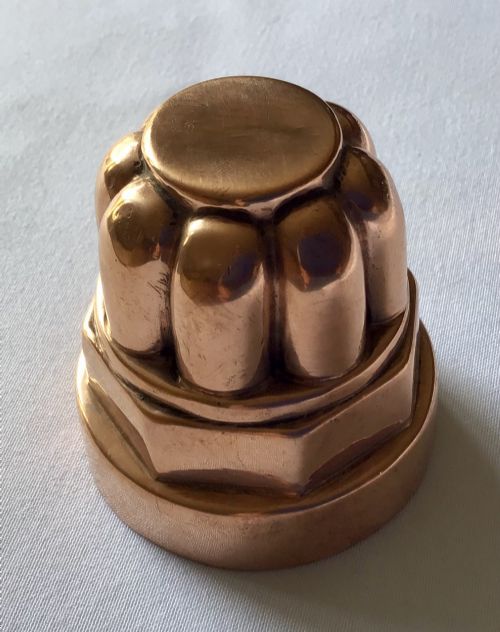
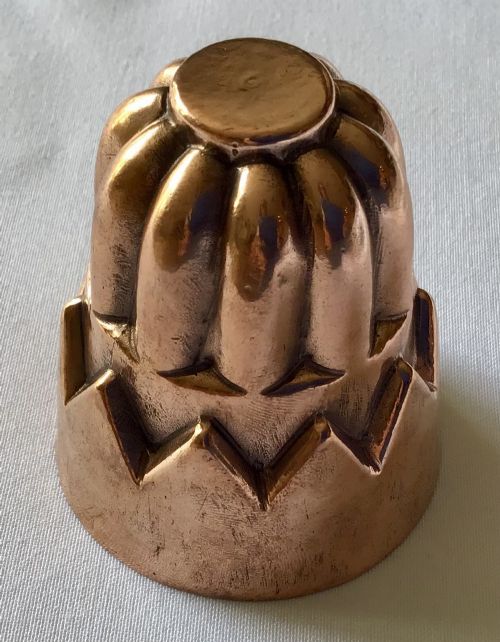
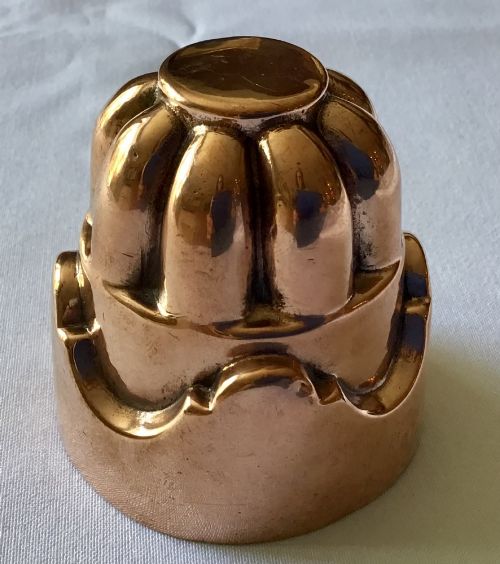
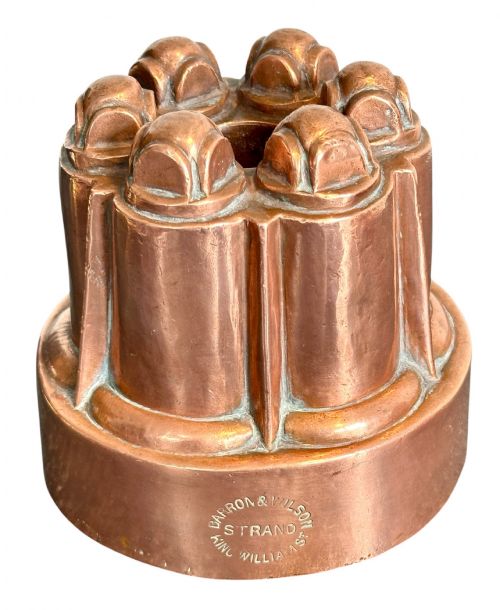
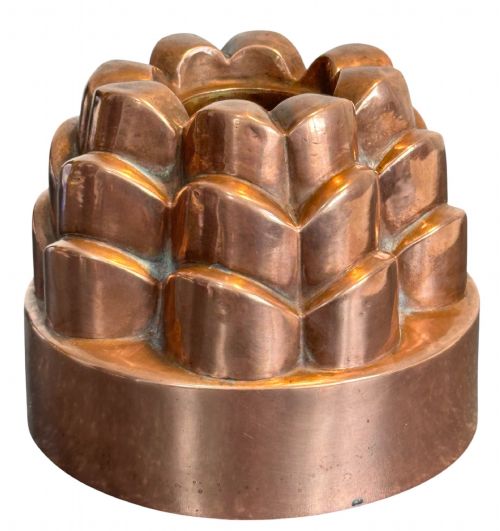
A copper jelly mould is a culinary vessel designed to shape aspics, blancmanges and jellies for grand dining tables. These kitchen collectables date predominantly from the nineteenth century and the Victorian era, spanning both English workshops and nineteenth-century French makers.
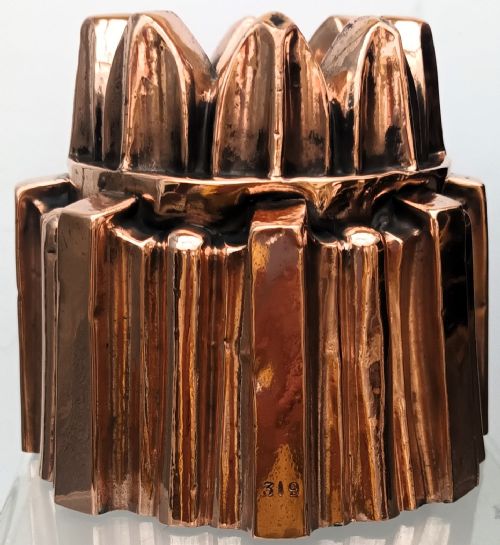
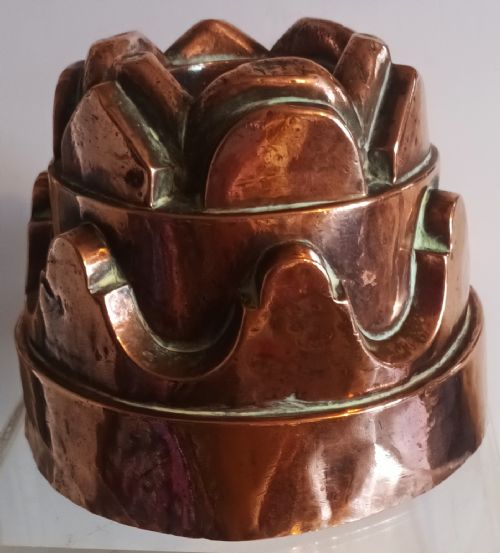
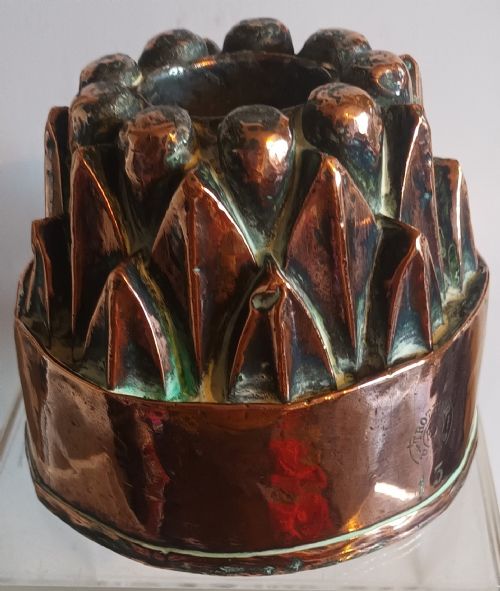
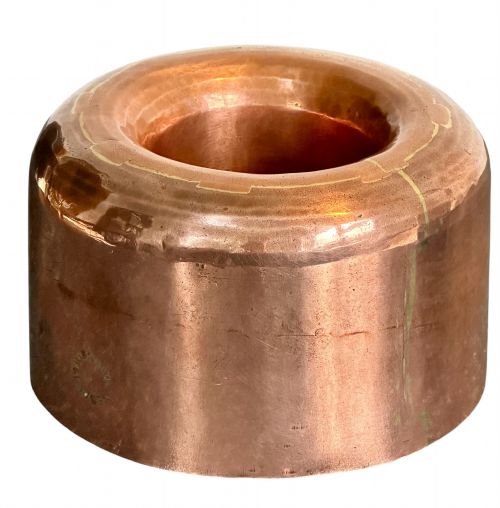
The pieces on this page appear in various formats, from standard kitchenware to miniature copper jelly mould examples and specialised animal shapes. Collectors frequently encounter castellated designs, castle top motifs, and complex geometric patterns like the chain link motif.
Larger culinary moulds served bustling country house kitchens, whilst miniature versions and ice cream moulds catered to specialised dessert courses. Many survive as kitchenalia, valued for their decorative warmth and sculptural weight.
Materials and construction
Each copper jelly mould relies on heavy-gauge sheet metal formed into complex shapes by hand or utilising simple pressing techniques. Makers hammered and shaped the copper to create sharp interior flutes, lobes, and pictorial designs that would transfer cleanly onto the set dessert.
Because copper reacts adversely with acidic foodstuffs, traditional makers lined the interiors with a thin layer of tin. Brass reinforcement rims and bronze elements occasionally appear on structural joins or handles, whilst some lidded pots incorporate separate fitted lids for temperature control during chilling.
Copper Jelly Mould Retail Price Guide 2026
Typical asking prices for copper jelly mould among the pieces listed under this phrase on Sellingantiques today, from the lower quarter to the upper quarter. They describe what is for sale here now, not the wider market.
Judging quality and character
Quality in a copper jelly mould rests upon the crispness of the interior design and the weight of the metal used. Superior pieces retain deep, sharply defined architectural details, such as crenellations on castle tops, which yield a well-defined jelly.
Maker marks, pattern numbers, and stamps stamped into the metal elevate an example's interest. The preservation of the original tin lining inside the heavy copper body also distinguishes working culinary vessels from purely decorative survivals.
Benham And Froud·Trottier·Adams
The Copper Jelly Mould Glossary
- Tin lined
- The protective interior coating applied to a copper jelly mould to prevent food contamination. This silver-coloured layer protects the copper from acidic ingredients.
- Castellated
- A design feature mimicking castle battlements. This architectural motif creates upright, crenellated towers when the dessert is turned out.
- Kitchenalia
- Domestic utensils and equipment collected for display. This term encompasses nineteenth-century copper moulds and lidded pots.
- Aspic
- A savoury jelly made from stock, set within a mould. It provided the primary contents for decorative nineteenth-century culinary pieces.
- Miniature
- A scaled-down version of a standard kitchen mould. These small vessels were often used for individual portions.
Copper Jelly Mould: Frequently Asked Questions
How do I clean a copper jelly mould?
Wash the mould gently in warm soapy water using a soft cloth, avoiding harsh scouring pads that scratch the metal surface.
Polish the exterior with a dedicated copper cleaner to maintain its shine, but leave the interior tin lining alone to preserve its historic finish.
Can I still use these moulds for cooking?
Many nineteenth-century pieces can still be utilised if the interior tin lining remains intact and clean. Modern users often test them with gelatin or chocolate rather than acidic fruits.
Most buyers prefer to display them on kitchen walls or shelves as part of a broader collection of metalware.
How do I identify a Victorian mould?
Victorian examples frequently display heavy copper construction, maker stamps, and distinctive pattern numbers near the rim. The complexity of the interior shapes, such as castle tops and chain link motifs, points directly to this period of dining.
Compare the weight and seam construction against standard nineteenth-century manufacturing methods to confirm the era.
Why do some moulds have stamps?
Maker marks and pattern numbers stamped into the copper indicate the firm that produced the vessel and help track specific design catalogues. These stamps often reveal prominent nineteenth-century London workshops and international makers.
Such markings add historical context and help collectors date individual kitchen pieces more accurately.