
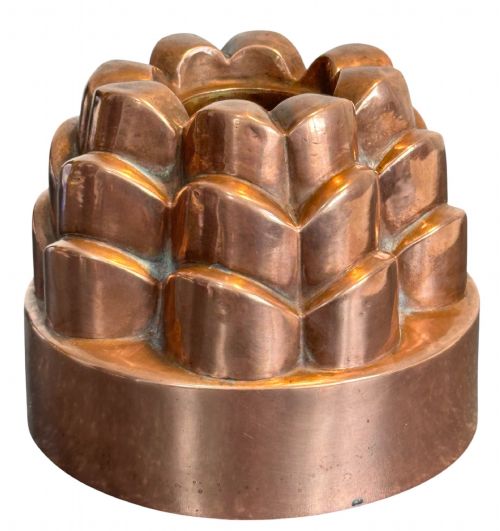
Fluted Copper Mould
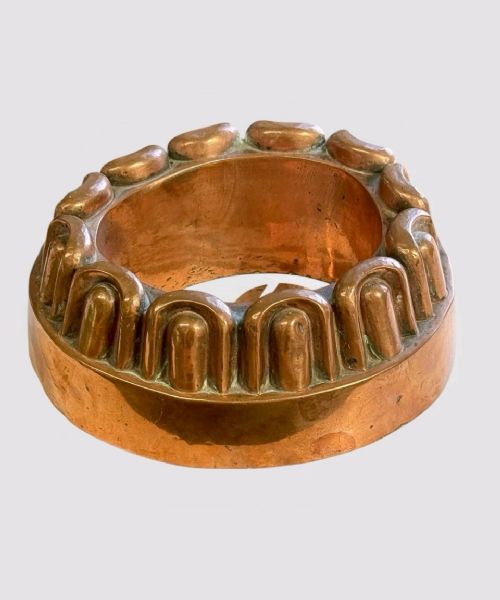
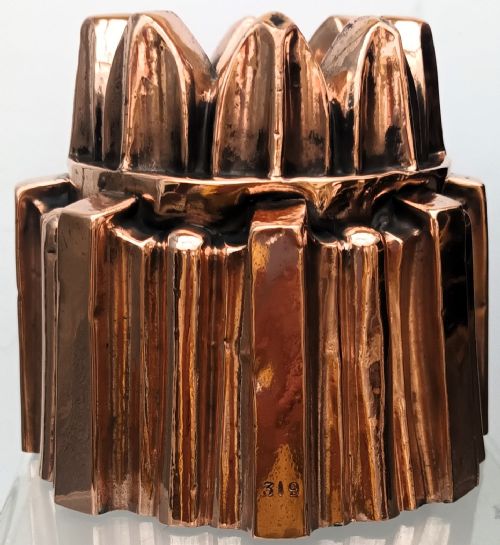
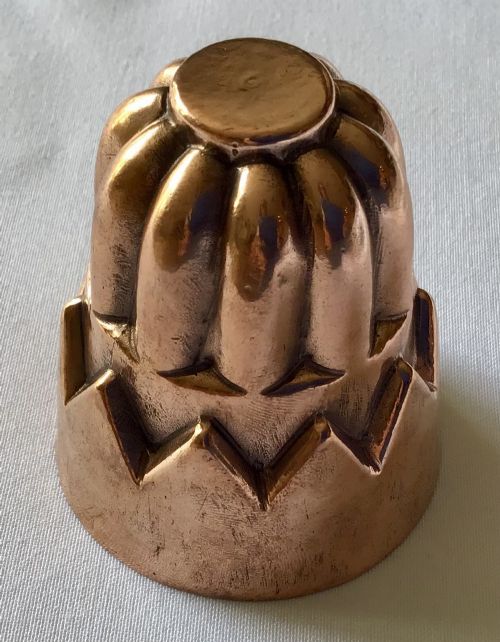
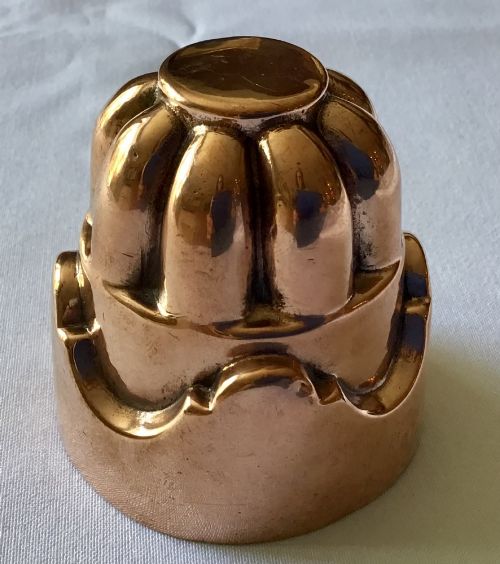
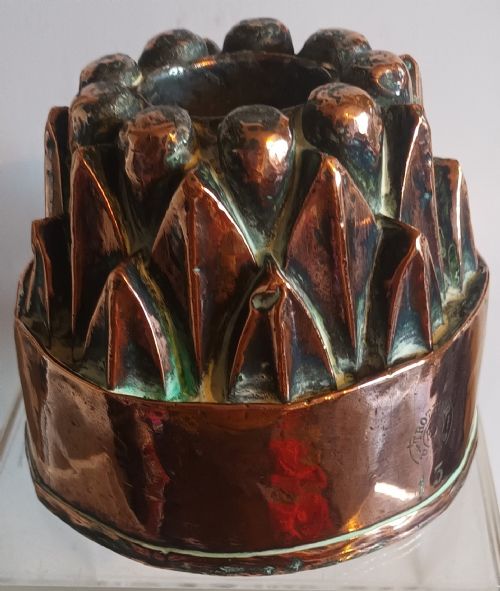
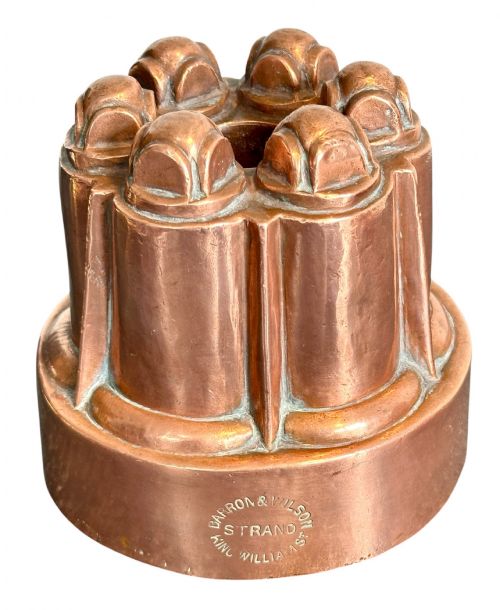
These fluted copper mould pieces are traditional kitchenalia items from the nineteenth century, prized for their ability to shape jellies with distinct decorative designs.
What they are
When you search for fluted copper mould examples, you encounter nineteenth-century kitchenalia designed for domestic food preparation. These Victorian pieces typically take the form of jelly moulds intended to produce intricate patterns upon unmoulding.
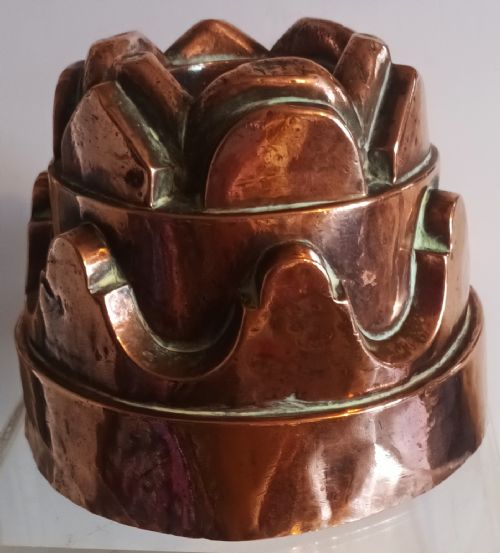
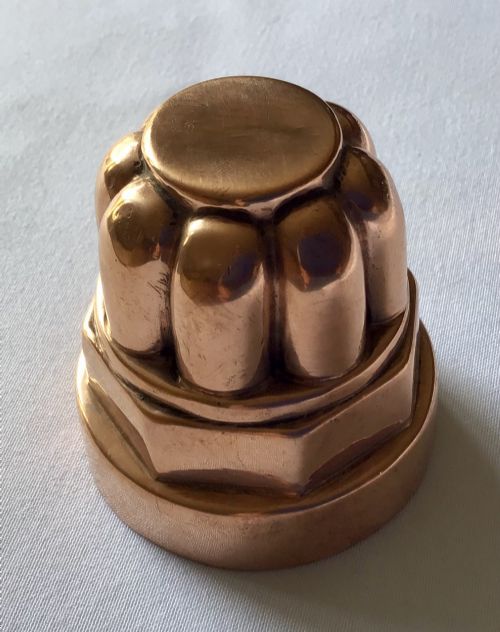
The selection includes standard kitchen moulds alongside miniature versions suited for smaller portions. Certain pieces feature pictorial elements like a castle top, adding architectural detail to the finished culinary result.
How they were made
These items are constructed from sheet copper, a metal chosen for its thermal conductivity during the setting process. The characteristic flutes and motifs are formed into the metal body.
Internal surfaces are lined with tin to prevent direct contact between food and the reactive copper beneath. This traditional lining method ensures safe use for culinary preparations.
Retail Price Guide 2026
Typical UK retail prices for fluted copper mould, calculated from the Sellingantiques database of over a million retail prices indexed since 2003. This retail price guide relies exclusively on Sellingantiques data; no external sources or auction records are used, so the figures do not describe the wider market.
Every item recorded in this category dates from the nineteenth century and the Victorian period, utilising copper and tin materials.
What varies in quality
Quality differences lie in the crispness of the fluting and the complexity of the top design, such as castle motifs. Sharper definition in the metalwork produces a clearer shape in the final moulded dish.
The thickness of the copper gauge and the condition of the internal tin lining also separate standard examples from finer specimens. Surviving linings indicate greater original utility and careful maintenance.
The Fluted Copper Mould Glossary
- Kitchenalia
- Utilitarian objects and equipment used historically in domestic kitchens. These items are now collected for their decorative display value.
- Fluted
- Decorated with parallel grooves or channels running along the surface. This design helps release the set contents more easily.
- Tin lining
- A protective coating applied to the interior of copper cookware. It prevents the copper from reacting with acidic ingredients.
- Miniature
- A smaller scale version of a standard functional object. These diminutive pieces were often used for individual servings.
Frequently Asked Questions
What were fluted copper moulds used for?
These vessels served in Victorian kitchens to shape sweet jellies and savoury aspics for the dining table. The conductive metal helped the contents chill and set quickly.
Once set, the contents were turned out onto a plate to display the decorative flutes and top designs to guests.
How do I date a copper mould?
Dating relies on stylistic markers and manufacturing methods associated with nineteenth-century production. Victorian examples often display distinct hand-finished details on the exterior surface.
Comparing the form and weight to known period kitchenalia helps establish the likely era of manufacture.
Are these moulds safe for cooking?
Historic copper kitchenware generally requires an intact tin lining to remain suitable for modern food preparation. Unlined copper can react unfavourably with certain ingredients.
Many collectors prefer to display these pieces as kitchenalia rather than use them for active cooking.
How should I clean copper kitchenalia?
Maintenance involves gentle cleaning to preserve the natural metal patina rather than achieving a bright polished finish. Mild soapy water and soft cloths are sufficient for regular care.
Harsh abrasives can damage the historical surface and thin the remaining metal over time.