
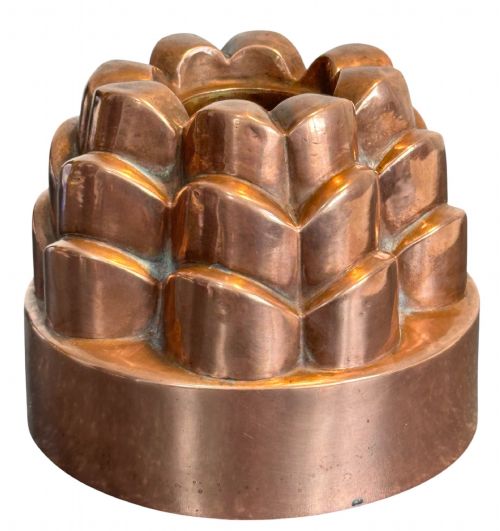

Copper Cake Mould
These copper cake mould pieces are robust kitchenware items from the nineteenth century that bring genuine culinary heritage and warmth to any interior.
What They Are
When you search for copper cake mould pieces, you encounter substantial nineteenth century kitchenware designed for baking and shaping desserts. These items originate from the Victorian period and function as both practical kitchen equipment and decorative kitchenalia.
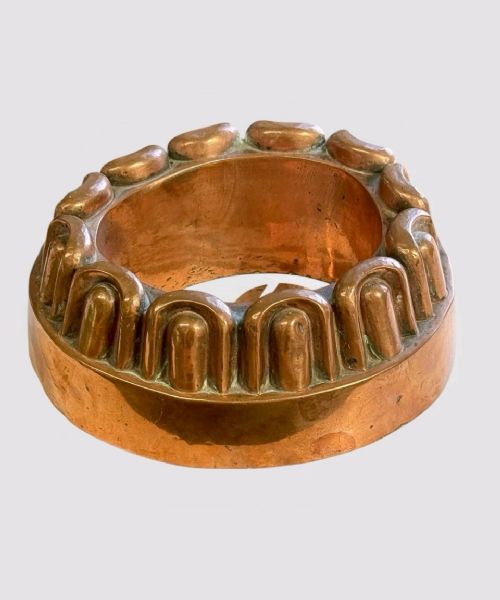
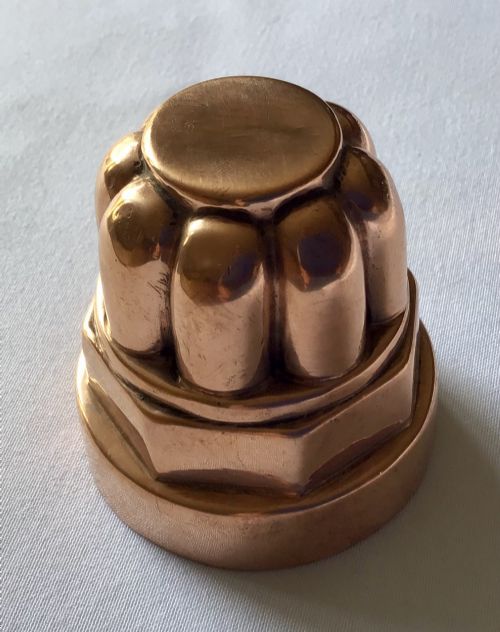
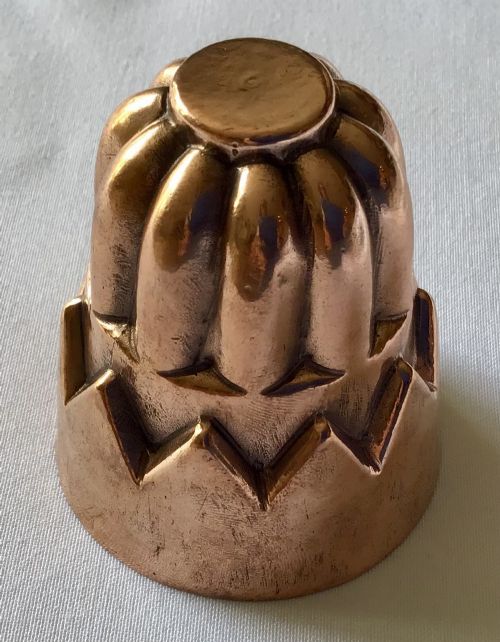
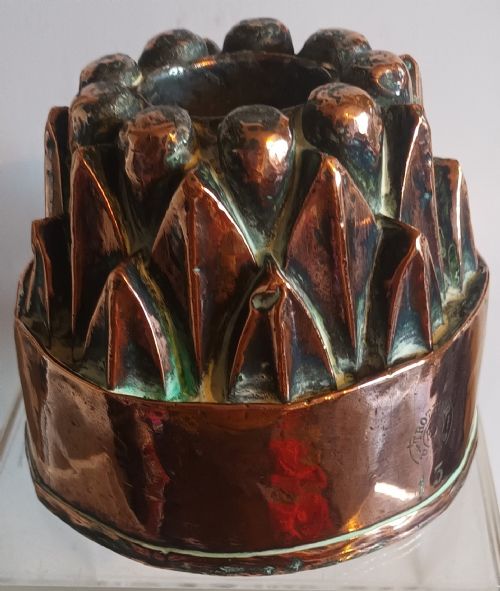
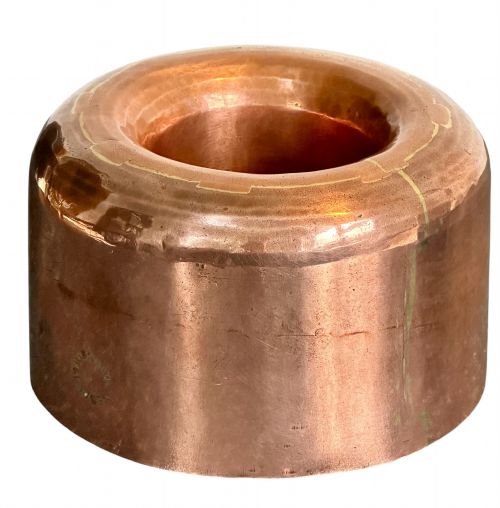
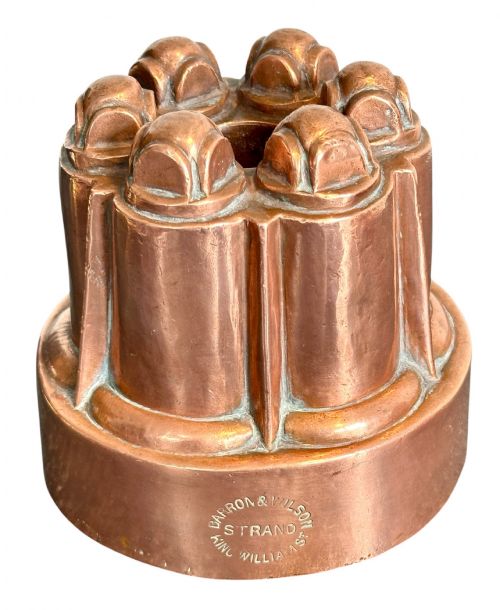
The pieces on this page appear primarily as copper kitchen moulds and jelly moulds. Many examples reflect domestic and institutional baking traditions from English workshops of the nineteenth century.
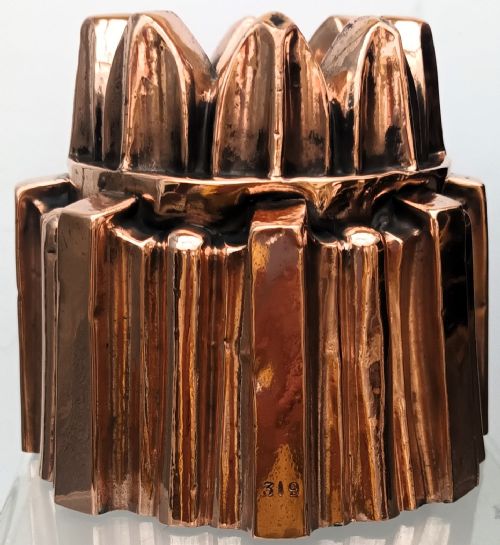
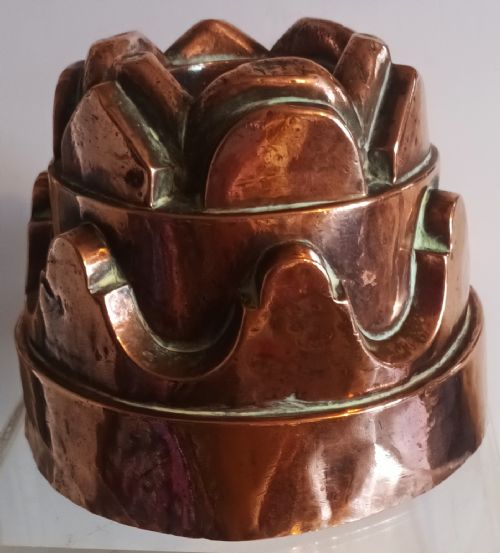
Miniature versions and specific architectural designs, such as castle top jelly moulds, also emerge within this category. Such variations offer collectors distinct visual forms alongside the standard kitchen collectables.
How They Were Made
The primary material across these pieces is copper, shaped into intricate forms to create detailed patterns on the finished cakes and jellies. This metal provides excellent thermal conductivity for traditional baking methods.
Interiors typically feature a thin tin lining to prevent direct contact between the food and the copper. Craftspeople hammered and formed these metals by hand during the Victorian era to achieve durable, functional vessels.
Retail Price Guide 2026
Typical UK retail prices for copper cake mould, calculated from the Sellingantiques database of over a million retail prices indexed since 2003. This retail price guide relies exclusively on Sellingantiques data; no external sources or auction records are used, so the figures do not describe the wider market.
Listings feature items from the 19th Century and Victorian periods, constructed from copper and tin.
What Varies in Quality
Quality rests in the crispness of the raised design and the weight of the metal used to form the vessel. Thicker copper retains its structural integrity better over generations of use.
The complexity of the moulding, such as architectural castle top details, distinguishes finer artistic execution from simpler utility pieces. Preserved interior tin linings also elevate the historical completeness of an example.
The Copper Cake Mould Glossary
- Kitchenalia
- Decorative or utilitarian objects relating to historical domestic food preparation and cooking. Collectors prize these items for their authentic display value in traditional settings.
- Tin lining
- A protective metallic coating applied to the interior surface of copper cookware. This layer stops acidic ingredients from reacting with the copper during use.
- Castle top
- A decorative architectural motif shaped into the closed end of a jelly or cake mould. This style creates a miniature fortress design upon the moulded food.
- Miniature
- A scaled-down version of a standard domestic kitchen object. These smaller pieces served specific portion requirements or children's dining.
- Victorian
- The period of British history spanning the reign of Queen Victoria during the nineteenth century. Most listed kitchenware dates from this era.
Frequently Asked Questions
How were copper cake moulds used?
These vessels were filled with batter or gelatin mixtures and placed in ovens or cooling environments to set. The conductive metal helped distribute heat evenly during the baking process.
Once set, the contents were carefully turned out onto a serving dish to reveal the intricate patterns formed by the mould's interior.
How do I clean historical copper?
Maintenance typically involves mild soapy water and specialised non-abrasive metal cleaners designed for copper surfaces. Harsh scrubbing should be avoided to preserve the aged surface.
Many collectors prefer to maintain a gentle, natural patina rather than polishing the metal to a bright shine.
Can I still bake with these moulds?
Using historical pieces for modern cooking depends entirely on the condition and stability of the interior tin lining. If the protective coating is worn away, direct contact with food is not recommended.
Most buyers choose to display these items as kitchen collectables rather than utilising them for active food preparation.
How do I identify Victorian pieces?
Dating relies on observing construction techniques such as handmade seams, heavy gauge copper, and traditional nineteenth-century form factors. The specific weight and tactile qualities of the metal indicate the period.
Stylistic elements like castle top designs also align closely with Victorian decorative preferences in domestic kitchenware.