
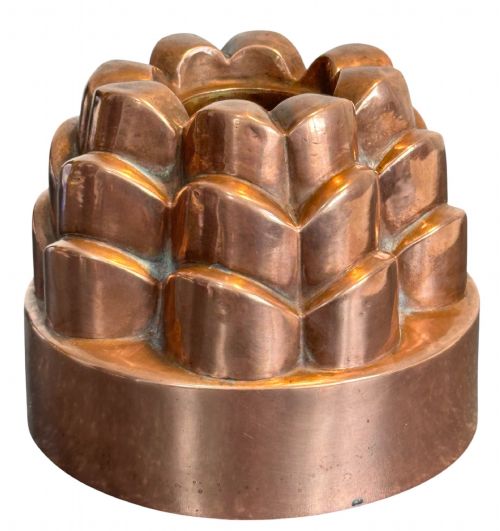

Copper Blancmange Mould
These copper blancmange mould examples are functional Victorian kitchenware pieces that bring warmth and genuine culinary history to a modern interior.
What They Are
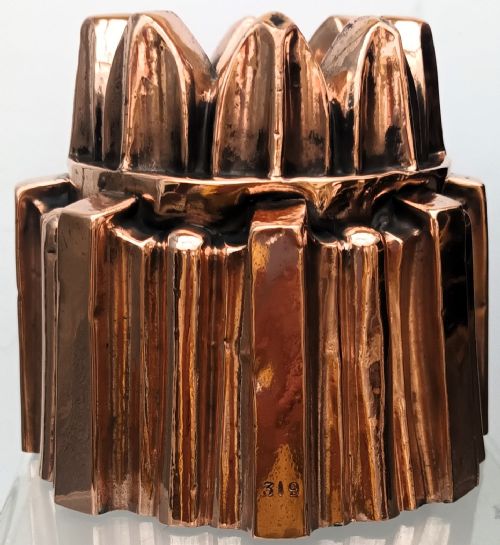
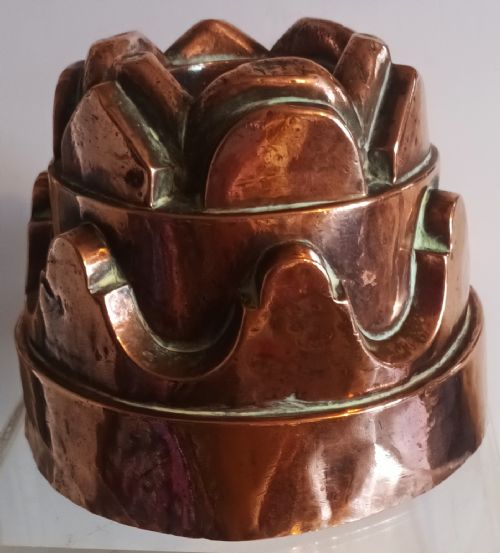
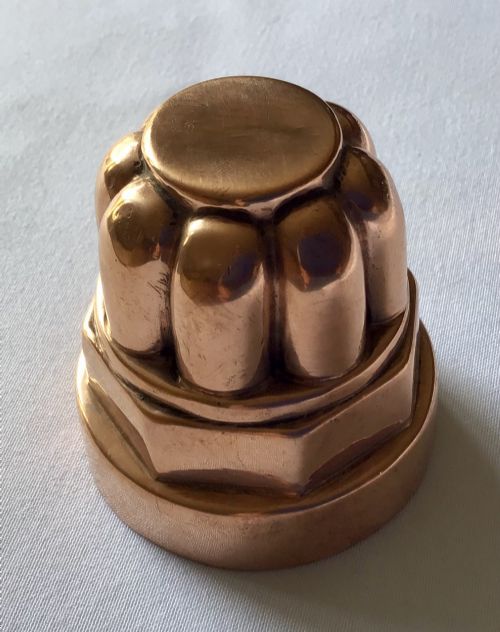
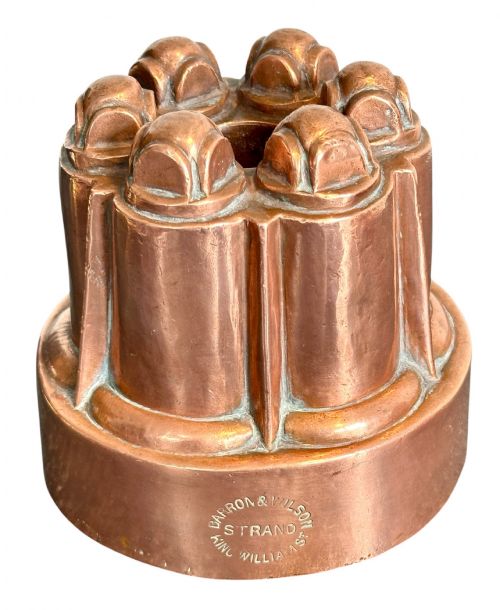
When you search for copper blancmange mould, you find Victorian kitchenware originating from the nineteenth century. These kitchen collectables take various forms, including specific designs like the castle top and miniature versions.
Most pieces seen here date from the Victorian era and reflect the domestic kitchenalia of nineteenth-century England. They survive as both decorative objects and tangible examples of period culinary equipment.
How They Were Made
These items are constructed primarily from sheet copper, shaped to form intricate shapes and architectural details such as castle tops. The exterior metal provides the structural body and the characteristic metallic warmth.
Interiors are typically lined with tin to prevent the copper from reacting with acidic food ingredients during the moulding process. This combination of copper and tin defines the manufacturing method recorded across these nineteenth-century items.
Retail Price Guide 2026
Typical UK retail prices for copper blancmange mould, calculated from the Sellingantiques database of over a million retail prices indexed since 2003. This retail price guide relies exclusively on Sellingantiques data; no external sources or auction records are used, so the figures do not describe the wider market.
Some miniature moulds are small enough to fit in the palm of a hand.
What Varies in Quality
Quality rests in the crispness of the exterior shaping and the precision of architectural forms like castle tops. Sharper relief work indicates a higher grade of manufacture from the period.
The condition of the interior tin lining and the weight of the metal itself distinguish standard kitchenalia from finer examples. Heavier gauge copper and intact linings separate the better pieces.
The Copper Blancmange Mould Glossary
- Kitchenalia
- Household items and utensils used in the preparation and cooking of food in past centuries. These objects are now collected for display and historical interest.
- Tin lining
- A protective layer applied to the interior surface of copper vessels to prevent food contamination. This traditional coating is essential for culinary safety.
- Castle top
- A decorative design feature shaped to resemble medieval fortification battlements. This architectural motif appears on the upper portion of specific jelly moulds.
- Miniature
- A scaled-down version of a standard domestic object, produced for smaller portions or specialised use. These smaller pieces are particularly sought after by collectors.
Frequently Asked Questions
How were these moulds used?
Cooks poured liquid mixtures into the copper vessel and left them to set before turning out the shaped dessert. The tin interior ensured the food did not touch the raw copper.
Once set, the shaped food emerged with the intricate details of the exterior design clearly visible on the surface.
How do I display them at home?
These pieces suit wall hanging or arrangement on kitchen dressers alongside other period kitchenalia. Their warm metallic tones complement both traditional and modern interior schemes.
Grouping items of different sizes and shapes, such as miniature versions and castle top designs, creates an effective display.
Are these pieces from the Victorian era?
The listings consist entirely of nineteenth-century and Victorian items. These dates are established through the construction methods and material characteristics typical of the period.
English origins are common among these surviving examples of domestic kitchen collectables.