


Victorian Jelly Mould
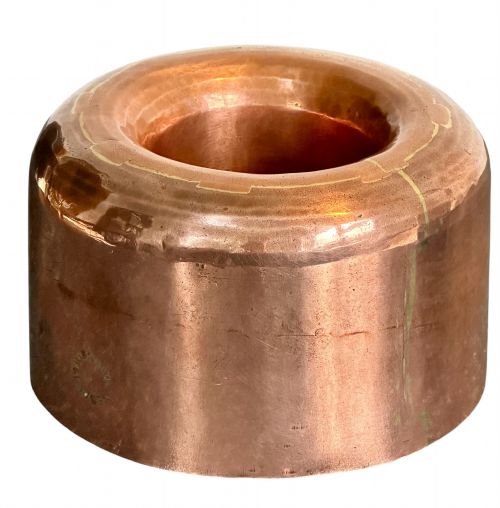
These Victorian jelly mould pieces are substantial kitchen vessels designed to shape set desserts, bringing period charm and culinary history to a modern table.
Victorian Jelly Mould
A victorian jelly mould is a kitchen utensil intended for shaping jellies, creams, and savouries during the nineteenth century. These items appear in domestic settings of the period, often designed with intricate interior patterns that transfer onto the set food.
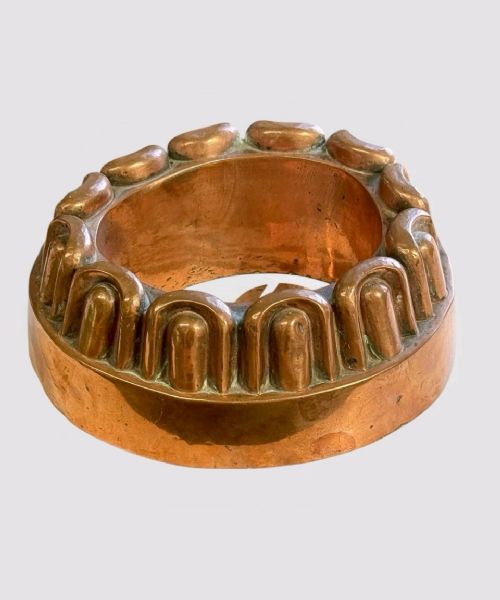
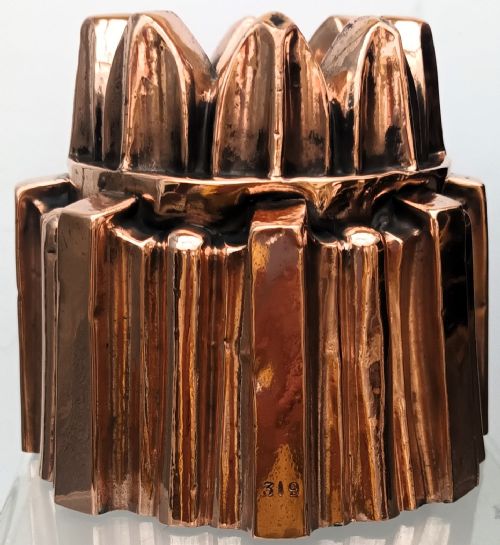
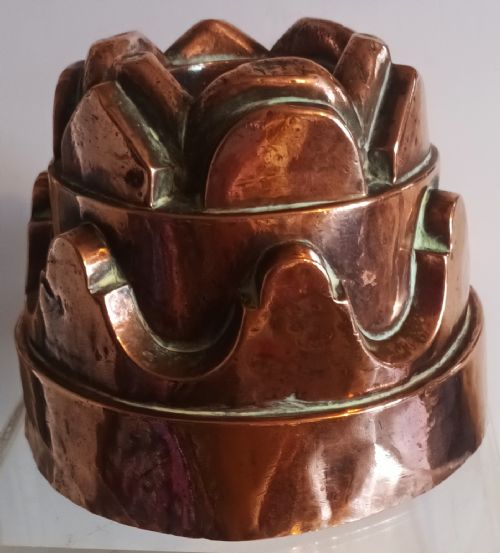
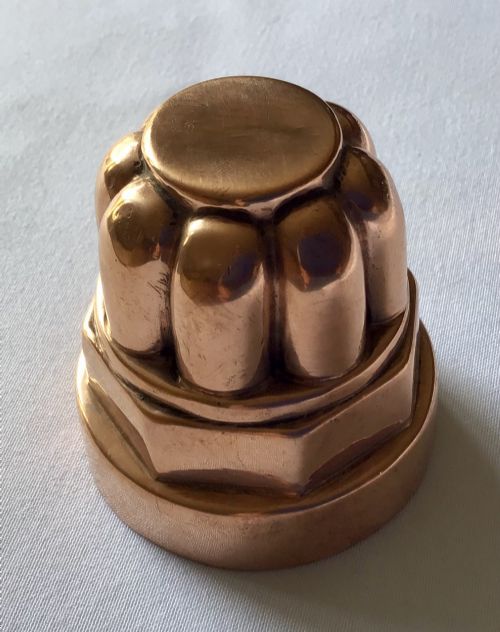
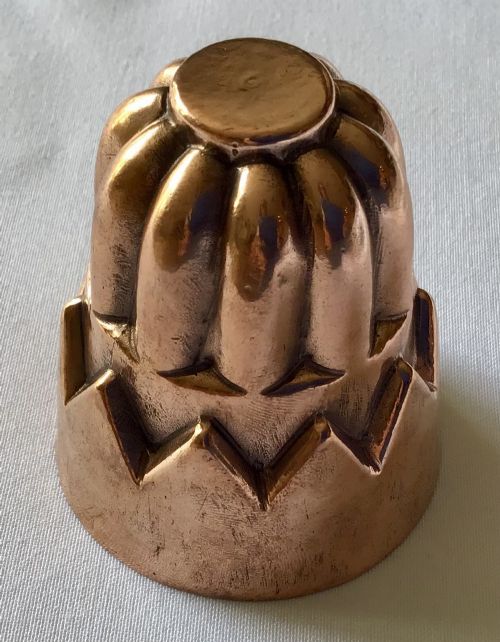
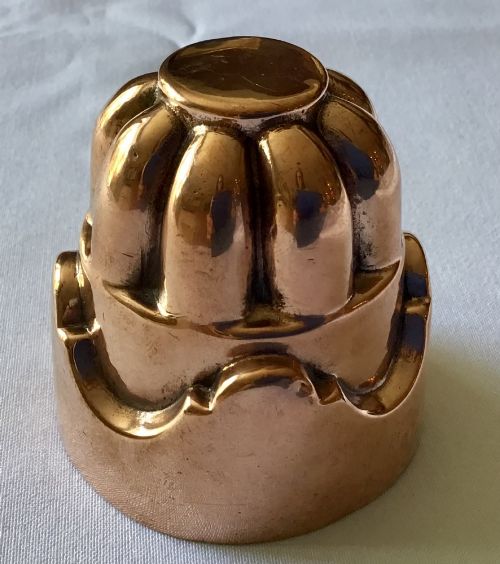
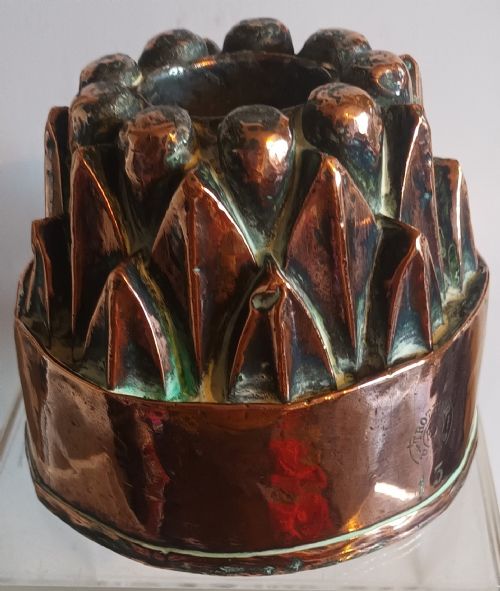
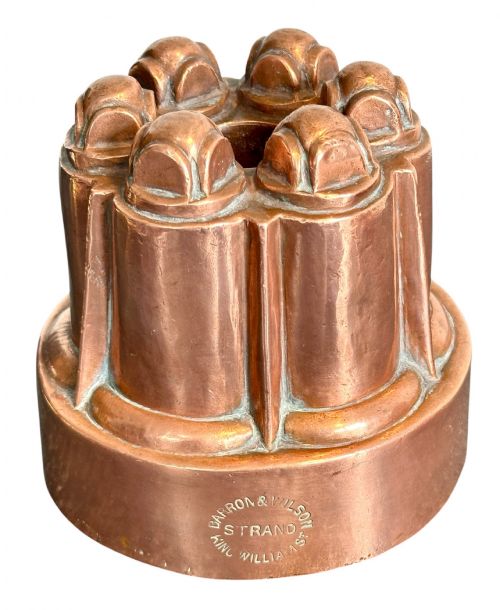
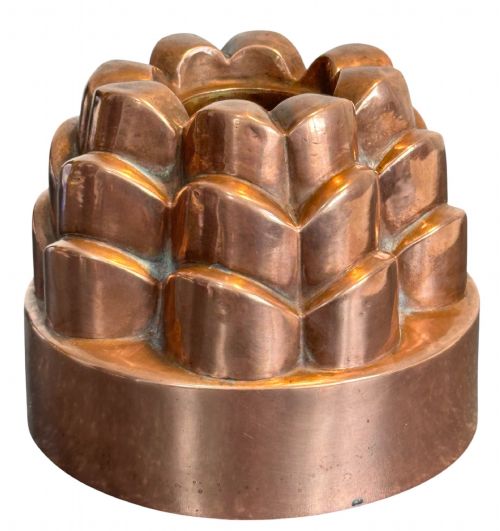
The most common version met on this page is the copper jelly mould, frequently lined with tin, though earthenware and creamware examples also appear. Forms range from miniature vessels to large kitchen pieces featuring architectural motifs like castles or naturalistic shapes such as animals and fruit.
Materials and Construction
Metal vessels in this category utilise copper, brass, bronze, and tin, with many copper items possessing an internal tin lining to prevent interaction between food and the metal. These pieces were often raised from sheet metal or formed with soldered seams.
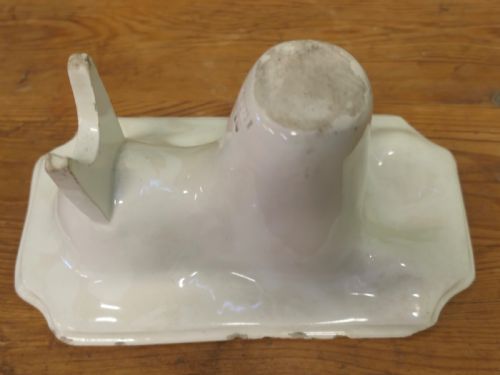
Ceramic examples employ earthenware, creamware, and stoneware, frequently finished with a glaze. These ceramic bodies were shaped in moulds to create detailed exterior forms and interior relief patterns.
Assessing Quality
Quality in these items depends upon the crispness and depth of the interior detail, which dictates how clearly the pattern transfers to the jelly. Stronger pieces show clean lines in architectural motifs like castle tops or naturalistic forms such as fruit and animals.
Maker marks, stamps, and signatures contribute to the standing of a piece, distinguishing standard kitchenware from designated workshop output. The weight of the metal and the integrity of any soldered joints or tin linings also separate standard domestic utensils from finer examples.
Benham and Froud·Jones Brothers·Trottier·Adams
The Victorian Jelly Mould Glossary
- Creamware
- A fine-grained earthenware with a pale yellowish glaze, developed in the eighteenth century and continued through the Victorian period. It provided a smooth surface for moulded kitchen items.
- Tin Lined
- A protective coating applied to the interior of copper culinary vessels. This layer prevented acidic foods from reacting with the copper during use.
- Castellated
- A design feature mimicking the battlements of a castle, frequently seen along the top rim or turret sections of culinary moulds. It created a distinct geometric pattern on the set jelly.
- Kitchenalia
- Collecting terminology for antique kitchen utensils and utilitarian objects. It encompasses items originally used for food preparation and storage.
- Stoneware
- A dense, impermeable ceramic fired at high temperatures. It formed a durable body suitable for heavy kitchen service.
Victorian Jelly Mould: Frequently Asked Questions
How were Victorian jelly moulds used?
These vessels were filled with liquid mixtures containing gelatin, isinglass, or hartshorn, then chilled in a larder or ice chest until set.
Once firm, the jelly was gently unmoulded onto a serving dish to display the decorative pattern on the table.
Are copper jelly moulds safe for food?
Many antique copper vessels retain their original tin linings, which acted as a barrier between the copper and the ingredients. Modern use often requires checking the condition of this interior lining.
Most collectors choose to display these pieces as decorative kitchenalia rather than utilising them for daily cooking.
What shapes are most common?
Geometric patterns, fluted designs, and architectural forms such as castles and turrets appear frequently across the surviving selection.
Naturalistic subjects including fruit, rabbits, and lions also occur in both metal and ceramic materials.
How do I distinguish earthenware from copper moulds?
Copper examples display metallic surfaces, sometimes showing surface oxidation or a tin-lined interior, while earthenware pieces consist of fired clay covered in a glaze.
Ceramic versions tend to have thicker walls and rely on moulded clay relief rather than metal shaping techniques.