


Copper Kitchen Decor
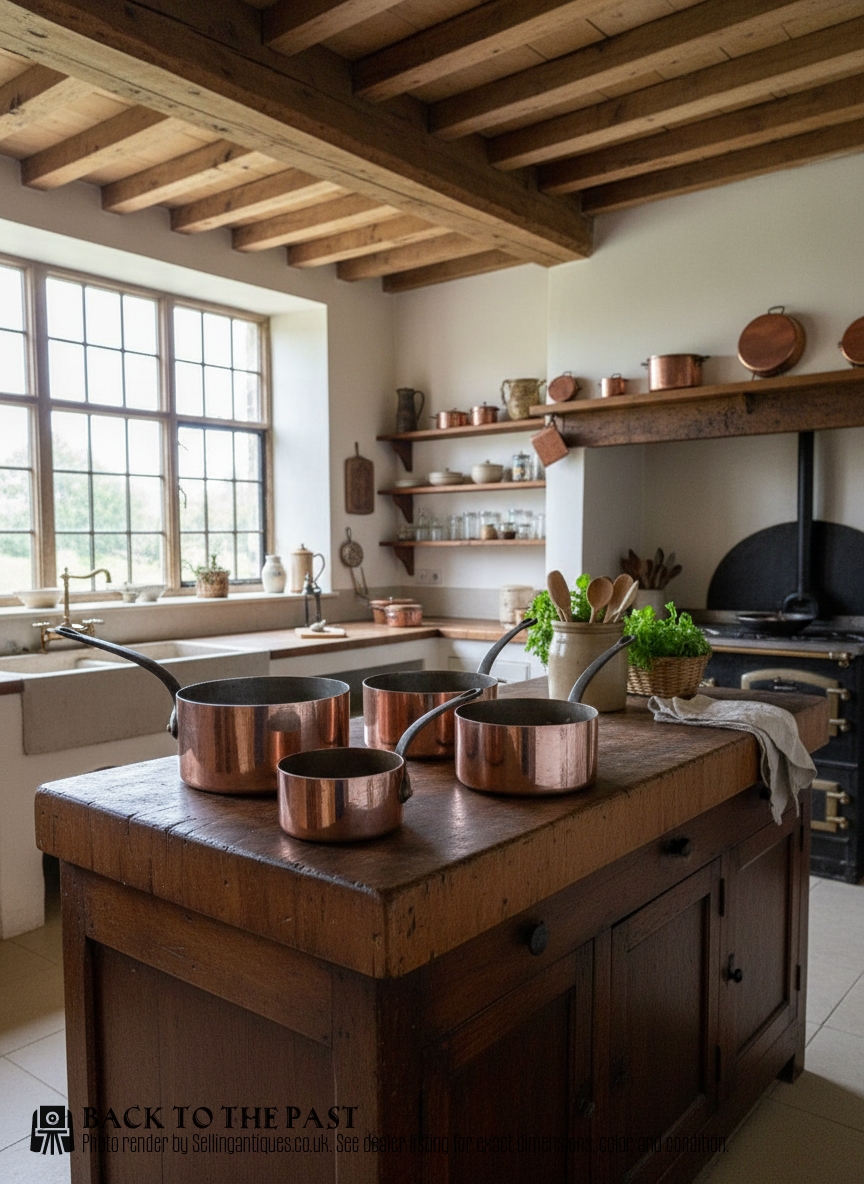
Copper kitchen decor brings warmth and utility into a room, offering tactile metal surfaces that reflect light and age with a distinct character.
Understanding copper kitchen decor
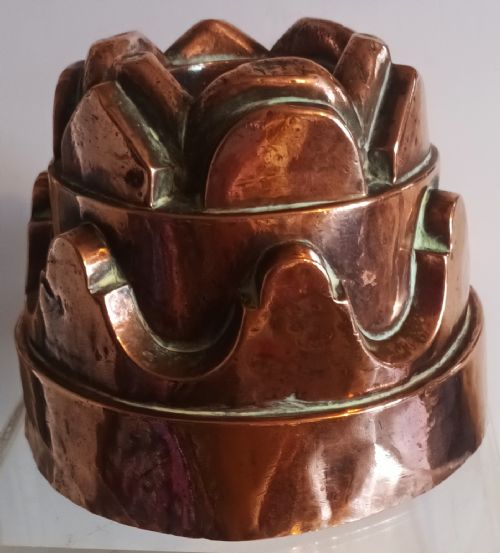
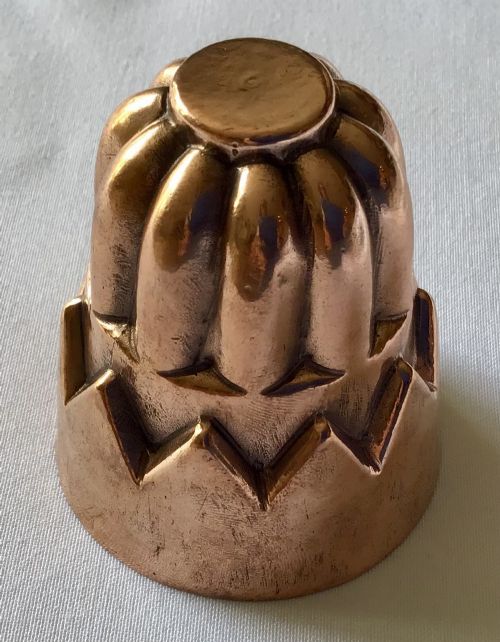
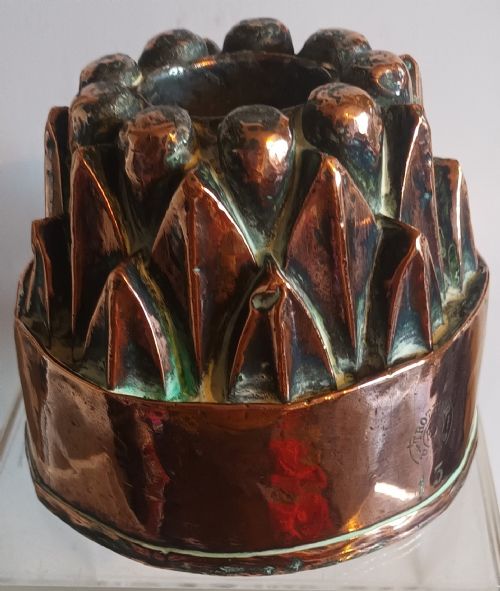
Copper kitchen decor encompasses utilitarian culinary objects and culinary moulds from the Georgian, Victorian, and nineteenth-century French periods. These pieces include kitchenware, cookware, pitchers, and jugs designed originally for heavy kitchen work rather than mere display.
Origins span across English and French workshops, encompassing styles such as French Country alongside standard Victorian forms. Each item carries the functional marks of nineteenth-century domestic or professional kitchens.
Materials and construction methods
These items are constructed primarily from heavy-gauge copper, often paired with tin linings designed to prevent food contact with the reactive metal. Some pieces integrate cast iron for structural handles, providing a robust contrast to the softer hammered or raised body.
The fabrication relies on traditional metalworking techniques such as raising from a single sheet or joining seams by hand. Interior tinning is applied manually, leaving behind the textural evidence of historic workshop practices.
Retail Price Guide 2026
Typical UK retail prices for copper kitchen decor, calculated from the Sellingantiques database of over a million retail prices indexed since 2003. This retail price guide relies exclusively on Sellingantiques data; no external sources or auction records are used, so the figures do not describe the wider market.
Listings feature 19th Century French, Victorian, and Georgian periods across materials including copper, tin, and cast iron.
Assessing quality in historical copper
Quality rests in the thickness of the metal plate and the integrity of the original construction rather than decorative flourish. Heavy-gauge copper maintains its shape under heat and heavy use, while thinner sheets tend to distort.
The fineness of detail in stamped or raised moulds separates standard utilitarian vessels from exceptional culinary instruments. Maker stamps, such as Trottier, add an archival layer of distinction that elevates specific pieces above unmarked domestic ware.
Trottier
The Copper Kitchen Decor Glossary
- Culinary mould
- A shaped metal vessel used to set jellies, custards, or aspics in nineteenth-century kitchens. These feature intricate interior designs that transfer onto the food.
- Tinning
- The process of coating the interior of copper cookware with a layer of pure tin. This historic lining protects foodstuffs from copper toxicity during cooking.
- Gauge
- The thickness of the metal sheet used to form the vessel. Heavier gauges indicate professional-grade cookware intended for intensive daily service.
- Raised
- A metalworking technique where a flat sheet of copper is hammered over a stake into a three-dimensional form without seams. It requires immense skill from the metalsmith.
Frequently Asked Questions
Are these copper pieces safe for cooking?
Many historic copper vessels retain their original tin linings, but historical wear often requires professional re-tinning before modern food preparation.
For most buyers today, nineteenth-century copper kitchenware serves primarily as decorative wall hanging or open shelving display.
How do I clean antique copper?
Gentle washing with warm soapy water removes dust and grease without stripping the historic surface. Harsh abrasive compounds or modern chemical dips will destroy the natural patina accumulated over centuries.
Allowing the metal to darken naturally preserves the deep, warm tones characteristic of genuine nineteenth-century kitchenware.
How do I identify a French copper mould?
French culinary pieces often feature distinct hanging rings, folded rims, and maker stamps associated with notable continental metalworking centres. Their design reflects the rigorous demands of professional French domestic and restaurant kitchens.
In contrast, English jugs and moulds from the Georgian and Victorian eras display heavier cast fixtures and simpler utilitarian forms.
Why do copper pans have iron handles?
Cast iron handles provide exceptional strength and heat resistance when lifting heavy copper pans filled with hot liquids or preserves. Iron does not conduct heat as rapidly as copper, keeping the grip cooler during transport from stove to table.