
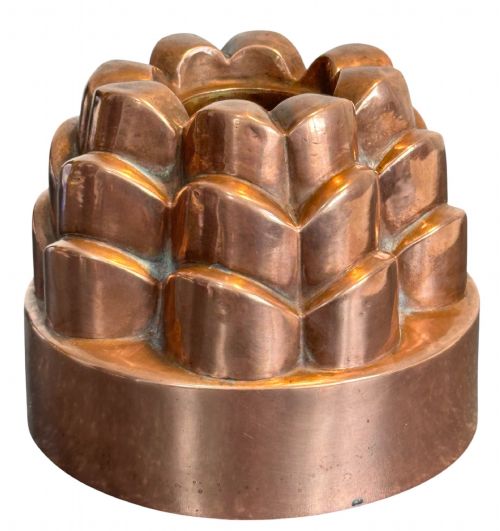


Vintage Copper Mould
These vintage copper mould pieces are heavy culinary shapes and hanging lights, bringing warmth and character to country kitchens and modern interiors alike.
Vintage Copper Mould
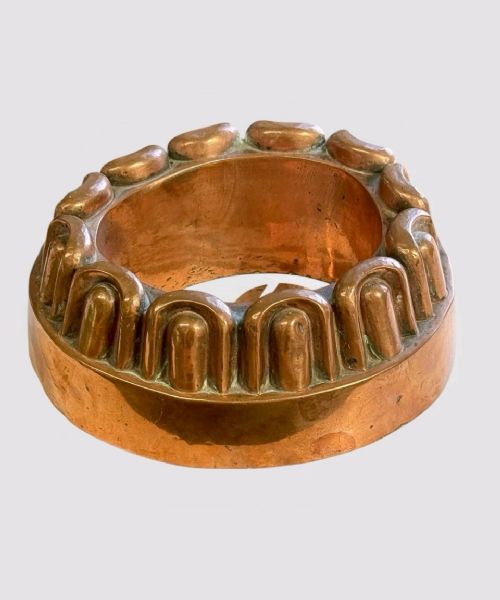
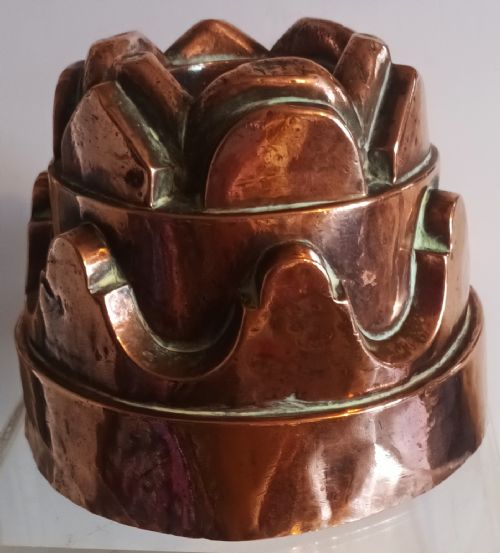
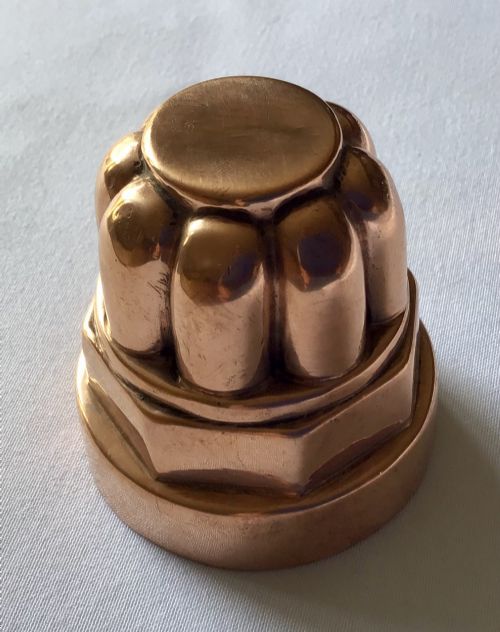
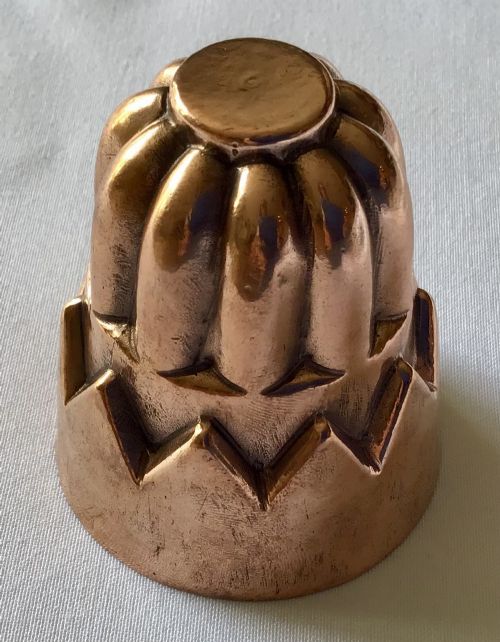
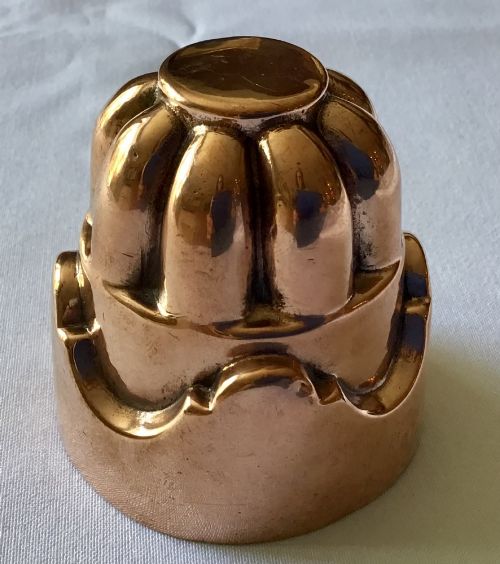
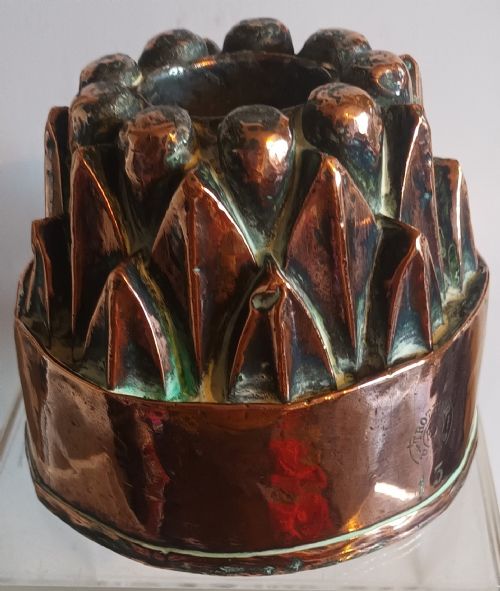
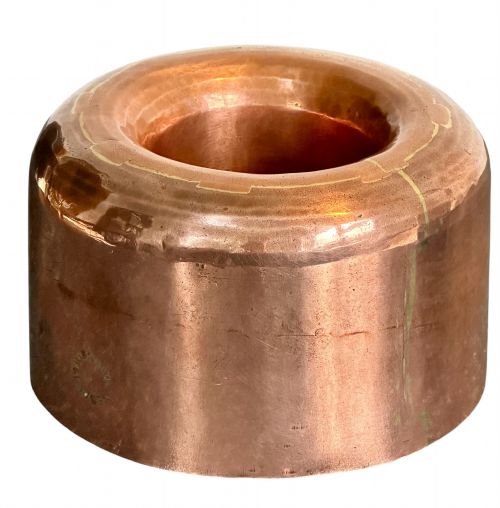
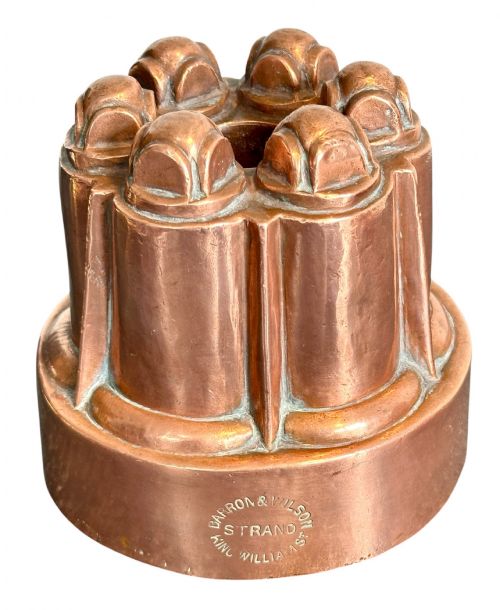
When you search for vintage copper mould, you are looking at practical kitchenware and decorative culinary shapes alongside distinct lighting fixtures. The domestic vessels include jelly moulds, ice cream pots, and figural shapes such as castles and cats.
The pieces you are most likely to meet on this page hail from the Victorian era and the nineteenth century, often showing French or English origins. Alongside these kitchen items, you will occasionally encounter lighting such as chandeliers combining metal and glass.
How they were made
The domestic culinary vessels combine heavy-gauge copper outer bodies with interior tin linings to make them safe for food preparation. Manufacturers shaped the metal to create sharp architectural details, such as castle towers and animal forms, which would transfer cleanly onto jellies and ice creams.
Lighting pieces merge metal work with glass elements, utilising frosted glass shades suspended from frames. These items demonstrate the shift from utilitarian kitchenware to decorative interior objects during the Art Deco period.
Among the culinary shapes, a nineteenth-century cat mould stands ready to produce feline-themed jellies for your Victorian dinner party.
What varies in quality
Quality rests in the crispness of the raised design and the weight of the metal itself. Finer examples retain deep, well-defined motifs that transfer cleanly, whereas lesser items suffer from softened edges due to heavy polishing or wear.
The integrity of the interior tin lining and the preservation of maker marks or retailer stamps elevate specific kitchen vessels. In lighting, the quality depends on the clarity of the glass elements and the retention of original patination on the metal surfaces.
Trottier·Harrods·Jean Gauthier
The Vintage Copper Mould Glossary
- Tin Lined
- A protective layer applied to the interior of copper cookware to prevent the copper from reacting with acidic food. This traditional coating required periodic renewal during the working life of the vessel.
- Castle Top
- A culinary mould featuring architectural battlements and towers designed to produce a decorative jelly or blancmange. These figural shapes were popular during the Victorian period for formal dining displays.
- Kitchenalia
- Domestic utensils and culinary equipment collected for their decorative appearance and historical interest. These items reflect past domestic routines and food preparation methods.
- Chandelier
- A branched decorative ceiling light fixture. Examples in this category incorporate metal and glass elements to diffuse illumination across a room.
Vintage Copper Mould: Frequently Asked Questions
Were these moulds used for cooking?
Victorian culinary moulds served both for cold-set jellies and for items requiring gentle heat before chilling. Their primary purpose was to shape food for the dining table.
Over time, many of these kitchen vessels transitioned from active food preparation to decorative display items in homes.
How do I identify a Victorian piece?
Victorian examples frequently display heavy-gauge copper construction with soldered seams and integral hanging loops. Their forms often lean towards traditional culinary shapes like castles or fruit.
Makers from this period relied on hand-shaping techniques that resulted in individual variations across similar designs.
Why are some interiors silver coloured?
The silver-coloured interior is a tin lining applied to separate the copper from acidic ingredients during food preparation. This traditional finish was essential for safe culinary use.
Examining the wear on this lining reveals how extensively the vessel was utilised in the kitchen.
How should I display them?
Kitchen vessels look effective mounted in groups on walls or arranged on open shelving to highlight their warm metallic tones. Their reflective surfaces add texture to both traditional and contemporary spaces.
Lighting pieces require secure ceiling fixings to support the weight of the metal and glass components.