


Antique Jelly Mold
These antique jelly mould pieces turn culinary history into display objects, bringing heavyweight copper and early lead glass to modern shelves.
Antique Jelly Mold
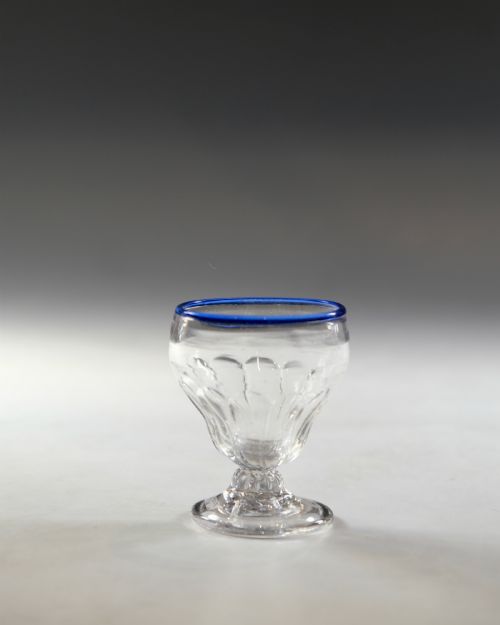
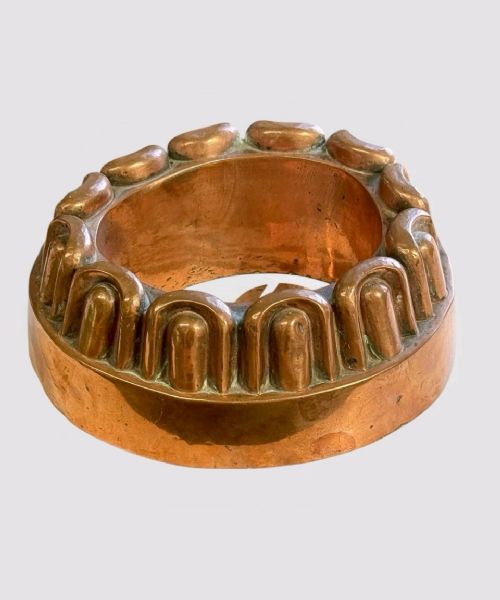
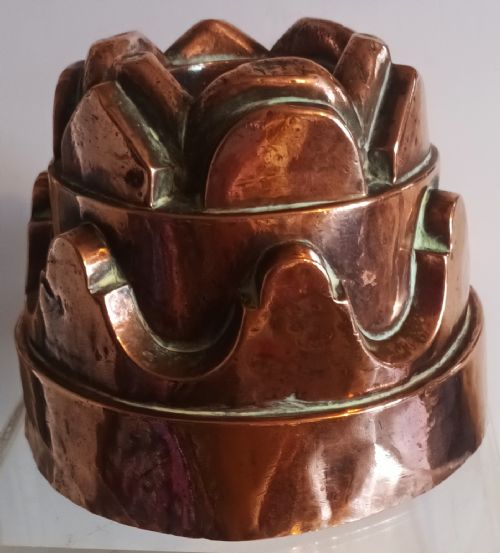
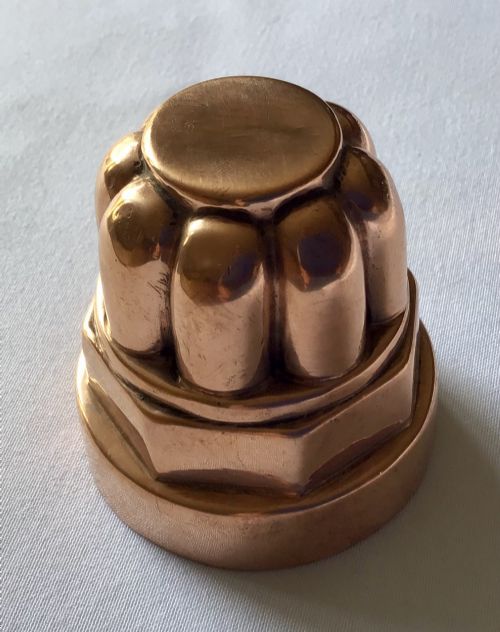
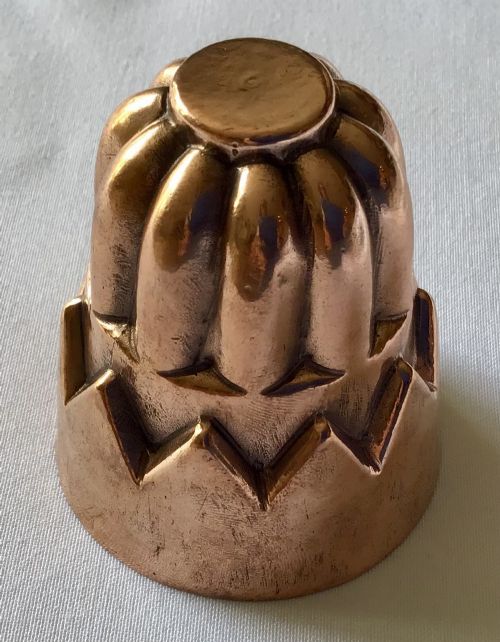
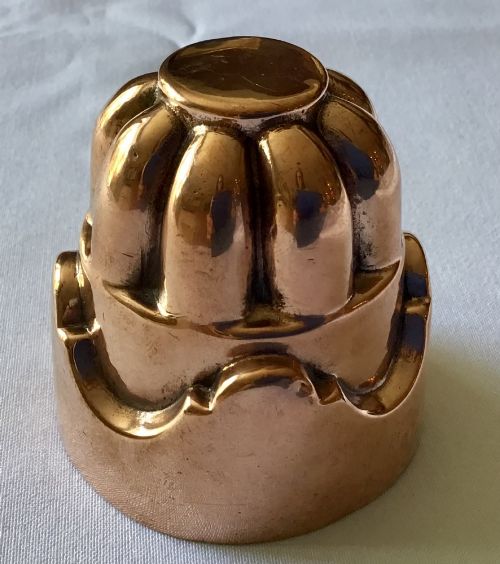
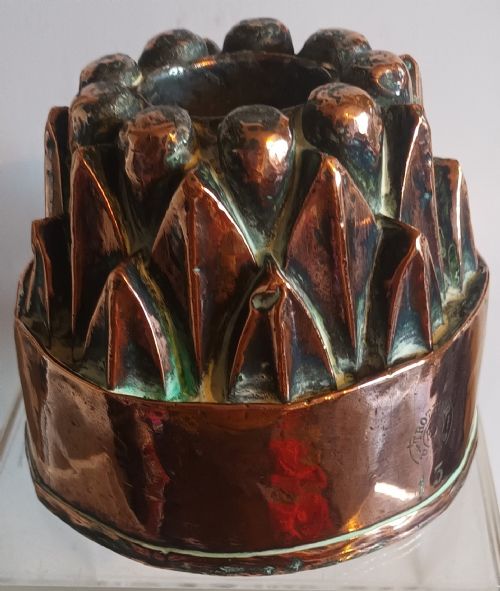
An antique jelly mould serves as a kitchen tool transformed by time into a decorative object, spanning Georgian and Victorian eras. Buyers seeking an antique jelly mould encounter various forms ranging from heavy kitchen copper to delicate lead glass dessert pieces.
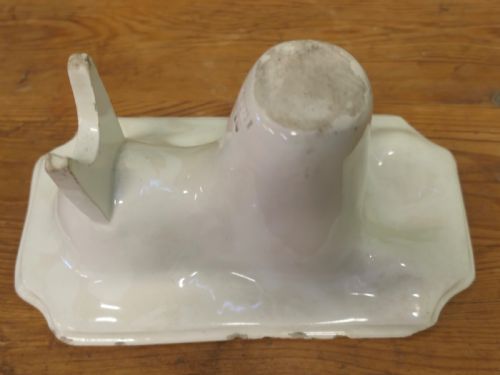
The material selection on this page splits between kitchen metals and table glassware. You will find earthenware designs alongside copper vessels and early glass sweetmeat glasses.
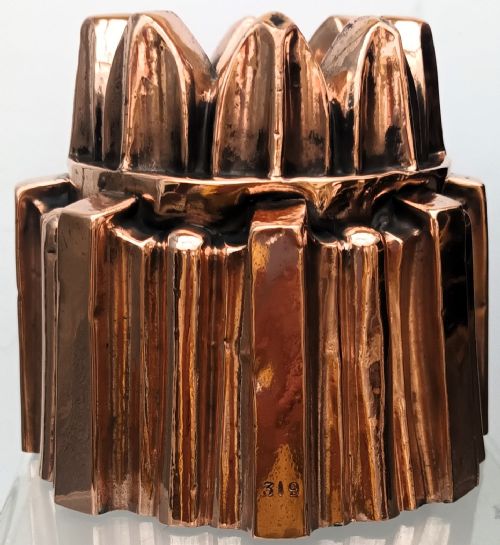
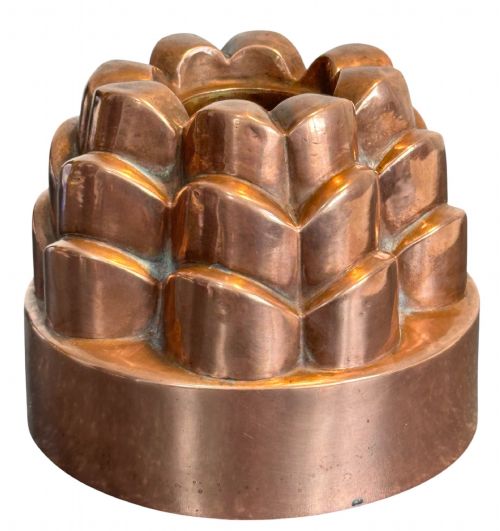
Form dictates function across these kitchenalia and glassware categories. Architectural castle tops and animal figures such as lions, wild boars, cats, and grapes appear frequently in the earthenware and copper items.
How they were made
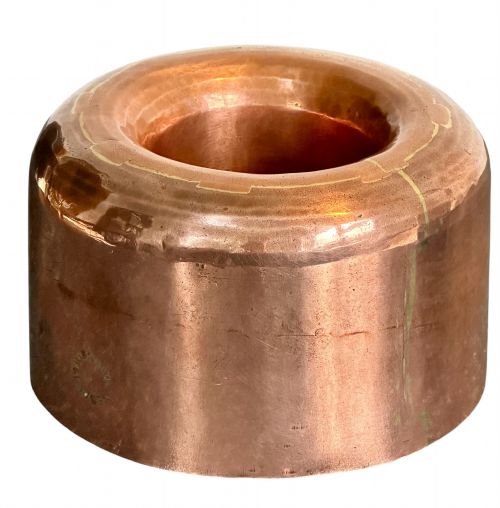
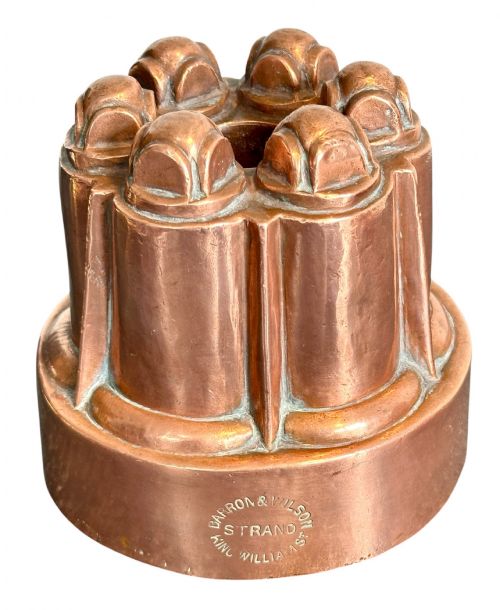
Makers shaped heavy copper sheets by hand, lining the interiors with tin to ensure safe contact with food. These metal kitchenalia pieces often feature raised motifs soldered or hammered into the walls to transfer patterns onto set jellies.
Glassware versions rely on lead glass and cobalt glass, shaped using panel moulding and rib-moulding techniques. Earthenware examples employ creamware bodies finished with lead glazes to create figural and floral shapes.
Materials range from clear lead glass and cobalt glass to creamware, tin, and heavy copper.
What varies in quality
Quality rests upon the crispness of the interior detail and the weight of the metal or glass. Superior copper vessels retain thick walls and clean tin linings, whereas finer glass pieces show clear lead content and sharp panel mouldings.
Figural and architectural complexity elevates a piece significantly. Naturalistic animal forms and castle top designs demand greater skill from the maker than plain circular moulds do.
Trottier·Wedgwood·Harrods
The Antique Jelly Mold Glossary
- Kitchenalia
- Domestic utensils and kitchen equipment collected for their age and decorative appeal. These items document historical food preparation methods.
- Lead Glass
- Heavy glass containing lead oxide, known for its clarity and ring. It was widely used for 18th-century dessert and jelly glassware.
- Creamware
- A refined earthenware developed in the 18th century, featuring a pale yellow cream-coloured glaze. It provides a smooth surface for detailed mouldings.
- Sweetmeat Glass
- A small pedestal glass used for serving sweet preserves and confections. They often feature rib-moulded or panel-moulded bowls.
- Tin Lined
- A protective coating applied to the interior of copper kitchen moulds. This layer prevented acidic foods from reacting with the copper.
Antique Jelly Mold: Frequently Asked Questions
What were antique jelly moulds used for?
These vessels shaped savoury aspics, fruit jellies, and blancmanges for grand dining tables.
Cooks used metal and earthenware versions in the kitchen before unmoulding the cold dishes for service.
How do I clean an old copper mould?
Wash copper items gently with warm soapy water and dry them thoroughly to preserve the metal. Avoid harsh abrasives that remove the historic surface patina.
Keep tin linings intact by avoiding excessive scrubbing on the interior surfaces.
How can I tell glass age?
Examine the weight and clarity of the material to identify early lead glass properties. Pontil marks on the base often indicate hand-blown 18th-century manufacturing methods.
Panel moulding styles and deep ribbing also point towards Georgian production periods.
Where should I display these pieces?
Copper kitchenalia and earthenware vessels suit kitchen walls, dressers, and open shelving units. Their sculptural animal and castle designs draw the eye when grouped together.
Glassware pieces look best positioned near natural light to highlight the lead content and moulded panels.