



Antique Copperware
These antique copperware pieces range from Georgian kettles to Arts and Crafts vessels, offering practical utility and enduring metalwork for the home.

Antique Copperware
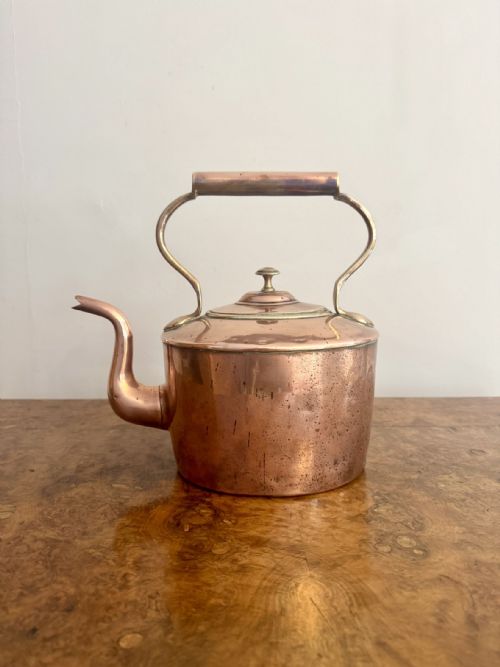
When you search for antique copperware, you encounter domestic items spanning the Georgian, Victorian, and early twentieth-century periods. The selection includes utilitarian kitchenware such as kettles, saucepans, cooking vessels, and culinary moulds alongside decorative items like vases, trays, and coal buckets.
You are most likely to meet nineteenth-century Victorian kettles and saucepans on this page, as well as George III pieces from around eighteen hundred. French country items and Arts and Crafts movement pieces also appear regularly among the selection.
The objects serve as tangible links to historical domestic life, transitioning from purely functional kitchen equipment to valued decorative objects. Each piece reflects the culinary habits and interior tastes of its specific era.
How they were made
The primary material is sheet copper, frequently combined with brass for handles, taps, or mounts, and occasionally lined with tin for safe food contact. Iron and cast iron components appear on heavier cookware and hanging water urns, while wooden handles provide insulation against heat.
Metalworkers shaped these items through hammering, spinning, and joining seams with rivets or specialised brazing techniques. Decorative pieces from the Arts and Crafts and Art Nouveau periods often display hand-beaten surfaces and floral relief work executed by skilled artisans.
Antique Copperware Retail Price Guide 2026
Typical asking prices for copperware among the pieces listed under this phrase on Sellingantiques today, from the lower quarter to the upper quarter. They describe what is for sale here now, not the wider market.
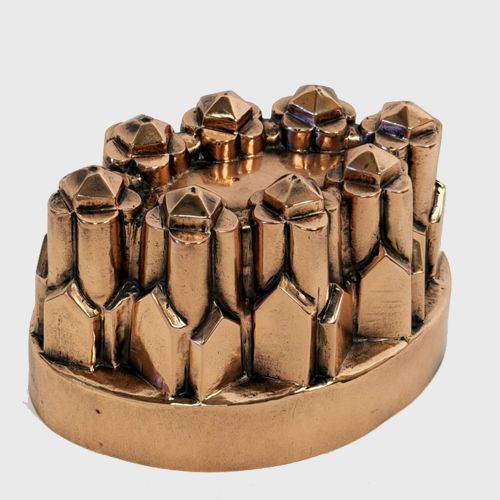
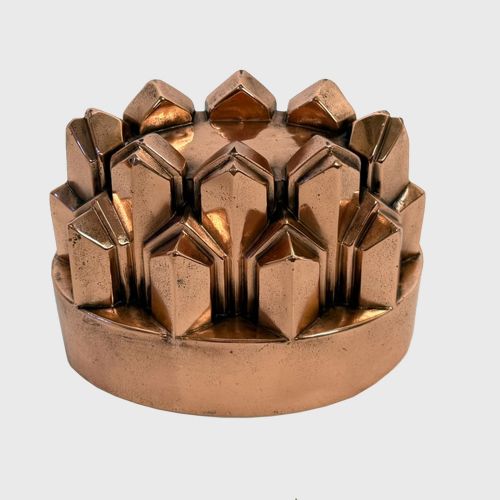
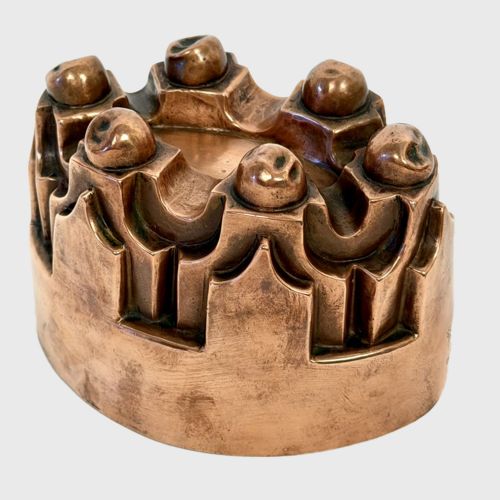
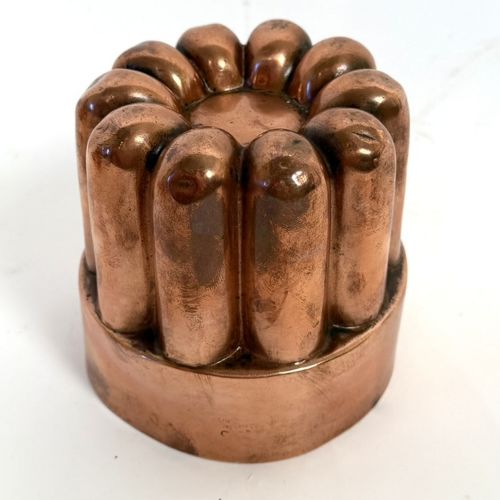
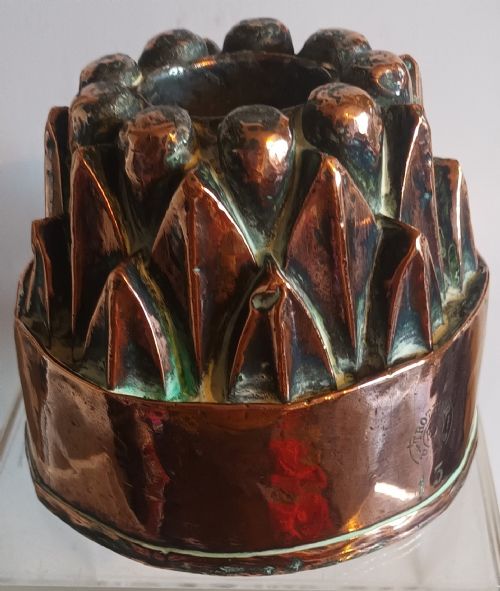
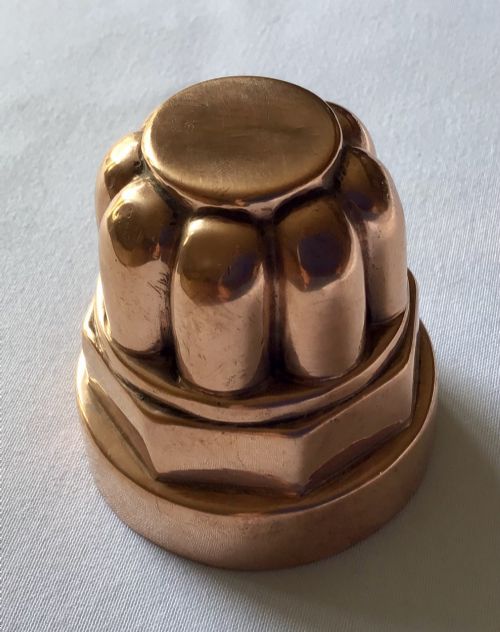
Victorian households owned miniature copper jelly moulds specifically designed to satisfy a Victorian obsession with tiny, perfectly formed aspics.
What varies in quality
Quality in these items rests upon the thickness of the metal gauge, the integrity of the structural joints, and the crispness of any hand-hammered or chased decoration. Substantial weight in a kettle or saucepan indicates a vessel built to withstand daily kitchen service rather than light decorative use.
Finer examples retain their original form without excessive distortion from centuries of polishing and heat exposure. Maker involvement, particularly identifiable workshop origins like Keswick or specific French makers like Trottier, elevates the standing of individual pieces.
Trottier·Keswick
The Antique Copperware Glossary
- Ferrat
- A traditional French cooking vessel or pan used in domestic kitchens. These items demonstrate the utilitarian forms common in continental metalwork.
- Tazza
- A shallow bowl or dish raised on a pedestal foot, frequently utilised as a centrepiece during the Arts and Crafts period. These decorative items highlight artistic metal shaping.
- Water urn
- A large vessel equipped with a tap and handles, designed for heating and dispensing water. George III examples often feature substantial hanging mounts.
- Kitchen mould
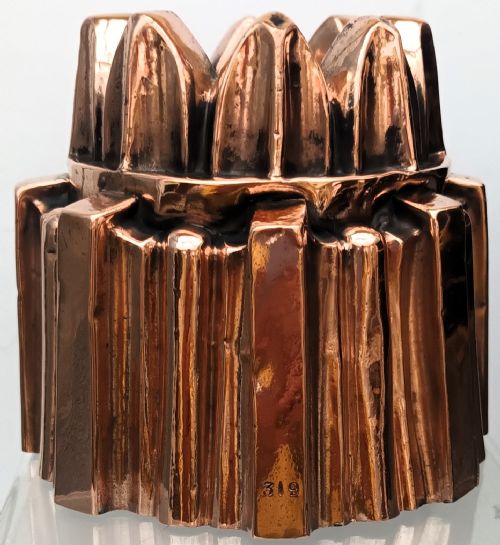
- A tinned copper form used to shape jellies, puddings, or aspics with intricate geometric or pictorial designs. Victorian examples range from miniature sizes to large formats.
Antique Copperware: Frequently Asked Questions
Can I still cook with antique copper pans?
Many historical copper vessels require a fresh tin lining before coming into contact with food, as bare copper can react with acidic ingredients.
For practical culinary use, consulting a specialist tinning service ensures the interior remains safe for modern cooking.
How do I clean antique copperware?
Traditional copper cleaner removes tarnish without stripping the underlying metal, preserving the warm tone developed over decades.
Avoid harsh abrasives that scratch the surface and diminish the character of hand-beaten or polished finishes.
How do I identify a George III kettle?
George III kettles typically date around eighteen hundred and display characteristic Georgian proportions, often incorporating brass mounts and dovetailed seams.
Examining the construction methods and handle attachments helps distinguish these earlier pieces from later Victorian reproductions.
What is an Arts and Crafts copper piece?
Arts and Crafts copper items, such as vases, trays, and coal buckets, emphasise visible hand craftsmanship and stylized floral relief work.
These pieces emerged around nineteen hundred, moving away from mass-produced factory items in favour of individual artistic expression.