




Georgian Metalware Kettle
A georgian metalware kettle brings warmth and hearth-side history to a room, offering tactile metalcraft from the turn of the nineteenth century.

Georgian Metalware Kettle
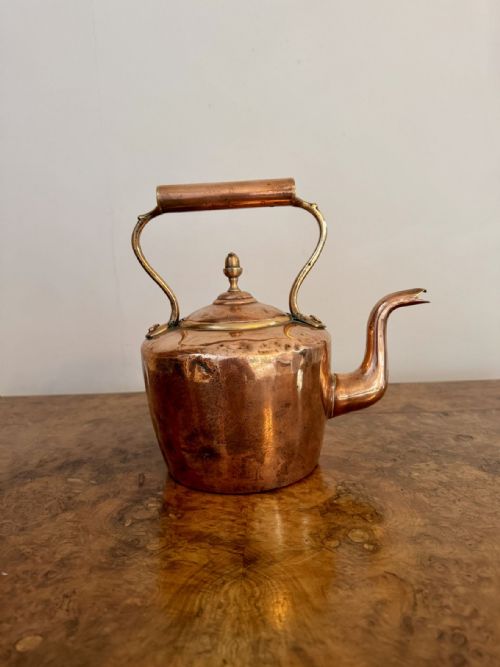
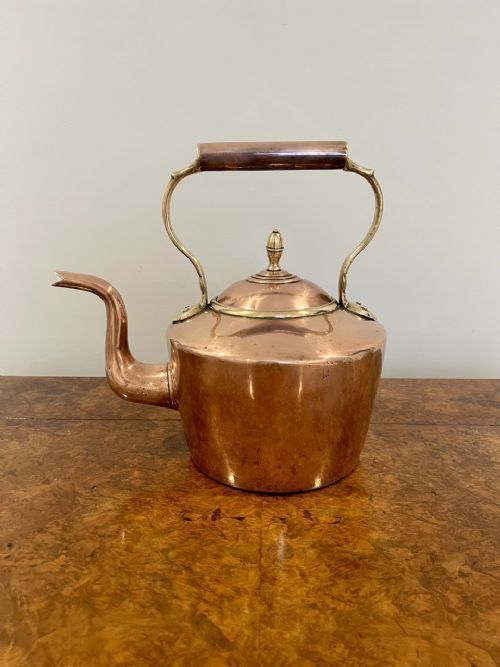
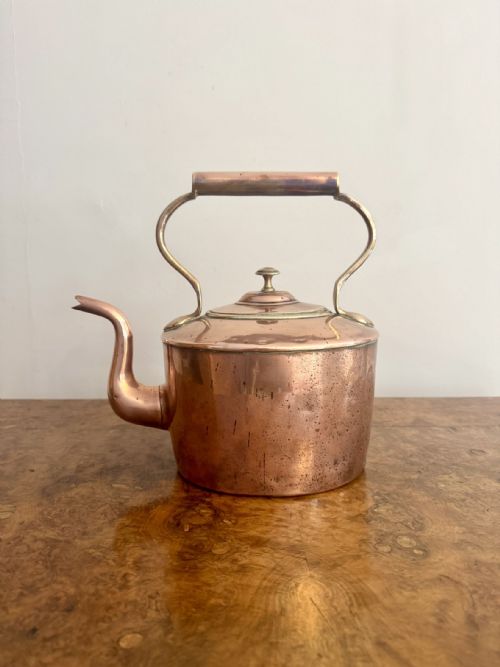
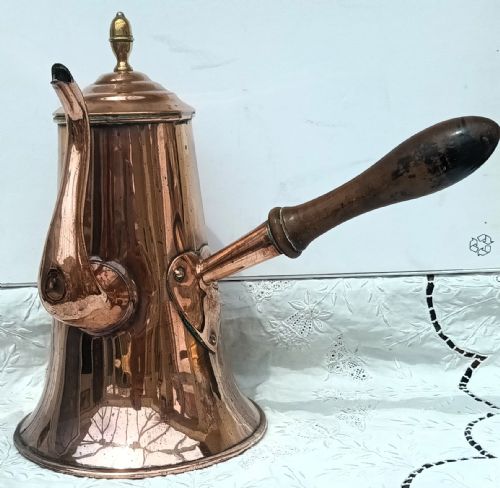
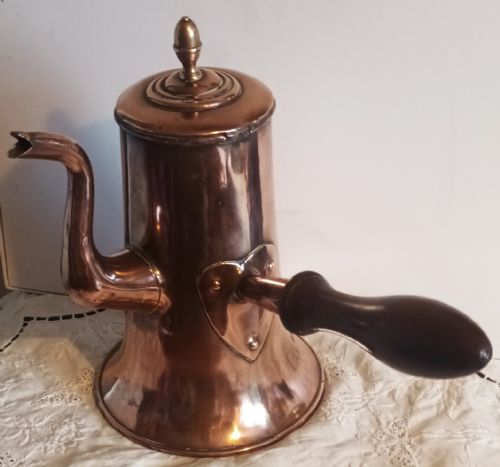
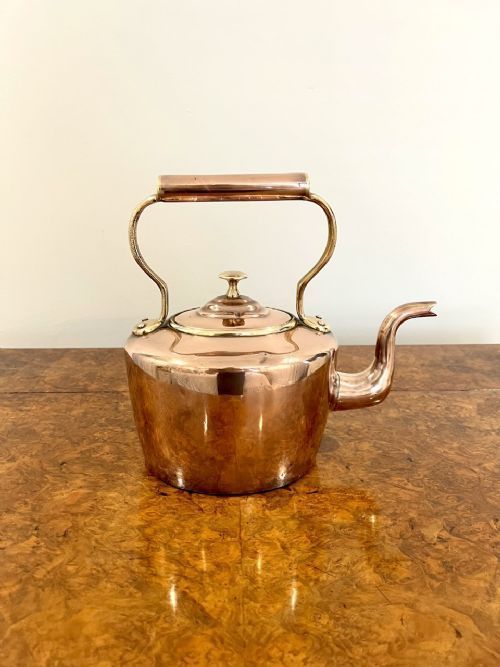
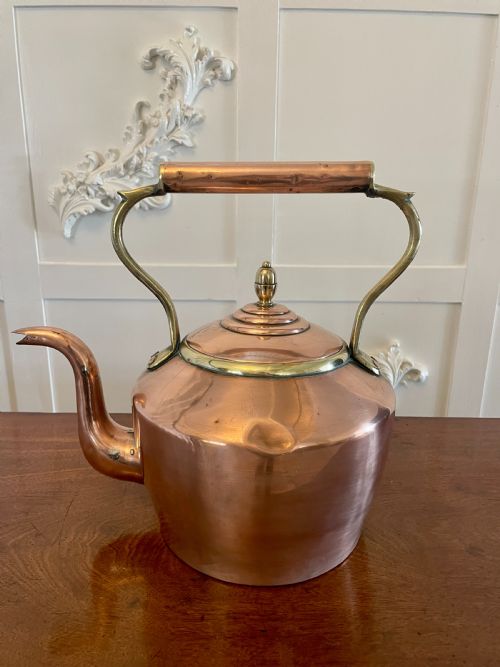
A georgian metalware kettle represents domestic utility from the Georgian and George III periods, primarily fashioned around eighteen hundred. These vessels include both tea kettles and coffee pots designed for daily use over the hearth.
The buyer on this page is most likely to encounter copper kettles, often small or large in scale, alongside occasional brass accents and coffee pots. Oval shapes and polished surfaces appear frequently among these surviving examples.
Originating from English workshops, these items reflect the metalworking standards of the nineteenth century. Each piece carries the distinct utilitarian form characteristic of early kitchen and parlour gear.
How they were made
Makers utilised heavy-gauge copper to construct the bodies of these vessels, hammering the metal to achieve both strength and resilience against direct heat. Brass components frequently provide contrasting details, such as handles or fixings.
Georgian Metalware Kettle Retail Price Guide 2026
Typical asking prices for georgian metalware kettle among the pieces listed under this phrase on Sellingantiques today, from the lower quarter to the upper quarter. They describe what is for sale here now, not the wider market.
Current listings feature copper, brass, and wood across Georgian and George III periods.
What varies in quality
The standard of a georgian metalware kettle depends largely on the crispness of its hand-beaten form and the preservation of its original proportions. Pieces that maintain their intended oval shape and structural integrity display superior early craftsmanship.
The interaction between copper bodies, brass fittings, and wooden elements dictates visual refinement. Polished finishes and balanced scaling distinguish the finest examples from standard utilitarian kitchenware.
William Soutter And Sons
The Georgian Metalware Kettle Glossary
- Georgian
- A design period spanning the reigns of the four British monarchs named George, lasting from seventeen fourteen to eighteen thirty. Pieces from this era show characteristic proportion and restraint.
- George III
- The period corresponding to the reign of King George the Third, covering seventeen sixty to eighteen twenty. Many metalware items date specifically to the latter years of this span.
- Copper
- A reddish-brown metal prized for its thermal conductivity and malleability. It forms the primary body material for these antique kettles and coffee pots.
- Brass
- An alloy of copper and zinc used traditionally for handles, spouts, or decorative mounts. It offers a brighter metallic contrast against darker copper surfaces.
- Metalware
- A broad category encompassing utilitarian and decorative objects fashioned from metals such as copper, brass, and iron. These items were essential to historical domestic life.
Georgian Metalware Kettle: Frequently Asked Questions
How old are these kettles?
These metalware pieces typically date from around eighteen hundred, aligning with the George III and broader Georgian eras.
Surviving examples reflect early nineteenth-century English domestic manufacturing standards and hearth-side traditions.
Were they used for tea or coffee?
The inventory includes both specific tea kettles and dedicated coffee pots designed for heating liquids over a fire.
Each form serves a distinct beverage preparation role within the historical kitchen or parlour setting.
What materials are used?
Construction primarily relies on heavy copper for the main vessel body, paired with brass fittings and wooden handles.
These combined materials ensured both heat resistance and practical handling during daily use.
How should I clean a copper kettle?
Polished copper surfaces benefit from gentle cleaning methods appropriate for antique metalware to preserve the original finish.
Avoid harsh abrasives that might diminish the historic character of the hand-beaten metal.