

Antique Copper Pot
An antique copper pot brings centuries of warmth and utility into a room, offering robust metal vessels shaped for cooking, boiling and display.

Antique Copper Pot
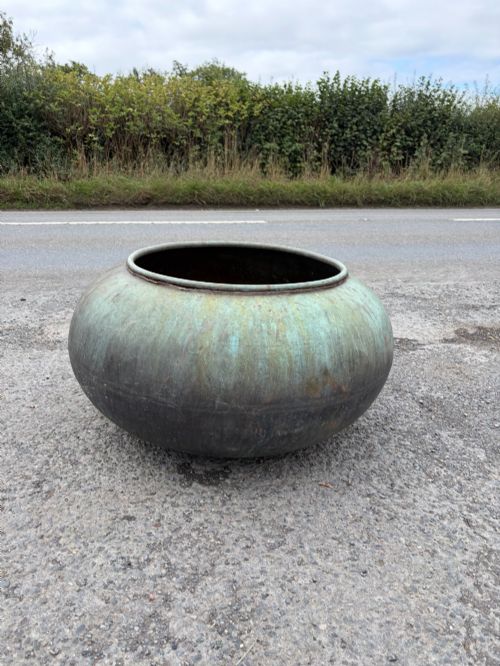
When searching for an antique copper pot, collectors encounter domestic kitchenware, hearth vessels and garden planters spanning the Georgian, Victorian and Edwardian eras.
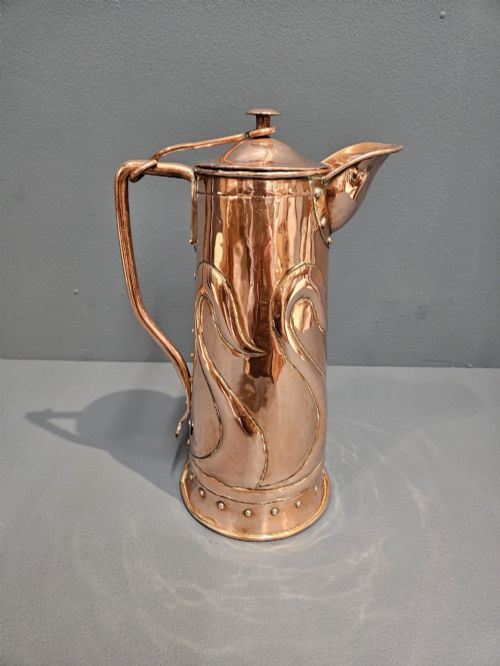
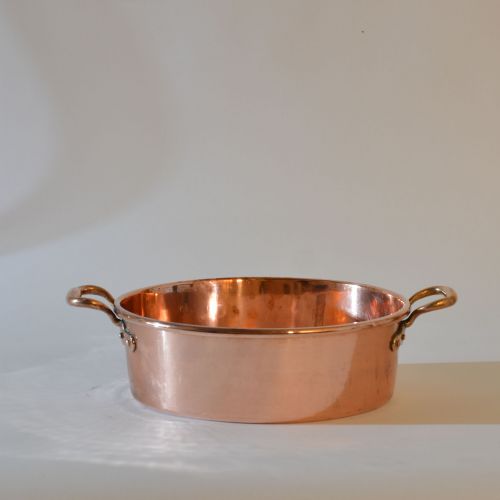
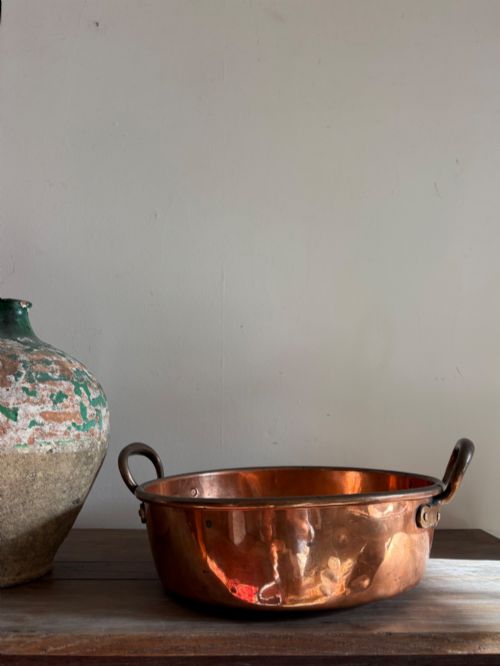
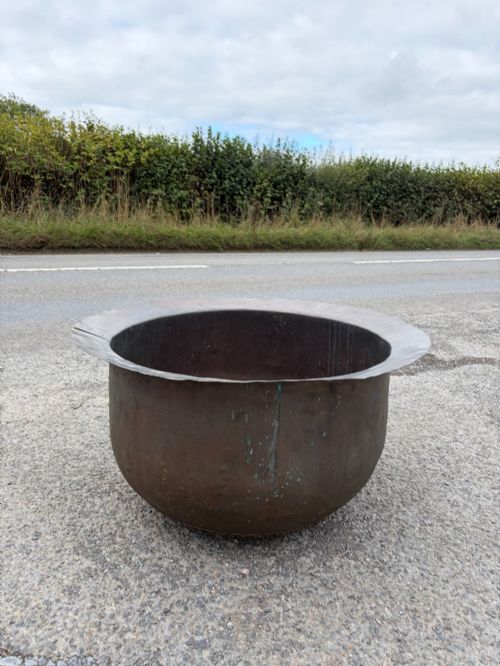
The most common examples on this page are large nineteenth-century preserving pans, jam pans and heavy saucepans alongside eighteenth-century coffee pots with side handles.
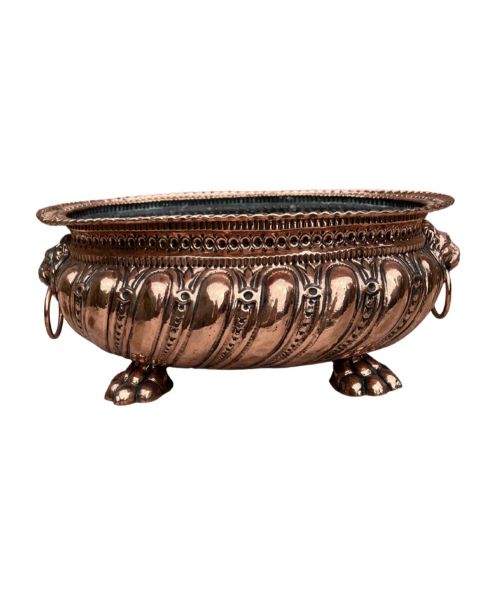
Domestic vessels range from utilitarian jam boilers to decorative jardiniere planters, reflecting a transition from kitchen utility to nineteenth-century fireside and parlour display.
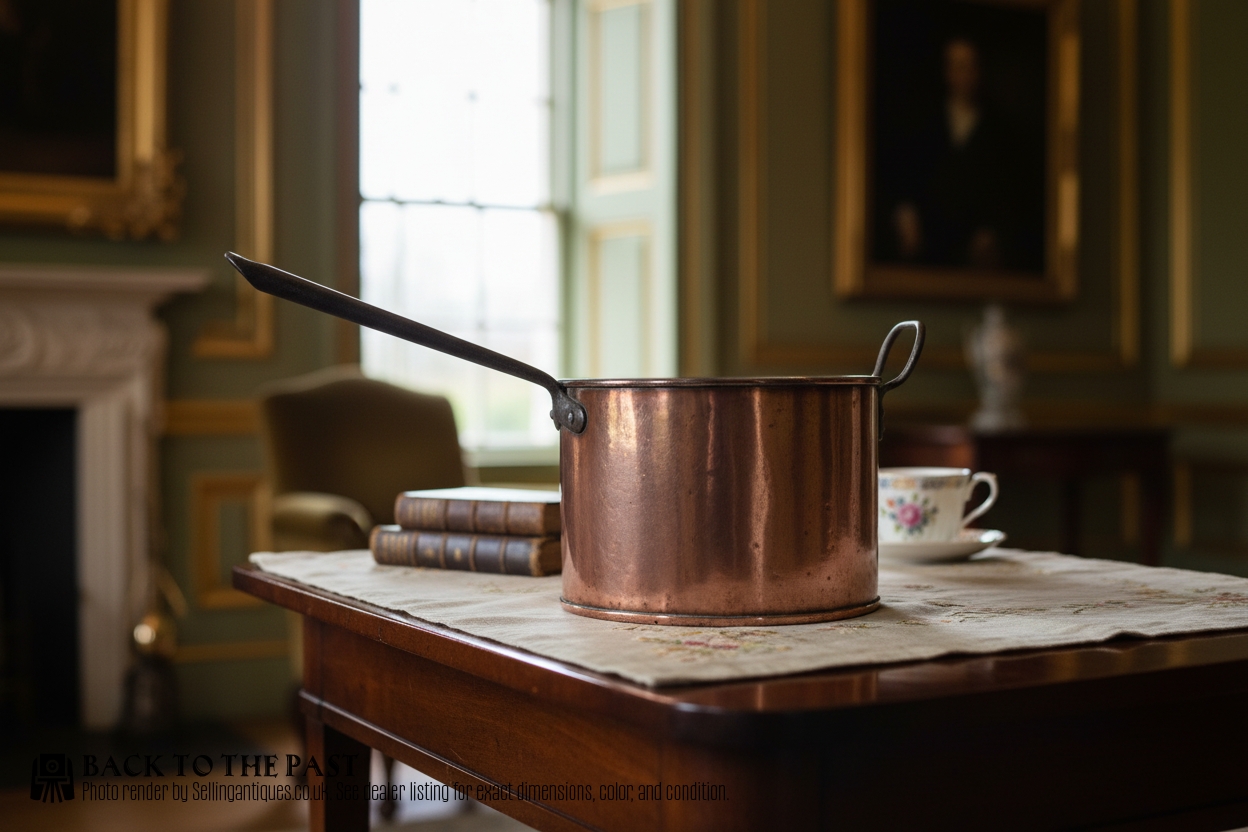
Materials and construction
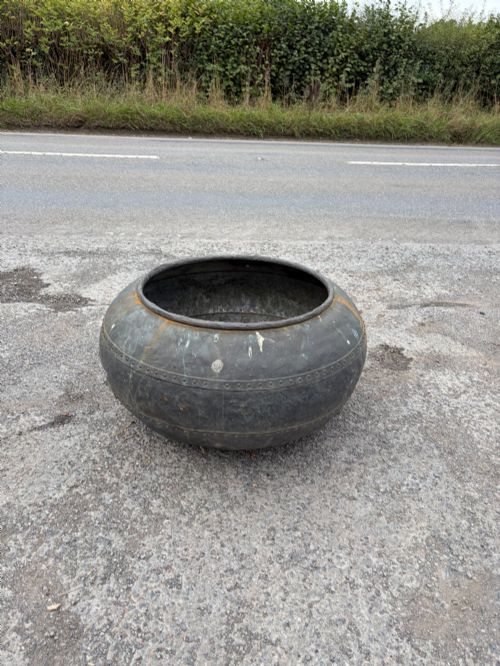
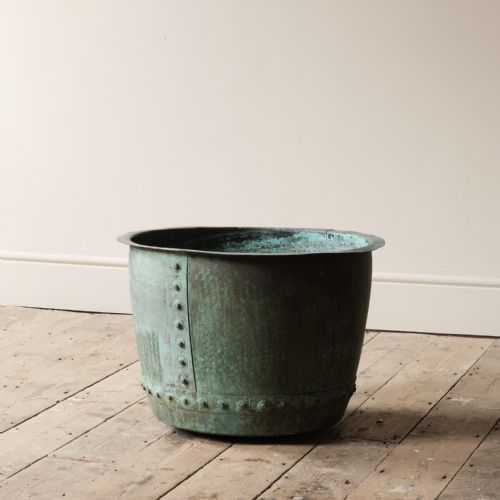
Metalworking techniques shape these pieces through hand-beating, heavy-gauge hammering and visible hand-riveting that joins thick sheet metal into durable hollowware.
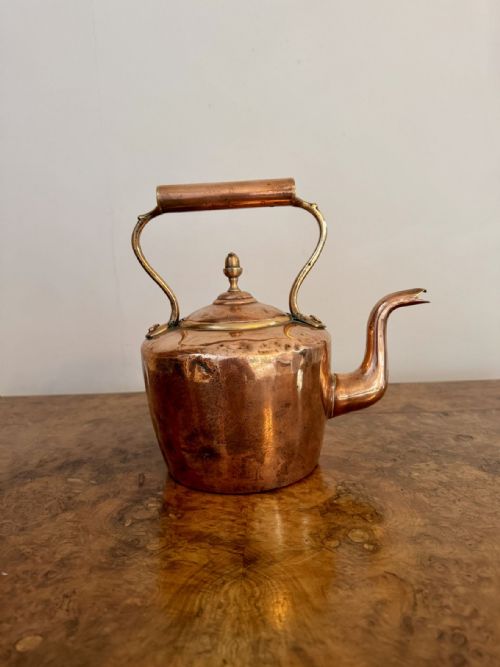
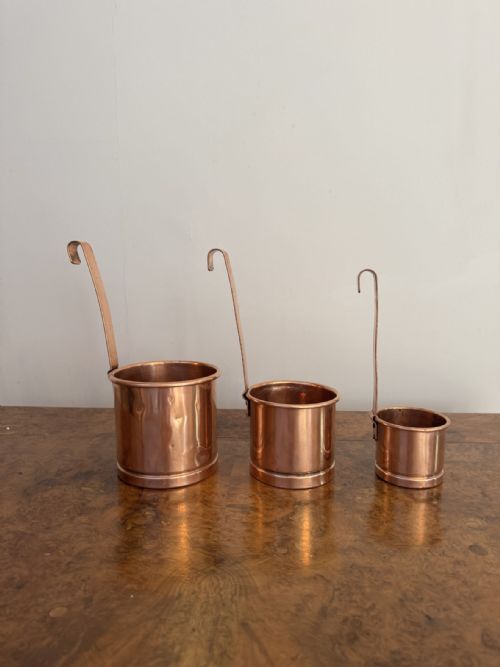
Makers integrated brass swing handles, wrought iron bails and turned fruitwood side grips to manage heat and heavy loads.
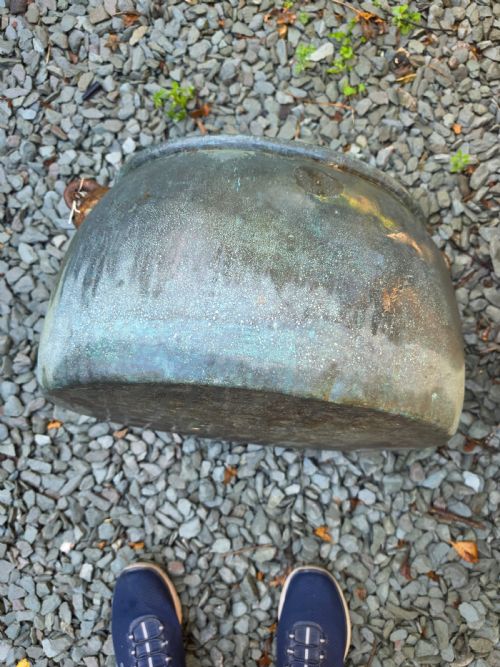
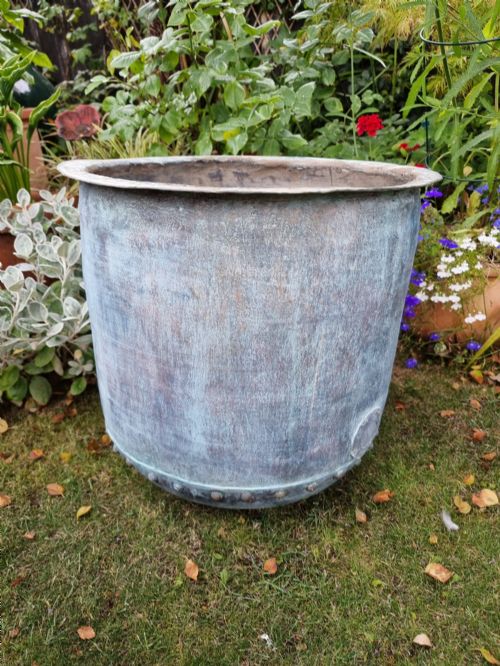
Surface finishes display natural patination, verdigris, and occasionally tin linings inside cooking vessels to prevent food contact with raw metal.
Antique Copper Pot Retail Price Guide 2026
Typical asking prices for copper pot among the pieces listed under this phrase on Sellingantiques today, from the lower quarter to the upper quarter. They describe what is for sale here now, not the wider market.
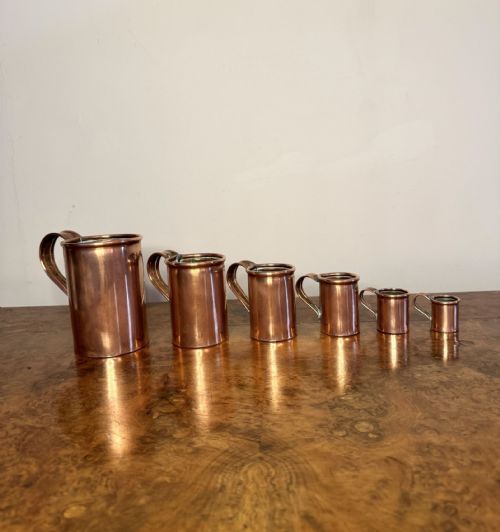
Listings span the eighteenth, nineteenth and twentieth centuries, featuring copper combined with brass, iron, enamel and wood.
Judging build and origin
Superior vessels display a heavy metal gauge that resists denting, coupled with precise hand-beating and robust dovetail or riveted seams rather than thin machine-rolled sheets.
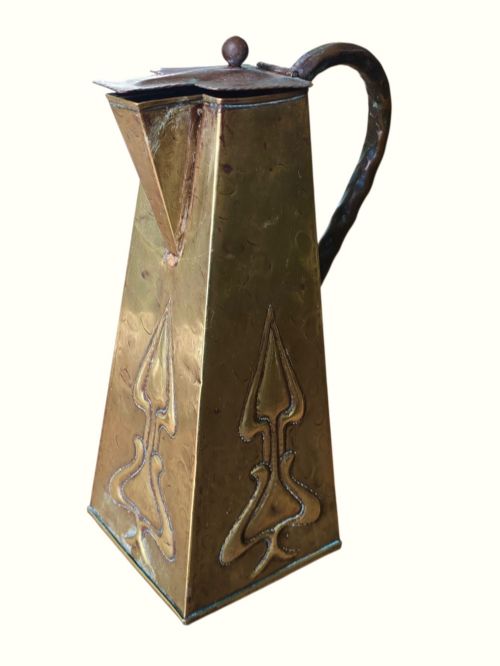
Design distinction elevates certain forms, seen in shaped Georgian bodies, decorative brass mounts and specialised regional items such as Jersey cans or repoussé vases.
William Soutter And Sons·Hayward And Towell·Henry Loveridge
The Antique Copper Pot Glossary
- Jardiniere
- An ornamental pot or stand for holding flowers and indoor plants. These vessels often feature heavy gauge hand-beating or repoussé decoration.
- Repoussé
- A metalworking technique where the metal is hammered from the reverse side to form a raised design in relief. This ornamentation appears on nineteenth-century vases and planters.
- Verdigris
- A green patina formed naturally on copper and brass surfaces through atmospheric oxidation over long periods. It indicates age and weathering on garden and display vessels.
- Bail handle
- A curved semicircular handle attached to the sides of a heavy vessel, commonly forged from wrought iron or brass for lifting large pans and cauldrons.
- Jam pan
- A wide, shallow open pan designed for boiling fruit and sugar, frequently constructed from heavy gauge nineteenth-century copper with double handles.
Antique Copper Pot: Frequently Asked Questions
How were old copper pots cleaned originally?
Domestic cooks utilised acidic substances such as vinegar or lemon juice combined with salt to scour tarnish and soot from the exterior walls of culinary vessels.
Interior surfaces requiring food safety were frequently re-tinned by travelling tinkers to prevent toxic reactions during cooking.
Can antique copper cookware still be used for cooking?
Pots retaining an intact interior tin lining remain functional for modern culinary use once thoroughly cleaned and polished.
Pieces with worn linings or those displaying heavy verdigris and structural wear function best as decorative planters or display items.
How do I distinguish Georgian pots from Victorian ones?
Georgian examples often exhibit simpler, robust forms with turned side handles intended for coffee or chocolate preparation over open hearths.
Victorian and Edwardian pieces frequently showcase heavier riveted construction, decorative brass mounts, and specialised purposes like jardiniere planters or log bins.
Why do some pots have iron handles while others have brass?
Wrought iron handles on heavy cauldrons and boiling pans provided the high tensile strength needed to lift massive weights safely.
Brass handles appeared more commonly on kettles, spirit pots, and domestic vessels valued for parlour appearance.