
Georgian Metalware
Georgian metalware brings practical utility into focus through copper, brass, and pewter domestic items shaped by eighteenth and nineteenth-century craftsmanship.

Georgian Metalware
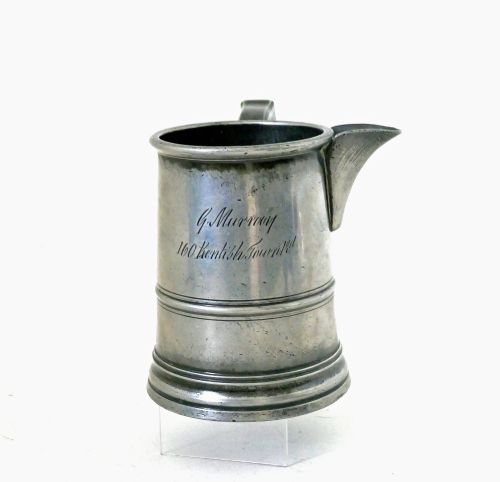
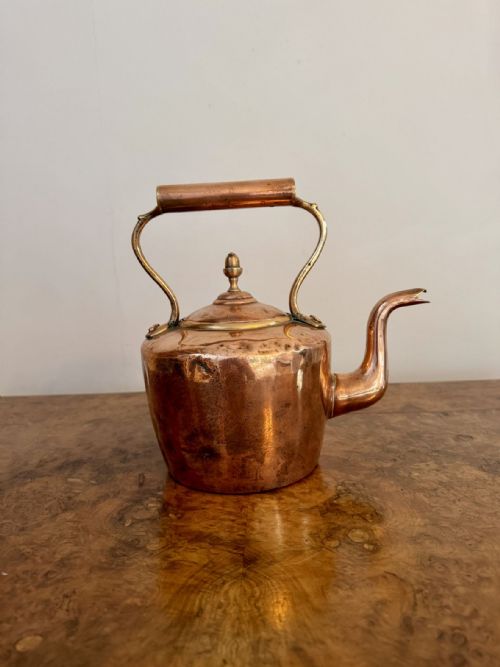
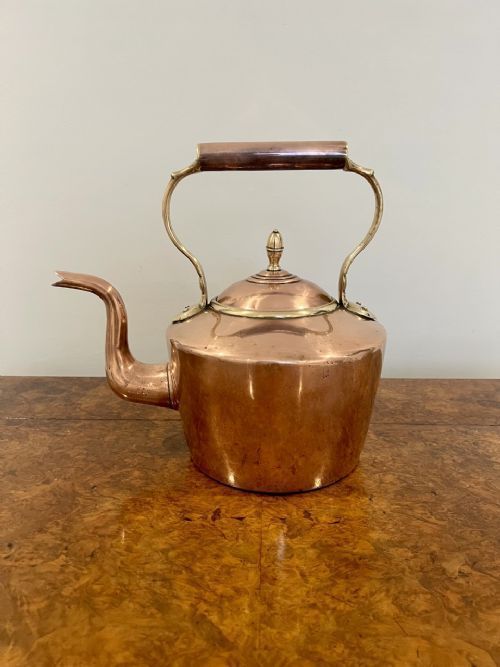
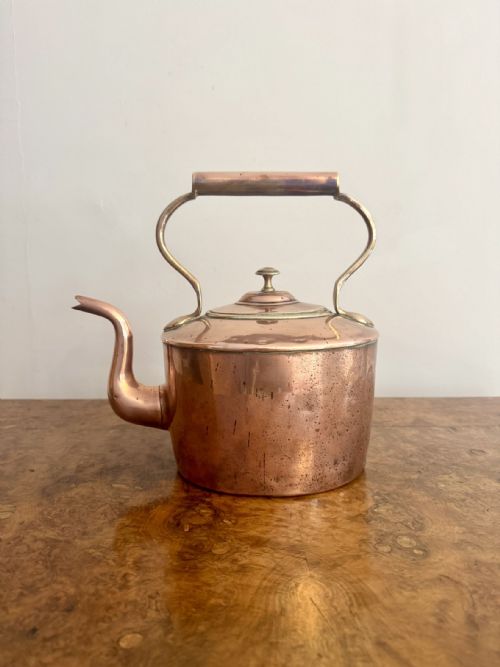
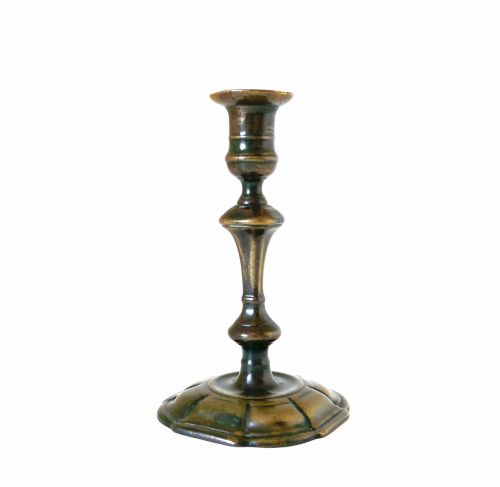
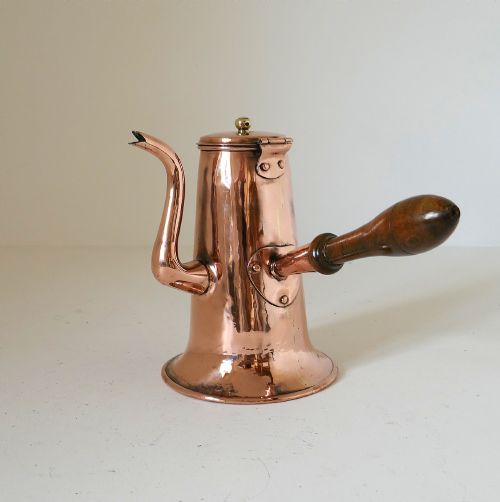
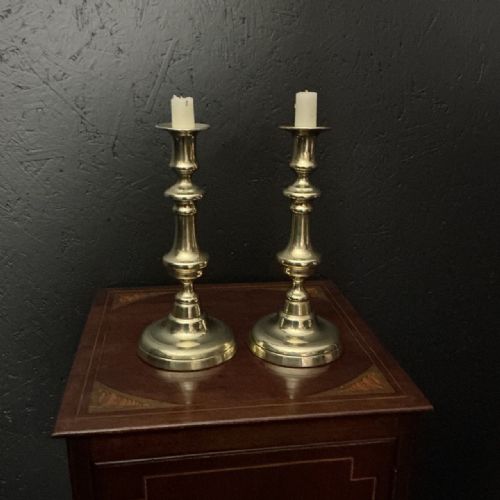
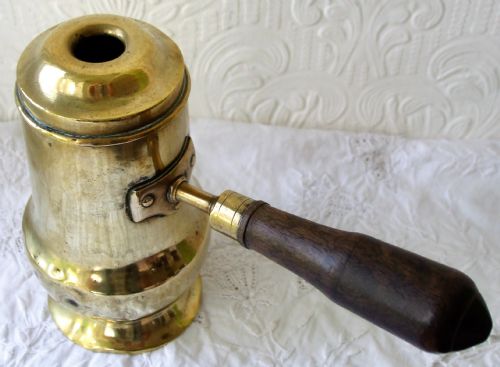
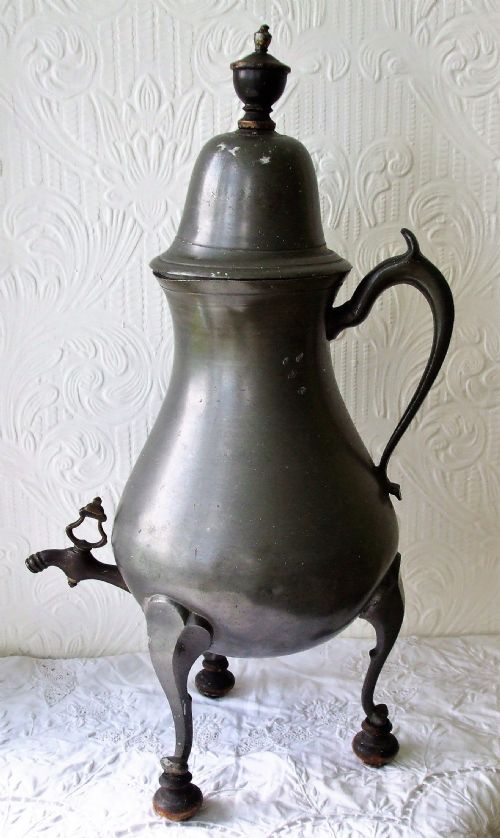
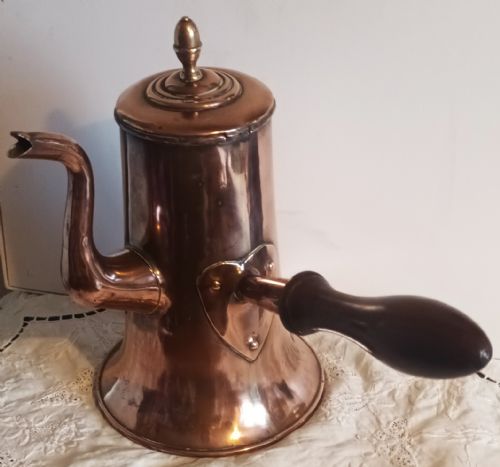
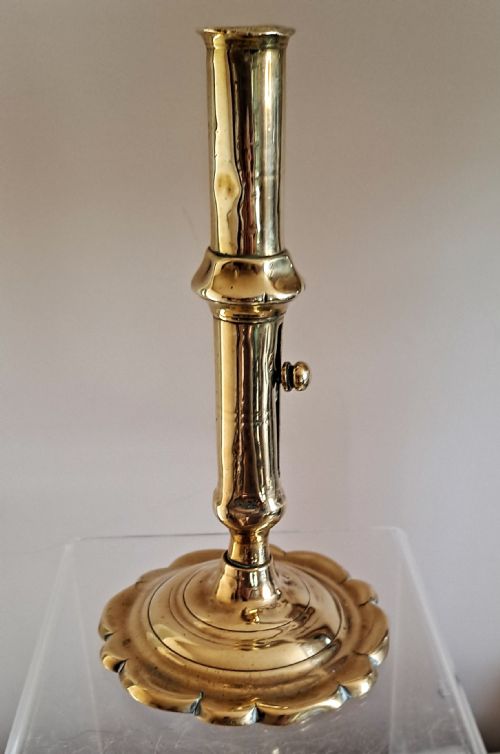
When you examine georgian metalware, you encounter domestic utensils and vessels spanning the eighteenth and nineteenth centuries, produced in Britain, America, and continental Europe. The selection relies heavily on copper kettles, brass candlesticks, pewter dishes, and various coffee pots alongside utilitarian cookware.
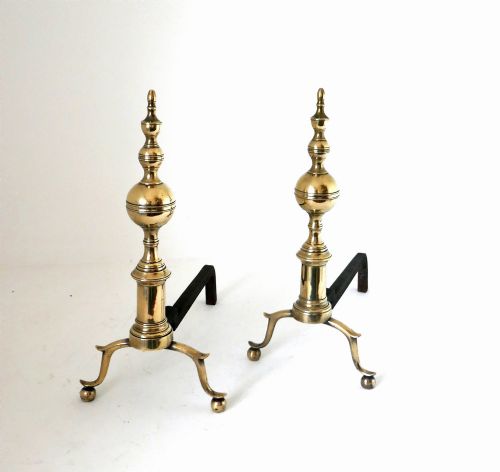
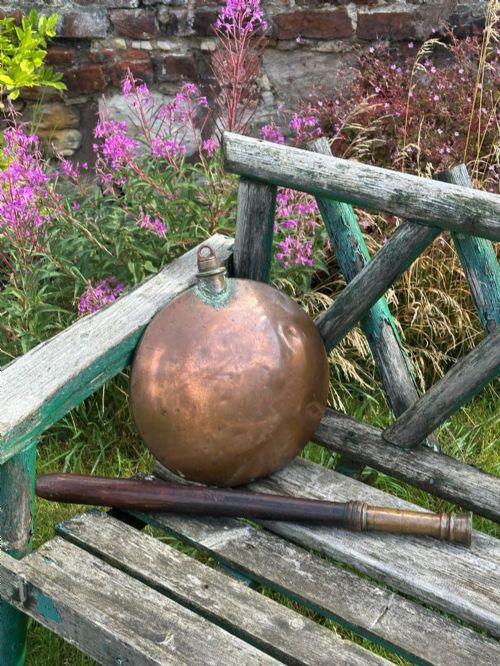
You meet pieces originating from the 1700s through the George III period up to the early Victorian era. Form meets function directly in items such as spirit measures, ladles, warming flasks, and andirons.
Pewter chargers and copper measures dominate the offerings alongside brass lighting and warming vessels. These pieces represent the everyday metalwork utilised in domestic and public spaces during the Georgian era.
How they were made
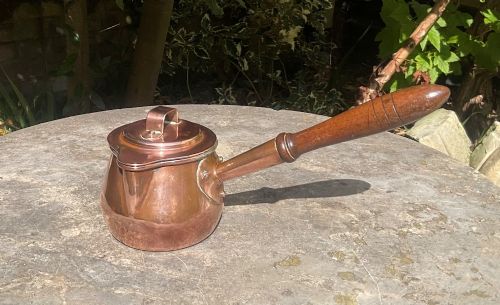
Makers shaped copper and brass through hammering and spinning sheets into vessels, soldering seams, and casting components like handles and spouts separately before assembly. Pewter items typically involved casting alloys of tin into moulds, followed by lathe-finishing and hand-engraving crests or ownership initials.
Wrought iron and steel elements relied on traditional blacksmithing techniques, shaping heated metal over anvils for items like rushlight holders and andirons. Old Sheffield plate combined thin sheets of silver fused to a copper core, soldered together to create tableware that imitated solid silver.
Georgian Metalware Retail Price Guide 2026
Typical asking prices for georgian metalware among the pieces listed under this phrase on Sellingantiques today, from the lower quarter to the upper quarter. They describe what is for sale here now, not the wider market.
An eighteenth-century Welsh rushlight holder brings floor-level illumination via the greasy stems of marsh plants.
What varies in quality
Quality rests in the heaviness of the gauge used, the crispness of touchmarks or maker stamps, and the integrity of construction without heavy modern repairs. Thicker copper walls, well-cast brass bases, and deep pewter engravings separate standard utility pieces from superior workshop output.
Proportion and surface patination dictate visual success, where honest wear from centuries of polishing distinguishes untouched examples from over-restored items. Makers who incorporated heraldic crests, intricate engraving, or distinct regional forms elevated standard kitchenware into decorative objects.
John Linwood of Birmingham·John Duncomb·Dixon and Son·Samuel Smith·James Spackman·Wood and Michell·William Soutter and Sons
The Georgian Metalware Glossary
- Old Sheffield plate
- A composite material made by fusing a thin layer of silver onto a heavier copper base. This technique preceded modern electroplating and produced durable tableware.
- Pewter
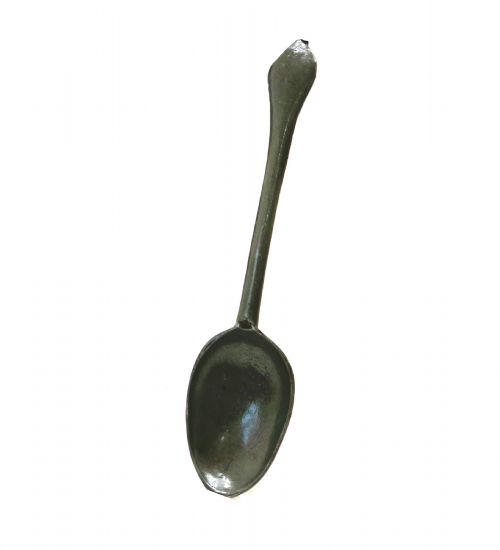
- A malleable metal alloy consisting primarily of tin, often combined with copper, lead, or antimony. It was cast and turned to create domestic vessels like plates and measures.
- Tappit hen
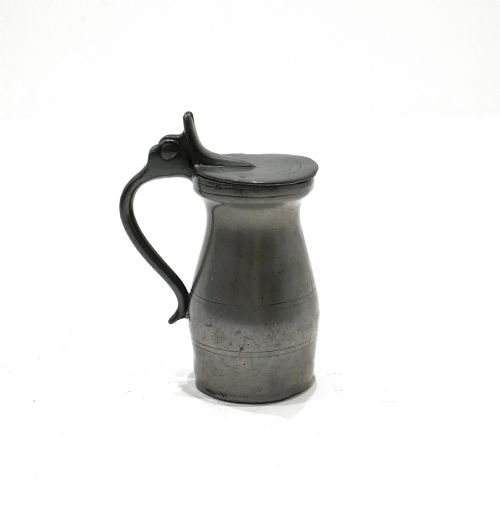
- A traditional Scottish pewter jug featuring a lid and a distinctive knob on top. These served liquid capacity measures in taverns and households.
- Spit jack
- A mechanical device utilised for turning roasting meat over an open fire. Georgian versions often employed brass bottle mechanisms with clockwork springs.
- Touchmark
- An official stamp impressed by a pewterer or guild onto finished metalwork. These marks identify the maker and guarantee the alloy standard.
Georgian Metalware: Frequently Asked Questions
What is georgian metalware?
Georgian metalware comprises domestic and functional items produced from copper, brass, pewter, and iron during the eighteenth and early nineteenth centuries. These objects range from kitchen kettles and coffee pots to candlesticks, chargers, and andirons.
Craftsmen created these utilitarian items for everyday household use, tavern service, and lighting before mass-production methods took over. Their durability allowed them to survive centuries of domestic service.
How do I clean old copper and brass?
Old copper and brass retain value and character through their accumulated patination, so aggressive polishing is generally discouraged by collectors. Light dusting and occasional gentle cleaning with non-abrasive cloths help maintain the surface.
Harsh chemical dips strip away the aged patination that develops over centuries. Preserving the original tactile quality keeps the historical appearance intact.
What is Old Sheffield plate?
Old Sheffield plate is an early form of plated metal created by fusing silver to a copper ingot and rolling them out together. This process produced tableware that looked like solid silver at a lower cost.
Invented in the eighteenth century, pieces made this way often reveal thin lines of underlying copper where the silver layer has worn through at high points.
How can I tell pewter ages apart?
Pewter dating relies on examining form evolution, touchmark stamps, and the composition of the tin alloy. Earlier pieces from the early 1700s often display heavier hammering and simpler touches compared to later standardised designs.
Consulting maker registries helps match touchmarks to specific smiths and operating dates. The transition from pre-imperial measures to later standards also provides chronological clues.