

18th Century Metalware
18th century metalware gathers domestic vessels and hearth furniture forged or cast in copper, brass, pewter, and iron.
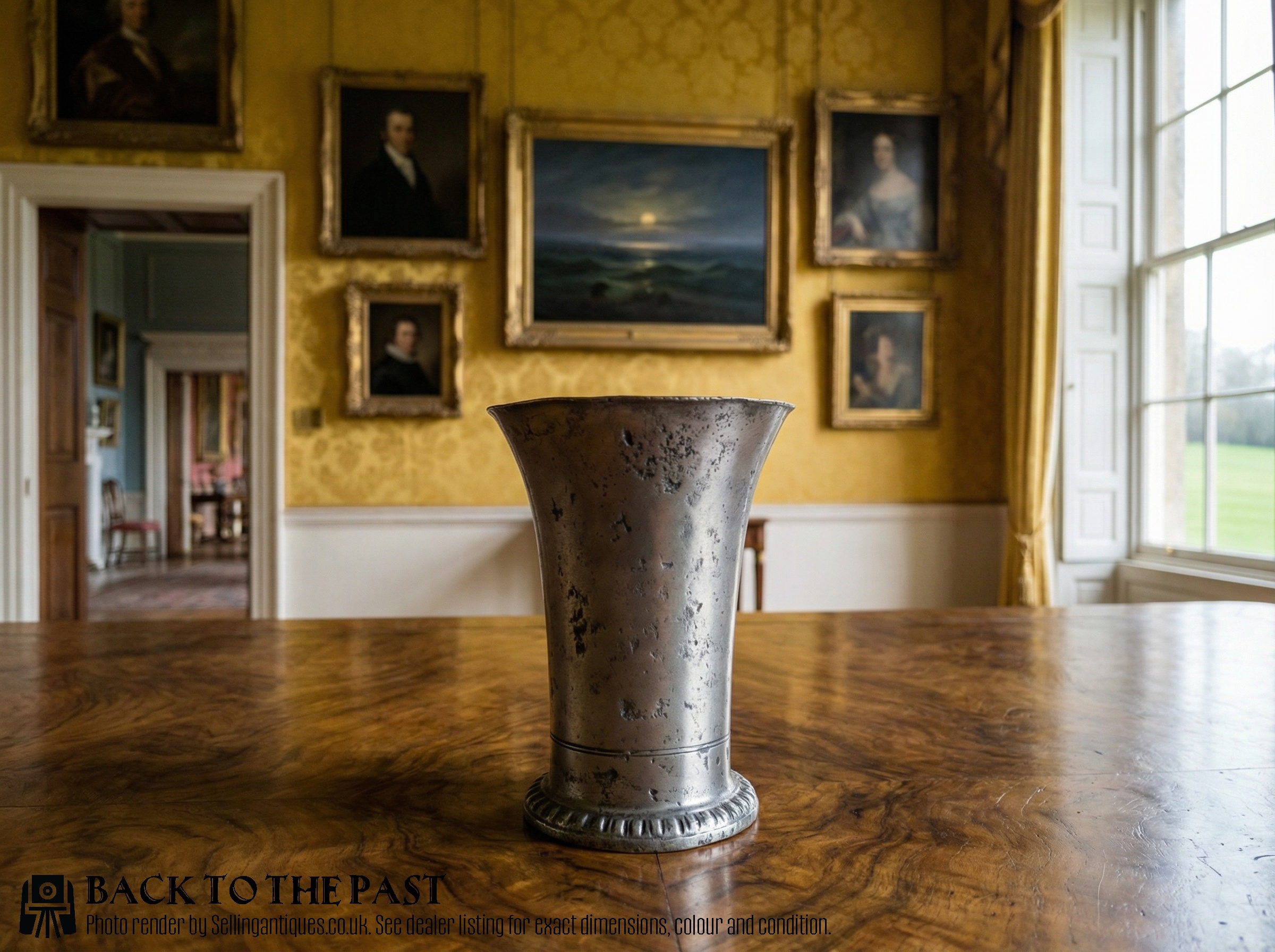
18th Century Metalware
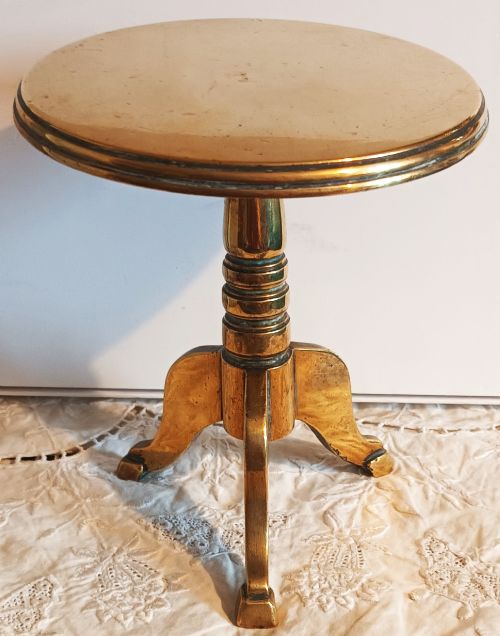
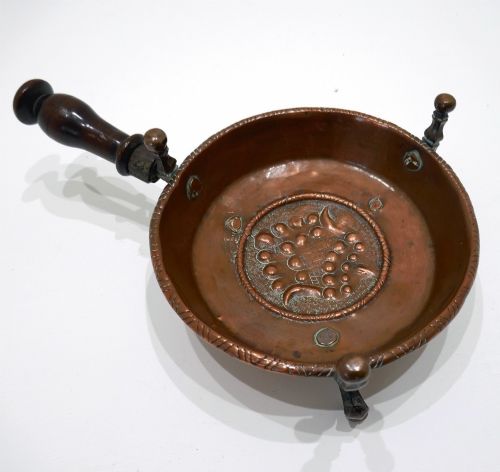
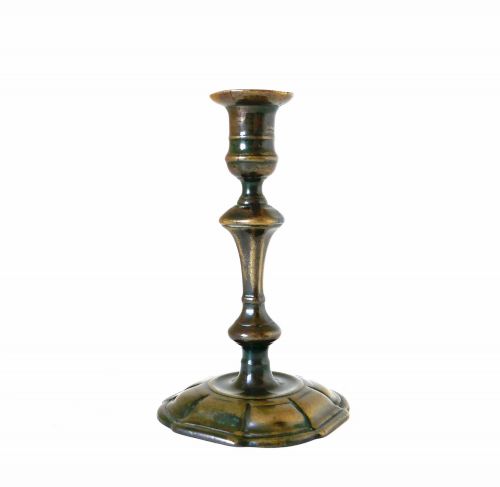
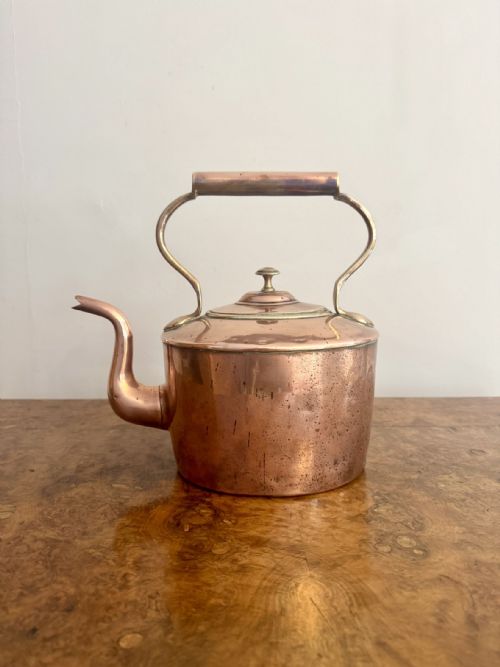
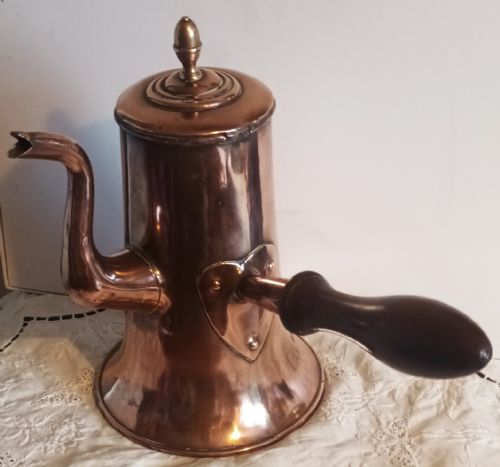
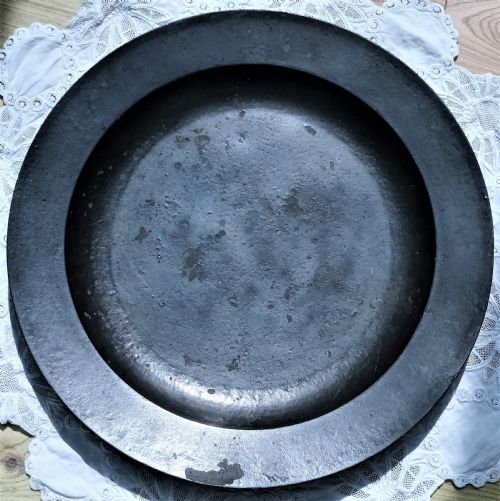
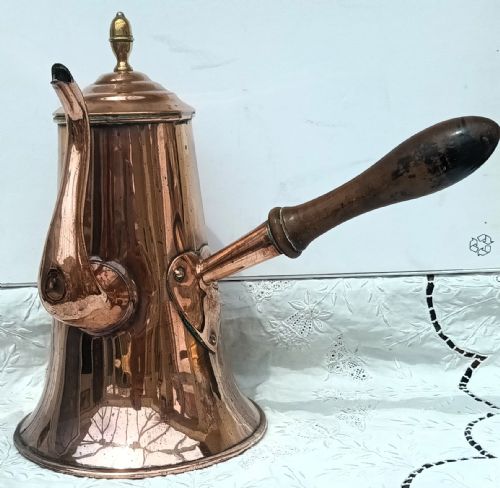
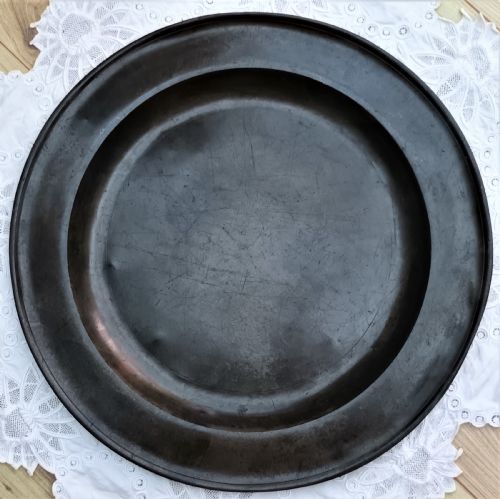
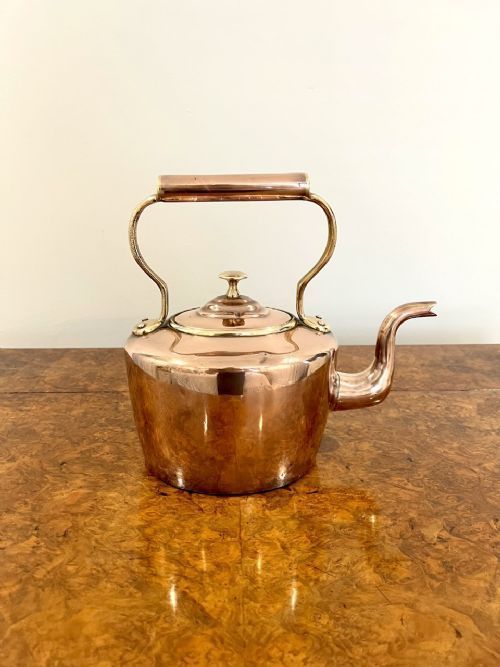
18th century metalware comprises utilitarian domestic objects and hearth equipment produced across Georgian Britain, Continental Europe, and America. These pieces range from cast brass candlesticks and chambersticks to heavy copper coffee pots, kettles, and warming flasks. Pewter plates, chargers, and spirit measures also form a substantial part of the selection, alongside wrought iron rushlight holders and andirons.
Buyers exploring this category encounter functional items shaped by hand and hammer for daily service in domestic interiors. The forms reflect the specific domestic requirements of the period, including chocolate pots, spice dredgers, and water drinking vessels. English and Dutch examples appear frequently, alongside occasional pieces from Italy, France, Switzerland, and Persia.
How They Were Made
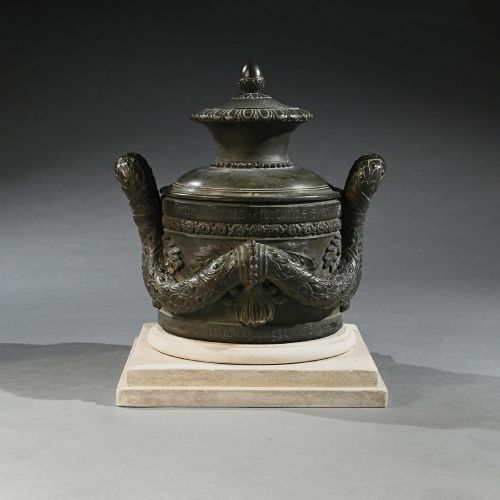
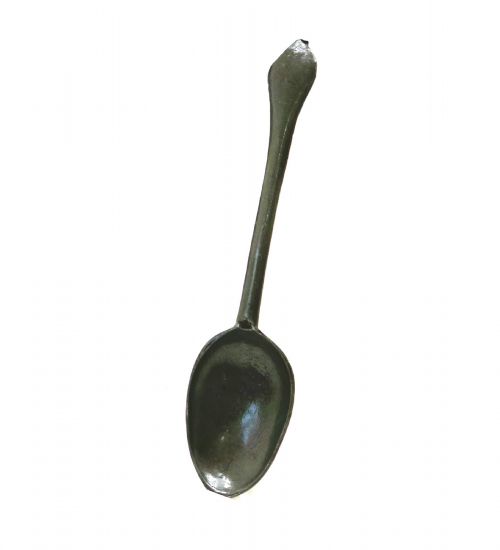
Makers utilised casting, hammering, and joining techniques across brass, copper, bronze, and pewter to shape these vessels. Brass and bronze were cast in moulds and subsequently finished on lathes, while copper sheets were hammered into hollowware forms like kettles and coffee pots with visible brazed seams. Pewter objects were cast using tin alloys and finished by turning on a lathe to refine the profiles of plates, dishes, and measures.
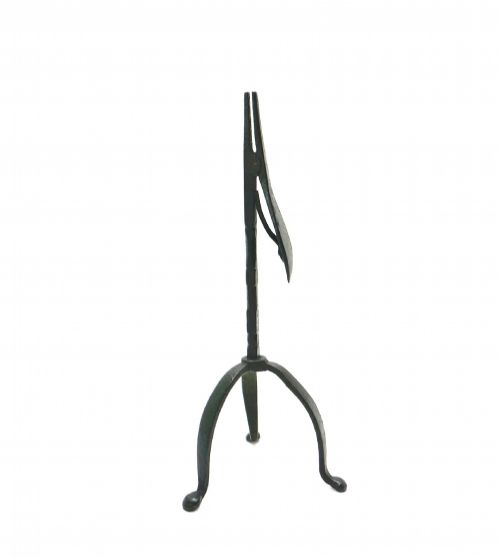
Wrought iron items such as rushlight holders and andirons were forged at the anvil through heating and hammering. Oak handles and turned wooden elements were frequently integrated into copper and iron pieces, secured with rivets or sockets.
18th Century Metalware Retail Price Guide 2026
Typical asking prices for 18th century metalware among the pieces listed under this phrase on Sellingantiques today, from the lower quarter to the upper quarter. They describe what is for sale here now, not the wider market.
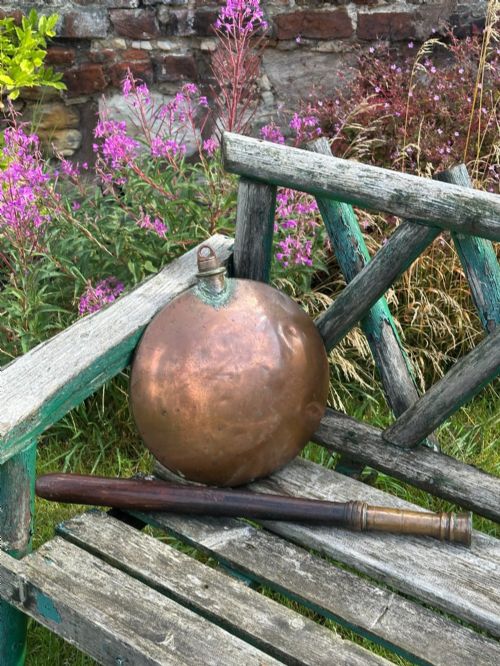
An eighteenth-century meat skewer set comes complete with its own engraved metal holder dated 1722 for the truly organised roast.
What Varies in Quality
Quality rests upon the crispness of casting detail, the integrity of original construction, and the preservation of surface patination. Items retaining makers' marks, armorial engravings, or dated inscriptions demonstrate distinct provenance and superior workshop execution. Thicker gauge metal, balanced proportions, and minimal structural alteration distinguish finer domestic vessels from simpler utilitarian output.
The degree of wear on touching surfaces and the survival of original components, such as wooden handles or detachable parts, determine the standing of individual pieces within the category.
John Duncomb·Samuel Smith·Dixon & Son·William Soutter & Sons·James Spackman·Wood & Michell
The 18th Century Metalware Glossary
- Rushlight holder
- A spring-action wrought iron stand designed to grip a rush dipped in animal fat for domestic illumination. These devices were commonly utilised in rural Welsh and English interiors during the period.
- Spirit measure
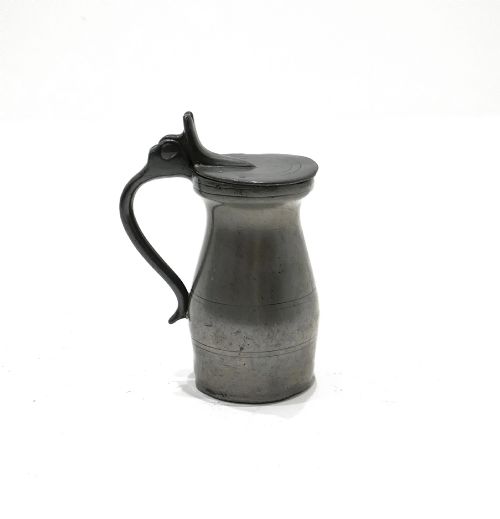
- A standardised vessel utilised for containing and dispensing alcohol before the introduction of imperial standards. Pre-imperial half gill examples display specific capacity markings and touchmarks.
- Andirons
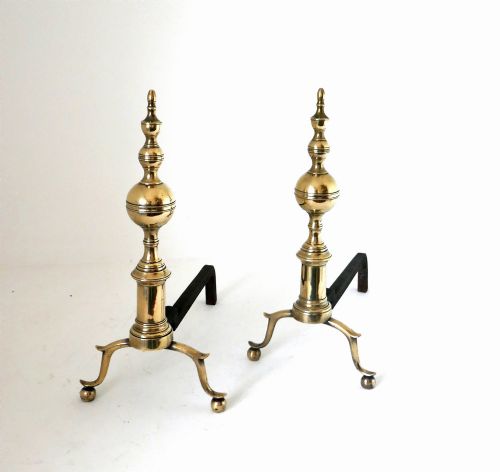
- Iron and brass firedogs used to support logs within an open hearth. They often incorporate decorative cast brass finials and wrought iron legs.
- Charger
- A large circular decorative or serving dish typically cast in pewter. English examples frequently feature plain rims and maker touchmarks on the underside.
- Chamberstick
- A small portable candlestick equipped with a pan to catch dripping wax and a handle for carrying through rooms at night. They were cast in brass and utilised before the general adoption of oil lamps.
18th Century Metalware: Frequently Asked Questions
How were copper kettles used?
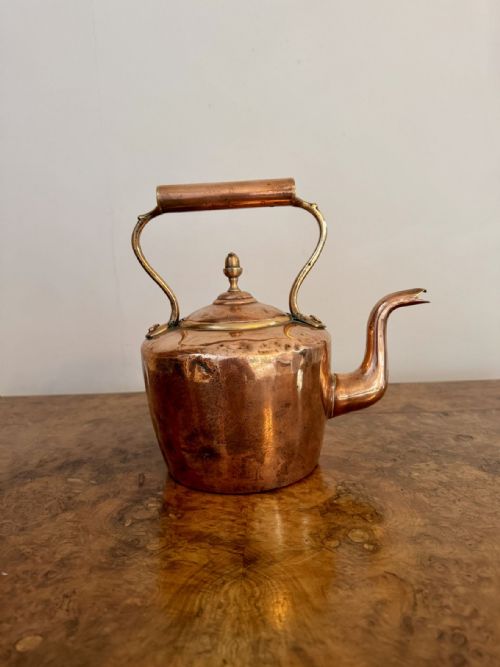
Copper kettles were positioned directly on hearth fires or stoves to boil water for tea and general domestic tasks. Their heavy hammered construction allowed them to withstand direct heat.
Over time, these kettles developed distinct patination and surface wear from continuous handling and cleaning by household staff.
What is pewter?
Pewter is a durable metal alloy composed primarily of tin, combined with copper, bismuth, or lead. It was utilised extensively for tableware due to its workable nature and silver-like appearance.
Objects made from pewter include plates, chargers, porringers, and drinking vessels, often stamped with maker touchmarks.
What are touchmarks on pewter?
Touchmarks are official stamps struck by pewterers into their metalwork to indicate workshop origin and adherence to guild standards. They function similarly to hallmarked stamps on silver.
Locating these marks helps researchers identify the maker and approximate date of production for individual chargers and plates.