


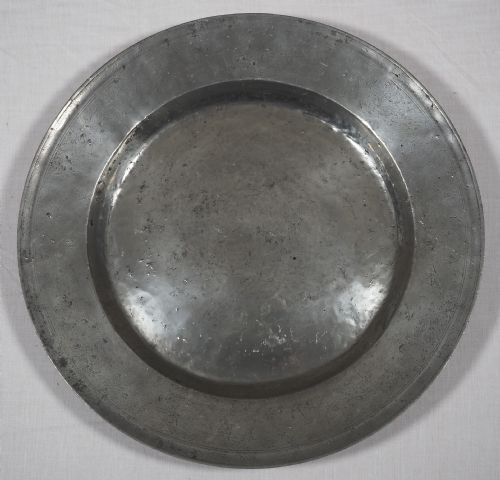

17th Century Pewter
17th century pewter brings substantial domestic metalware into a room, offering tactile metal surfaces shaped during the Stuart and Charles II periods.
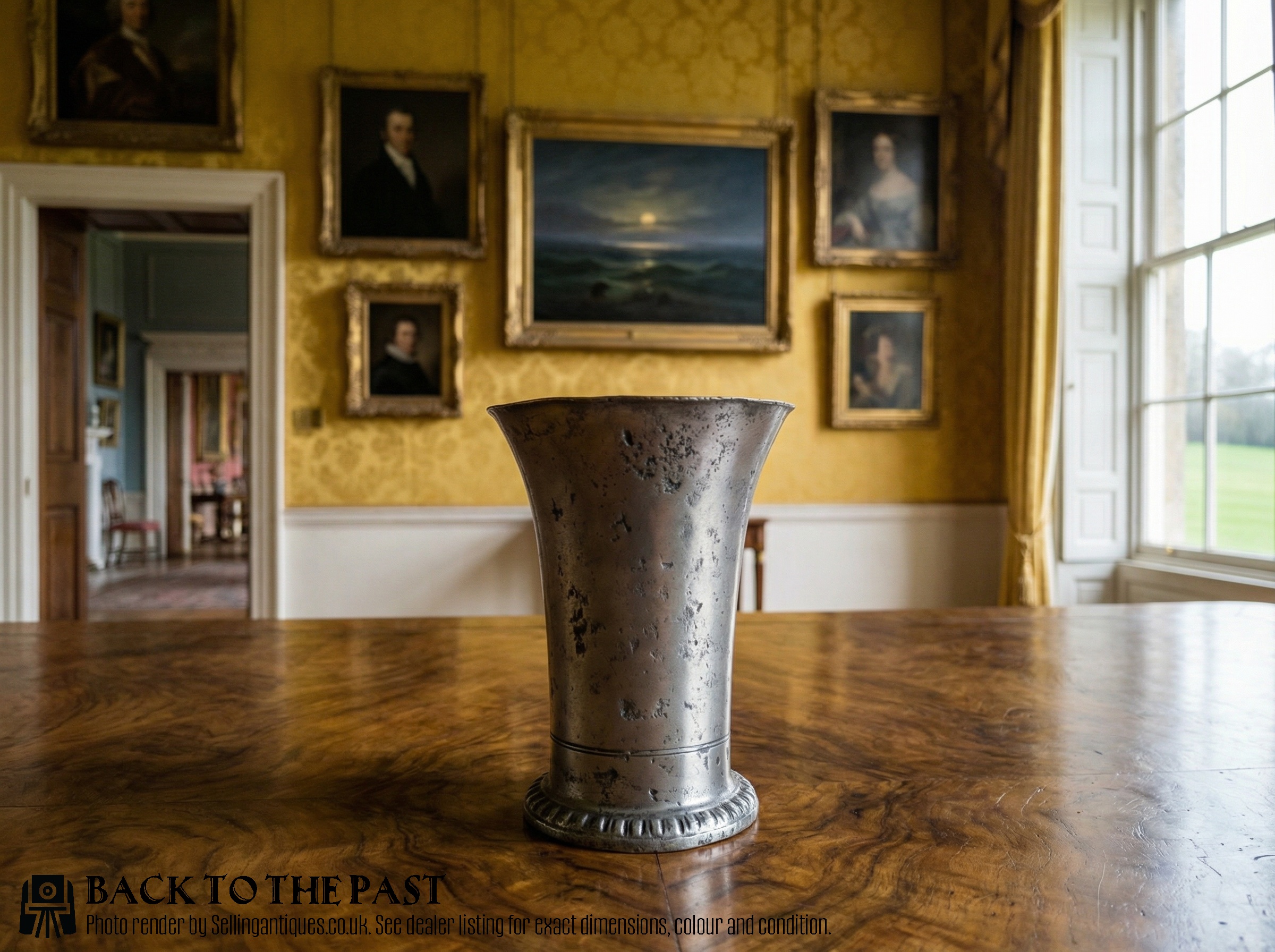
17th Century Pewter
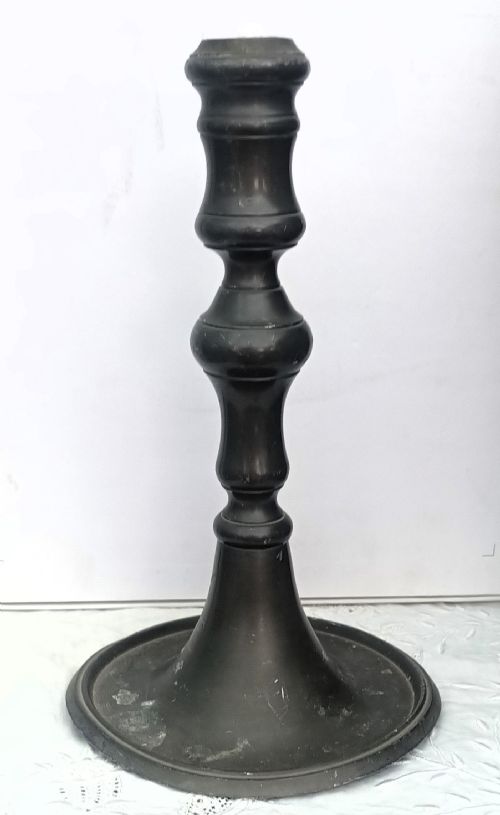
When you search for 17th century pewter, you encounter sturdy domestic items from the Stuart, Charles II, and William and Mary periods. The selection here leans towards large chargers, broad rim plates, candlesticks, and beakers produced in England and the Continent.
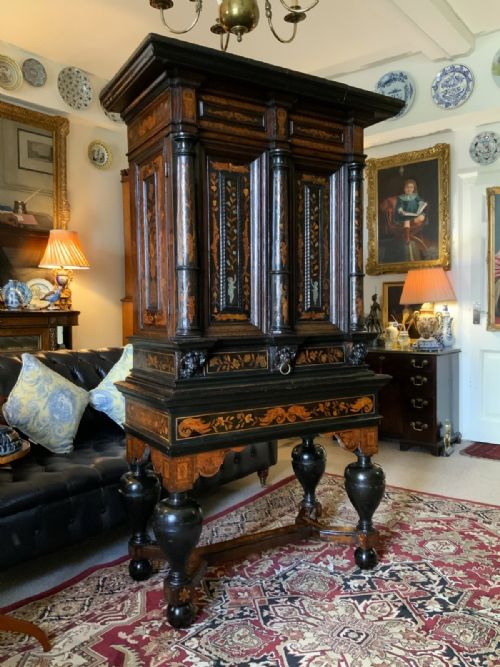
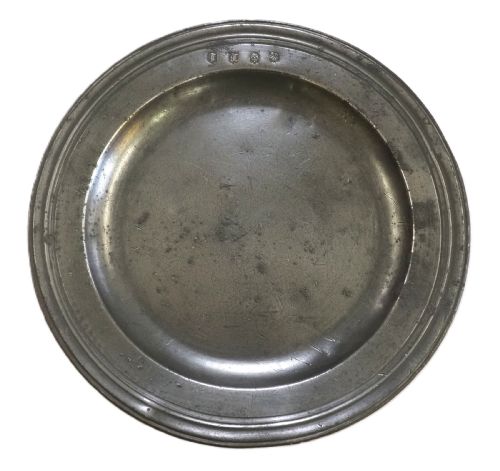
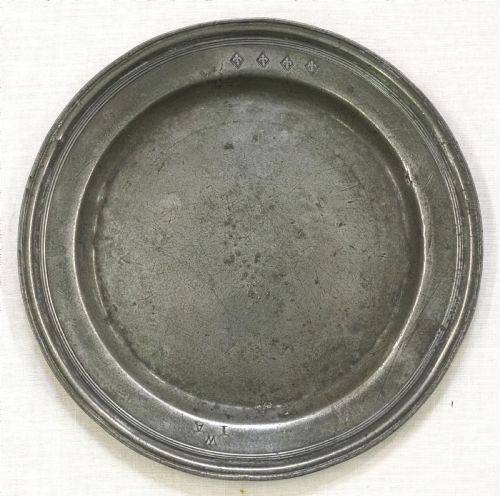
Beyond standalone vessels, the material appears integrated into other forms, such as cabinet inlay or paired with oak furniture and oil paintings. Chargers and plates dominate the offerings, showcasing plain, triple reeded, or incised rims characteristic of the era.
How they were made
These items rely primarily on pewter, an alloy shaped by casting and hammering to achieve durable domestic vessels. Examples like chargers and plates frequently exhibit all-over hammering marks left by the maker.
Wood also appears alongside the metal in related pieces, utilising oak, walnut, fruitwood, and ebonised wood for cabinets, spoon racks, and stands. Oil paint on canvas captures these metal objects in period still life scenes.
17th Century Pewter Retail Price Guide 2026
Typical asking prices for 17th century pewter among the pieces listed under this phrase on Sellingantiques today, from the lower quarter to the upper quarter. They describe what is for sale here now, not the wider market.
Listings feature 17th century pewter alongside oak furniture, oil paint canvases, and fruitwood items from the Stuart and Charles II periods.
What varies in quality
The distinction in quality rests on the clarity of maker marks and touchmarks stamped into the metal surface. Crisp touches attributed to known London or regional pewterers elevate an ordinary dish to a documented historical record.
Form and scale also dictate distinction, separating standard narrow rim plates from massive broad rim chargers spanning over twenty inches. Intact surface texture, balanced proportions, and minimal distortion determine the desirability of each piece.
John Tubb·Robert Moulins II·Thomas Templeman·Lawrence Dyer·Thomas Haward·Thomas Powell·Nehemiah Cloudesley
The 17th Century Pewter Glossary
- Charger
- A large circular dish, often exceeding sixteen inches in diameter, used for serving food or display during formal meals. These substantial metal plates form the backbone of surviving domestic metalware.
- Touchmark
- The official stamp or signature impression applied by a pewterer to guarantee the standard of alloy used. Finding a clear touchmark helps identify the workshop and approximate date of production.
- Reeded rim
- A border decorated with parallel raised bands or moulding lines. Triple reeding is common on English plates from the late Stuart period.
- Trefid spoon
- An eating spoon featuring a broad, three-lobed flat handle popular during the late seventeenth century. They frequently appear alongside oak wall racks in domestic settings.
- Alms dish
- A deep metal basin intended for collecting church offerings or charitable donations. These pieces often bear engraved dates or family crests.
17th Century Pewter: Frequently Asked Questions
How do I identify a 17th century charger?
Examine the rim width and overall diameter, as seventeenth century examples often measure over sixteen inches across. Look for broad flat rims, hammer marks across the underside, and maker touchmarks pressed near the edge.
Compare the weight and alloy consistency against later reproductions. Authentic pieces display the softer surface oxidation and subtle asymmetry typical of early hand casting.
Where were these pieces made?
Production centred on urban workshops in England, particularly London, alongside continental centres in the Netherlands and Flanders. Guild regulations controlled the alloy composition and enforced the use of individual touchmarks.
Trade and local demand distributed these domestic goods to households, taverns, and churches across Britain and Western Europe.
How should I clean antique pewter?
Avoid modern abrasive polishes that strip away the dark historical patina accumulated over centuries. Gentle washing with mild soap and warm water removes surface dust without damaging the soft metal.
Allow the surface to dry completely to preserve the stable oxidation that collectors value on early metalware.