




Broad Rim Pewter Charger
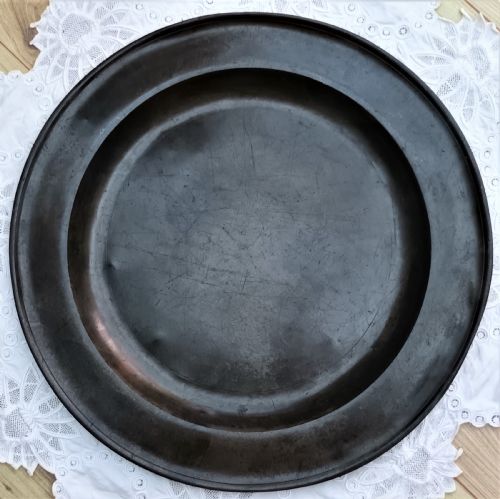
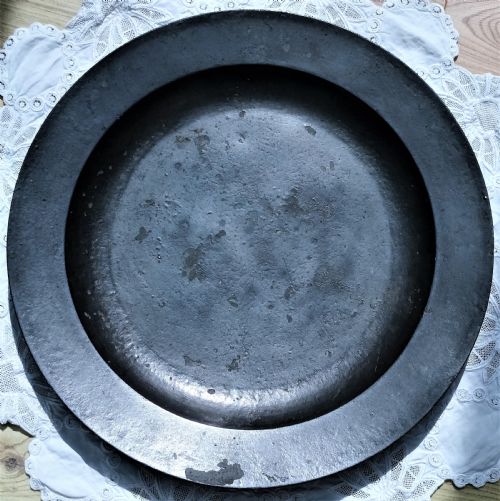
A broad rim pewter charger commands the table with substantial metalwork and sweeping proportions.
Understanding Broad Rim Pewter Chargers
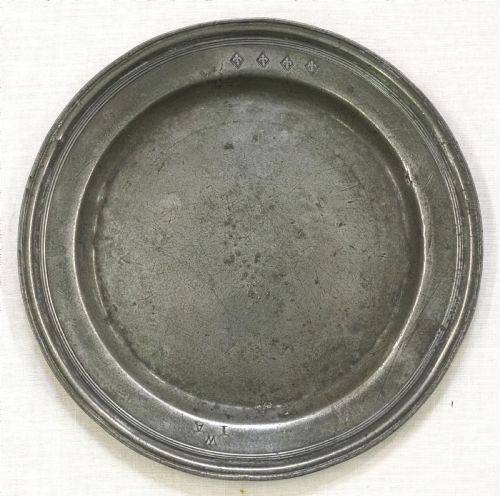
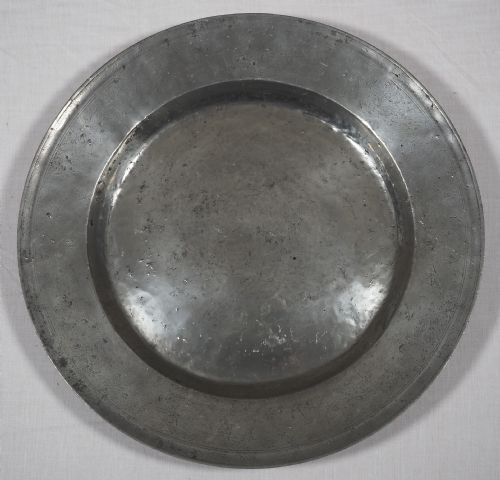
A broad rim pewter charger represents large-scale historic dining and display ware from English sources. These significant plates and platters appear primarily in seventeenth-century contexts, including Charles II and William & Mary periods, alongside eighteenth-century Georgian examples.
The defining characteristic of these objects is the wide, flat border surrounding the central well. Pieces span impressive diameters reaching past twenty inches, featuring substantial weight and presence derived from early English country house collections.
Materials and Construction
These items consist entirely of pewter, shaped through traditional casting and hammering techniques. Makers produced hammered all over surfaces that left distinct textures across the metal.
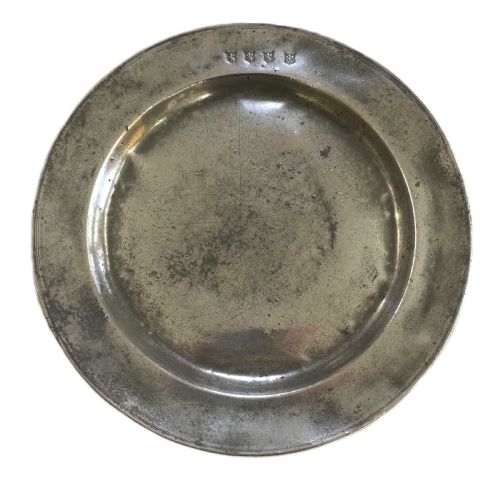
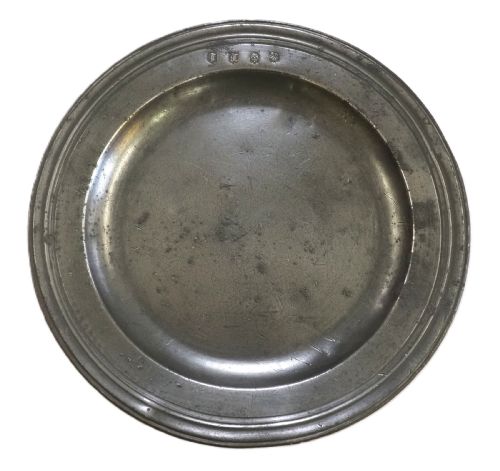
Details such as multiple reeded edges, incised rims, and cast family crests demonstrate the manual finishing methods applied by period metalworkers.
Retail Price Guide 2026
Typical UK retail prices for broad rim pewter charger, calculated from the Sellingantiques database of over a million retail prices indexed since 2003. This retail price guide relies exclusively on Sellingantiques data; no external sources or auction records are used, so the figures do not describe the wider market.
Available listings span seventeenth-century Charles II and William & Mary styles alongside eighteenth-century Georgian pewter.
Judging Quality and Distinction
Superior examples distinguish themselves through exceptional scale, such as diameters exceeding twenty inches, combined with deeply expansive rims. The presence of overall hammering and crisp, contemporary armorial engravings elevates the standing of individual pieces.
Maker identification through touchmarks and hallmarks provides tangible historical attribution. Pieces retaining distinct maker strikes and clear period characteristics occupy the upper tier of the range.
John Duncomb·Robert Moulins II·Lawrence Dyer·Thomas Powell·Thomas Dickinson·Robert Gregge
The Broad Rim Pewter Charger Glossary
- Charger
- A large decorative or serving dish placed upon a table or sideboard. These wide vessels formed the centerpiece of historic dining displays.
- Pewter
- A malleable metal alloy composed primarily of tin, historically combined with lead or copper. It provides a subdued grey lustre suited to domestic utensils.
- Reeded
- Decorated with parallel raised mouldings or bands. Multiple reeded rims add linear definition to the flat borders of plates.
- Touchmark
- An identifying stamp impressed into metal by a maker or guild. These marks record the workshop origin of the item.
- Crest
- A heraldic design denoting a family lineage. Engraved crests personalise chargers with specific aristocratic provenance.
Frequently Asked Questions
What were broad rim pewter chargers used for?
These large vessels functioned primarily as display pieces or service platters during grand meals in historic English households. Their sweeping rims provided a dramatic frame for food presentation or showcased armorial bearings.
Over time, many transitioned to wall hanging or sideboard display, serving as decorative statements rather than working tableware.
How do I identify a Charles II charger?
Charles II examples typically date from the mid-to-late seventeenth century and feature exceptionally wide flat rims matched with substantial diameters. They frequently display maker touchmarks from that specific reign.
Examining the construction methods, such as all-over hammering and early touchmark registries, helps confirm the seventeenth-century origin.
What does a family crest signify?
An engraved family crest indicates the specific lineage or estate that originally commissioned or owned the charger. These armorial bearings often link the object to documented historical families.
Such personalisations add layers of provenance, connecting the surviving metalwork directly to English country house history.
How should I care for historic pewter?
Historic pewter requires gentle handling to preserve its natural oxidised surface and historic marks. Avoid aggressive polishing, which can remove early tool signatures and reduce the metal thickness.
Keeping the pieces in a stable environment protects the alloy from moisture and maintains the integrity of the antique surface.