
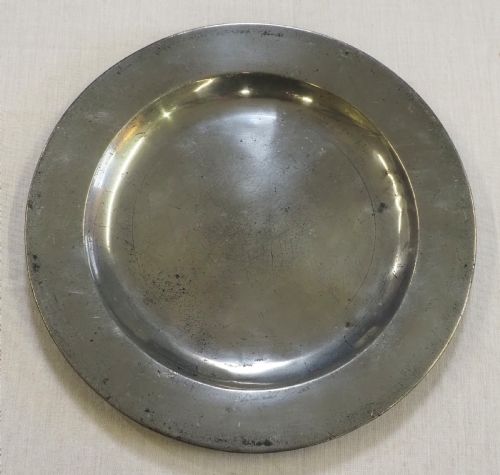
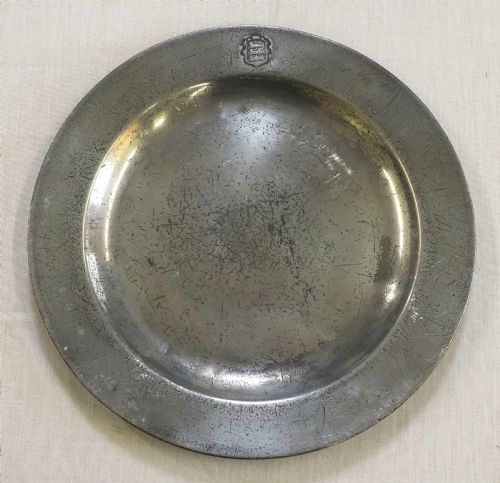
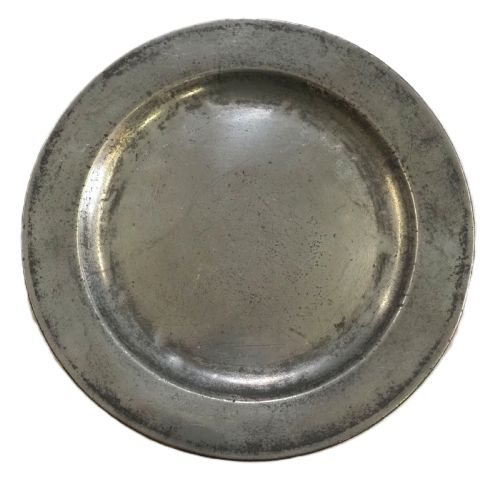


18th Century Pewter Charger
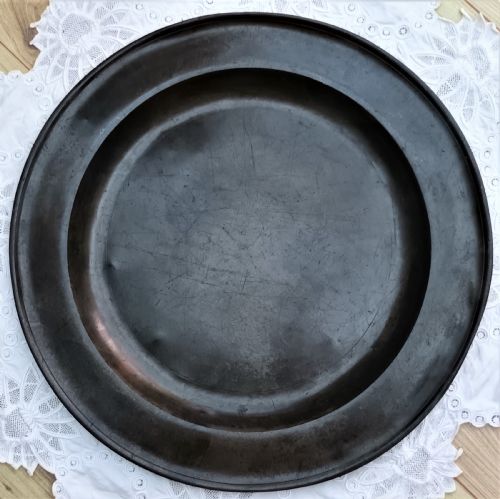
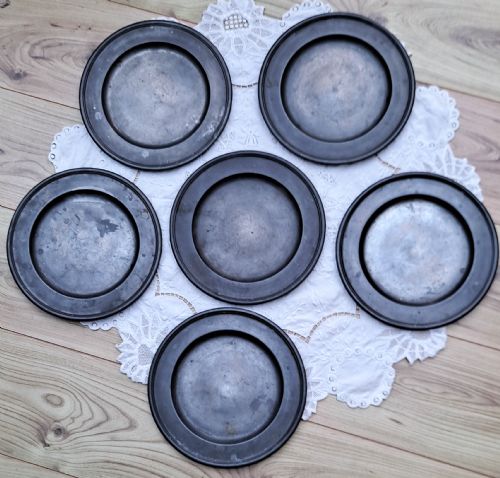
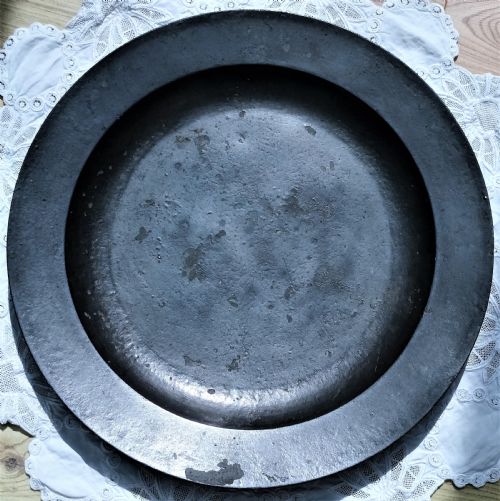
An 18th century pewter charger brings solid metal weight and quiet historic utility to a room.
18th Century Pewter Charger
When you look for an 18th century pewter charger, you find broad, shallow metal vessels made for dining or display. These pieces range from substantial platters spanning over twenty inches down to smaller plates and dishes.
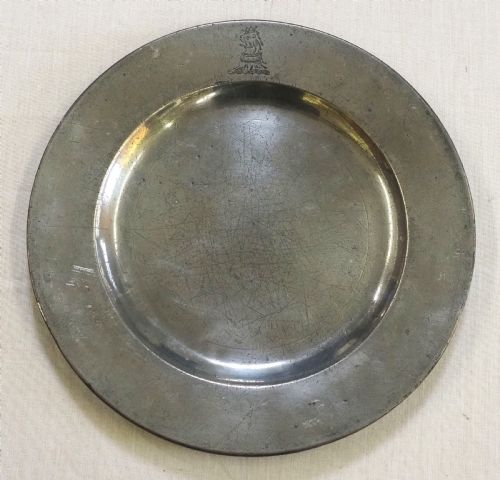
The versions most common on this page are English Georgian plain rim dishes and chargers shaped in round forms. You also encounter decorated examples featuring crests, coat of arms engravings, or wavy edges.
Originating largely from English workshops, these items span periods from the early 1700s through the Georgian era to around 1800. Alongside standard chargers, the selection includes related forms like toilet basins and multiple reeded dishes.
How they were made
These items consist entirely of pewter, an alloy traditionally composed of tin alloyed with copper, lead, or bismuth. Metalworkers cast the material into heavy moulds to form the base plates and chargers.
Craftsmen then hammered and turned the metal on lathes to achieve the desired thickness and smooth surfaces. Rim details like multiple reeding or plain borders were shaped by hand.
Makers finished many pieces by engraving armorial crests or touchmarks directly into the metal surface using sharp tools.
Some chargers bear the coat of arms for Great Yarmouth, proving that even dining plates enjoyed civic pride.
What varies in quality
Quality in these metal objects rests on the crispness of the maker touchmarks and the weight of the surviving metal. Thicker plates retain their original heft and structural integrity through centuries of use.
The clarity of engraved heraldry and crests distinguishes finer workshop output from plain utility pieces. Well-preserved rim profiles, whether plain or multiple reeded, maintain their geometric definition without excessive wear.
John Duncomb·William Wright·Samuel Smith·James Spackman·Richard King·Wood and Michell·Humphrey Evans II·Thomas Alderson·Edward Leapidge I·John Barlow·S Duncomb·Thomas Page
The 18th Century Pewter Charger Glossary
- Charger
- A large broad dish or platter, typically used for serving food at a grand table or as a base plate under smaller courses. These large vessels form the core of early metal tableware collections.
- Touchmark
- A stamped maker mark pressed into the pewter surface to identify the workshop or guild member. These small stamps often provide clues to the maker and working dates.
- Reeded rim
- A border decorated with parallel raised bands or moulding rings. This decorative technique adds texture and rigidity to the edge of a dish.
- Wriggle-work
- An engraved decorative pattern created by rocking a chisel back and forth across the metal without lifting the tool. This technique produces a zigzag line often seen on early pieces.
- Toilet basin
- A deep bowl used for personal washing and grooming in a bedchamber. These domestic forms appear occasionally alongside dining platters.
18th Century Pewter Charger: Frequently Asked Questions
How were pewter chargers used?
These large metal platters served as communal serving dishes for meat and fish at substantial dining tables. Wealthy households also displayed them upright on sideboards to showcase polished metal surfaces.
Over time, many transitioned from functional dining ware to decorative items hung on walls or set upon furniture.
How do I tell an 18th century piece apart?
Examinations of the touchmarks stamped into the metal often reveal the working dates of the maker. Weight, rim style, and manufacturing tool marks also help establish the Georgian period.
Early pieces frequently feature plain rims or multiple reeded borders rather than ornate nineteenth-century ornamentation.
Can I use antique pewter for food?
Historic pewter often contains lead, which makes modern food and liquid consumption inadvisable. Most collectors keep these items strictly for display and decorative presentation.
Gentle dusting preserves the soft historic patina without risking the fragile alloy surface.
How do I care for pewter chargers?
Keep these items in a stable environment away from excessive moisture and direct heat sources. Avoid modern chemical polishes that strip away the aged surface character.
A soft dry cloth is usually sufficient for routine maintenance and cleaning.