



Antique Pewter Tableware
Antique pewter tableware brings heavy metal dining history to the table through centuries of plates, chargers, and serving vessels.

Antique Pewter Tableware
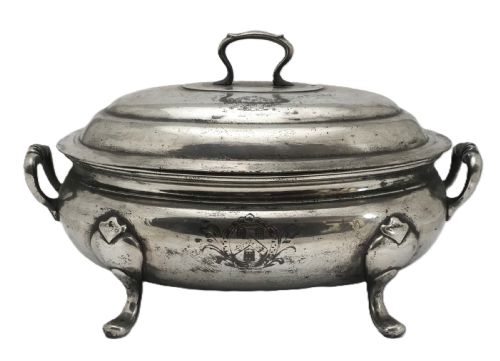
Antique pewter tableware encompasses utilitarian and formal dining items shaped primarily from metal alloys across the seventeenth, eighteenth, and nineteenth centuries. Collectors encounter plates, chargers, platters, dishes, tureens, ladles, napkin rings, and pepper pots spanning Georgian, seventeenth-century English, Arts and Crafts, and Victorian styles.
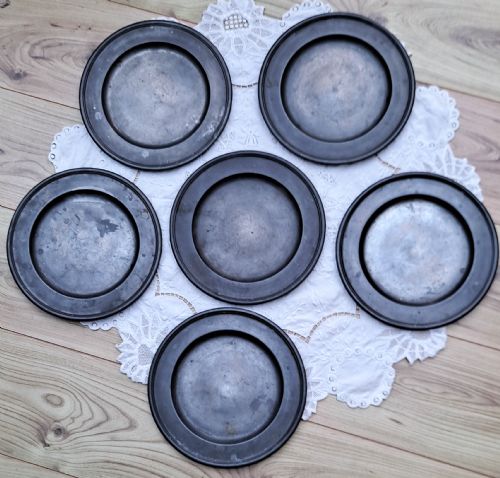
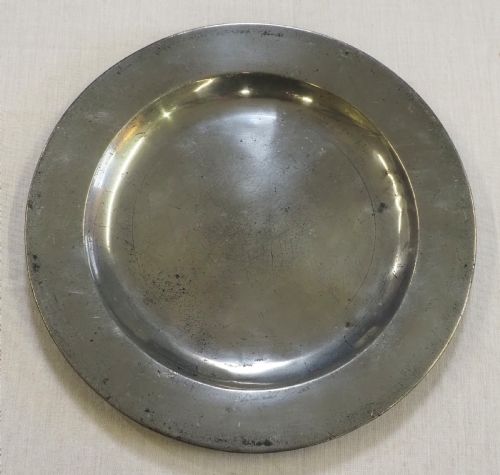
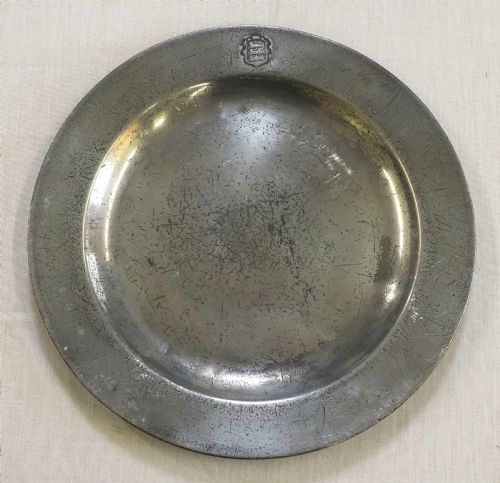
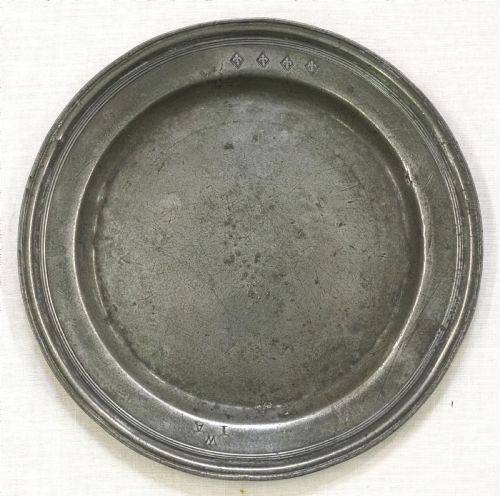
The most common examples on this page are flat plates and large chargers bearing plain rims or multiple reeded edges. Pieces often originate from English workshops and display maker touches, touchmarks, or engraved armorial crests.
How they were made
These items are fashioned from pewter and glass, utilising traditional casting and hammering techniques common to British metalworkers. Plates and chargers take shape through metal casting into moulds, followed by finishing on lathes and hand-beating to achieve uniform thickness.
Engraving decorates higher-status pieces, such as coats of arms and town crests incised directly into the metal surface. Makers finish the metal to smooth plain rims or define edges with multiple reeded bands.
Antique Pewter Tableware Retail Price Guide 2026
Typical asking prices for pewter tableware among the pieces listed under this phrase on Sellingantiques today, from the lower quarter to the upper quarter. They describe what is for sale here now, not the wider market.
Listings feature items spanning the seventeenth century through to the nineteenth century, including Georgian and Arts and Crafts examples.
What varies in quality
Quality rests in the crispness of touchmarks, the weight and thickness of the metal sheet or casting, and the preservation of original tool marks. Substantial chargers and plates with deep rims retain their structural integrity better over centuries of use.
The presence of crisp armorial engraving, historical crests, or named makers elevates an object from a standard utility plate to a documented historical piece. Plain rim plates demonstrate refinement through balanced proportions and careful metal distribution.
William Wright·T & H Compton·Richard King·Wood & Michell·Robert Moulins II·Liberty & Co·Thomas Alderson·Dixon & Son·Yates Birch & Spooner
The Antique Pewter Tableware Glossary
- Charger
- A large ceremonial or dining plate used for serving food or placed beneath smaller dishes. These oversized vessels demonstrate the heavy metalworking capabilities of period pewterers.
- Tureen
- A deep covered bowl designed for serving soups or stews at the dining table. Examples can feature armorial engravings belonging to historical trade guilds.
- Pepperette
- A small shaker or pot used for dispensing ground pepper onto food. Novelty forms shaped as animals appear in nineteenth-century examples.
- Reeded
- A decorative moulding consisting of parallel convex strips or bands. Multiple reeded plates feature these concentric raised rings along the rim.
- Touchmark
- An official stamp impressed into pewter by a maker or guild member to certify quality and origin. These marks help identify specific workshops and dates.
Antique Pewter Tableware: Frequently Asked Questions
How do I clean antique pewter?
Antique pewter requires gentle washing in warm soapy water followed by immediate drying with a soft cloth to protect the surface.
Avoid abrasive metal polishes that remove the historic dark patina accumulated over centuries.
Can I use antique pewter plates for dining?
Most antique plates contain lead alloy compositions that are unsuitable for serving acidic foods today. They serve best as decorative display pieces or dry-use presentation items.
Historical dining standards differed significantly from modern food safety practices regarding metal ingestion.
What is a pewter touchmark?
A touchmark is a small stamped emblem pressed into the metal by the maker to certify standard composition and workshop identity. These marks function similarly to silver hallmarks.
Guild regulations required makers to register their unique punches at local halls.
How do I date an antique plate?
Dating relies on rim styles, manufacturing methods, and identifiable maker touchmarks recorded in pewterer reference literature. Plain wide rims and multiple reeded edges often indicate seventeenth or eighteenth-century origin.
Later nineteenth-century pieces incorporate different styling conventions and sharper machine finishing.